


Why People Aren't Spending Bitcoin for Daily Purchases
The Real Problem Behind BitcoinBTC+0.72% Payments
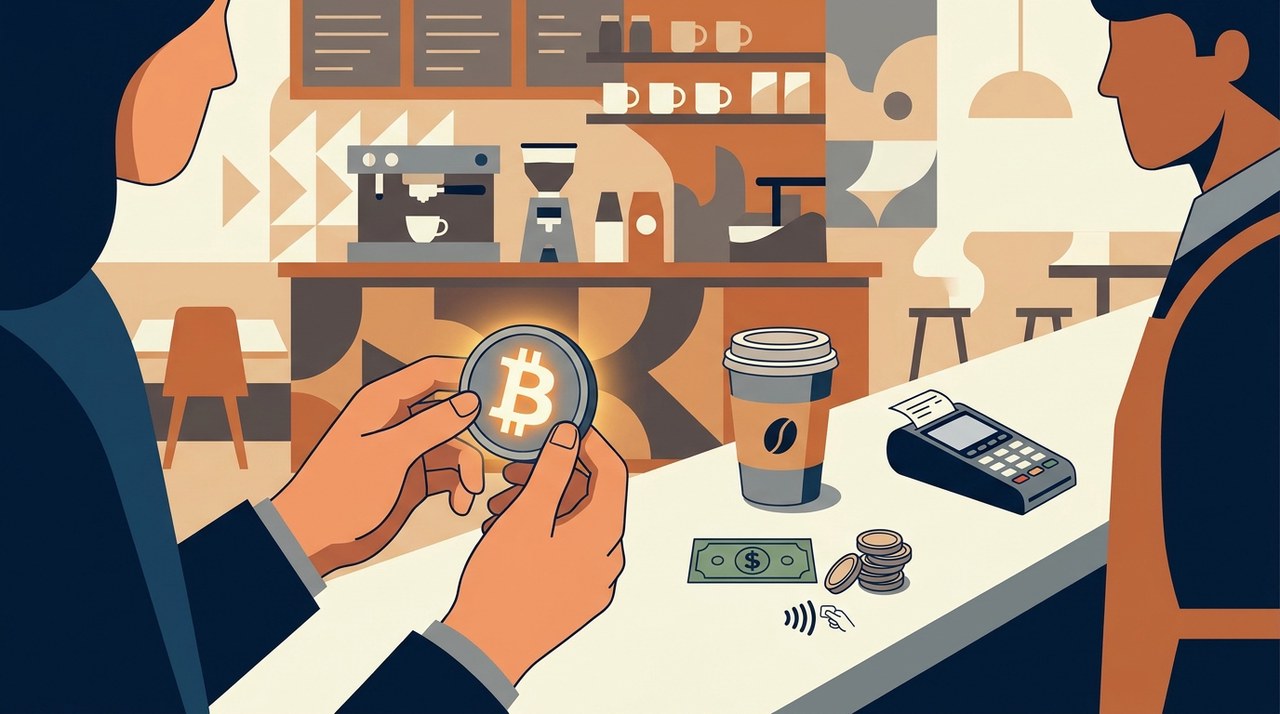
Imagine owning a rare gold coin. It is valuable and secure. However, using it to buy a cup of coffee feels complicated.
That is the current dilemma facing Bitcoin. Spiral, the open-source Bitcoin development team at Jack Dorsey’s company Block, released a statement addressing this issue.
According to Spiral, the biggest threat to Bitcoin payments is not weak technology. The real challenge is low consumer demand.
While developers have improved the network speed, shoppers and merchants are choosing stablecoins instead.
Spiral framed the situation clearly. Bitcoin faces a choice between fading into irrelevance as a payment method or taking on a long, hard grind to gain daily usage.
The Technology Works, But Usage Remains Low
For years, critics claimed Bitcoin was too slow and expensive for small purchases. Today, developers have largely solved those technical hurdles.
The Lightning Network operates in full production, enabling fast and low-cost transfers on top of the main blockchain.
In addition, over one million merchants across the United States can accept Bitcoin right now through Square.
Despite this infrastructure, actual transaction volume remains minimal.
- Holders prefer to treat Bitcoin as a long-term savings tool rather than spending money.
- Merchants prefer receiving stable US dollars to keep business operations simple.
- Payment platforms focus their new features on fiat-backed digital tokens.
What Official Federal Reserve Data Reveals
Official statistics confirm this gap between holding crypto and actually spending it.
A Federal Reserve survey found that in 2025, about 9% of American adults bought or held cryptocurrency as an investment.
However, only 2% of US adults used crypto to make a transaction or pay for goods.
This payment rate has remained stuck between 1% and 2% every single year since 2021.
Two main obstacles drive this trend. First, rapid price fluctuations make people hesitant to spend an asset that might rise in value tomorrow. Past performance of digital assets is not a guarantee of future returns, but short-term price swings naturally create spending uncertainty.
Second, tax laws present a hurdle. Under US regulations, every single purchase made with Bitcoin counts as a taxable event.
Stablecoins Take Over Digital Payment Rails
While Bitcoin struggles to become a daily currency, major financial companies are turning their attention to stablecoins.
Industry giants like Stripe, Shopify, and Coinbase are actively integrating dollar-backed stablecoins into their checkouts.
Circle is promoting digital dollars for use in fast-growing artificial intelligence tools.
This preference shows up clearly in automated AI payments.
For example, Coinbase created x402, a specialized protocol designed for AI agent payments.
According to Spiral's report, roughly 99% of all settlements on x402 are completed using the USDCUSDC+0.15% stablecoin.
Jack Dorsey's Vision for Bitcoin's Future
Block chief executive Jack Dorsey has long taken a clear stance on what success looks like for the world's largest cryptocurrency.
If [bitcoin] ends up just being digital gold, I think it’s failed. If it ends up being a currency that people can use daily, then it’s succeeded.
Dorsey expressed this perspective in January 2025, setting a high benchmark for the developer community.
If stablecoin payment channels become the standard first, Bitcoin risk remaining primarily a store of value rather than a medium of exchange.
Searching for New Ideas to Drive Adoption
To change this trend, Spiral reached out to developers, payment services, and investors on October 27, 2026.
The team launched an open call for innovative ideas that could boost Bitcoin adoption over the next five years.
Several proposals are already under discussion across the industry:
- Dual-currency features that let users pay in either US dollars or Bitcoin across the same Lightning network.
- Stablecoin expansion, such as TetherUSDT+0.15% bringing USDT back to the Bitcoin network.
- Reward programs that provide financial incentives for users who choose to spend their Bitcoin.
- Micro-payment protocols designed for creators or automated AI micro-services.
Real-World Challenges and Practical Realities
Reactions to Spiral's call highlight the underlying debate between store-of-value features and price stability.
One commenter pointed out that ordinary consumers generally avoid spending money that could drop in purchasing power right before monthly bills are due.
For many household budgets, price stability measured against local fiat currency remains the most important requirement.
Even countries that embrace Bitcoin are adapting to this consumer reality.
El Salvador famously adopted Bitcoin as legal tender, yet the country now backs a stablecoin remittance application for everyday money transfers while retaining Bitcoin as a strategic reserve asset.
The competition between Bitcoin and stablecoins is ultimately a race to see which payment rails online checkouts and autonomous AI agents adopt first.
Readers can review live market dynamics and trading metrics anytime at Bitkub Market. Past performance of digital assets or historic adoption rates do not guarantee future performance or future adoption outcomes.
Latest blog posts
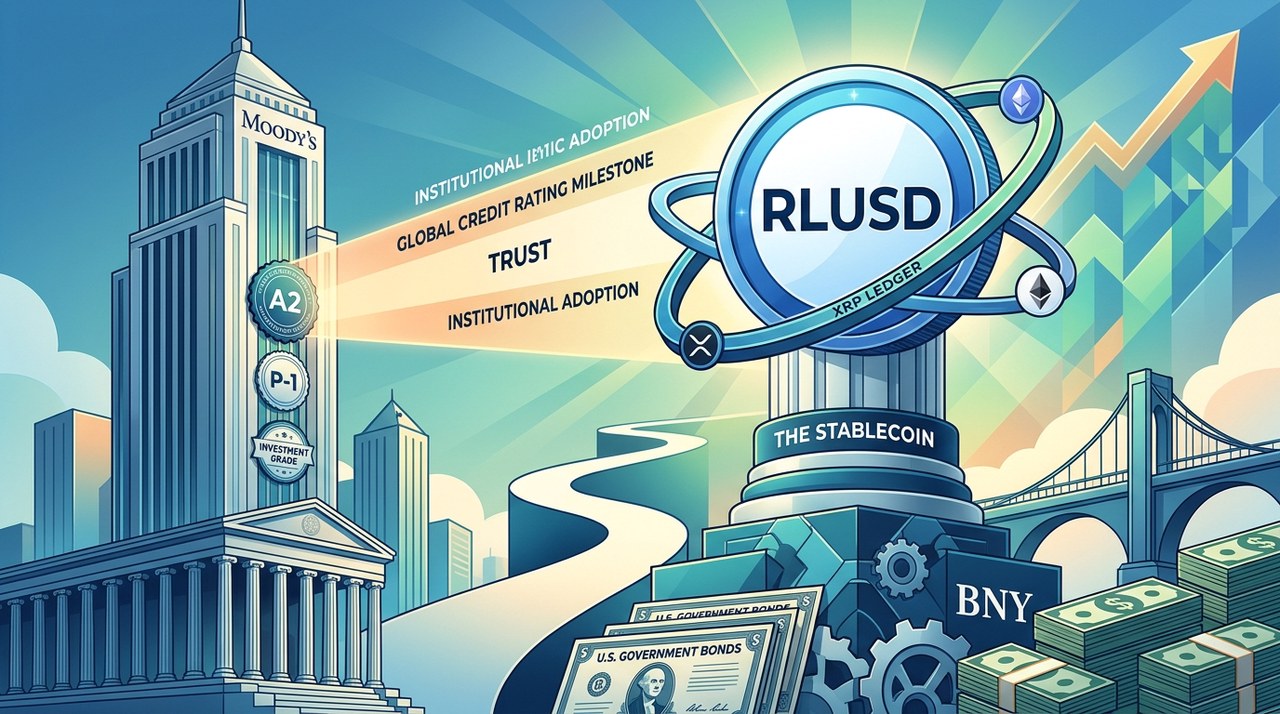


Moody's Rates Ripple's RLUSD: What It Means for XRP
Ripple's RLUSD stablecoin earned an investment-grade credit rating from Moody's, raising key questions about how XRP holders might benefit.
|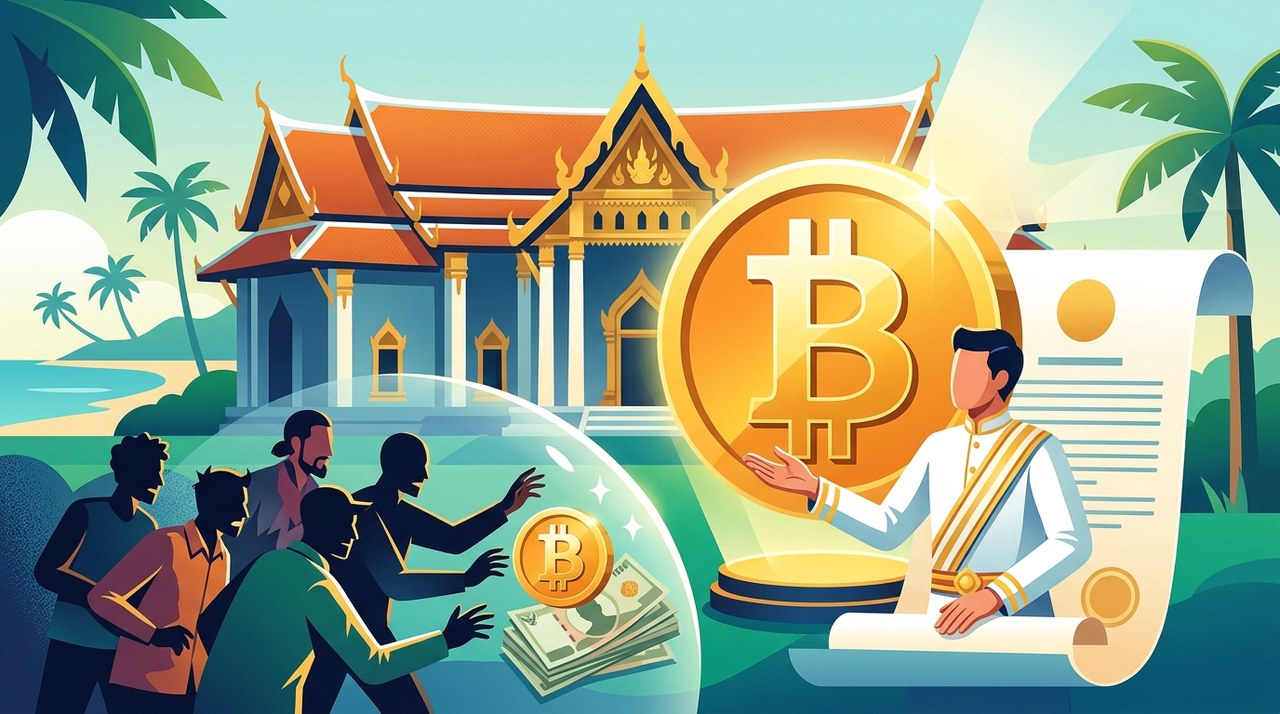
Thailand Supreme Court Rules Bitcoin Is Legal Property
Thailand's Supreme Court has ruled that Bitcoin qualifies as legal property under criminal law following a 2022 robbery case on Koh Samui.
|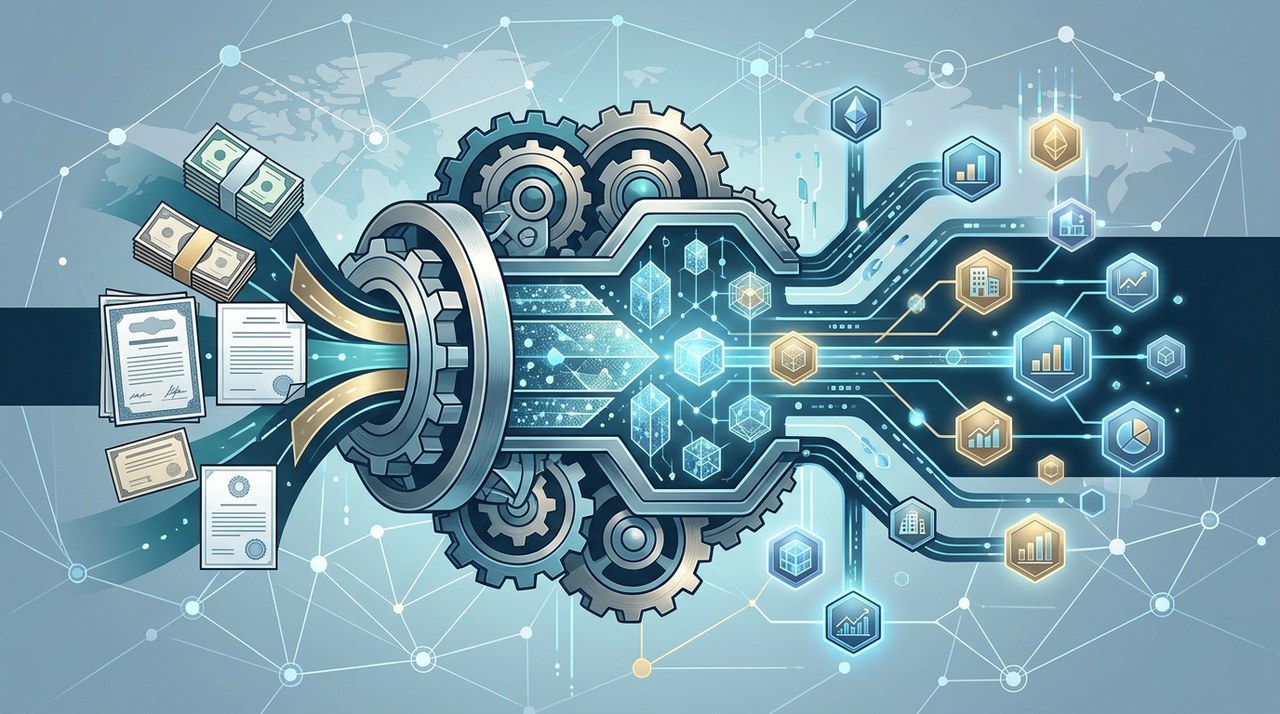
DTCC Unit Launches Tokenization Services for Securities
DTCC's unit has launched tokenization services, creating a practical path for financial institutions to adopt tokenized securities.