DTCC Unit Launches Tokenization Services for Securities
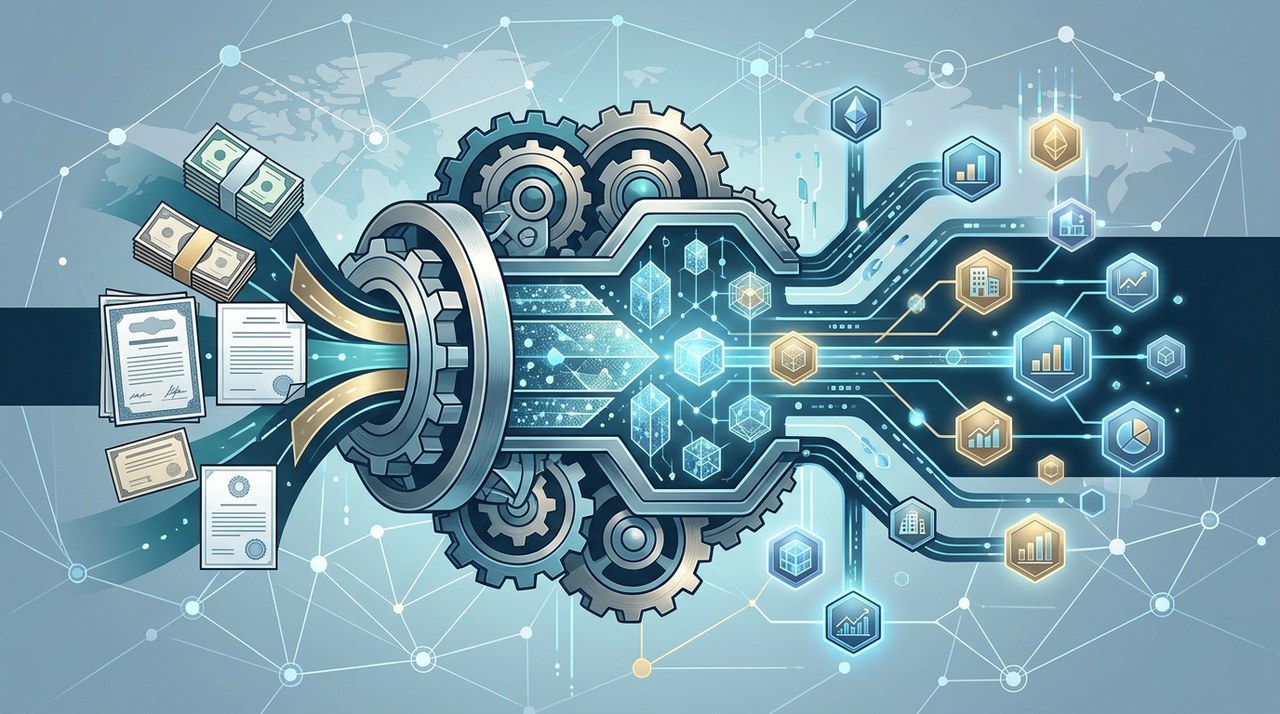
A Major Step Forward for Tokenized Assets
A specialized unit within the Depository Trust & Clearing Corporation (DTCC) has officially launched dedicated tokenization services. DTCC plays a crucial role as a premier post-trade market infrastructure provider in global finance.
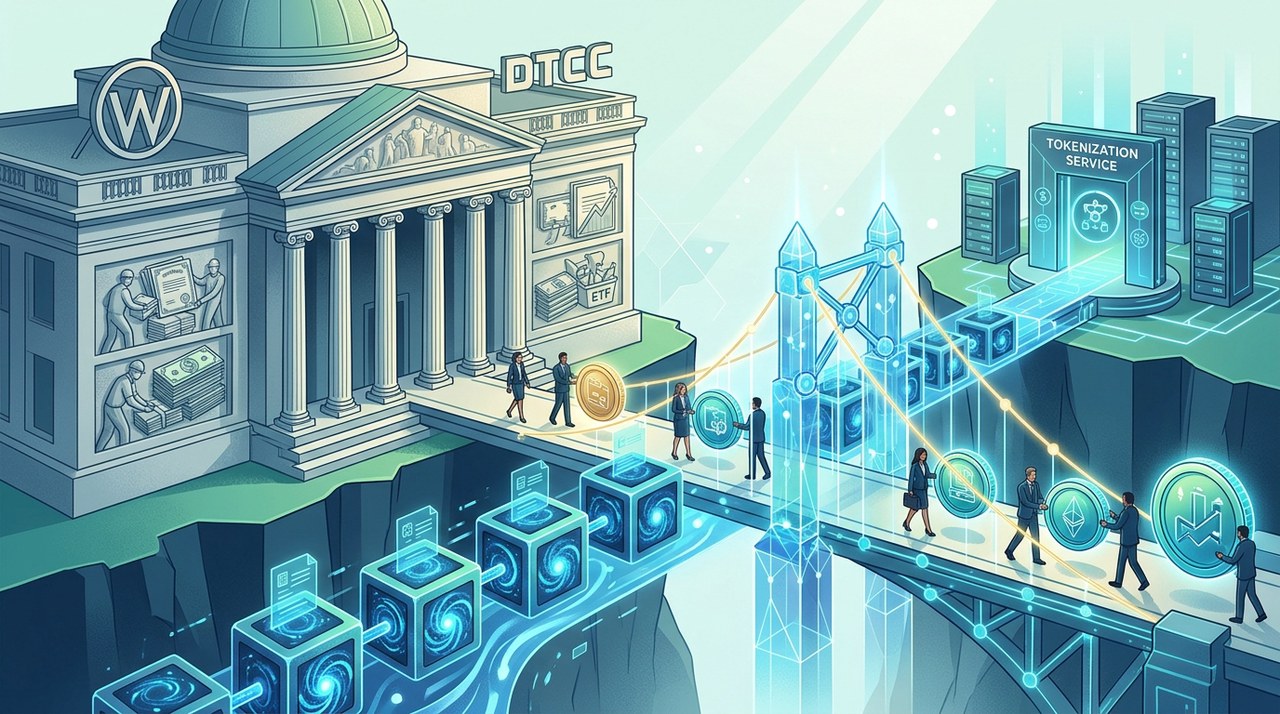
According to the company, these new tokenization services aim to create a practical path for financial institutions looking to adopt tokenized securities across market operations. This development marks a significant milestone in connecting traditional financial systems with modern blockchain technology.
Understanding DTCC and Post-Trade Infrastructure
To appreciate why this news matters, it helps to understand what DTCC does every day. When investors buy or sell stocks and bonds on an exchange, the transaction itself is only the first step. The post-trade infrastructure handles everything that happens right after the trade is agreed upon.
Think of post-trade infrastructure like the logistics network of a major online marketplace. While the storefront handles the order placement, the post-trade network ensures that money moves safely and that legal ownership of the asset reaches the buyer.
- Clearing: Verifying transaction details between the buyer and seller.
- Settlement: Transferring actual asset ownership and funds between parties.
- Custody: Safekeeping securities and maintaining accurate ownership records.
What Are Tokenized Securities?
Tokenization involves converting rights to a traditional financial asset—such as stocks, corporate bonds, or government treasuries—into a digital token on a distributed ledger or blockchain network.
By representing traditional securities as digital tokens, financial institutions can automate complex operational processes using smart contracts. This transformation allows assets to be issued, tracked, and transferred with enhanced transparency.
Why DTCC's Strategy Focuses on a Practical Path
For several years, financial institutions have experimented with blockchain technology in isolated tests. However, transitioning from small pilot programs to large-scale production environments has presented technical and regulatory challenges.
The tokenization services will create a practical path for tokenized securities adoption.
By offering a standardized infrastructure, DTCC aims to streamline this transition. Their tokenization initiative focuses on addressing key industry challenges:
- Standardization: Establishing common digital asset formats across global financial markets.
- Interoperability: Connecting private blockchains, public networks, and legacy financial systems.
- Regulatory Compliance: Maintaining strict adherence to existing financial laws and investor protections.
- Operational Resilience: Ensuring high transaction capacity and system stability.
Key Benefits of Tokenizing Traditional Securities
Integrating blockchain technology into post-trade processes offers several practical benefits for financial institutions and market participants:
- Faster Settlement Times: Traditional securities settlement often takes one to two business days. Tokenization enables near-instantaneous settlement.
- Reduced Counterparty Risk: Shorter settlement windows lower the risk that a counterparty fails to fulfill obligations.
- Automated Asset Servicing: Smart contracts can automate dividend payments, corporate actions, and record updates.
- Enhanced Transparency: Distributed ledgers provide clear, immutable records of ownership and transfer history.
Risks and Market Considerations
While tokenized securities offer notable efficiency gains, financial participants must remain mindful of technological and operational risks.
Digital asset platforms rely heavily on complex software architectures. Technical vulnerabilities, smart contract flaws, or network downtime can create operational hurdles if not properly audited and monitored.
Furthermore, liquidity for tokenized securities remains in its growth phase. Market conditions and asset prices can experience volatility based on broader economic trends. Past performance of digital assets or financial instruments does not guarantee future results.
The Broader Impact on Global Finance
The launch of tokenization services by a central financial market utility like DTCC signals growing institutional confidence in digital asset technology. As real-world assets (RWA) continue to move onto distributed ledgers, financial markets are moving closer to a unified digital infrastructure.
This gradual integration allows institutions to leverage the benefits of blockchain efficiency while maintaining the security, oversight, and trust built over decades of traditional market operations.
Latest blog posts



Ripple Forecasts $900M Revenue Run Rate by 2026
Ripple projects its annualized product revenue run rate to hit $900 million by the end of 2026, driven by growing payment volumes and RLUSD adoption.
|


DTCC Brings $30 Trillion Wall Street Assets to Blockchain
The Depository Trust & Clearing Corporation (DTCC) launched its tokenization service, bringing traditional securities like U.S. stocks and Treasuries onto blockchain networks.
|


 +1
Crypto Whales Move $10M in PEPE Closing Gap with SHIB
Two long-dormant whale wallets transferred 2.27 trillion PEPE tokens, triggering a 10.8% price jump and closing the market cap gap with Shiba Inu to $1.06 billion.
|