
Thailand Supreme Court Rules Bitcoin Is Legal Property
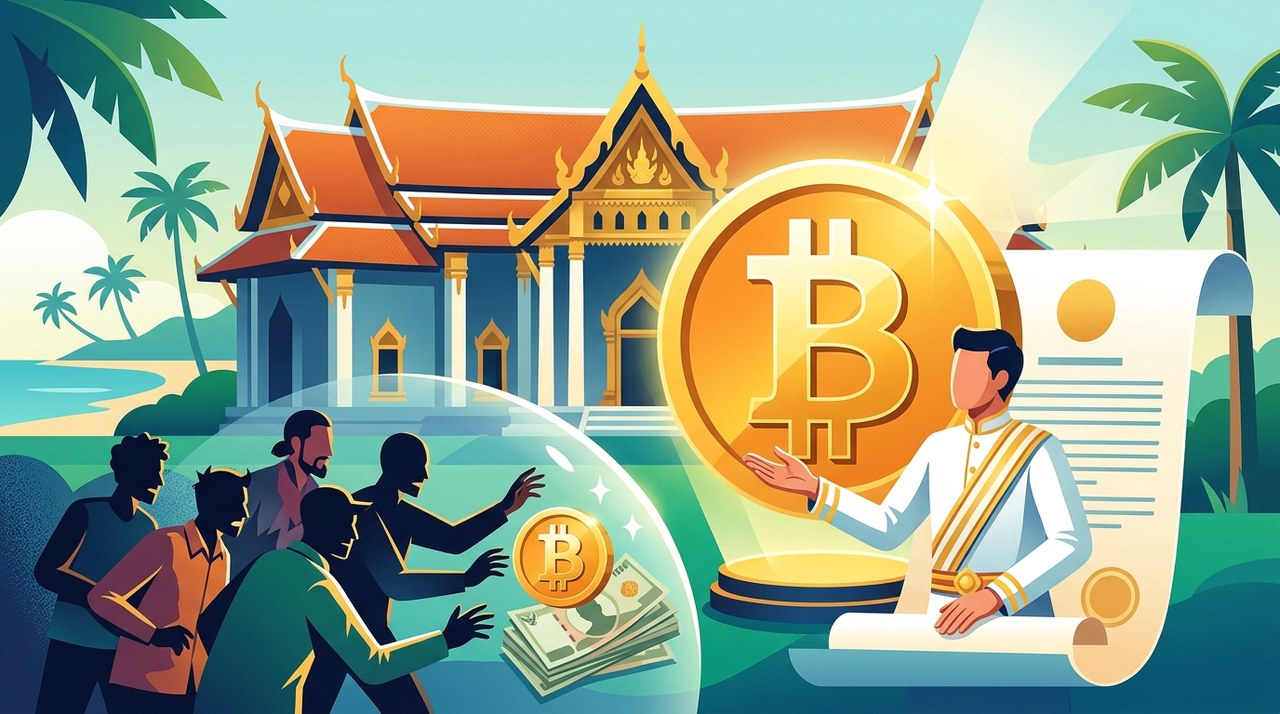
Landmark Decision Protects Digital Wealth Under Criminal Law
In a historic legal update, Thailand's Supreme Court has officially ruled that Bitcoin counts as legal property under criminal law.
The ruling comes after a high-profile robbery case on Koh Samui. It sets a massive legal precedent for how judges and law enforcement treat digital assets across the country.
The 2022 Koh Samui Robbery Case Explained
To understand why this legal decision is so important, we need to take a look at what happened in September 2022.
A group of five foreign men assaulted and threatened a tourist on the popular resort island of Koh Samui.
During the attack, the perpetrators forced the victim to convert $50,000 into 2.480801 BTCBTC+0.72%. They then forced the victim to transfer those funds directly into a crypto wallet they controlled.
The Defense Claim: Can You Steal Something Invisible?
When the case went to court, the defendant's legal team tried an unusual argument to dismiss the robbery charges.
They argued that Bitcoin could not legally be considered stolen property. Their reason was that Bitcoin has no physical form and is not official legal tender in Thailand.
Based on that logic, the defense claimed that forcing someone to transfer digital coins under threat did not qualify as robbery or theft under traditional Thai criminal law.
Why the Supreme Court Rejected the Argument
The Supreme Court dismissed the defense's argument entirely in a full-bench ruling.
The judges pointed out that Bitcoin has a clear, measurable market value. Individuals can hold private ownership of it, and it can be traded easily for conventional cash.
The court acknowledged that cryptocurrency prices can experience sharp price swings. However, it held that price volatility does not take away Bitcoin's status as legal property. Investors should note that past performance of digital assets does not guarantee future performance.
The Legal Codes Behind the Ruling
The judges relied on established national legislation to support their conclusion:
- Sections 137 and 138 of the Civil and Commercial Code: These sections define property and incorporeal (intangible) objects that possess value and can be owned.
- The 2018 Emergency Decree on Digital Asset Businesses: This regulation legally defines cryptocurrency as electronic data units used as a medium of exchange.
By referencing these laws, the court confirmed that an item does not need physical form to receive protection under robbery laws.
Final Sentence and Financial Compensation Order
The Supreme Court delivered a decisive verdict against the defendant.
The court originally gave a 15-year prison sentence, which was subsequently reduced to 10 years.
In addition to prison time, the court ordered the defendant to return the stolen 2.480801 BTC to the victim. If returning the exact coins is impossible, the defendant must pay equivalent financial compensation of approximately 1.878 million baht.
Is Bitcoin Now Legal Tender in Thailand?
It is critical to clear up a common misunderstanding surrounding this court decision.
No, this ruling does NOT turn Bitcoin into official money or legal tender in Thailand.
Merchants and everyday businesses in Thailand are not required to accept crypto payments. The court simply recognized Bitcoin as recognizable property under criminal statutes.
What This Means for Digital Asset Holders
This precedent brings vital clarity for crypto owners living in or visiting Thailand.
It confirms that digital assets are protected by criminal law just like physical items such as cash, vehicles, or jewelry.
As adoption grows globally, rulings like this demonstrate how existing judicial systems can adapt to protect investors in the modern blockchain era.
Latest blog posts

 +1
Why People Aren't Spending Bitcoin for Daily Purchases
Jack Dorsey's Spiral team argues that low consumer demand, not technology limitations, is holding back everyday Bitcoin payments.
|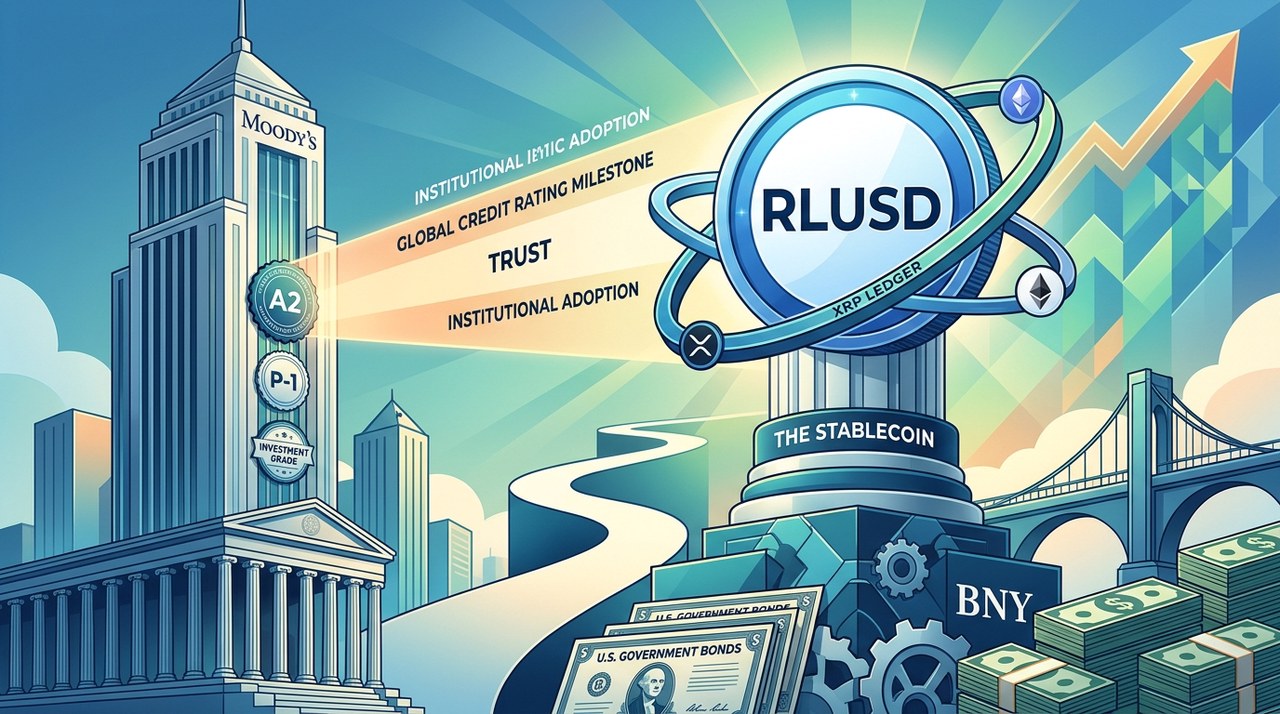


Moody's Rates Ripple's RLUSD: What It Means for XRP
Ripple's RLUSD stablecoin earned an investment-grade credit rating from Moody's, raising key questions about how XRP holders might benefit.
|
DTCC Unit Launches Tokenization Services for Securities
DTCC's unit has launched tokenization services, creating a practical path for financial institutions to adopt tokenized securities.