Anchorpoint Takes Measured Approach to Retail Stablecoin
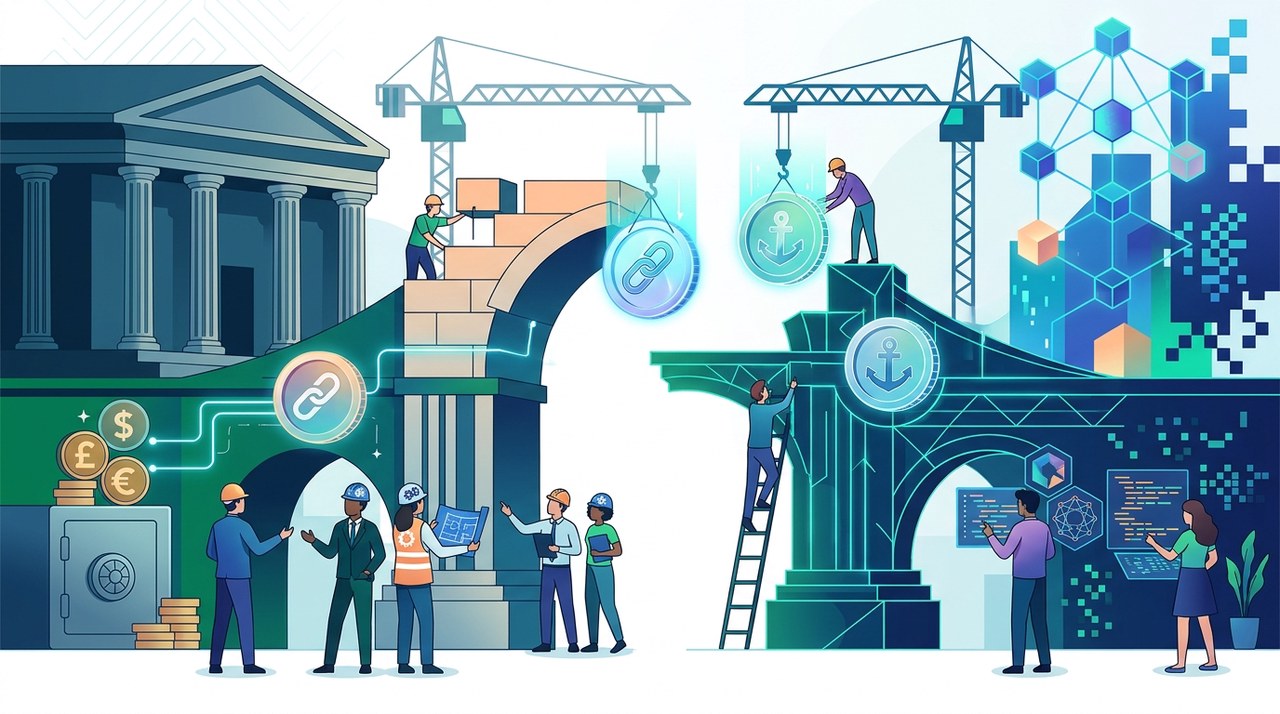
Anchorpoint Avoids Rushing Retail Stablecoin Launch
Building a safe bridge between traditional money and crypto takes careful planning. Anchorpoint, a joint venture backed by banking giant Standard Chartered and Web3 leader Animoca Brands, is taking a steady approach to its digital currency plans.
The project previously targeted a retail release as early as the end of 2026. However, Anchorpoint's chief executive officer declined to reaffirm that specific timeline in a recent update.
Rather than rushing to hit a calendar date, the team is focusing on building a compliant and secure infrastructure.
Who Is Behind the Anchorpoint Joint Venture?
Anchorpoint combines deep legacy finance experience with Web3 innovation.
On one side is Standard Chartered, a global banking institution with a long history of traditional financial services. On the other side is Animoca Brands, a major player in digital entertainment, blockchain gaming, and venture investments.
By working together, both entities aim to create reliable digital money solutions for broader payment markets.
Why Is a Retail Stablecoin Different?
Stablecoins are digital tokens designed to keep a steady value by linking to traditional fiat currencies like the US dollar.
Wholesale stablecoins focus on large transactions between financial institutions. Retail stablecoins, on the other hand, are meant for everyday transactions by regular consumers.
Because retail tokens reach the general public, financial regulators demand high safety standards, full reserve backing, and strict consumer safeguards.
Prioritizing Compliance Over Speed
Regulatory frameworks for stablecoins are taking shape rapidly around the globe, especially in financial hubs like Hong Kong.
Regulators want issuers to demonstrate operational resilience, strict anti-money laundering controls, and transparent reserve auditing before launching retail services.
Anchorpoint's willingness to adjust its timeline reflects a growing industry trend. Projects increasingly choose strict regulatory alignment over fast market deployment.
What This Means for the Crypto Ecosystem
Institutional involvement from major global banks signals ongoing structural development in digital payments.
However, digital assets remain subject to market shifts and evolving regulations. Potential users should carefully monitor regulatory updates and platform developments as official timelines become clearer.
Latest blog posts
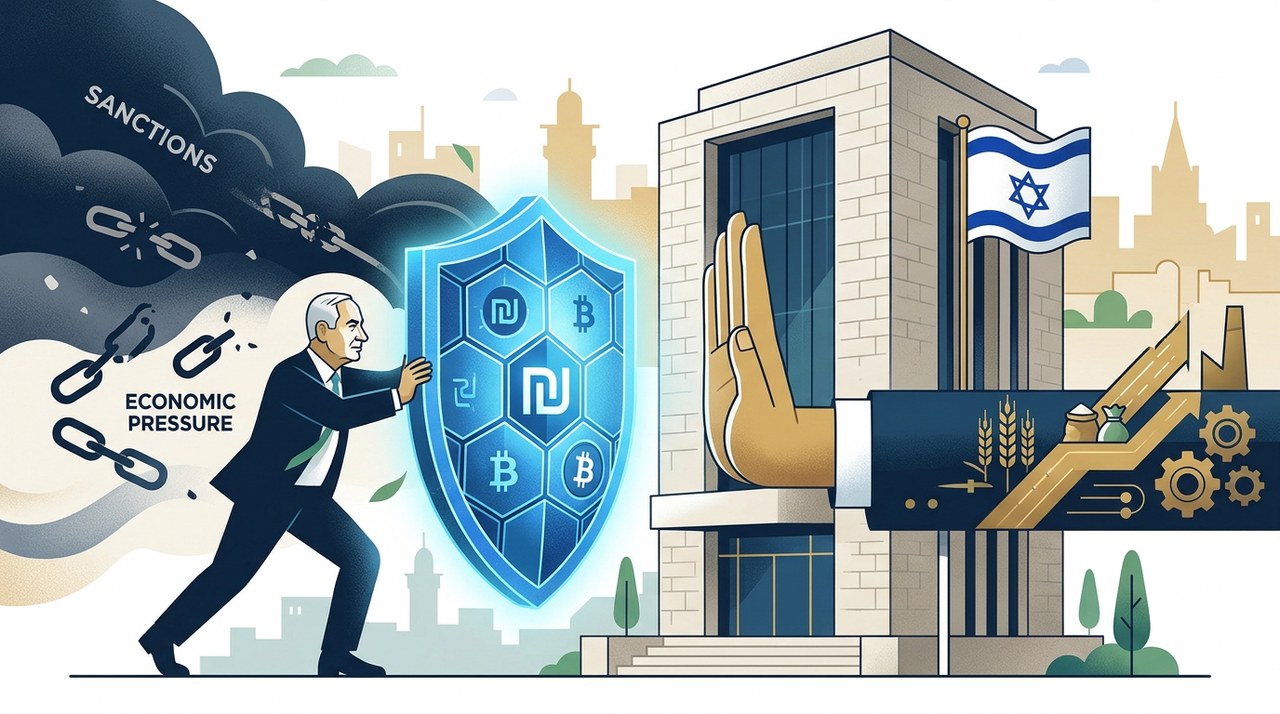


Bank of Israel Rejects Netanyahu's Crypto Sanction Plan
The Bank of Israel rejected Prime Minister Benjamin Netanyahu's idea of using crypto to dodge potential international sanctions.
|
Jim Cramer Recommends S&P 500 Index Funds for Retail
CNBC host Jim Cramer advised a retiree to put two-thirds of her portfolio into an S&P 500 index fund, despite his own hedge fund beating the market in the past.
|
JPMorgan and Banks Block AI Agents Over Security Fears
Wall Street giants are restricting autonomous AI agents from accessing bank accounts, while crypto leaders argue blockchain could become the primary network for automated payments.