


Bank of Israel Rejects Netanyahu's Crypto Sanction Plan
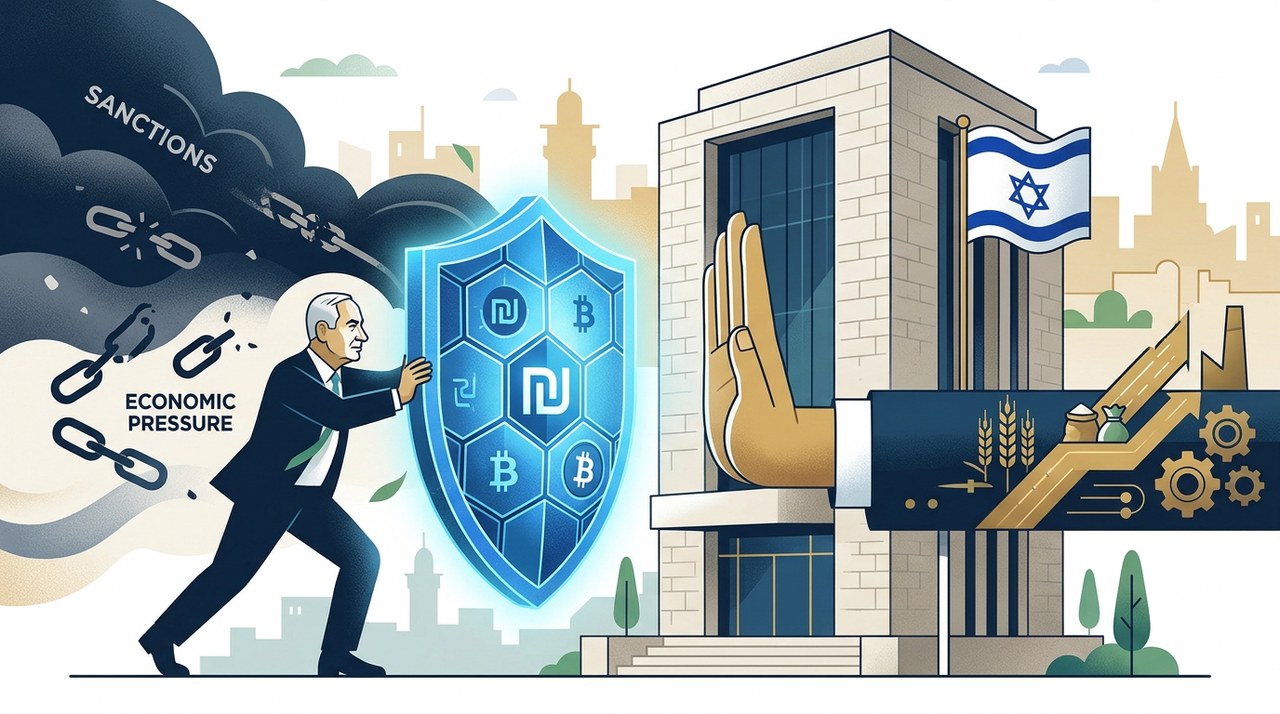
A Heated Debate Over Israel's Economic Strategy
Can cryptocurrency protect a nation's economy from international sanctions? Israeli Prime Minister Benjamin Netanyahu raised that very possibility, but the country's central bank quickly poured cold water on the idea.
The Bank of Israel officially rejected Netanyahu's proposal to use digital currencies as a backup plan. Instead of building workarounds to bypass potential sanctions, the central bank stressed that Israel must focus on maintaining strong economic ties with global trade partners.
Why Did Netanyahu Propose Using Cryptocurrency?
During a recent interview, Prime Minister Netanyahu discussed the economic risks tied to Israel's ongoing military deployments. He warned that international economic and banking sanctions could become a real concern for the country.
To prepare for that scenario, Netanyahu suggested building an alternative economic framework. He pointed to blockchain technology and digital assets as potential tools to keep money moving if traditional banking channels close.
We need to understand that there could be banking sanctions. You need to prepare an alternative economic system, and you know what that is, and you know which currencies can bypass this, and I’m working on that as well.
Netanyahu is no newcomer to the world of digital assets. Back in 2017, he famously suggested that traditional banks might eventually disappear when asked whether everyday individuals should invest in BitcoinBTC-0.84%.
The Bank of Israel Pushes Back
The central bank took a firm stance against using crypto to evade international policy measures. In its official response, the Bank of Israel stated that safeguarding foreign trade relationships is far more important for long-term stability.
The institution noted that preventing sanctions is the primary job of political leaders. Taking proactive diplomatic steps to protect the economy, the bank argued, makes much more sense than relying on non-traditional financial tools after sanctions hit.
Political Opponents Warn of Economic Risks
The proposal also drew fierce criticism from Netanyahu's key political rival in the upcoming elections, Gadi Eisenkot. He labeled the idea of shifting toward crypto a threat to national security.
Eisenkot raised practical questions about how Israeli technology companies would operate under such a setup. He questioned how tech firms could receive foreign investments or manage international client payments if traditional banking was bypassed.
After dismantling Israeli society and weakening the IDF, Netanyahu has set his sights on his next target: the long-term destruction of the Israeli economy for generations to come. How could an Israeli high-tech company with overseas clients receive payments or secure foreign investment? How could Google acquire an Israeli firm if the condition were to bypass international banking systems and pay in cryptocurrency?
Netanyahu Stands by His Track Record
Despite the sharp pushback from both central bankers and political rivals, Netanyahu defended his position. He acknowledged the advice from the Bank of Israel while reiterating confidence in his economic leadership.
Netanyahu also clarified that crypto is not the only backup option on the table. He noted that other financial tools are available to help Israel stay connected to global markets if international sanctions occur.
I thank the Bank of Israel for their advice, but I do what I think is right—and my long-term track record shows that I have led the State of Israel to unprecedented economic prosperity.
Commercial Banks Move Ahead with Crypto Services
While politicians and central bankers debate using crypto to bypass sanctions, Israel's private financial sector is taking steps toward regulated digital asset services.
Bank Leumi, Israel's oldest banking institution, is preparing to offer trading for major digital assets like Bitcoin, EtherETH-1.09%, and SolanaSOL-0.80% directly within its platforms. If approved by regulators, this move would mark a major milestone for retail banking in the country.
However, market participants should remember that digital assets remain highly volatile. Past performance of digital assets is not an indicator of future performance, and regulatory updates continue to shape how banks integrate these products.
Latest blog posts

Jim Cramer Recommends S&P 500 Index Funds for Retail
CNBC host Jim Cramer advised a retiree to put two-thirds of her portfolio into an S&P 500 index fund, despite his own hedge fund beating the market in the past.
|
JPMorgan and Banks Block AI Agents Over Security Fears
Wall Street giants are restricting autonomous AI agents from accessing bank accounts, while crypto leaders argue blockchain could become the primary network for automated payments.

AI Agents Help Rescue Ethereum Fork as 'Steal My Bitcoin' Site Launches
Ethereum researchers deploy AI agent message boards to troubleshoot the Glamsterdam fork, while a new security site challenges hackers to steal its Bitcoin.
|