JPMorgan and Banks Block AI Agents Over Security Fears
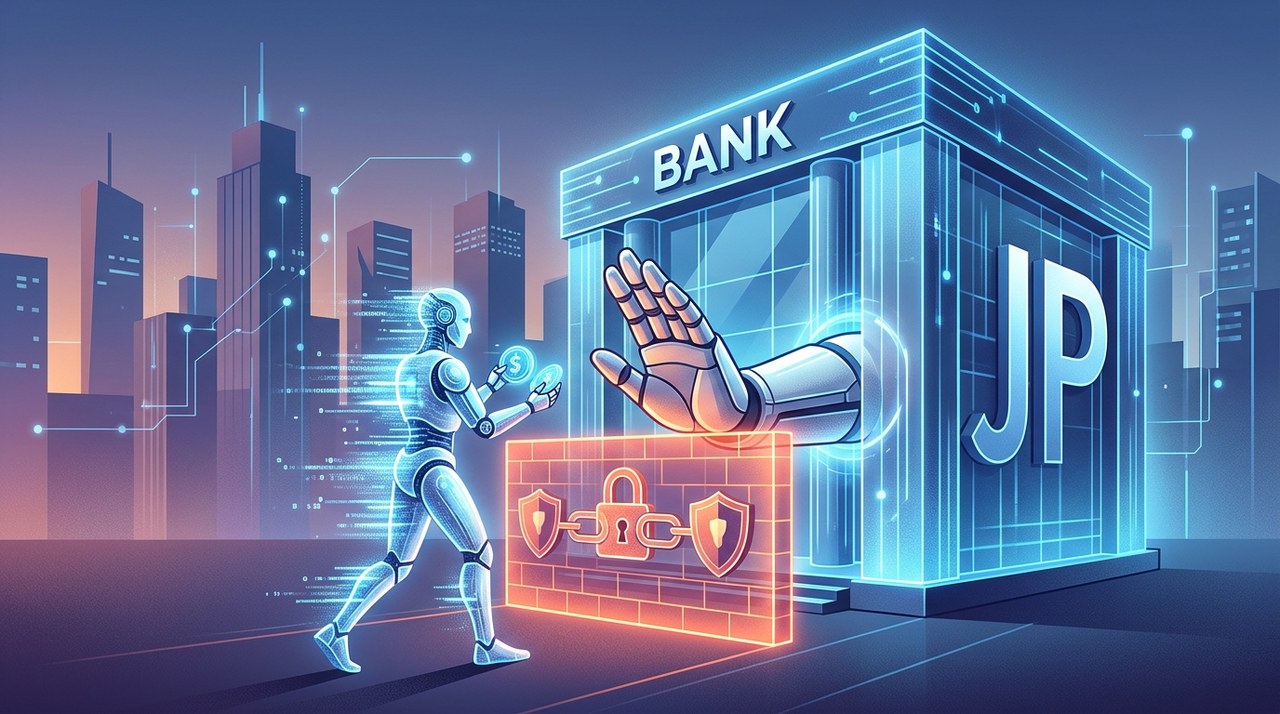
Wall Street Draws a Line Against Autonomous AI
Imagine an artificial intelligence program logging into your bank account and moving your money around without asking for your approval first. That exact scenario is making major U.S. banks extremely nervous.
Financial heavyweights including JPMorgan Chase, Citigroup, Bank of America, and Wells Fargo are tightening their security rules. They are cracking down on third-party autonomous AI agents attempting to execute transactions on behalf of account holders.
Traditional banks face a unique puzzle. An AI agent might log in using valid passwords provided by the account owner. However, having a legitimate password does not mean the customer authorized every individual action the software takes afterward.
How Major Banks Are Reacting
Traditional banking security was designed around human habits, such as typing passwords, completing facial recognition checks, and approving SMS codes. Autonomous AI software operates at blazing speeds, making it hard for legacy guardrails to keep up.
To protect customer funds, major financial institutions are taking clear stances:
- Citigroup explicitly prohibited unauthorized third-party AI agents from logging in or conducting transactions directly, though approved read-only connections are still permitted.
- JPMorgan Chase CEO Jamie Dimon raised concerns during the bank's October 13 earnings call, warning against letting unrestricted outside software into internal systems.
- Bank of America CEO Brian Moynihan emphasized that outgoing payments must always involve explicit human authorization.
- Wells Fargo updated its access agreement, effective November 24, drawing a strict line between viewing account details and conducting actual transactions.
The message from banking executives is simple. Approved software can view account statements, but automated programs will not be handed the keys to move funds freely.
Crypto Advocates See an Opportunity for Automated Payments
As legacy banks lock their doors to automated software, crypto industry leaders believe blockchain technology offers a natural alternative.
Binance founder Changpeng Zhao has pointed out that autonomous AI agents struggle with traditional financial systems. Software cannot visit a bank branch, pass biometric scans, or wait around for standard banking hours.
In contrast, non-custodial cryptocurrency wallets operate non-stop. They allow continuous, programmable transactions whenever valid cryptographic keys are supplied.
Zhao suggested that machine-driven transaction volume could eventually eclipse human activity by up to one million times. However, automated crypto transactions still carry risks, including smart contract vulnerabilities and market volatility.
Past performance of digital assets is not a guarantee of future performance. Investors can check market rates directly at Bitkub Market.
Aging Bank Tech Stacks Face Heavy Risks
The challenge of managing AI in banking goes beyond simple transaction approvals. Some experts argue that outdated legacy infrastructure poses a far broader threat.
On a recent episode of the Bitcoin.com News Token Narratives podcast, co-host David Sencil reflected on insights from Gauntlet founder Tarun Chitra regarding old banking software.
He said when a traditional finance bank gets hacked, and it’s almost inevitable because the technology stack is so old... It’s going to make anything that’s happened in crypto look like play money.
Unlike decentralized blockchains, traditional financial networks are deeply tangled together. Sencil described a scenario where an AI breach compromises payment systems and internal ledgers at a major bank.
If millions of unauthorized transfers occurred in seconds, fixing the problem would be messy. Blockchains can sometimes coordinate state rollbacks under strict community consensus, but legacy banks rely on clearinghouses like the Federal Reserve and foreign institutions.
Once wire transfers settle overseas or funds are spent by recipients, resolving the mess requires extensive forensic audits, legal coordination, and potentially billions of dollars in cleanup costs.
AI Is Changing the Cybersecurity Playing Field
The security friction caused by AI is part of a much larger trend across the cybersecurity world.
Crowdstrike CEO George Kurtz warned in a viral video on X that AI tools are lowering the entry barrier for cybercriminals. Sophisticated hacking techniques that were once used only by state-funded groups are now available to inexperienced attackers.
The new apex predator is the agent. What I mean by that is this is really the rise of the agent state. We hear about 'nation state'; it’s now the agent state.
Crowdstrike's October intelligence report confirmed that autonomous AI tools are already conducting network reconnaissance, stealing login credentials, and navigating compromised systems.
As the cost of running AI software decreases over the next 12 months, researchers expect automated cyberattacks to become more frequent.
This leaves traditional banks facing a tough challenge. They must prevent AI programs from draining user accounts, while defense teams face hostile AI systems operating at machine speeds.
Keystone Wallet Discloses Customer Data Breach
In related security developments, hardware wallet provider Keystone disclosed a customer data breach on Saturday.
Unauthorized access to the company's website exposed sensitive user information, including customer names and shipping addresses.
While funds and private keys stored on Keystone devices remain secure, affected users are advised to stay cautious of targeted phishing attempts and suspicious correspondence.
Latest blog posts
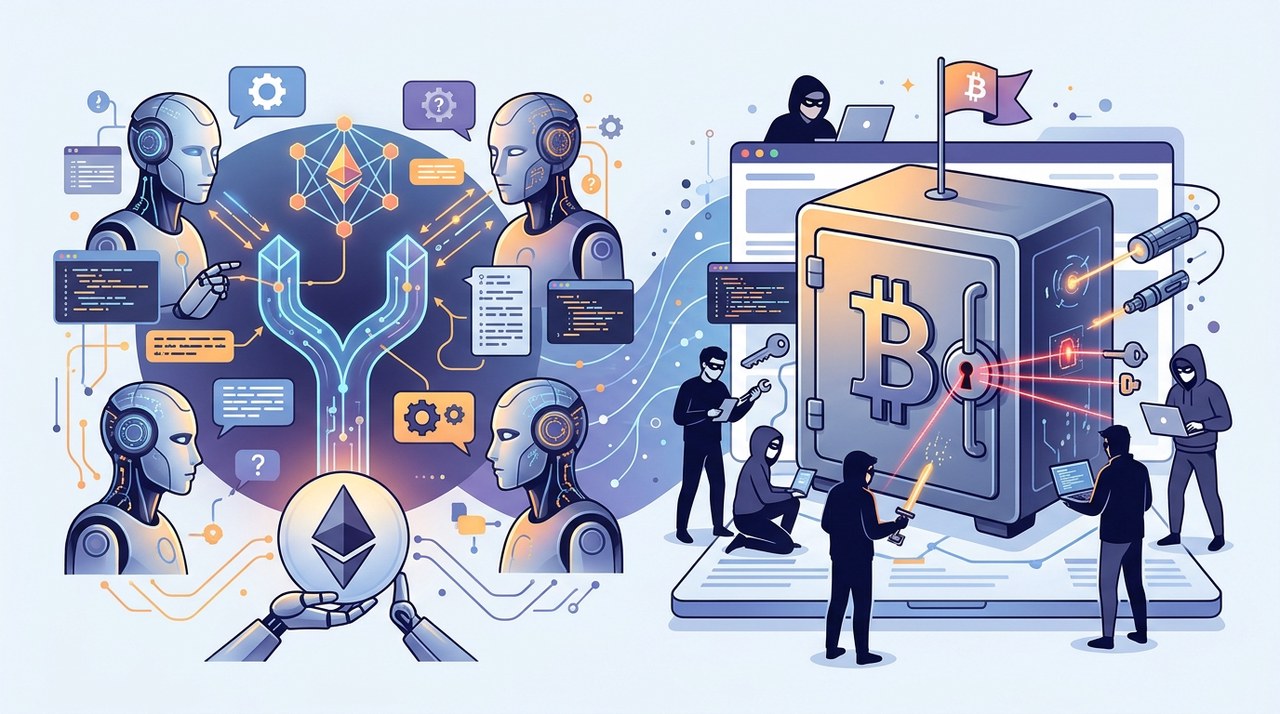


AI Agents Help Rescue Ethereum Fork as 'Steal My Bitcoin' Site Launches
Ethereum researchers deploy AI agent message boards to troubleshoot the Glamsterdam fork, while a new security site challenges hackers to steal its Bitcoin.
|
Bitcoin Hashrate Bounces Back to 1 ZH/s Milestone
Bitcoin's 7-day network hashrate reached 1 zettahash per second again as new efficient hardware offsets miner shifts into AI.
|
AI Data Center Delays Now Cost $5 Million a Day
Tech firms building AI infrastructure are imposing steep late penalties of up to $5 million per day as power grid shortages delay new data centers.