บทความ

news

Hawkish และ Dovish คืออะไร? ในโลกนโยบายการเงินแบบสหรัฐฯ

ในโลกของการลงทุนที่เต็มไปด้วยความผันผวน ปัจจัยที่ทรงอิทธิพลที่สุดต่อกระแสเงินไหลเข้าออกไม่ใช่เพียงแค่ข่าวสารรายวัน แต่คือทัศนคติของธนาคารกลางที่สะท้อนผ่านนโยบายการเงิน สองขั้วอำนาจนี้เปรียบเสมือนกระแสน้ำที่คอยหนุนหรือซัดพาลำเรือของนักลงทุน ซึ่งเรามักรู้จักกันในนามของ สายคุมเข้ม (Hawkish) และ สายผ่อนคลาย (Dovish) สายคุมเข้ม (Hawkish) Hawkish คือ ทัศนคติที่เน้นการใช้ความเข้มงวดทางการเงินเป็นที่ตั้ง เมื่อเศรษฐกิจส่งสัญญาณร้อนแรงจนเกินไป ราคาสินค้าพุ่งสูงจากภาวะเงินเฟ้อ ธนาคารกลางจะสวมบทบาทเป็นสายคุมเข้มนี้เพื่อรักษาเสถียรภาพของระบบ วัตถุประสงค์ ของสหรัฐฯ ในการใช้ Hawkish ธนาคารกลางสหรัฐฯ (Fed) จะงัดนโยบายนี้มาใช้เพื่อ “สกัดเงินเฟ้อ” และป้องกันไม่ให้เศรษฐกิจเกิดภาวะฟองสบู่ โดยเชื่อว่าเสถียรภาพด้านราคามีความสำคัญสูงสุดเหนือสิ่งอื่นใด ผลกระทบของนโยบาย Hawkish — ภายในประเทศ เครื่องมือหลักคือการขยับอัตราดอกเบี้ยให้สูงขึ้นและการดึงสภาพคล่องออกจากตลาด (QT) การขยับตัวเช่นนี้ส่งผลให้ต้นทุนการกู้ยืมพุ่งสูงขึ้น ภาคธุรกิจเริ่มชะลอการขยายตัว และผู้บริโภคระมัดระวังการใช้จ่ายเพื่อลดความร้อนแรงของอุปสงค์ — ต่างประเทศ ในขณะที่ดอกเบี้ยสูงขึ้น ค่าเงินดอลลาร์จะแข็งค่าขึ้นอย่างโดดเด่น ดึงดูดเม็ดเงินไหลเข้าสหรัฐฯ แต่อาจส่งผลกระทบต่อประเทศตลาดเกิดใหม่ที่ต้องเผชิญกับภาวะเงินทุนไหลออกและภาระหนี้สกุลดอลลาร์ที่เพิ่มขึ้น — สินทรัพย์เสี่ยง สำหรับตลาดหุ้นหรือคริปโตเคอร์เรนซี ท่าทีคุมเข้มเปรียบเสมือนการดึงสภาพคล่องกลับ ส่งผลให้นักลงทุนลดการถือครองสินทรัพย์ที่มีความเสี่ยงสูงเพื่อหันไปหาผลตอบแทนที่แน่นอนกว่าในตลาดพันธบัตร สายผ่อนคลาย (Dovish) ในทางกลับกัน Dovish คือทัศนคติที่เน้นการผ่อนคลายและการประนีประนอม โดยให้ความสำคัญกับการขยายตัวทางเศรษฐกิจและการจ้างงานมากกว่าการกังวลเรื่องเงินเฟ้อในระยะสั้น วัตถุประสงค์ของสหรัฐฯ ในการใช้ Dovish สหรัฐฯ จะใช้แนวทางนี้เมื่อเศรษฐกิจเริ่มซบเซา ตลาดแรงงานอ่อนแอ หรือเมื่อต้องการ “กระตุ้นการบริโภค” เพื่อป้องกันภาวะเศรษฐกิจถอยหลัง ผลกระทบของนโยบาย Dovish — ภายในประเทศ ธนาคารกลางจะใช้นโยบาย “ดอกเบี้ยต่ำ” และอาจมีการอัดฉีดสภาพคล่อง ทำให้ต้นทุนการกู้ยืมถูกลง กระตุ้นให้ภาคธุรกิจลงทุนจ้างงาน และจูงใจให้ภาคครัวเรือนออกมาใช้จ่ายมากขึ้น เป็นการ “เติมน้ำมัน” ให้เครื่องยนต์เศรษฐกิจกลับมาวิ่งต่อ — ต่างประเทศ เมื่อดอกเบี้ยต่ำ ค่าเงินดอลลาร์มักจะอ่อนค่าลง ทำให้นักลงทุนย้ายเงินออกจากดอลลาร์ไปหาแหล่งลงทุนที่ให้ผลตอบแทนสูงกว่าในต่างประเทศ ส่งผลดีต่อสภาพคล่องทั่วโลกและมักจะดันราคาสินค้าโภคภัณฑ์อย่างทองคำให้สูงขึ้น — สินทรัพย์เสี่ยง ตลาดหุ้นและคริปโตฯ มักจะเติบโตอย่างโดดเด่นภายใต้นโยบายนี้ เนื่องจากสภาพคล่องที่ล้นระบบทำให้นักลงทุนกล้าเสี่ยงมากขึ้นเพื่อหาผลตอบแทนที่สูงกว่าการฝากเงินที่ได้ดอกเบี้ยเพียงน้อยนิด เหตุผลที่เราต้องเกาะติดท่าทีของสหรัฐฯ ว่าจะเป็น Hawkish หรือ Dovish สรุปได้ว่า เมื่อสหรัฐฯ ส่งสัญญาณ Hawkish เพื่อดึงเงินกลับและขึ้นดอกเบี้ย มันจะเกิดแรงดึงดูดมหาศาลทำให้เงินทุนทั่วโลกไหลกลับไปซบตักดอลลาร์ ส่งผลให้เงินบาทเราอ่อนค่า สินค้านำเข้าและน้ำมันแพงขึ้นทันที ในทางกลับกันหากเป็น Dovish (สายพิราบ) ที่เน้นปล่อยเงินไหลสะดวกและลดดอกเบี้ย ดอลลาร์จะอ่อนค่าลง เปิดทางให้เม็ดเงินไหลเข้ามหาศาลมาเก็งกำไรในตลาดหุ้นและคริปโตฯ บ้านเราจนคึกคัก ดังนั้น การเฝ้าดูท่าทีของ Fed ผ่านนโยบายการเงินจึงไม่ใช่เรื่องไกลตัว แต่คือการอ่าน “ทิศทางลมของเงินโลก” ว่าจะไหลเข้าหรือไหลออก ซึ่งส่งผลกระทบโดยตรงต่อราคาสินค้า ดอกเบี้ยเงินกู้ และกำไรในพอร์ตการลงทุนของเราอย่างหลีกเลี่ยงไม่ได้ครับ อ้างอิง : นโยบายการเงินแบบ Hawkish คืออะไร? และส่งผลต่อเศรษฐกิจอย่างไร? , Dovish vs. Hawkish: Key Monetary Policy Differences — — — — — — — — — — — — — — — — — ​​ — คริปโทเคอร์เรนซีและโทเคนดิจิทัลมีความเสี่ยงสูง ท่านอาจสูญเสียเงินลงทุนได้ทั้งจํานวน โปรดศึกษาและลงทุนให้เหมาะสมกับระดับความเสี่ยงที่ยอมรับได้ — ผลตอบแทนของสินทรัพย์ดิจิทัลในอดีตหรือผลการดําเนินงานในอดีต มิได้เป็นสิ่งยืนยันถึงผลตอบแทน ของสินทรัพย์ดิจิทัลหรือผลการดําเนินงานในอนาคต — — — — — — — — — — — — — — — — — หากคุณยังเป็นมือใหม่ ค้นหาข้อมูลเพิ่มเติมได้ในบทความ “แหล่งความรู้ มือใหม่หัดเทรดคริปโต เริ่มต้นที่นี่” แล้วมาเริ่มต้นเทรดได้วันนี้ที่ Bitkub Exchange → คลิกสมัครเลย — — — — — — — — — — — — — — — — — What are Hawkish and Dovish? In the World of U.S. Monetary Policy In the volatile world of investing, the most influential factor driving capital flows isn’t just the daily news cycle, but the stance of central banks reflected through monetary policy. These two opposing forces act like currents that either buoy or batter an investor’s ship, commonly known as Hawkish and Dovish. Hawkish Hawkish refers to an attitude that prioritizes monetary policy tightening. When the economy shows signs of overheating and commodity prices surge due to inflation, the central bank will adopt this “Hawkish” stance to maintain systemic stability. Objectives: The U.S. Federal Reserve (Fed) employs this policy to “curb inflation” and prevent economic bubbles. This approach is rooted in the belief that price stability is the highest priority above all else. Impact of Hawkish Policy — Domestic: The primary tools include raising interest rates and withdrawing market liquidity through Quantitative Tightening (QT). Such moves result in soaring borrowing costs; businesses begin to slow down expansion, and consumers become more cautious with spending to cool down aggregate demand. — International: As interest rates rise, the U.S. Dollar strengthens significantly, attracting capital inflows into the United States. However, this may impact emerging markets, which face capital outflows and an increased burden on dollar-denominated debt. — Risk Assets: For the stock or cryptocurrency markets, a hawkish stance is akin to draining liquidity. Consequently, investors reduce their holdings in high-risk assets to seek more certain returns in the bond market. Dovish Dovish refers to an attitude that emphasizes easing and compromise, prioritizing economic growth and employment over short-term inflationary concerns. Objectives: The United States employs this approach when the economy begins to stagnate, the labor market weakens, or when there is a need to “stimulate consumption” to prevent an economic recession. Impact of Dovish Policy — Domestic: The central bank implements “low-interest rate” policies and may inject liquidity, making borrowing costs cheaper. This encourages businesses to invest and hire, while incentivizing households to spend more — effectively “refueling” the economic engine to keep it running. — International: When interest rates are low, the U.S. Dollar tends to weaken. This prompts investors to move capital out of the dollar in search of higher returns abroad, which boosts global liquidity and often drives up the prices of commodities like gold. — Risk Assets: Stock and cryptocurrency markets typically experience significant growth under this policy. The excess liquidity in the system encourages investors to take more risks in pursuit of higher returns compared to the minimal interest earned from bank deposits. Summary - Why We Must Closely Monitor a Hawkish or Dovish U.S. Stance When the U.S. signals a Hawkish stance to withdraw liquidity and raise interest rates, it creates a massive gravitational pull, causing global capital to flow back to the dollar. This results in a weaker Thai Baht, immediately making imported goods and oil more expensive. Conversely, a Dovish stance — which emphasizes free-flowing liquidity and rate cuts — weakens the dollar, opening the door for massive capital inflows to speculate in our local stock and crypto markets, creating a vibrant atmosphere. Therefore, monitoring the Fed’s stance through monetary policy is not a distant matter; it is about reading the “global financial wind direction” to see whether capital will flow in or out. This inevitably has a direct impact on commodity prices, loan interest rates, and the profits within our investment portfolios. References: What is a Hawkish Monetary Policy? And How Does it Affect the Economy? , Dovish vs. Hawkish: Key Monetary Policy Differences — — — — — — — — — — — Cryptocurrency and digital tokens involve high risks; investors may lose all investment money and should study information carefully and make investments according to their own risk profile. — Past Returns does not guarantee future returns/performance. — — — — — — — — — — Start your crypto trading journey today! If you’re new to the space, get all the information you need in our guide, “Crypto Trading for Beginners: Start Here.” Ready to trade? Sign up now on Bitkub Exchange → Click to register! — — — — — — — — — — Hawkish และ Dovish คืออะไร? ในโลกนโยบายการเงินแบบสหรัฐฯ was originally published in Bitkub.com on Medium, where people are continuing the conversation by highlighting and responding to this story.
ผู้เขียน: Fah Chayanit | 21 เม.ย. 69 |อ่าน: 151
news

Aspecta โครงสร้างพื้นฐาน AI สำหรับสร้างชื่อเสียงและสภาพคล่องใน Web3

Aspecta (ASP) คืออะไร? Aspecta (ASP) คือโครงการโครงสร้างพื้นฐานบล็อกเชนที่ผสมผสาน ปัญญาประดิษฐ์ (AI) เพื่อสร้างระบบตัวตนแบบกระจายอำนาจ (Decentralized Identity) และกลไกค้นหาราคาสำหรับ Web3 ภารกิจหลักคือการ ปลดล็อกสภาพคล่อง ให้กับสินทรัพย์ที่เคยซบเซาและขาดสภาพคล่องจำนวนมหาศาล เช่น ส่วนแบ่งก่อนการเปิดตัวโทเคน (pre-TGE shares), โทเคนติดล็อก หรือสินทรัพย์ในโลกจริง (RWAs) โดยการแปลงสินทรัพย์เหล่านี้ให้เป็นใบรับรองที่สามารถซื้อขายได้ผ่านระบบ BuildKey และในขณะเดียวกันก็สร้างความน่าเชื่อถือผ่านระบบยืนยันตัวตน Aspecta ID คุณสมบัติและเทคโนโลยีที่โดดเด่นของ Aspecta โครงสร้างพื้นฐานของ Aspecta ประกอบด้วยสองผลิตภัณฑ์หลักที่เกื้อหนุนกัน Aspecta ID (ระบบชื่อเสียงที่สร้างโดย AI): ทำหน้าที่เป็น หนังสือเดินทางดิจิทัล ของคุณ โดยใช้ AI วิเคราะห์กิจกรรมของคุณจากทั้งโลก Web2 (เช่น การมีส่วนร่วมใน GitHub) และโลก Web3 (เช่น กิจกรรมบนบล็อกเชน) เพื่อสร้าง คะแนนชื่อเสียงที่ตรวจสอบได้ ซึ่งเรียกว่า “Build Matrix” คะแนนนี้ช่วยให้ผู้ใช้พิสูจน์ความน่าเชื่อถือโดยไม่ต้องพึ่งพาสถาบันตัวกลาง BuildKey (กลไกสภาพคล่อง): คือนวัตกรรมสำคัญที่เปลี่ยนสินทรัพย์ที่ขาดสภาพคล่อง ให้กลายเป็นใบรับรองคล้ายโทเคน ERC-20 ที่สามารถซื้อขายได้ BuildKey ใช้ กลไก Bonding-Curve เพื่ออำนวยความสะดวกในการค้นหาราคาที่โปร่งใส ทำให้สินทรัพย์เหล่านี้ถูกนำมาซื้อขายบนเชนได้ก่อนการเปิดตัวอย่างเป็นทางการ ช่วยให้เกิด สภาพคล่องในช่วงแรก และลดช่องว่างด้านราคาเมื่อเข้าสู่ตลาด ผู้ก่อตั้งและทีมงาน Aspecta เริ่มต้นด้วยโครงการบ่มเพาะ จาก Tsai Center for Innovative Thinking ที่มหาวิทยาลัยเยล (Yale University) โดยมี Jack He เป็นผู้ร่วมก่อตั้ง (Co-founder) ทีมงานหลักมีความเชี่ยวชาญอย่างสูงด้าน AI และวิทยาการคอมพิวเตอร์ ซึ่งรวมถึง ดร. สตีฟ หลิว (Dr. Steve Liu) อดีตหัวหน้านักวิทยาศาสตร์ของ Tinder ซึ่งปัจจุบันดำรงตำแหน่งหัวหน้านักวิทยาศาสตร์ (Chief Scientist) ของ Aspecta ประสบการณ์ของทีมงานในด้าน AI นี้มีความสำคัญอย่างยิ่งต่อการพัฒนาระบบชื่อเสียงของแพลตฟอร์ม ความเป็นมาของทีมงานพัฒนา Aspecta โครงการ Aspecta มีรากฐานที่มั่นคงและไม่ได้เริ่มต้นจากศูนย์ โดยได้รับการ บ่มเพาะในปี 2022 ที่ Tsai CITY (Tsai Center for Innovative Thinking at Yale) ณ มหาวิทยาลัยเยล (Yale University) ทีมงานหลักประกอบด้วยผู้เชี่ยวชาญที่จบการศึกษาจากสถาบันชั้นนำระดับโลก รวมถึง เยล (Yale), ชิงหวา (Tsinghua), เบิร์กลีย์ (Berkeley), และ แมคกิลล์ (McGill) พวกเขามีผลงานวิจัยและสิทธิบัตรมากมายในด้าน ปัญญาประดิษฐ์ (AI) และ Graph Learning ผู้ก่อตั้งและผู้นำหลัก — Chief Scientist (หัวหน้านักวิทยาศาสตร์): Steve Liu (อดีตหัวหน้านักวิทยาศาสตร์ของ Tinder และเป็น Fellow ของสถาบันวิศวกรรมศาสตร์แห่งแคนาดา) — Co-founder (ผู้ร่วมก่อตั้ง): Jack He — ทีมงานหลัก: ยังรวมถึงวิศวกรอาวุโสและผู้นำด้านการเติบโตที่มีประสบการณ์ เช่น Jane Yang โทเคน ASP คืออะไร? โทเคน ASP เป็น native token ของระบบนิเวศ Aspecta ส่งเสริมโครงสร้างพื้นฐานการค้นพบราคาแบบออนเชนสากลและอำนวยความสะดวกให้กับเศรษฐกิจแบบเปิด (open economy) สำหรับสินทรัพย์ที่ไม่มีสภาพคล่องนับล้านล้านรายการ Tokenomics และการจัดสรรโทเคน Aspecta มีการจัดสรรโทเคนอย่างเป็นระบบเพื่อส่งเสริมการเติบโตในระยะยาวและการมีส่วนร่วมของชุมชน — อุปทานรวม (Total Supply): 1,000,000,000 ASP — อุปทานหมุนเวียนเริ่มต้น (Initial Circulating Supply): 230,000,000 ASP (23% เมื่อเปิดตัว) การจัดสรรโทเคนหลักมีดังนี้: — ชุมชนและระบบนิเวศ 45% เพื่อสร้างแรงจูงใจในการเติบโตแบบกระจายอำนาจ การให้รางวัล และ Airdrop — ผู้สนับสนุน (Backers) 20% จัดสรรให้กับนักลงทุนรายแรกและนักลงทุนเชิงกลยุทธ์ โดยมีกำหนดการติดล็อก (Vesting) ที่เข้มงวด — Foundation 17% สนับสนุนการดำเนินงานและโครงสร้างพื้นฐานของโครงการในระยะยาว — ผู้มีส่วนร่วมช่วงเริ่มต้น 15% ให้รางวัลแก่ทีมผู้ก่อตั้งและผู้พัฒนาในช่วงแรก โดยมีกำหนดการติดล็อก — อื่น ๆ (สภาพคล่อง/TGE) 3%สำหรับการจัดหาสภาพคล่องเริ่มต้นและการเปิดตัวโทเคน การจัดสรรสัดส่วนที่สูงให้กับชุมชนและระบบนิเวศสะท้อนให้เห็นถึงความมุ่งมั่นของ Aspecta ที่จะสร้างแพลตฟอร์มที่ขับเคลื่อนด้วยผู้ใช้งานจริง ข้อมูลน่าสนใจด้านราคาของ ASP ข้อมูลจากเว็บไซต์ CoinMarketCap เมื่อวันที่ 20 เม.ย. 2026 เหรียญ ASP มีมูลค่าตามราคาตลาด (Market cap) ที่ 7,742,807.14 ดอลลาร์สหรัฐฯ หรือประมาณ 248,540,237.79 บาท ณ เวลาที่เขียนบทความนี้ เหรียญ ASP ซื้อขายกันอยู่ที่ราคาประมาณ 0.02527 ดอลลาร์ หรือประมาณ 0.08117 บาทต่อ 1 ASPโดย ASP เคยทำราคาสูงสุด (All-time high) ที่ 0.5884 ดอลลาร์ หรือประมาณ18.88 บาท ต่อ 1 ASP เมื่อวันที่ 24 กรกฎาคม 2025 เช็กราคาเหรียญได้ที่ bitkub.com อ้างอิง: Asprcta, CoinMarketCap — — — — — — — — — — คำเตือน: -คริปโทเคอร์เรนซีและโทเคนดิจิทัลมีความเสี่ยงสูง ท่านอาจสูญเสียเงินลงทุนได้ทั้งจํานวน โปรดศึกษาและลงทุนให้เหมาะสมกับระดับความเสี่ยงที่ยอมรับได้ -ผลตอบแทนของสินทรัพย์ดิจิทัลในอดีตหรือผลการดําเนินงานในอดีต มิได้เป็นสิ่งยืนยันถึงผลตอบแทน ของสินทรัพย์ดิจิทัลหรือผลการดําเนินงานในอนาคต — — — — — — — — — — หากคุณยังเป็นมือใหม่ ค้นหาข้อมูลเพิ่มเติมได้ในบทความ “แหล่งความรู้ มือใหม่หัดเทรดคริปโต เริ่มต้นที่นี่” แล้วมาเริ่มต้นเทรดได้วันนี้ที่ Bitkub Exchange → คลิกสมัครเลย — — — — — — — — — — Aspecta: The Core AI Layer for Web3 Trust, Liquidity, and Fair Price Discovery What is Aspecta (ASP)? Aspecta (ASP) is a cutting-edge blockchain infrastructure project that seamlessly blends Artificial Intelligence (AI) with decentralized finance (DeFi). Aspecta’s primary goal is to solve two critical problems in Web3: the lack of a reliable decentralized identity (DID) system and the challenge of accessing liquidity for illiquid assets. By leveraging AI, Aspecta aims to unlock liquidity for trillions in untapped assets like Real-World Assets (RWAs), pre-TGE tokens, and NFTs. Key Features: AI, Reputation, and Asset Liquidity Aspecta’s core value proposition is delivered through two interconnected technologies, optimized around key search terms: 1. Aspecta ID: AI-Powered On-Chain Reputation Score The Aspecta ID system serves as a verifiable digital passport for builders and users. It utilizes advanced AI algorithms to analyze and aggregate activity from both Web2 (e.g., GitHub, social contributions) and Web3 (on-chain transactions). This process generates a robust on-chain reputation score (“Build Matrix”), enabling users to prove credibility and trustworthiness without needing centralized verification. For developers and teams, this is crucial for securing funding and partnerships. 2. BuildKey Mechanism: Price Discovery for Illiquid Assets BuildKey is Aspecta’s innovative solution for illiquid asset trading. It converts traditionally untradable assets (like early-stage project tokens or tokenized RWAs) into tradable, ERC-20-like credentials. By implementing the Bonding-Curve Mechanism, BuildKey ensures fair price discovery and creates an initial secondary market for these assets, effectively providing early liquidity that was previously unavailable. Team Background and Credibility Aspecta was incubated at Yale University’s Tsai CITY in 2022. The project is led by a credible team of experts from top-tier institutions (Yale, Berkeley, Tsinghua), including former Tinder Chief Scientist Steve Liu, who serves as Chief Scientist. This strong foundation in AI and Graph Learning reinforces Aspecta’s technical credibility in developing cutting-edge blockchain solutions. What is the ASP Token? The ASP token is the native utility and governance token of the Aspecta ecosystem. It powers the universal on-chain price discovery infrastructure and facilitates an open economy for trillions in illiquid assets. Tokenomics and Token Allocation Aspecta utilizes a systematic token allocation model to promote long-term growth and community participation. Total Supply: 1,000,000,000 ASP Initial Circulating Supply: 230,000,000 ASP (23% at launch) Primary Token Allocation - Community & Ecosystem: 45% — To incentivize decentralized growth, rewards, and Airdrops. - Backers: 20% — Allocated to early and strategic investors, subject to stringent vesting schedules. - Foundation: 17% — Supports project operation and infrastructure sustainability in the long term. - Early Contributors: 15% — Rewards the founding team and early developers, subject to vesting. - Other (Liquidity/TGE): 3% -For providing initial liquidity and the Token Generation Event (TGE). The high allocation to the Community and Ecosystem reflects Aspecta’s commitment to building a user-driven platform. ASP Price Data Highlights According to data from CoinMarketCap as of April 20, 2026, the ASP coin holds a market capitalization of $7,742,807.14 USD, which is approximately 248,540,237.79 THB. At the time of writing, ASP is trading at a price of approximately $0.02527 USD or about 0.81117 THB per token. Historically, ASP reached its all-time high of $0.5884 USD, equivalent to roughly 18.88 THB, on July 24, 2025. Check real-time cryptocurrency prices today at bitkub.com bitkub.com Reference: Asprcta, CoinMarketCap — — — — — — — — — — Disclaimer: - Cryptocurrency and digital tokens involve high risks; investors may lose all investment money and should study information carefully and make investments according to their own risk profile. -Past Returns does not guarantee future returns/performance. — — — — — — — — — — Start your crypto trading journey today! If you’re new to the space, get all the information you need in our guide, “Crypto Trading for Beginners: Start Here.” Ready to trade? Sign up now on Bitkub Exchange → Click to register! — — — — — — — — — — Aspecta โครงสร้างพื้นฐาน AI สำหรับสร้างชื่อเสียงและสภาพคล่องใน Web3 was originally published in Bitkub.com on Medium, where people are continuing the conversation by highlighting and responding to this story.

ผู้เขียน: Napisa Wisuttipun | 20 เม.ย. 69 |อ่าน: 99
news

เก็บเงินสด VS เงินลงทุน แบบไหนดีกว่ากัน? สรุปข้อดี-ข้อเสียฉบับมือใหม่

หลายคนอาจสงสัยว่า ทำไมเราควรเข้าใจความแตกต่างระหว่าง “การเก็บเงินสด” กับ “การนำเงินไปลงทุน” เพราะถ้าหากเราวางเงินไว้ผิดที่ อาจเป็นการปิดกั้นโอกาสให้เงินงอกเงย หรืออาจทำให้มูลค่าของเงินค่อย ๆ ลดลงโดยที่เราไม่รู้ตัว การรู้ข้อดีและข้อเสียของเงินทั้งสองรูปแบบ จะเป็นเหมือนเข็มทิศที่ช่วยให้เราออกแบบแผนการเงินที่ทั้ง “ปลอดภัย” เมื่อเกิดเหตุฉุกเฉิน และ “เติบโต” ได้ในอนาคต การถือครองเงินสด (Cash Holding) ข้อดี มูลค่าของเงินสดไม่เปลี่ยนแปลง ซึ่งอาจจะไม่ได้รับผลกระทบจากความผันผวนของตลาดทุนหรือตลาดสินทรัพย์ดิจิทัล โดยมีข้อได้เปรียบสูงสุดคือ “สภาพคล่อง” ที่สามารถนำไปใช้จ่ายสินค้า บริการ หรือชำระหนี้ได้ทันทีตามกฎหมาย จึงเหมาะสม อย่างยิ่งสำหรับการจัดเตรียมเป็นเงินสำรองฉุกเฉินเพื่อรองรับเหตุการณ์ที่ไม่คาดฝัน ข้อเสีย ความเสี่ยงหลักของเงินสด คือ “สภาวะเงินเฟ้อ” (Inflation) เมื่อระดับราคาสินค้าในท้องตลาดปรับตัวสูงขึ้น อำนาจการซื้อของเงินจำนวนเดิมจะลดลง แม้ข้อมูลจาก TPSO จะระบุว่า อัตราเงินเฟ้อทั่วไปของเดือนมีนาคม 2569 ลดลง 0.08% แต่เมื่อเข้าไตรมาสที่ 2 ของปีนี้ มีแนวโน้มที่จะเพิ่มขึ้นเป็น 1.5% — 2.5% ซึ่งแสดงถึงความเสี่ยงของสถาวะเงินเฟ้อที่อาจจะเกิดขึ้นได้ นอกจากนี้ ด้วยสภาพคล่องที่สูงและการเข้าถึงที่ง่ายดาย อาจส่งผลให้ผู้ถือเงินสดขาดวินัยและเกิดพฤติกรรมการใช้จ่ายเกินความจำเป็นได้ การนำเงินไปลงทุน (Investment) “การกระจายเงินทุน” (Asset Allocation) คือ การจัดสรรเงินลงทุนไปในสินทรัพย์ที่หลากหลายประเภทให้สอดคล้องกับเป้าหมาย ระดับความเสี่ยงที่ยอมรับได้ และระยะเวลาการลงทุน หากนักลงทุนสามารถจัดสัดส่วนได้อย่างเหมาะสม วิธีนี้จะช่วยกระจายและลดความเสี่ยงโดยรวมได้อย่างมีประสิทธิภาพ ข้อดี การลงทุน คือ กลไกสำคัญในการสร้างความมั่งคั่ง และปกป้องเงินทุนจากสภาวะเงินเฟ้อ ผ่านผลตอบแทนในรูปแบบต่าง ๆ เช่น ดอกเบี้ย เงินปันผล หรือส่วนต่างราคา ยิ่งมีระยะเวลาการลงทุนที่ยาวนาน โอกาสที่จะได้ “ผลตอบแทนทบต้น” (Compound Interest) จะยิ่งทวีคูณมูลค่า ข้อเสีย มูลค่าของสินทรัพย์การลงทุนมีความผันผวนตามปัจจัยทางเศรษฐกิจและกลไกตลาด ทำให้อาจเผชิญสภาวะขาดทุนได้ในบางช่วงเวลา นอกจากนี้ สินทรัพย์การลงทุนหลายประเภทจำเป็นต้องใช้ระยะเวลาในการแปลงสภาพกลับมาเป็นเงินสด จึงไม่ตอบโจทย์สำหรับการใช้จ่ายแบบเร่งด่วน สรุป การบริหารเงินที่มีประสิทธิภาพที่สุดไม่ใช่การเลือกถือครองเพียง “เงินสด” หรือทุ่มไปกับ “การลงทุน” อย่างใดอย่างหนึ่ง แต่คือการสร้างสมดุลระหว่างสองสิ่งนี้ เงินสดเปรียบเสมือน “เกราะป้องกัน” ที่มอบความอุ่นใจและสภาพคล่องในยามวิกฤต ในขณะที่การลงทุนเปรียบเสมือน “เครื่องยนต์” ที่ช่วยขับเคลื่อนเงินทุนของคุณให้เติบโต และสามารถสร้างความมั่งคงได้ โดยมี “การจัดสรรสินทรัพย์” (Asset Allocation) เป็นกุญแจสำคัญที่จะนำไปสู่ความสำเร็จทางการเงิน เพื่อสร้างรากฐานที่ทั้ง “ปลอดภัย” ในวันนี้ และ “เติบโต” อย่างยั่งยืนในอนาคต อ้างอิง: Krungsri The COACH — ถือเงินสดไว้ หรือเอาไปลงทุน แบบไหนดีกว่ากันนะ?, Krungsri The COACH — รู้จัก Asset Allocation และ Rebalancing กับเทคนิคปรับพอร์ตสู้ตลาดผันผวน, TPSO — — — — — — — — — — คำเตือน: -คริปโทเคอร์เรนซีและโทเคนดิจิทัลมีความเสี่ยงสูง ท่านอาจสูญเสียเงินลงทุนได้ทั้งจํานวน โปรดศึกษาและลงทุนให้เหมาะสมกับระดับความเสี่ยงที่ยอมรับได้ -ผลตอบแทนของสินทรัพย์ดิจิทัลในอดีตหรือผลการดําเนินงานในอดีต มิได้เป็นสิ่งยืนยันถึงผลตอบแทน ของสินทรัพย์ดิจิทัลหรือผลการดําเนินงานในอนาคต — — — — — — — — — — หากคุณยังเป็นมือใหม่ ค้นหาข้อมูลเพิ่มเติมได้ในบทความ “แหล่งความรู้ มือใหม่หัดเทรดคริปโต เริ่มต้นที่นี่” แล้วมาเริ่มต้นเทรดได้วันนี้ที่ Bitkub Exchange → คลิกสมัครเลย — — — — — — — — — — Should You Save Cash or Invest? Pros and Cons Explained for Beginners Most people think saving and investing are the same thing, but they’re actually worlds apart. If you’re just letting your money sit in the wrong place, you’re not just missing out on growth — you’re actually watching its value slip away without even knowing it. Think of this as your financial GPS: we’re going to weigh the pros and cons so you can stay safe for a rainy day while still letting your money work hard for your future. Save Cash — Pros: The value of cash remains unchanged and is generally unaffected by the volatility of capital markets or digital asset markets. Its greatest advantage is “liquidity,” meaning it can be immediately used to pay for goods, services, or settle debts. Therefore, it is highly suitable for preparing an emergency fund to handle unexpected events. — Cons: The main risk of holding cash is “inflation.” When the general price level of goods in the market rises, the purchasing power of the same amount of money decreases. Although data from the Trade Policy and Strategy Office (TPSO) indicates that the headline inflation rate for March 2026 decreased by 0.08%, it is expected to rise to 1.5% — 2.5% as we enter the second quarter of this year, highlighting the potential risk of inflation. Additionally, high liquidity and easy access might lead cash holders to lack financial discipline and overspend unnecessarily. Investment “Asset Allocation” is the strategy of distributing investment funds across various asset classes to align with your financial goals, risk tolerance, and investment horizon. If investors can appropriately balance this proportion, this method effectively helps diversify and reduce overall risk. — Pros: Investing is a crucial mechanism for building wealth and protecting capital from inflation through various forms of returns, such as interest, dividends, or capital gains. The longer the investment horizon, the higher the chance of generating “compound interest,” which exponentially multiplies the value of your money. — Cons: The value of investment assets fluctuates based on economic factors and market mechanisms, meaning you may face losses during certain periods. Moreover, many types of investment assets require time to be liquidated or converted back into cash, making them unsuitable for urgent spending needs. Conclusion Managing your money isn’t an ‘either-or’ situation. You don’t have to choose between keeping cash and going all-in on the market; it’s all about finding that sweet spot between the two. Think of your cash as your shield. It’s there to keep you safe when life gets messy. Investing, on the other hand, is your growth engine. The secret sauce is Asset Allocation. It’s just a fancy way of saying: build a setup that keeps you sleeping soundly tonight while your wealth builds for tomorrow. References: Krungsri The COACH — ถือเงินสดไว้ หรือเอาไปลงทุน แบบไหนดีกว่ากันนะ?, Krungsri The COACH — รู้จัก Asset Allocation และ Rebalancing กับเทคนิคปรับพอร์ตสู้ตลาดผันผวน, TPSO — — — — — — — — — — Disclaimer: - Cryptocurrency and digital tokens involve high risks; investors may lose all investment money and should study information carefully and make investments according to their own risk profile. -Past Returns does not guarantee future returns/performance. — — — — — — — — — — Start your crypto trading journey today! If you’re new to the space, get all the information you need in our guide, “Crypto Trading for Beginners: Start Here.” Ready to trade? Sign up now on Bitkub Exchange → Click to register! — — — — — — — — — — เก็บเงินสด VS เงินลงทุน แบบไหนดีกว่ากัน? สรุปข้อดี-ข้อเสียฉบับมือใหม่ was originally published in Bitkub.com on Medium, where people are continuing the conversation by highlighting and responding to this story.
ผู้เขียน: Kaow Decharthon | 17 เม.ย. 69 |อ่าน: 804
news

Hyperliquid (HYPE) Layer-1 สายพันธุ์ใหม่ ผู้กำหนดนิยามความเร็วให้ DEX

Hyperliquid ได้ก้าวเข้ามามีบทบาทสำคัญในโลกการเงินแบบกระจายอำนาจ (DeFi) อย่างรวดเร็ว โดยเฉพาะการสร้างแพลตฟอร์มเทรด Perpetual Futures แบบ Non-custodial (ผู้ใช้ถือสินทรัพย์เอง) ที่เร็วเป็นพิเศษ ซึ่งถูกออกแบบมาเพื่อแก้โจทย์ที่ยากที่สุดของการเทรด DeFi คือ การต้องเลือกระหว่างการกระจายอำนาจ กับความเร็วและประสบการณ์ผู้ใช้ หากคุณเป็นผู้ที่ชื่นชอบคริปโตและเคยหงุดหงิดกับกระดานเทรดแบบกระจายศูนย์ (DEX) ที่ช้า ค่าธรรมเนียมแพง หรือใช้งานยาก Hyperliquid คือโปรเจกต์ที่คุณควรศึกษาอย่างเจาะลึก Hyperliquid คืออะไร? แพลตฟอร์มเทรดสัญญาซื้อขายล่วงหน้าแบบไม่มีวันหมดอายุ (Perpetual Futures) บนระบบกระจายอำนาจ (DEX) ที่สร้างขึ้นบนบล็อกเชน Layer-1 ของตัวเองที่ชื่อว่า Hyperliquid Chain เพื่อมอบความเร็วและความลื่นไหลในการใช้งานเทียบเท่ากับกระดานเทรดแบบรวมศูนย์ (CEX) โดยมีจุดเด่นที่ระบบสมุดคำสั่งซื้อขาย (Order Book) แบบ On-chain ทั้งหมด ซึ่งช่วยให้ทุกธุรกรรมมีความโปร่งใส ตรวจสอบได้ และผู้ใช้ยังคงเป็นเจ้าของสินทรัพย์ด้วยตนเองอย่างสมบูรณ์ (Non-custodial) ก้าวข้ามขีดจำกัดเดิม ๆ ของ DeFi ที่มักประสบปัญหาความล่าช้าและค่าธรรมเนียมสูง คุณสมบัติและเทคโนโลยีที่โดดเด่น นวัตกรรมหลักของ Hyperliquid คือการไม่พึ่งพาบล็อกเชนอเนกประสงค์ที่มีอยู่แล้วอย่าง Ethereum หรือ Solana แต่เลือกที่จะทำงานบนบล็อกเชน Layer-1 ของตัวเองที่ชื่อว่า Hyperliquid Chain – สมุดคำสั่งซื้อขายแบบ On-Chain เต็มรูปแบบ (Fully On-Chain Order Book): ต่างจาก DEX หลายแห่งที่ใช้ระบบ Automated Market Makers (AMM) หรือโมเดลไฮบริดแบบ Off-chain แต่ Hyperliquid ใช้สมุดคำสั่งซื้อขายแบบดั้งเดิมที่อยู่บนบล็อกเชนทั้งหมด ทำให้มั่นใจได้ว่าทุกการเทรด ทุกคำสั่งซื้อ และทุกการชำระบัญชี (Liquidation) มีความโปร่งใสและตรวจสอบได้บนบล็อกเชน – กลไกฉันทามติ HyperBFT: ตัวเชนใช้กลไกที่สร้างขึ้นเองเรียกว่า HyperBFT (ได้รับแรงบันดาลใจจาก HotStuff) ซึ่งปรับแต่งมาเพื่อความเร็วสูงสุด สถาปัตยกรรมนี้ช่วยให้ Hyperliquid สามารถยืนยันธุรกรรมได้ภายในเวลาไม่ถึงวินาที (Sub-second finality) และรองรับคำสั่งซื้อได้สูงถึง 200,000 รายการต่อวินาที มอบประสิทธิภาพการทำงานที่ทัดเทียมกับกระดานเทรดแบบรวมศูนย์ (CEX) ชั้นนำ ผู้ก่อตั้ง Jeff Yan จากอัจฉริยะฟิสิกส์ สู่สถาปนิกผู้สร้าง Hyperliquid ในโลกคริปโตที่เต็มไปด้วยการตลาดและอินฟลูเอนเซอร์ Jeff Yan คือข้อยกเว้นที่น่าสนใจ เขาเป็นผู้ก่อตั้ง Hyperliquid ที่แทบไม่ปรากฏตัวในสื่อ เส้นทางของ Jeff เริ่มต้นจากความอัจฉริยะระดับโลก เขาคือเด็กหนุ่มจากย่าน Silicon Valley ที่คว้า เหรียญทองฟิสิกส์โอลิมปิก และเรียนจบด้านคณิตศาสตร์และคอมพิวเตอร์จาก Harvard หลังจากนั้นเขาได้ก้าวเข้าสู่โลกการเงินระดับสูงที่ Hudson River Trading (HRT) บริษัทเทรดความถี่สูงชั้นนำของโลก ที่นี่เองที่เขาได้ฝึกฝนการสร้างระบบเทรดที่ต้อง “เร็วระดับไมโครวินาที” ซึ่งกลายเป็นรากฐานสำคัญของ Hyperliquid ในเวลาต่อมา จุดเปลี่ยนสำคัญเกิดขึ้นหลังวิกฤตการล่มสลายของ FTX เมื่อปี 2022 Jeff มองเห็นจุดอ่อนของกระดานเทรดแบบรวมศูนย์ที่ขาดความโปร่งใส เขาจึงตัดสินใจสร้างกระดานเทรดในฝัน ที่รวมเอาความเร็วแบบโลกการเงินดั้งเดิม เข้ากับความปลอดภัยแบบบล็อกเชน ที่ปฏิเสธเงินทุนจาก VC เพราะเขาต้องการให้โปรโตคอลนี้เป็นของชุมชนอย่างแท้จริง ไม่ใช่ของเหล่านักลงทุนที่จ้องจะเก็งกำไร ความน่าทึ่งของ Jeff คือการบริหารจักรวรรดิเทรดที่มีวอลลุ่มระดับล้านล้านดอลลาร์ด้วย ทีมงานเพียง 10 คน เขาเชื่อในการทำน้อยแต่ได้มาก และให้ความสำคัญกับประสิทธิภาพของระบบเหนือสิ่งอื่นใด จนทำให้ Hyperliquid กลายเป็นดาวรุ่งที่มียอดค่าธรรมเนียมแซงหน้ายักษ์ใหญ่อย่าง Ethereum และ Solana ได้ในที่สุด โทเคน HYPE คืออะไร ? HYPE คือ Native Token ของระบบนิเวศ Hyperliquid มีหน้าที่หลักในการปรับแรงจูงใจให้สอดคล้องกันและใช้ในการบริหารแพลตฟอร์ม — การกำกับดูแล (Governance): ผู้ถือ HYPE มีสิทธิ์เสนอและลงคะแนนในตัดสินใจสำคัญของโปรโตคอล เช่น โครงสร้างค่าธรรมเนียมและการอัปเกรดในอนาคต — การ Stake: ผู้ใช้สามารถนำ HYPE ไป Stake เพื่อมีส่วนร่วมในการรักษาความปลอดภัยของเครือข่าย และมีโอกาสได้รับส่วนแบ่งจากรายได้ของโปรโตคอล — ค่าธรรมเนียม Gas: โทเคน HYPE นี้ใช้สำหรับจ่ายค่าธรรมเนียมธุรกรรมบน Hyperliquid Chain การจัดสรรโทเคน (Token Allocations) โทเคน HYPE มีอุปทานสูงสุดที่ 1,000,000,000 HYPE โดยการกระจายโทเคนของ HYPE ให้ความสำคัญกับชุมชนและความยั่งยืนในระยะยาวของเครือข่ายเป็นหลัก โดยมีรายละเอียดดังนี้ — ชุมชน/Airdrop: ประมาณ 70% ของจำนวนโทเคนทั้งหมดถูกจัดสรรให้กับชุมชน โดยส่วนใหญ่ถูกมอบให้เป็น Genesis Airdrop สำหรับผู้ใช้ยุคแรกตามกิจกรรมการใช้งาน (ระบบแตะสะสม/Points system) โดยแบ่งเป็น Genesis Airdrop (31%) ที่แจกจ่ายให้กับผู้ใช้งานยุคแรกตามคะแนนความเคลื่อนไหว (Points) ส่วนที่เหลืออีก 38.88% ถูกสำรองไว้สำหรับเป็นรางวัลให้กับชุมชนในอนาคต เพื่อกระตุ้นการใช้งานและการเติบโตของระบบอย่างต่อเนื่อง — ทีมงาน (Core Contributors): จัดสรรให้ทีมงานประมาณ 23.8% โดยมีเงื่อนไขการล็อกเหรียญที่เข้มงวดเป็นเวลา 1 ปี ตามด้วยกำหนดการทยอยปลดล็อก (Vesting) นานหลายปี เพื่อรับประกันความมุ่งมั่นในระยะยาว — Foundation /ทุนสนับสนุน: ประมาณ ประมาณ 6.3% ถูกสำรองไว้สำหรับ Hyper Foundation (6%) และทุนสนับสนุนชุมชนเพื่อผลักดันการเติบโตของระบบนิเวศ (0.3%) ฟีเจอร์เด่นของโมเดลการจัดสรรคโทเคนของ HYPE คือ กลไกการซื้อคืน (Buyback) โดยรายได้ส่วนใหญ่จากค่าธรรมเนียมการเทรดจะถูกนำไปซื้อโทเคน HYPE คืนจากตลาด ซึ่งช่วยลดปริมาณเหรียญหมุนเวียนอย่างมีประสิทธิภาพ และสร้างรากฐานมูลค่าที่แข็งแกร่งโดยอิงจากรายได้จริงของแพลตฟอร์ม ข้อมูลน่าสนใจด้านราคาของ HYPE ข้อมูลจากเว็บไซต์ CoinMarketCap เมื่อวันที่ 16 เม.ย. 2026 เหรียญ HYPE มีมูลค่าตามราคาตลาด (Market cap) ที่ 11,530,657,957 ดอลลาร์สหรัฐฯ หรือประมาณ 367,965,141,882 บาท ณ เวลาที่เขียนบทความนี้ เหรียญ HYPE ซื้อขายกันอยู่ที่ราคาประมาณ 45.05 ดอลลาร์ หรือประมาณ 1,439.29 บาทต่อ 1 HYPE โดย HYPE เคยทำราคาสูงสุด (All-time high) ที่ 59.39 ดอลลาร์ หรือประมาณ 1,896.12 บาท ต่อ 1 HYPE เมื่อวันที่ 18 กันยายน 2025 เช็กราคาเหรียญได้ที่ bitkub.com อ้างอิง: Hyperliquid Docs, Coinperps, Coinspeaker, CoinMarketCap — — — — — — — — — — คำเตือน: -คริปโทเคอร์เรนซีและโทเคนดิจิทัลมีความเสี่ยงสูง ท่านอาจสูญเสียเงินลงทุนได้ทั้งจํานวน โปรดศึกษาและลงทุนให้เหมาะสมกับระดับความเสี่ยงที่ยอมรับได้ -ผลตอบแทนของสินทรัพย์ดิจิทัลในอดีตหรือผลการดําเนินงานในอดีต มิได้เป็นสิ่งยืนยันถึงผลตอบแทน ของสินทรัพย์ดิจิทัลหรือผลการดําเนินงานในอนาคต — — — — — — — — — — หากคุณยังเป็นมือใหม่ ค้นหาข้อมูลเพิ่มเติมได้ในบทความ “แหล่งความรู้ มือใหม่หัดเทรดคริปโต เริ่มต้นที่นี่” แล้วมาเริ่มต้นเทรดได้วันนี้ที่ Bitkub Exchange → คลิกสมัครเลย — — — — — — — — — — Hyperliquid (HYPE): The Custom Layer-1 Redefining DEX Speed Hyperliquid has rapidly emerged as a major player in the Decentralized Finance (DeFi) space, specifically through its ultra-fast, non-custodial perpetual futures trading platform. It was designed to solve DeFi’s ultimate challenge: the difficult trade-off between decentralization and a seamless speed/user experience. If you are a crypto enthusiast who has been frustrated by slow, expensive, or clunky Decentralized Exchanges (DEXs), Hyperliquid is a project worth diving deep into. What is Hyperliquid? Hyperliquid is a Decentralized Exchange (DEX) for perpetual futures trading built on its own native Layer-1 blockchain, the Hyperliquid Chain. It is designed to deliver a speed and user experience as seamless as Centralized Exchanges (CEXs). Its standout feature is a fully on-chain order book system, ensuring that every transaction is transparent, auditable, and entirely non-custodial — meaning users retain full ownership of their assets. It effectively overcomes the traditional limitations of DeFi, which often struggle with high latency and expensive fees. Standout Features & Technology The core innovation of Hyperliquid is its independence from existing general-purpose blockchains like Ethereum or Solana. Instead, it operates on its own proprietary Layer-1 blockchain called the Hyperliquid Chain. – Fully On-Chain Order Book: Unlike many DEXs that use Automated Market Makers (AMM) or hybrid off-chain models, Hyperliquid runs a traditional order book entirely on-chain. This ensures that every trade, order, and liquidation is transparent and verifiable on the blockchain. – HyperBFT Consensus: The chain utilizes a custom-built mechanism called HyperBFT (inspired by HotStuff), optimized for extreme speed. This architecture allows Hyperliquid to achieve sub-second finality and support up to 200,000 orders per second, delivering performance comparable to top-tier Centralized Exchanges (CEXs). Founder Jeff Yan: From Physics Prodigy to Hyperliquid Architect In a crypto world filled with aggressive marketing and influencers, Jeff Yan is a fascinating exception. As the founder of Hyperliquid, he rarely appears in the media. Jeff’s journey began with world-class brilliance. A Silicon Valley native, he won a Gold Medal at the International Physics Olympiad and graduated from Harvard with a degree in Mathematics and Computer Science. He then entered the high-stakes world of finance at Hudson River Trading (HRT), a leading global high-frequency trading firm. It was here that he mastered building trading systems that operate at “microsecond speeds,” which later became the cornerstone of Hyperliquid. The major turning point came after the 2022 FTX collapse. Seeing the inherent flaws in opaque centralized exchanges, Jeff decided to build a “dream exchange” that combines the speed of traditional finance with the security of blockchain. He famously rejected VC funding because he wanted the protocol to belong truly to the community, rather than investors looking for speculative exits. What makes Jeff truly remarkable is managing a trading empire with trillions of dollars in volume with a team of only 10 people. He believes in “doing more with less” and prioritizes system efficiency above all else, leading Hyperliquid to become a rising star that has eventually surpassed giants like Ethereum and Solana in fee revenue. What is the HYPE Token? HYPE is the native token of the Hyperliquid ecosystem. Its primary roles are to align incentives and facilitate platform governance. – Governance: HYPE holders have the right to propose and vote on critical protocol decisions, such as fee structures and future upgrades. – Staking: Users can stake HYPE to participate in securing the network and potentially earn a share of the protocol’s revenue. – Gas Fees: The HYPE token is used to pay for transaction fees on the Hyperliquid Chain. Token Allocations The HYPE token has a maximum supply of 1,000,000,000 HYPE. The distribution prioritizes the community and the long-term sustainability of the network as follows: – Community/Airdrop (Approx. 70%): The largest portion is dedicated to the community. This includes the Genesis Airdrop (31%) distributed to early users based on activity (Points system), and the remaining 38.88% reserved for future community rewards to drive ongoing usage and growth. – Core Contributors (23.8%): Allocated to the team with a strict 1-year lockup, followed by a multi-year vesting schedule to ensure long-term commitment. – Foundation / Grants (Approx. 6.3%): Reserved for the Hyper Foundation (6%) and Community Grants (0.3%) to push ecosystem expansion. A standout feature of HYPE’s tokenomics is the Buyback mechanism. A significant portion of trading fee revenue is used to buy back HYPE tokens from the market, effectively reducing circulating supply and creating a strong value foundation based on actual platform revenue. Interesting Price Data for HYPE According to CoinMarketCap data as of April 16, 2026, the HYPE token has a Market Cap of $11,530,657,957 (approximately 367,965,141,882 THB). At the time of writing, HYPE is trading at approximately $45.05 (approx. 1,439.29 THB) per 1 HYPE. HYPE reached its All-time High of $59.39 (approx. 1,896.12 THB) on September 18, 2025. Check real-time cryptocurrency prices today at bitkub.com Source: Hyperliquid Docs, Coinperps, Coinspeaker, CoinMarketCap — — — — — — — — — — Disclaimer: - Cryptocurrency and digital tokens involve high risks; investors may lose all investment money and should study information carefully and make investments according to their own risk profile. -Past Returns does not guarantee future returns/performance. — — — — — — — — — — Start your crypto trading journey today! If you’re new to the space, get all the information you need in our guide, “Crypto Trading for Beginners: Start Here.” Ready to trade? Sign up now on Bitkub Exchange → Click to register! — — — — — — — — — — Hyperliquid (HYPE) Layer-1 สายพันธุ์ใหม่ ผู้กำหนดนิยามความเร็วให้ DEX was originally published in Bitkub.com on Medium, where people are continuing the conversation by highlighting and responding to this story.
ผู้เขียน: Napisa Wisuttipun | 16 เม.ย. 69 |อ่าน: 767
news

ทำความรู้จัก Kite (KITE) บล็อกเชนสำหรับการชำระเงินของ AI แห่งแรกของโลก

ในขณะที่ปัญญาประดิษฐ์ (AI) พัฒนาไปอย่างรวดเร็ว เรากำลังก้าวข้ามจากแค่แชทบอทธรรมดาไปสู่ “AI Agents” ที่สามารถทำงานอัตโนมัติ เช่น จองเที่ยวบิน วิเคราะห์ตลาด และจัดการระบบงานที่ซับซ้อนได้ อย่างไรก็ตาม ตัวแทนเหล่านี้ยังขาดช่องทางที่ปลอดภัยและต้นทุนต่ำในการชำระเงินดิจิทัล หรือการสร้างความน่าเชื่อถือที่ตรวจสอบได้ Kite จึงได้เริ่มต้นเข้ามามีบทบาทในพื้นที่นี้ Kite (KITE) คืออะไร Kite คือ บล็อกเชนสำหรับการชำระเงินของ AI แห่งแรกของโลก โดยทำงานเป็นเครือข่าย Layer-1 ที่รองรับ EVM (EVM-compatible) และใช้กลไกการตรวจสอบแบบ Proof-of-Stake (PoS) สร้างขึ้นสำหรับ Agentic Economy โดยเฉพาะ ในขณะที่เครือข่ายการเงินและอินเทอร์เน็ตแบบดั้งเดิมถูกออกแบบมาสำหรับมนุษย์เท่านั้น แต่ Kite ช่วยให้ AI Agents สามารถยืนยันตัวตนได้ (Verifiable Identity), ปฏิบัติตามกฎที่ตั้งโปรแกรมไว้ และทำธุรกรรมผ่านอินเทอร์เน็ตได้อย่างอิสระ รวมถึงการกำกับดูแลที่ตั้งโปรแกรมได้ (Programmable Governance) และ การชำระเงินที่ไร้รอยต่อ ที่มา gokite.ai จุดเด่นของ KITE และเทคโนโลยีที่น่าสนใจKite ได้นำเสนอ SPACE Framework ระบบโครงสร้างพื้นฐานแรกที่สร้างมาเพื่อ AI โดยเฉพาะ ประกอบไปด้วย — S (Stablecoin): จ่ายด้วยเหรียญ Stablecoin ค่าธรรมเนียมถูกและคาดเดาได้ — P (Programmable constraints): ล็อกเงื่อนไขการใช้จ่ายด้วยการเข้ารหัส ไม่ต้องพึ่งความเชื่อใจ — A (Agent-first): กระเป๋าเงินแบบลำดับชั้น สร้างมาเพื่อยืนยันตัวตน AI — C (Compliance): ตรวจสอบย้อนหลังได้ โปร่งใส แต่ยังคงความเป็นส่วนตัว — E (Economy): รองรับระบบจ่ายตามจริง (Pay-per-request) ระดับโลก นอกจากนี้ ยังมี 3 นวัตกรรมหลักของ KITE ที่น่าสนใจ ได้แก่ 1. ระบบยืนยันตัวตน 3 ชั้น (Three-Layer Identity) แบ่งความปลอดภัยเป็น 3 ระดับ ได้แก่ ผู้ใช้งาน, AI Agent, และ Session หาก AI หรือ Session ถูกแฮก เงินในกระเป๋าหลักของผู้ใช้ก็ยังปลอดภัยตามขอบเขตที่ตั้งไว้2. กำกับดูแลการใช้จ่ายด้วยโปรแกรม (Programmable Governance) ผู้ใช้มีกระเป๋ากองกลางใบเดียว แต่สามารถเขียนโค้ดตั้งงบให้ AI แต่ละตัวได้อย่างละเอียด ซึ่งระบบจะบังคับใช้เพดานงบนี้อย่างเด็ดขาด3. ช่องทางชำระเงินที่สร้างมาเพื่อ AI (Agent-Native Payments) เมื่อ AI ต้องโอนเงินถี่และรวดเร็ว Kite จึงใช้ระบบ State Channels จากนอกเครือข่าย หรือ Off-chain ทำให้ AI โอนเงินหากันได้เร็วกว่า 100 มิลลิวินาที และมีค่าธรรมเนียมถูกมากเพียง 1 ดอลลาร์ ต่อการโอน 1 ล้านครั้ง ซึ่งบล็อกเชนทั่วไปไม่สามารถทำได้ ผู้ก่อตั้ง Kite นำทีมโดยผู้เชี่ยวชาญระดับโลกที่มีประสบการณ์มากมายในซิลิคอนแวลลีย์ (Silicon Valley) ได้แก่ Chi Zhang (CEO & Co-founder) เคยเป็นผู้นำการพัฒนาผลิตภัณฑ์ด้านวิศวกรรมข้อมูลที่ Databricks และเป็นผู้ร่วมก่อตั้งแพลตฟอร์ม AutoML ที่ประสบความสำเร็จ และ Scott Shi (CTO & Co-founder) ผู้เชี่ยวชาญด้านระบบแบบกระจายศูนย์ (Distributed Systems) ผู้สร้างโครงสร้างพื้นฐาน AI แบบเรียลไทม์ที่ Uber และเป็นวิศวกรยุคบุกเบิกของ Salesforce’s Einstein AI โทเคน KITE คืออะไร? KITE เป็นเหรียญ Utility Token ที่ใช้ขับเคลื่อนเครือข่าย Kite โดยประโยชน์ของการใช้งานจะถูกแบ่งออกเป็น 2 ระยะ เพื่อให้สอดคล้องกับการเติบโตของระบบนิเวศ — ระยะที่ 1 (ช่วงเปิดตัว): KITE จะทำหน้าที่เป็นโทเคนสำหรับเข้าถึงระบบนิเวศ และใช้ล็อกใน Liquidity Pools แบบถาวรเพื่อเปิดใช้งานบริการโมดูล AI — ระยะที่ 2 (บน Mainnet): เหรียญจะถูกใช้เพื่อแปลงเป็นค่าคอมมิชชันบริการ AI, ใช้ในการ Stake เพื่อรักษาความปลอดภัยของเครือข่าย และใช้โหวตทิศทางของโปรเจกต์ (Governance) โดยจะใช้โมเดลขับเคลื่อนด้วยรายได้จริงแทนที่การเฟ้อของเหรียญแบบเดิม ๆ การจัดสรรเหรียญ (KITE Allocation) ที่มา gokite.ai โทเคน KITE มีอุปทานรวมทั้งหมด 10,000 ล้านโทเคน โดยมีการจัดสรรเหรียญ KITE ถูกออกแบบมาเพื่อผลักดันการเติบโตของเครือข่ายอย่างยั่งยืน ดังนี้ — ระบบนิเวศและชุมชน (48%) สัดส่วนใหญ่ที่สุด ใช้สำหรับแจก Airdrop, เพิ่มสภาพคล่องในระบบ (Liquidity) และกระตุ้นการมีส่วนร่วมของทั้งผู้ใช้และนักพัฒนา เพื่อผลักดันให้เกิดการใช้งาน Kite ในวงกว้าง — โมดูล (20%) เงินทุนสนับสนุน (Grants) และรางวัลตามผลงานสำหรับนักพัฒนา เพื่อจูงใจให้สร้างบริการ AI คุณภาพสูงที่ช่วยยกระดับความฉลาดของเครือข่าย — ทีมงาน ที่ปรึกษา และผู้มีส่วนร่วมยุคแรก (20%) เป็นรางวัลตอบแทนความทุ่มเทในการสร้างเครือข่าย โดยมีเงื่อนไขทยอยปลดล็อก (Vesting) หลายปี เพื่อให้มั่นใจว่าผู้สร้างจะยังคงมุ่งมั่นพัฒนาโปรเจกต์ต่อไปในระยะยาว — นักลงทุน (12%) สำหรับผู้สนับสนุนทางการเงินในระยะเริ่มต้น โดยจะมีการทยอยปลดล็อกตามกำหนดเวลาที่ชัดเจน เพื่อให้ผลประโยชน์สอดคล้องกับการเติบโตของระบบนิเวศ ข้อมูลน่าสนใจด้านราคาของ KITE ข้อมูลจากเว็บไซต์ CoinMarketCap เมื่อวันที่ 10 เม.ย. 2026 เหรียญ KITE มีมูลค่าตามราคาตลาด (Market cap) ที่ 220,500,555.57 ดอลลาร์สหรัฐ หรือประมาณ 7,102,185,753.49 บาท ณ เวลาที่เขียนบทความนี้ เหรียญ KITE ซื้อขายกันอยู่ที่ราคาประมาณ 0.1225 ดอลลาร์สหรัฐ หรือประมาณ 3.94 บาทต่อ 1 KITE โดย KITE เคยทำราคาสูงสุด (All-time high) ที่ 0.3212 ดอลลาร์สหรัฐ หรือประมาณ 10.33 บาท ต่อ 1 KITE เมื่อวันที่ 6 มีนาคม 2026 เช็กราคาเหรียญได้ที่ bitkub.com อ้างอิง: gokite.ai Website, Whitepaper, CoinMarketCap — — — — — — — — — — คำเตือน: -คริปโทเคอร์เรนซีและโทเคนดิจิทัลมีความเสี่ยงสูง ท่านอาจสูญเสียเงินลงทุนได้ทั้งจํานวน โปรดศึกษาและลงทุนให้เหมาะสมกับระดับความเสี่ยงที่ยอมรับได้ -ผลตอบแทนของสินทรัพย์ดิจิทัลในอดีตหรือผลการดําเนินงานในอดีต มิได้เป็นสิ่งยืนยันถึงผลตอบแทน ของสินทรัพย์ดิจิทัลหรือผลการดําเนินงานในอนาคต — — — — — — — — — — หากคุณยังเป็นมือใหม่ ค้นหาข้อมูลเพิ่มเติมได้ในบทความ “แหล่งความรู้ มือใหม่หัดเทรดคริปโต เริ่มต้นที่นี่” แล้วมาเริ่มต้นเทรดได้วันนี้ที่ Bitkub Exchange → คลิกสมัครเลย — — — — — — — — — — Getting to Know Kite (KITE), the World’s First AI Payment Blockchain As artificial intelligence (AI) evolves rapidly, we are transitioning from simple chatbots to “AI Agents” capable of automating tasks such as booking flights, analyzing markets, and managing complex workflows. However, these agents still lack a secure, low-cost channel for digital payments or a way to establish verifiable trust. This is where Kite steps in. What is Kite? Kite is the world’s first AI payment blockchain. Operating as an EVM-compatible Layer-1 network utilizing a Proof-of-Stake (PoS) consensus mechanism, it is built specifically for the Agentic Economy. While traditional financial and internet networks were designed solely for humans, Kite enables AI Agents to have a Verifiable Identity, follow programmed rules, and transact autonomously across the internet. It also features Programmable Governance and seamless payments. Source: gokite.ai Key Features and Core Technologies of Kite Kite introduces the SPACE Framework, the first infrastructure system designed specifically for AI. It consists of: — S (Stablecoin-native): Payments are settled in stablecoins, ensuring low and predictable fees. — P (Programmable constraints): Spending limits are enforced cryptographically, eliminating the need to rely on trust. — A (Agent-first): Hierarchical wallets designed specifically for AI identity verification. — C (Compliance-ready): Immutable audit trails that are transparent yet preserve privacy. — E (Economically viable micropayments): Supports a global pay-per-request economy. Additionally, Kite features 3 core innovations: Three-Layer Identity Architecture: Security is divided into three tiers: User, AI Agent, and Session. If an AI or session is compromised, the funds in the user’s main wallet remain secure within set boundaries. Programmable Governance: Users maintain a single shared wallet but can write code to set detailed budgets for each AI agent. The system strictly enforces these budget caps. Agent-Native Payment Rails: Since AI requires frequent and rapid transfers, Kite uses off-chain State Channels. This allows AI to transfer funds to one another in under 100 milliseconds with an incredibly low fee of just $1 per 1 million transactions — something traditional blockchains cannot achieve. The Founders of Kite Kite is led by a world-class team with extensive experience in Silicon Valley, including Chi Zhang (CEO & Co-founder), who previously led data engineering product development at Databricks and co-founded a successful AutoML platform, and Scott Shi (CTO & Co-founder), an expert in distributed systems who built real-time AI infrastructure at Uber and was a pioneering engineer for Salesforce’s Einstein AI. What is the KITE Token? KITE is the utility token that powers the Kite network. Its use cases are rolled out in two phases to align with the ecosystem’s growth: — Phase 1 (Launch): KITE serves as an access token for the ecosystem and must be permanently locked in Liquidity Pools to activate AI module services. — Phase 2 (Mainnet): The token will be used to process AI service commissions, stake for network security, and vote on project direction (Governance). This shifts the network to a revenue-driven model instead of relying on traditional token inflation. KITE Token Allocation Source: gokite.ai The KITE token has a total supply of 10 billion tokens. The allocation of KITE tokens is designed to drive sustainable network growth as follows: — Ecosystem and Community (48%): The largest portion, used for airdrops, providing liquidity, and incentivizing participation from users and developers to drive broad adoption of Kite. — Modules (20%): Developer grants and performance-based rewards to incentivize the creation of high-quality AI services that enhance the network’s intelligence. — Team, Advisors, and Early Contributors (20%): Rewards for dedication in building the network, featuring multi-year vesting schedules to ensure the builders remain committed to the project’s long-term success. — Investors (12%): For early-stage financial backers, distributed under structured vesting schedules to align their interests with the ecosystem’s growth. Interesting Price Data for KITE According to CoinMarketCap on April 10, 2026, the KITE token has a market capitalization of $220,500,555.57 USD (approximately 7,102,185,753.49 THB). At the time of writing, KITE is trading at around $0.1225 USD (approximately 3.94 THB) per token. KITE reached its all-time high of $0.3212 USD (approximately 10.33 THB) on March 6, 2026. Check token prices at bitkub.com Source: gokite.ai Website, Whitepaper, CoinMarketCap — — — — — — — — — — Disclaimer: - Cryptocurrency and digital tokens involve high risks; investors may lose all investment money and should study information carefully and make investments according to their own risk profile. -Past Returns does not guarantee future returns/performance. — — — — — — — — — — Start your crypto trading journey today! If you’re new to the space, get all the information you need in our guide, “Crypto Trading for Beginners: Start Here.” Ready to trade? Sign up now on Bitkub Exchange → Click to register! — — — — — — — — — — ทำความรู้จัก Kite (KITE) บล็อกเชนสำหรับการชำระเงินของ AI แห่งแรกของโลก was originally published in Bitkub.com on Medium, where people are continuing the conversation by highlighting and responding to this story.
ผู้เขียน: Kaow Decharthon | 16 เม.ย. 69 |อ่าน: 720
news

ข่าวรายสัปดาห์ 4–10 เมษา: Adam Back ปฏิเสธข่าวลือว่าเป็น Satoshi | นักเศรษฐศาสตร์ทำเนียบขาวค้านแบน

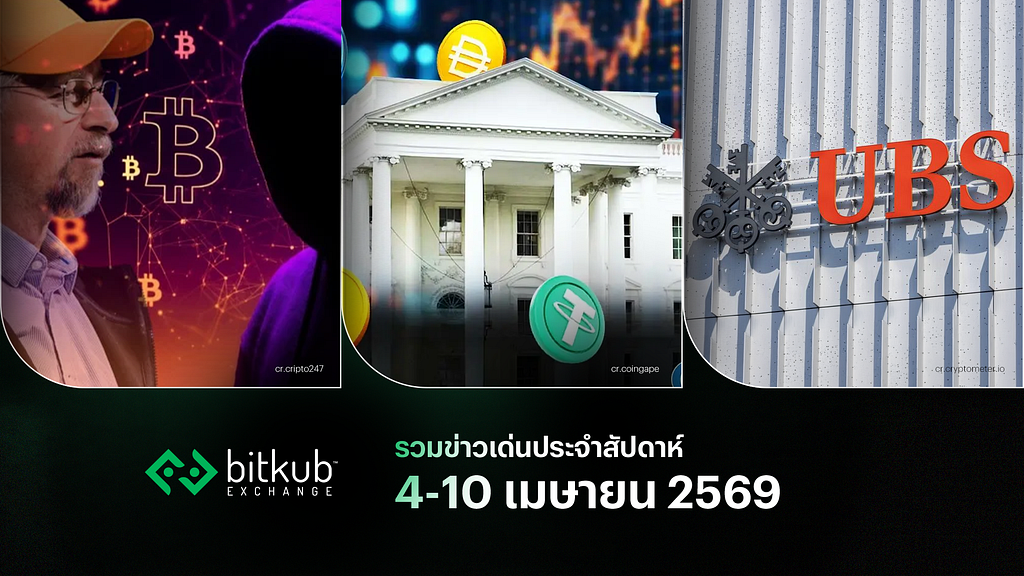
ข่าวรายสัปดาห์ 4–10 เม.ย. 69: Adam Back ปฏิเสธข่าวลือว่าเป็น Satoshi Nakamoto | นักเศรษฐศาสตร์ทำเนียบขาวคัดค้านแบน Stablecoin | UBS ร่วมทดสอบ Stablecoin อิงค่าเงินฟรังก์ Adam Back ออกมายืนยันอีกครั้งว่าเขาไม่ใช่ Satoshi Nakamoto โดยชี้ว่าความลึกลับของตัวตนผู้สร้างเป็นผลดีต่อ Bitcoin มากกว่า ขณะที่ด้านกฎหมาย นักเศรษฐศาสตร์ทำเนียบขาว ได้แสดงท่าทีสนับสนุนการให้ผลตอบแทนจาก Stablecoin เพื่อประโยชน์ของผู้บริโภค ซึ่งสอดคล้องกับการเคลื่อนไหวในยุโรปที่ UBS และกลุ่มธนาคารสวิส เริ่มทดสอบ Stablecoin สกุลเงินฟรังก์ใน Sandbox เพื่อยกระดับระบบการเงินดิจิทัล อย่างไรก็ตาม เศรษฐกิจสหรัฐฯ กลับเผชิญภาวะชะงักงันและเงินเฟ้อสูงจนทำให้การตัดสินใจของ Fed ยากลำบากขึ้น แต่ถึงอย่างนั้น Chainalysis ยังคงคาดการณ์วอลุ่ม Stablecoin ในอนาคตที่อาจพุ่งสูงถึง 1,500 ล้านล้านดอลลาร์ โดยมี Visa และ Mastercard เป็นฟันเฟืองหลักในการวางโครงสร้างพื้นฐานเพื่อเปลี่ยนระบบชำระเงินโลก และสุดท้ายในเชิงเทคนิค รายงานจาก Bernstein ระบุว่า Bitcoin ยังมีเวลาเตรียมตัวอีก 3–5 ปี เพื่ออัปเกรดระบบให้ปลอดภัยจากภัยคุกคามของคอมพิวเตอร์ควอนตัมที่กำลังพัฒนาขึ้น — — — — — — — — — — Adam Back ปฏิเสธข่าวลือว่าเป็น Satoshi Nakamoto หลัง NYT เผยแพร่บทวิเคราะห์ Adam Back ผู้ก่อตั้ง Blockstream และผู้คิดค้น Hashcash ได้ออกมาปฏิเสธอีกครั้งเกี่ยวกับกระแสข่าวที่ว่าเขาคือ Satoshi Nakamoto ผู้สร้าง Bitcoin หลังจากที่ The New York Times เผยแพร่บทความสืบสวนที่ระบุว่าเขาคือผู้ที่มีความเป็นไปได้มากที่สุด โดย Back ให้เหตุผลว่าเขาเพียงแต่เป็นสมาชิกที่กระตือรือร้นมากในกลุ่ม Cypherpunks ทำให้มีร่องรอยการเขียนหรือแนวคิดที่คล้ายคลึงกันกระจัดกระจายอยู่ทั่วไป เขายังย้ำว่าการที่ Satoshi ยังคงเป็นปริศนานั้นเป็นเรื่องดีต่อ Bitcoin เพราะช่วยให้ผู้คนมองว่ามันเป็น “สินค้าโภคภัณฑ์ทางคณิตศาสตร์” มากกว่าจะเป็นโครงการของบุคคลใดบุคคลหนึ่ง ที่มา: CryptoPotato — — — — — — — — — — นักเศรษฐศาสตร์ทำเนียบขาวคัดค้านการสั่งแบนการให้ผลตอบแทน (Yield) จาก Stablecoin คณะที่ปรึกษาทางเศรษฐกิจ (CEA) ประจำทำเนียบขาว ได้ออกมาแสดงท่าทีคัดค้านการสั่งห้ามแพลตฟอร์มคริปโตมอบผลตอบแทนจากเงินฝาก Stablecoin โดยระบุว่าการแบนดังกล่าวแทบไม่มีผลในการปกป้องธนาคารชุมชนตามที่บางฝ่ายกังวล ในทางกลับกัน จะเป็นการลิดรอนสิทธิของผู้บริโภคในการได้รับผลตอบแทนที่คุ้มค่า ท่าทีนี้มีขึ้นท่ามกลางการถกเถียงเรื่องกฎหมาย Clarity Act ซึ่งอาจส่งผลต่อทิศทางการกำกับดูแล Stablecoin ในสหรัฐฯ โดยนักเศรษฐศาสตร์มองว่าการเปิดโอกาสให้เกิดการแข่งขันในด้านผลตอบแทนจะส่งผลดีต่อสวัสดิการของผู้บริโภคมากกว่า ที่มา: CryptoPotato — — — — — — — — — — UBS และธนาคารยักษ์ใหญ่ในสวิตเซอร์แลนด์ ร่วมทดสอบ Stablecoin อิงค่าเงินฟรังก์ UBS ร่วมกับธนาคารชั้นนำอีก 5 แห่งในสวิตเซอร์แลนด์ เช่น PostFinance และ Sygnum ประกาศเปิดตัว “Sandbox” เพื่อทดสอบการใช้งาน Stablecoin ที่อิงกับค่าเงินฟรังก์สวิส (CHF) โครงการนี้มีวัตถุประสงค์เพื่อเชื่อมต่อแอปพลิเคชันบนบล็อกเชนเข้ากับระบบเงินตราของประเทศ เพื่อเสริมสร้างความแข็งแกร่งให้กับระบบนิเวศการเงินดิจิทัลและเพิ่มขีดความสามารถในการแข่งขันของสวิตเซอร์แลนด์ในฐานะศูนย์กลางทางการเงินโลก โดยมุ่งเน้นไปที่การทดสอบการใช้งานจริงในสภาพแวดล้อมที่ปลอดภัยและมีการกำกับดูแล ที่มา: CryptoPotato — — — — — — — — — — เศรษฐกิจสหรัฐฯ ชะลอตัวเกือบหยุดนิ่ง แต่เงินเฟ้อยังสูงเกินกว่าที่ Fed จะเข้าช่วยได้ง่าย สภาวะเศรษฐกิจสหรัฐฯ กำลังเผชิญกับความยากลำบาก หลังการเติบโตชะลอตัวลงจนเกือบหยุดนิ่ง แต่ตัวเลขเงินเฟ้อกลับยังคงอยู่ในระดับสูง (Stagflation) สถานการณ์นี้ทำให้ธนาคารกลางสหรัฐฯ (Fed) ตกอยู่ในภาวะกลืนไม่เข้าคายไม่ออก เนื่องจากไม่สามารถลดอัตราดอกเบี้ยเพื่อกระตุ้นเศรษฐกิจได้โดยง่าย เพราะเกรงว่าจะทำให้เงินเฟ้อพุ่งสูงขึ้นไปอีก นักวิเคราะห์เตือนว่าเศรษฐกิจกำลังเดินอยู่บนเส้นด้าย และทางเลือกในการกอบกู้ตลาดของ Fed นั้นมีจำกัดมากขึ้นเรื่อยๆ ท่ามกลางแรงกดดันจากค่าครองชีพที่ไม่ยอมลดลง ที่มา: CryptoSlate — — — — — — — — — — Chainalysis คาดการณ์วอลุ่ม Stablecoin อาจพุ่งแตะ 1.5 Quadrillion ภายในปี 2035 รายงานจาก Chainalysis ระบุว่าปริมาณการทำธุรกรรมของ Stablecoin มีโอกาสเติบโตอย่างมหาศาลจนถึงระดับ 1,500 ล้านล้านดอลลาร์ (Quadrillion) ในอีก 10 ปีข้างหน้า โดยมีปัจจัยหนุนหลักจากการถ่ายโอนความมั่งคั่งไปยังคนรุ่นมิลเลนเนียลและ Gen Z ที่คุ้นเคยกับคริปโต รวมถึงการที่ Stablecoin กลายเป็นโครงสร้างพื้นฐานหลักสำหรับการชำระเงินระดับโลก แม้จะเป็นการเติบโตแบบออร์แกนิกปกติก็คาดว่าวอลุ่มจะพุ่งถึง 719 ล้านล้านดอลลาร์ ซึ่งจะสะท้อนถึงการที่ Stablecoin เข้ามาแทนที่ระบบการชำระเงินข้ามพรมแดนแบบดั้งเดิมอย่างเต็มตัว ที่มา: Cointelegraph — — — — — — — — — — Visa, Mastercard และ Stripe รุกหนัก ปรับโครงสร้างระบบชำระเงินด้วย Stablecoin ยักษ์ใหญ่ด้านการชำระเงินอย่าง Visa, Mastercard และ Stripe กำลังเดินหน้าปรับเปลี่ยนระบบการเงินโลกด้วยการบูรณาการ Stablecoin เข้ากับเครือข่ายของตน โดย Visa เริ่มใช้ USDC ในการชำระบัญชีแล้ว ขณะที่ Stripe ได้เข้าซื้อกิจการ Bridge เพื่อขยายขีดความสามารถด้านนี้ ความเคลื่อนไหวดังกล่าวแสดงให้เห็นว่าบริษัทเหล่านี้มอง Stablecoin เป็น “เลเยอร์สภาพคล่อง” ของเศรษฐกิจในอนาคต ซึ่งจะช่วยให้การโอนเงินข้ามพรมแดนรวดเร็วและมีประสิทธิภาพมากขึ้นตลอด 24 ชั่วโมง โดยไม่ต้องพึ่งพาเวลาทำการของธนาคารแบบเดิม ที่มา: CryptoSlate — — — — — — — — — — รายงานจาก Bernstein ชี้ Bitcoin มีเวลา 3–5 ปี ในการเตรียมตัวรับมือความเสี่ยงจาก Quantum นักวิเคราะห์จาก Bernstein ประเมินว่าเครือข่าย Bitcoin มีเวลาประมาณ 3 ถึง 5 ปี ในการอัปเกรดระบบเพื่อรับมือกับภัยคุกคามจากคอมพิวเตอร์ควอนตัม (Quantum Computing) แม้เทคโนโลยีนี้จะสามารถถอดรหัสลับบางประเภทได้ แต่ผู้เชี่ยวชาญมองว่าเป็น “วงจรการอัปเกรดที่จัดการได้” มากกว่าจะเป็นวิกฤตที่ทำให้ Bitcoin ล่มสลาย ความเสี่ยงส่วนใหญ่จะกระจุกตัวอยู่ในกระเป๋าเงินรุ่นเก่า (Legacy Wallets) รวมถึงของ Satoshi ที่มีการเปิดเผย Public Key ส่วนกระเป๋ารุ่นใหม่มีการป้องกันที่ดีกว่า และชุมชนนักพัฒนาเตรียมพร้อมสำหรับการเปลี่ยนผ่านสู่มาตรฐานการเข้ารหัสที่ต้านทานควอนตัมได้ในอนาคต ที่มา: Cointelegraph — — — — — — — — — — คำเตือน: -คริปโทเคอร์เรนซีและโทเคนดิจิทัลมีความเสี่ยงสูง ท่านอาจสูญเสียเงินลงทุนได้ทั้งจํานวน โปรดศึกษาและลงทุนให้เหมาะสมกับระดับความเสี่ยงที่ยอมรับได้ -ผลตอบแทนของสินทรัพย์ดิจิทัลในอดีตหรือผลการดําเนินงานในอดีต มิได้เป็นสิ่งยืนยันถึงผลตอบแทน ของสินทรัพย์ดิจิทัลหรือผลการดําเนินงานในอนาคต — — — — — — — — — — หากคุณยังเป็นมือใหม่ ค้นหาข้อมูลเพิ่มเติมได้ในบทความ “แหล่งความรู้ มือใหม่หัดเทรดคริปโต เริ่มต้นที่นี่” แล้วมาเริ่มต้นเทรดได้วันนี้ที่ Bitkub Exchange → คลิกสมัครเลย — — — — — — — — — — Weekly News (4–10 Apr 2026): Adam Back Denies Being Satoshi | White House Backs Stablecoin Yields | Swiss Banks Test Franc Stablecoin The current global financial landscape is defined by a rapid integration of digital assets and mounting macroeconomic pressures, as evidenced by major payment networks like Visa and Mastercard rebuilding global infrastructure around stablecoins, while Chainalysis predicts transaction volumes could hit $1.5 quadrillion by 2035. Amidst this shift, institutional adoption is accelerating through initiatives like the Swiss franc stablecoin sandbox and a supportive stance from White House economists on stablecoin yields, even as the broader U.S. economy faces the threat of stagflation. Furthermore, while technical and identity debates continue — highlighted by Adam Back’s renewed denial of being Satoshi Nakamoto and Bernstein’s report on the three-to-five-year window for quantum-resistant upgrades — the consensus points toward a maturing ecosystem transitioning from speculative niche to a fundamental layer of the global economy. — — — — — — — — — — Adam Back Reaffirms He Is Not Satoshi Nakamoto Amid New York Times Investigation Adam Back, the founder of Blockstream and inventor of Hashcash, has once again denied long-standing rumors that he is Satoshi Nakamoto, the creator of Bitcoin. The latest denial follows a report by The New York Times that named him as the most likely candidate for the identity. Back argued that he was simply a very active member of the Cypherpunks mailing list, which naturally left a significant “paper trail” for researchers to find. He reiterated that Satoshi’s anonymity is beneficial for Bitcoin, as it allows the asset to be viewed as a “mathematically scarce digital commodity” rather than a project dependent on a specific leader. Source: CryptoPotato — — — — — — — — — — White House Economists Support Stablecoin Yields Against Potential Ban In a notable shift, the White House Council of Economic Advisers (CEA) has expressed opposition to banning crypto platforms from offering yields on stablecoin deposits. As debates over the Clarity Act intensify, the CEA argued that prohibiting these yields would have little impact on protecting community banks while actively depriving consumers of competitive returns. This stance contrasts with earlier legislative proposals aimed at preventing crypto platforms from acting like traditional banks. The economists noted that the conditions required for a “positive welfare effect” from such a ban are simply implausible, signaling a more favorable regulatory outlook for the stablecoin industry. Source: CryptoPotato — — — — — — — — — — UBS and Leading Swiss Banks Launch Sandbox to Test Swiss Franc Stablecoin Banking giant UBS has partnered with five other major Swiss financial institutions — including PostFinance, Sygnum, and Raiffeisen — to launch a digital “sandbox” for testing a Swiss franc-based stablecoin. The initiative aims to explore how blockchain-based applications can be integrated with the national currency to strengthen Switzerland’s digital money ecosystem. By creating a secure, live testing environment, the banks hope to enhance the competitiveness of the Swiss financial center. The project focuses on practical use cases that could eventually lead to the broader adoption of regulated stablecoins within the country’s traditional banking infrastructure. Source: CryptoPotato — — — — — — — — — — US Economy Stalls as Persistent Inflation Limits Federal Reserve Rescue Options The U.S. economy is nearing a point of stagnation, with growth slowing significantly while inflation remains stubbornly high. This “stagflationary” environment leaves the Federal Reserve in a difficult position, as the “hot” inflation data makes it risky to implement interest rate cuts that would normally stimulate a slowing economy. Recent reports indicate that while economic momentum is weakening, price pressures have not cooled enough to provide a clear path for a “soft landing.” Market analysts warn that the Fed may be caught between a contraction in growth and an inability to rescue the market without reigniting inflation. Source: CryptoSlate — — — — — — — — — — Chainalysis Predicts Stablecoin Volumes Could Reach $1.5 Quadrillion by 2035 A new report from Chainalysis suggests that stablecoin transaction volumes could skyrocket to $1.5 quadrillion over the next decade. This staggering figure assumes two major catalysts: a massive generational wealth transfer to crypto-native millennials and Gen Z, and the full integration of stablecoins as a default global payment infrastructure. Even under a more conservative “organic growth” scenario, adjusted volumes are projected to hit $719 trillion by 2035. Analysts highlight that the current expansion of infrastructure by firms like Visa and Mastercard is turning stablecoins into the “liquidity layer” of the global economy, potentially surpassing current cross-border payment volumes. Source: Cointelegraph — — — — — — — — — — Visa and Mastercard Aggressively Integrate Stablecoins into Global Payments Financial giants Visa, Mastercard, and Stripe are making decisive moves to rebuild the global payment architecture using stablecoins. Visa has already begun settling transactions in USDC, while Stripe recently acquired the stablecoin platform Bridge to bolster its capabilities. These moves indicate that the world’s largest payment networks view stablecoins not just as a niche asset, but as the future settlement layer for the entire financial system. By adopting this technology early, these companies aim to retain control over global money movement and fee structures as stablecoins begin to offer more efficient, 24/7 settlement compared to traditional banking hours. Source: CryptoSlate — — — — — — — — — — Bernstein Report: Bitcoin Has 3 to 5 Years to Address Quantum Computing Risks Analysts at Bernstein have estimated that Bitcoin has a window of three to five years to implement post-quantum security upgrades. While quantum computing poses a theoretical threat to current encryption, the report labels it a “manageable upgrade cycle” rather than an existential crisis. The primary risk is concentrated in older “legacy” wallets (including those belonging to Satoshi Nakamoto) that reuse public keys. Newer wallet formats are already significantly more resistant. The transition to quantum-resistant standards will likely be handled by Bitcoin’s open-source community, ensuring the network remains secure as quantum technology advances toward the ability to break modern cryptography. Source: Cointelegraph — — — — — — — — — — Disclaimer: - Cryptocurrency and digital tokens involve high risks; investors may lose all investment money and should study information carefully and make investments according to their own risk profile. -Past Returns does not guarantee future returns/performance. — — — — — — — — — — Start your crypto trading journey today! If you’re new to the space, get all the information you need in our guide, “Crypto Trading for Beginners: Start Here.” Ready to trade? Sign up now on Bitkub Exchange → Click to register! — — — — — — — — — — ข่าวรายสัปดาห์ 4–10 เมษา: Adam Back ปฏิเสธข่าวลือว่าเป็น Satoshi | นักเศรษฐศาสตร์ทำเนียบขาวค้านแบน was originally published in Bitkub.com on Medium, where people are continuing the conversation by highlighting and responding to this story.

ผู้เขียน: Napisa Wisuttipun | 10 เม.ย. 69 |อ่าน: 1,492
news

กิจกรรม #ลองให้ฉ่ำChallenge เต้นให้ฉ่ำชิงเหรียญ LM มูลค่า 400 บาท วันนี้-30 เม.ย. 69

กิจกรรม: ลองให้ฉ่ำ Challenge เต้นให้ฉ่ำชิงเหรียญ LM มูลค่า 400 บาท ระยะเวลา: 10 เม.ย. — 30 เม.ย. 69 ลงทะเบียนผ่านลิงก์: https://form.bitkub.com/longhaishum-apr26 1. กิจกรรม ลองให้ฉ่ำ Challenge เต้นให้ฉ่ำชิงเหรียญ LM มูลค่า 400 บาท (“กิจกรรม”) นี้จัดขึ้นโดย บริษัท บิทคับ ออนไลน์ จำกัด (“บริษัทฯ”) 2. กิจกรรมนี้ จัดขึ้นวันที่ 10เม.ย. — 30 เม.ย. 69 เท่านั้น 3. ของรางวัลคือ เหรียญ LM มูลค่า 400 บาท จำกัด 200 สิทธิ์ สำหรับผู้ร่วมกิจรรมที่ทำครบตามเงื่อนไขที่บริษัทฯกำหนด 4. ผู้เข้าร่วมกิจกรรมจะต้อง - มีบัญชี Bitkub Exchange และผ่านการยืนยันตัวตนระดับที่ 1 ขึ้นไป (KYC1) - ใช้แผ่นเสียงเพลง “ลองให้ฉ่ำ Auto DCA” จาก TikTok: BitkubOfficial เต้นประกอบเพลง + โพสต์ลงใน TikTok ติด Hashtag #ลองให้ฉ่ำChallenge #BitkubExchange และเปิดเป็นสาธารณะ - ลงทะเบียนเพื่อเรียนรู้และเข้าร่วมกิจกรรมผ่านแบบฟอร์ม https://form.bitkub.com/longhaishum-apr26 เพื่อเข้าร่วมกิจกรรมและส่งหลักฐานการร่วมสนุก ได้ถึงวันที่ 30 เม.ย. 69 เวลา 23:59 น. 5.ของรางวัลคือเหรียญ LM มูลค่า 400 บาท คำนวณจากมูลค่า ณ วันที่ 3 เม.ย. 69 ราคาเหรียญ LM เท่ากับประมาณ 0.0251 บาท 6. ผู้เข้าร่วมกิจกรรม จะต้องศึกษา ทำความเข้าใจ และผ่านการอบรมความรู้ เกี่ยวกับคริปโทเคอร์เรนซีเบื้องต้นและเหรียญ LM จากลิงก์ที่แนบไว้ในแบบฟอร์ม 7. ขอสงวนสิทธิ์การรับของรางวัล 1 รางวัล ต่อ 1 บัญชี Bitkub Exchange เท่านั้น 8. ทางบริษัทฯ จะทำการโอนเหรียญให้กับผู้ที่ได้รับรางวัล ที่ทำถูกต้องตามเงื่อนไขของกิจกรรม ภายใน 60 วันทำการ หลังสิ้นสุดระยะเวลากิจกรรม 9.หากผู้ร่วมกิจกรรมไม่ให้ความยินยอมในการเข้าถึงข้อมูล ทางบริษัทฯ จะไม่ดำเนินการตรวจสอบสิทธิ์ในการร่วมกิจกรรม โดยจะถือว่าผู้ร่วมกิจกรรมปฏิเสธที่จะรับของรางวัลในกิจกรรมนี้ 10. เมื่อระบบเริ่มดำเนินการแลกของรางวัลแล้ว ไม่สามารถเปลี่ยนแปลง หรือยกเลิกการดำเนินการดังกล่าวได้ 11. ผู้ร่วมกิจกรรมไม่มีสิทธิ์เรียกร้องค่าตอบแทน ค่าเสียหายของสินค้า หรือของรางวัล หากชำรุดเมื่อได้รับของรางวัลไปแล้ว หรือเกิดความเสียหาย หรือสูญหายระหว่างขนส่ง หรือสิ่งใด ๆ ไม่ว่าทางแพ่ง หรือทางอาญา 12. บริษัทฯ ขอสงวนสิทธิ์ในการเปลี่ยนแปลงเงื่อนไขกิจกรรม โดยจะแจ้งให้ทราบล่วงหน้า 3 วันทำการ 13. ดาวน์โหลดแอปพลิเคชันบิทคับได้ที่นี่ https://onelink.bitkub.com/aHvr/gtbl7nio *คริปโทเคอร์เรนซีและโทเคนดิจิทัลมีความเสี่ยงสูง ท่านอาจสูญเสียเงินลงทุนได้ทั้งจํานวน โปรดศึกษาและลงทุนให้เหมาะสมกับระดับความเสี่ยงที่ยอมรับได้ กิจกรรม #ลองให้ฉ่ำChallenge เต้นให้ฉ่ำชิงเหรียญ LM มูลค่า 400 บาท วันนี้-30 เม.ย. 69 was originally published in Bitkub.com on Medium, where people are continuing the conversation by highlighting and responding to this story.
ผู้เขียน: Pipitchot Panupornprapong | 09 เม.ย. 69 |อ่าน: 1,228
news

MITO (Mitosis) โทเคนจากบล็อกเชน Layer 1 ที่ทำให้เงินทำงานได้หลายที่พร้อมกัน

ในโลกของ DeFi ปัญหาใหญ่ที่ผู้ใช้งานมักเจอคือ “สภาพคล่องที่ถูกล็อก” เมื่อเรานำสินทรัพย์ไปวางไว้ในโปรโตคอลหนึ่ง เรามักจะไม่สามารถนำสินทรัพย์นั้นไปใช้ทำอย่างอื่นได้ โดย Mitosis (MITO) ได้ก้าวเข้ามาเป็น Blockchain Layer 1 ยุคใหม่ที่ออกแบบมาเพื่อเปลี่ยนสภาพคล่องเหล่านี้ Mitosis (MITO) คืออะไร? Mitosis คือ Programmable liquidity เครือข่าย Layer 1 ที่สร้างขึ้นเพื่อรวบรวมสภาพคล่องและนำเสนอ “สินทรัพย์สังเคราะห์” (Synthetic Assets) ที่สามารถนำไปใช้ต่อได้ในหลากหลายโปรโตคอล เป้าหมายคือการทำให้การกระจายผลตอบแทน (Yield) และการใช้เงินทุนมีประสิทธิภาพมากขึ้น โดย Programmable Liquidity เป็นระบบสภาพคล่อง ที่ช่วยให้ผู้ให้บริการสภาพคล่อง (Liquidity Providers) สามารถปรับเปลี่ยนสถานะ (Positions), กลยุทธ์ และการจัดสรรสินทรัพย์ในพูลสภาพคล่องแบบกระจายศูนย์ได้อย่างยืดหยุ่นMitosis มอบแนวทางการจัดการสภาพคล่องที่ละเอียดและมีประสิทธิภาพยิ่งขึ้นผ่านคุณสมบัติสำคัญดังนี้ — การจัดสรรสภาพคล่องแบบไดนามิก (Dynamic Liquidity Allocation) ช่วยให้สามารถแยกหรือกระจายสภาพคล่องไปยังพูลหรือสินทรัพย์ต่าง ๆ ตามกฎที่โปรแกรมไว้ล่วงหน้า — การปรับสถานะอัตโนมัติ (Automated Position Adjustment) ช่วยให้ผู้ใช้สามารถตั้งค่ากลยุทธ์เพื่อปรับสถานะสภาพคล่องของตนโดยอัตโนมัติเพื่อให้เท่าทันต่อการเปลี่ยนแปลงของตลาด เช่น ความผันผวนหรือการเคลื่อนไหวของราคา — การเพิ่มประสิทธิภาพผลตอบแทน (Optimized Returns) สภาพคล่องที่โปรแกรมได้จะช่วยสร้างผลตอบแทนสูงสุดให้แก่ผู้ให้บริการสภาพคล่อง (LPs) ผ่านการใช้กลยุทธ์อัตโนมัติ เช่น การปรับสมดุลสถานะ (Rebalancing) หรือการย้ายสภาพคล่องระหว่างพูล เพื่อคว้าโอกาสที่ดีที่สุดในขณะนั้น คุณสมบัติเด่นและเทคโนโลยี Mitosis โดดเด่นด้วยสถาปัตยกรรมแบบ Modular ที่แยกส่วนการประมวลผล (Execution) ออกจากส่วนการทำงานร่วมกัน (Consensus) เพื่อความรวดเร็วและรองรับการขยายตัว โดยมีนวัตกรรมหลักดังนี้ — Hub Assets: เมื่อผู้ใช้ฝากเหรียญ (เช่น ETH หรือ Stablecoins) ลงใน Mitosis Vault ระบบจะสร้าง Hub Assets บนเครือข่าย Mitosis ในอัตราส่วน 1:1 เพื่อใช้เป็นสินทรัพย์อ้างอิงข้ามเชนที่ยืดหยุ่น — miAssets & maAssets: นี่คือ “ผลผลิต” จากสภาพคล่องของคุณ เมื่อคุณนำ Hub Assets ไปร่วมแคมเปญ คุณจะได้รับ miAssets (จากพูลชุมชน) หรือ maAssets (จากแคมเปญที่คัดสรรมา) ซึ่งโทเคนเหล่านี้สามารถนำไปใช้เป็นหลักทรัพย์ค้ำประกันหรือเทรดในแอป DeFi อื่นๆ ได้ โดยที่ยังคงได้รับผลตอบแทนเดิมอยู่ — Ecosystem-Owned Liquidity (EOL): โมเดลที่ขับเคลื่อนโดยชุมชน ซึ่งโปรโตคอลจะรวมเงินฝากเข้าด้วยกันเพื่อสร้างอำนาจต่อรองระดับสถาบัน ทำให้ผู้ใช้รายย่อยได้รับผลตอบแทนที่สูงขึ้น ทีมผู้ก่อตั้ง — Jake Kim รับหน้าที่เป็นหัวหอกในการวางวิสัยทัศน์ของ Mitosis เขามีพื้นฐานที่แข็งแกร่งในด้านการออกแบบกลไกทางเศรษฐศาสตร์ (Mechanism Design) ของโปรโตคอล — Jee Yong Kim ร่วมขับเคลื่อนทิศทางของโปรเจกต์ โดยทั้งคู่มุ่งเน้นการแก้ปัญหาเรื่อง “Liquidity Fragmentation” หรือการที่สภาพคล่องกระจัดกระจายไปตามเชนต่างๆ โทเคน MITO และการจัดสรรคโทเคน โทเคน MITO เป็น Native Token ของเครือข่าย Gemini ใช้ในการการกำกับดูแลและโหวตในประเด็นต่างๆ ผ่าน gMITO, การล็อกเหรียญเพื่อรับผลตอบแทน (Staking), และการให้รางวัลตอบแทนแก่ผู้ใช้งานที่มีส่วนร่วมผ่านโปรแกรมสร้างแรงจูงใจต่าง ๆ จากอุปทานทั้งหมด 1,000 ล้านโทเคน Mitosis มีการจัดสรรที่เน้นความยั่งยืนและการเติบโตโดยชุมชนเป็นหลัก ดังนี้ — Ecosystem (45.5%): ส่วนแบ่งที่ใหญ่ที่สุด เพื่อใช้ในการขยายและสร้างการเติบโต — Team (15%): สำหรับกลุ่มผู้สร้างที่ร่วมกันพัฒนาโปรเจกต์ให้เกิดขึ้นจริง — Genesis Airdrop (10%): มอบให้แก่ผู้สนับสนุนกลุ่มแรกเพื่อให้ได้รับผลตอบแทนที่เหมาะสม — Foundation (10%): เพื่อสนับสนุนการพัฒนาและดูแลโปรเจกต์ในระยะยาว — Investors (8.76%): สำหรับกลุ่มผู้ที่ให้ความไว้วางใจและเชื่อมั่นในตัวเราตั้งแต่ช่วงเริ่มต้น — และส่วนแบ่งย่อยอื่น ๆ (10.74%): สำหรับการนำเหรียญเข้ากระดานเทรด, การวิจัยและพัฒนาและการเสริมสภาพคล่องเริ่มต้น ข้อมูลน่าสนใจด้านราคาของ MITO ข้อมูลจากเว็บไซต์ CoinMarketCap เมื่อวันที่ 8 เม.ย. 2026 เหรียญ MITO มีมูลค่าตามราคาตลาด (Market cap) ที่ 6,840,594.6 ดอลลาร์สหรัฐฯ หรือประมาณ 218,991,375.22 บาท ณ เวลาที่เขียนบทความนี้ เหรียญ MITO ซื้อขายกันอยู่ที่ราคาประมาณ 0.03773 ดอลลาร์ หรือประมาณ 1.20 บาทต่อ 1 MITO โดย MITO เคยทำราคาสูงสุด (All-time high) ที่ 0.4261 ดอลลาร์ หรือประมาณ 13.66 บาท ต่อ 1 MITO เมื่อวันที่ 15 กันยายน 2025 เช็กราคาเหรียญได้ที่ bitkub.com อ้างอิง: MITO Whitepaper, MITO Documentation, Mitosis.org — — — — — — — — — — คำเตือน: -คริปโทเคอร์เรนซีและโทเคนดิจิทัลมีความเสี่ยงสูง ท่านอาจสูญเสียเงินลงทุนได้ทั้งจํานวน โปรดศึกษาและลงทุนให้เหมาะสมกับระดับความเสี่ยงที่ยอมรับได้ -ผลตอบแทนของสินทรัพย์ดิจิทัลในอดีตหรือผลการดําเนินงานในอดีต มิได้เป็นสิ่งยืนยันถึงผลตอบแทน ของสินทรัพย์ดิจิทัลหรือผลการดําเนินงานในอนาคต — — — — — — — — — — หากคุณยังเป็นมือใหม่ ค้นหาข้อมูลเพิ่มเติมได้ในบทความ “แหล่งความรู้ มือใหม่หัดเทรดคริปโต เริ่มต้นที่นี่” แล้วมาเริ่มต้นเทรดได้วันนี้ที่ Bitkub Exchange → คลิกสมัครเลย — — — — — — — — — — MITO (Mitosis): The Layer 1 Blockchain That Makes Your Capital Work Everywhere In the DeFi world, a major hurdle for users is “Locked Liquidity.” When we deposit assets into a protocol, they often become stagnant, preventing us from utilizing them elsewhere. Mitosis (MITO) has emerged as a next-generation Layer 1 blockchain designed to transform this paradigm. What is Mitosis (MITO)? Mitosis is a Programmable Liquidity Layer 1 network built to aggregate liquidity and offer Synthetic Assets. These assets can be utilized across various protocols, aiming to maximize yield distribution and capital efficiency. Programmable Liquidity acts as a flexible system allowing Liquidity Providers (LPs) to adjust positions, strategies, and asset allocations within decentralized pools. Mitosis provides more granular and efficient management through these key features: — Dynamic Liquidity Allocation: Automatically distributes or splits liquidity across various pools based on pre-programmed rules. — Automated Position Adjustment: Allows users to set strategies that automatically adjust liquidity positions to keep pace with market volatility or price movements. — Optimized Returns: Maximizes yields for LPs through automated strategies like rebalancing or migrating liquidity between pools to capture the best opportunities in real-time. Core Technology & Features Mitosis stands out with its Modular Architecture, separating the Execution layer from the Consensus layer to ensure speed and scalability. Its core innovations include: — Hub Assets: When users deposit coins (e.g., ETH or Stablecoins) into a Mitosis Vault, the system mints Hub Assets on the Mitosis network at a 1:1 ratio, serving as flexible cross-chain reference assets. — miAssets & maAssets: These are the “yield-bearing products” of your liquidity. By participating in campaigns with Hub Assets, you receive miAssets (from community pools) or maAssets (from curated campaigns). These tokens can be used as collateral or traded in other DeFi apps while still earning original rewards. — Ecosystem-Owned Liquidity (EOL): A community-driven model where the protocol pools deposits to gain institutional-level bargaining power, resulting in higher yields for retail users. The Founding Team — Jake Kim: Leads the vision for Mitosis, bringing a strong background in the economic mechanism design of protocols. — Jee Yong Kim: Co-drives the project’s direction, focusing on solving “Liquidity Fragmentation” across different chains. MITO Token and Token Allocation MITO is the native token of the Gemini Network. It is utilized for governance and voting on various proposals via gMITO, staking to earn rewards (Staking), and providing incentives to active users through various incentive programs. With a total supply of 1,000 million tokens, Mitosis has designed an allocation strategy focused on sustainability and community-driven growth as follows: — Ecosystem (45.5%): The largest share, dedicated to scaling and driving overall network growth. — Team (15%): Allocated to the builders and contributors who turned the project into a reality. — Genesis Airdrop (10%): Awarded to early supporters to ensure they receive fair and appropriate rewards. — Foundation (10%): Set aside to support long-term development and project governance. — Investors (8.76%): Reserved for those who placed their trust and confidence in the project since the early stages. — Other Allocations (10.74%): Designated for exchange listings (CEX/DEX), research and development (R&D), and initial liquidity provision. MITO Price Statistics According to data from CoinMarketCap on April 8, 2026, MITO has a market capitalization of $6,840,594.6 (approximately 218,991,375.22 THB). At the time of writing, MITO is trading at approximately $0.03773 per token (approximately 1.20 THB). The asset reached its all-time high (ATH) of $0.4261 (approximately 13.66 THB) on September 15, 2025. You can track the latest prices at bitkub.com References: MITO Whitepaper, MITO Documentation — — — — — — — — — — Disclaimer: - Cryptocurrency and digital tokens involve high risks; investors may lose all investment money and should study information carefully and make investments according to their own risk profile. -Past Returns does not guarantee future returns/performance. — — — — — — — — — — Start your crypto trading journey today! If you’re new to the space, get all the information you need in our guide, “Crypto Trading for Beginners: Start Here.” Ready to trade? Sign up now on Bitkub Exchange → Click to register! — — — — — — — — — — MITO (Mitosis) โทเคนจากบล็อกเชน Layer 1 ที่ทำให้เงินทำงานได้หลายที่พร้อมกัน was originally published in Bitkub.com on Medium, where people are continuing the conversation by highlighting and responding to this story.
ผู้เขียน: Fah Chayanit | 09 เม.ย. 69 |อ่าน: 37
news

การลงทุนที่ดี อาจไม่ต้อง “เก่ง” แต่ชนะกันที่ “วินัย” ในวันที่ตลาดผันผวน

ในโลกการลงทุน ภาพของนักลงทุนที่ประสบความสำเร็จ มักถูกผูกไว้กับความสามารถในการจับจังหวะตลาด ซื้อได้ต่ำ ขายได้สูง และคาดการณ์อนาคตได้อย่างแม่นยำ แต่ในความเป็นจริง แม้แต่มืออาชีพก็ไม่สามารถทำสิ่งนั้นได้ตลอดเวลา ศัตรูที่ร้ายกาจที่สุดคืออารมณ์ ตลาดการเงินไม่ว่าจะเป็นหุ้น ทองคำ หรือแม้แต่ Bitcoin ล้วนมีลักษณะร่วมกันอย่างหนึ่งคือ ความผันผวน โดยเฉพาะกับ Bitcoin ที่ในหลายช่วงเวลา ราคาเคยปรับตัวขึ้นหรือลงมากกว่า 50% ภายในปีเดียว ความเคลื่อนไหวลักษณะนี้ทำให้การคาดเดาทิศทางในระยะสั้นแทบเป็นเรื่องที่ไม่แน่นอน เมื่อตลาดพุ่ง เรามักกลัวตกรถ (FOMO) แต่เมื่อตลาดดิ่ง ความกลัวกลับทำให้เราขายทิ้ง ในจังหวะที่ควรจะเก็บสะสม วงจรนี้ทำให้ผลตอบแทนของคนส่วนใหญ่แพ้ตลาดบ่อยครั้ง ซึ่งรูปแบบการซื้อขายแบบนี้เกิดซ้ำแล้วซ้ำเล่า และกลายเป็นเหตุผลที่ทำให้ผลตอบแทนจริงของนักลงทุนจำนวนมากต่ำกว่าตลาด ภาพแสดงกราฟราคา Bitcoin ระหว่างปี 2018–2026 อัปเดตเมื่อวันที่ 7 เมษายน 2026 DCA เพิ่มวินัยเปลี่ยนอารมณ์ให้เป็นระบบ หนึ่งในกลยุทธ์ที่เรียบง่ายแต่ทรงพลังคือ Dollar-Cost Averaging หรือ DCA หลักการของมันไม่ได้ซับซ้อน ลงทุนด้วยจำนวนเงินเท่าๆ กันในช่วงเวลาที่สม่ำเสมอ โดยไม่สนใจว่าตลาดจะขึ้นหรือลง สิ่งที่ DCA ทำ ไม่ใช่การเอาชนะตลาดในระยะสั้น แต่คือการลดความผิดพลาดจากอารมณ์ และเปลี่ยนการลงทุนให้กลายเป็นระบบในระยะยาว วิธีนี้ช่วยเฉลี่ยต้นทุน และลดความเสี่ยงจากการเข้าซื้อในจังหวะที่ผิดพลาด บทเรียนจากความพยายามเอาชนะ สู่การอยู่รอดและรวยให้นานขึ้น นักลงทุนจำนวนมากเริ่มต้นด้วย mindset ที่อยากเอาชนะตลาด แต่สุดท้ายกลับพบว่า สิ่งที่ยากกว่าคือการอยู่ในตลาดให้นานพอ ดังนั้นการลงทุนไม่ใช่เกมของคนที่ฉลาดที่สุดในห้อง แต่เป็นเกมของคนอึด และความอึดนั้นไม่ได้มาจากความเก่ง แต่มันมาจากวินัยที่แข็งแกร่งพอจะผ่านพ้นความผันผวนของตลาดไปได้ สรุป เมื่อการจับจังหวะเข้าตลาดไม่เคยทำได้อย่างสม่ำเสมอ กลยุทธ์ที่เรียบง่ายอย่าง DCA จึงไม่ได้เป็นแค่ตัวเลือก แต่เป็นวิธีเปลี่ยนความไม่แน่นอนให้กลายเป็นวินัยทางการเงินที่ทำซ้ำได้ — — — — — — — — — — คุณเองก็เริ่ม DCA ได้ตั้งแต่วันนี้ คลิกเลย https://onelink.bitkub.com/jphO/mded3xr1 เรียนรู้เพิ่มเติมเกี่ยวกับการใช้งานฟีเจอร์ Auto DCA >> คลิกเรียนรู้ที่นี้ — — — — — — — — — — คำเตือน: -คริปโทเคอร์เรนซีและโทเคนดิจิทัลมีความเสี่ยงสูง ท่านอาจสูญเสียเงินลงทุนได้ทั้งจํานวน โปรดศึกษาและลงทุนให้เหมาะสมกับระดับความเสี่ยงที่ยอมรับได้ -ผลตอบแทนของสินทรัพย์ดิจิทัลในอดีตหรือผลการดําเนินงานในอดีต มิได้เป็นสิ่งยืนยันถึงผลตอบแทน ของสินทรัพย์ดิจิทัลหรือผลการดําเนินงานในอนาคต — — — — — — — — — — หากคุณยังเป็นมือใหม่ ค้นหาข้อมูลเพิ่มเติมได้ในบทความ “แหล่งความรู้ มือใหม่หัดเทรดคริปโต เริ่มต้นที่นี่” แล้วมาเริ่มต้นเทรดได้วันนี้ที่ Bitkub Exchange → คลิกสมัครเลย — — — — — — — — — — การลงทุนที่ดี อาจไม่ต้อง “เก่ง” แต่ชนะกันที่ “วินัย” ในวันที่ตลาดผันผวน was originally published in Bitkub.com on Medium, where people are continuing the conversation by highlighting and responding to this story.

ผู้เขียน: Napisa Wisuttipun | 09 เม.ย. 69 |อ่าน: 47
news

ทำความรู้จัก USAT เหรียญ Stablecoin ภายใต้การควบคุมของรัฐบาลกลางสหรัฐฯ และความร่วมมือกับ Tether

ในโลกคริปโตที่เต็มไปด้วยความคลุมเครือทางการกำกับดูแล USAT ไม่ได้ถูกสร้างขึ้นมาเพียงเพื่อเป็นอีกหนึ่งทางเลือกของ Stablecoin ในตลาดแต่ปรับเปลี่ยนกลยุทธ์ของ Tether สร้างความชัดเจนด้วยการทำถูกต้องตามเกณฑ์กำกับดูแลที่เข้มงวด ภายใต้การดูแลของธนาคารที่ได้รับใบอนุญาตระดับรัฐบาลกลางสหรัฐฯ USAT คืออะไร? USAT คือ Stablecoin ที่มีทุนสำรองหนุนหลังด้วยเงินสกุลดอลลาร์สหรัฐฯ ในอัตราส่วน 1:1 เปิดตัวโดย Tether ในช่วงปลายปี 2025 โดยมีความแตกต่างจาก USDT ซึ่งเน้นตลาดต่างประเทศ ตรงที่ USAT ถูกสร้างขึ้นเพื่อใช้งานในสหรัฐอเมริกาโดยเฉพาะ ออกโดย Anchorage Digital Bank, N.A. เป็นธนาคารคริปโตแห่งแรกที่ได้รับใบอนุญาตระดับรัฐบาลกลาง (Federally Chartered) ทำให้ USAT เป็นหนึ่งในดอลลาร์ดิจิทัลที่มีความน่าเชื่อถือทางกฎหมายสูงสุดในปัจจุบัน สำหรับ Anchorage Digital Bank N.A. เป็นธนาคารคริปโตรายแรกที่ได้รับใบอนุญาตจัดตั้ง (Charter) จากสำนักงานผู้ตรวจการธนาคารแห่งสหรัฐอเมริกา (U.S. Office of the Comptroller of the Currency — OCC) ในฐานะผู้ดูแลรับฝากทรัพย์สินที่มีคุณสมบัติครบถ้วน (Qualified Custodian) ซึ่ง Anchorage Digital Bank ทำงานอย่างใกล้ชิดกับหน่วยงานกำกับดูแล เพื่อให้สอดคล้องกับข้อกำหนดด้านการปฏิบัติตามกฎหมายที่เข้มงวด และเพื่อยกระดับมาตรฐานอุตสาหกรรมสำหรับการดำเนินงานด้านสินทรัพย์ดิจิทัลภายใต้การดูแลของรัฐบาลกลาง คุณสมบัติเด่นและเทคโนโลยี จุดเด่นที่สุดของ USAT คือการปฏิบัติตามกฎหมาย ถูกพัฒนาขึ้นเพื่อให้สอดคล้องกับ GENIUS Act กฎหมายสำคัญของสหรัฐฯ ที่กำหนดมาตรฐานเข้มงวดสำหรับผู้ออก Stablecoin — การกำกับดูแลระดับรัฐบาลกลาง: ต่างจากเหรียญอื่นที่คุมโดยกฎหมายระดับรัฐแต่ USAT อยู่ภายใต้การดูแลของหน่วยงานรัฐบาลกลางผ่านความร่วมมือกับ Anchorage Digital — มาตรฐานความโปร่งใส: USAT สร้างบรรทัดฐานใหม่ด้วยการเปิดเผย รายงานทุนสำรองรายเดือน (Monthly Reserve Reports) ที่ตรวจสอบโดยบริษัทบัญชีระดับโลก (Big Four) อย่าง Deloitte เพื่อพิสูจน์ว่าทุกเหรียญมีเงินสดและพันธบัตรรัฐบาลสหรัฐฯ ค้ำประกันแบบ 1:1 — โครงสร้างพื้นฐานระดับสถาบัน: แม้จะเป็นโทเคนมาตรฐาน ERC-20 บน Ethereum แต่ระบบหลังบ้านได้รับการดูแลโดย Cantor Fitzgerald บริษัทชั้นนำในวอลล์สตรีทที่ทำหน้าที่เป็นผู้ดูแลทรัพย์สินสำรอง ผู้พัฒนา USAT USAT เป็นผลิตภัณฑ์เชิงกลยุทธ์ของ Tether Holdings SA ภายใต้การนำของ CEO Paolo Ardoino อย่างไรก็ตาม เพื่อให้สอดรับกับกฎระเบียบที่ซับซ้อนของสหรัฐฯ Tether ได้แต่งตั้ง Bo Hines ให้ดำรงตำแหน่ง CEO ของแผนกสหรัฐฯ เพื่อดูแลโครงการ USAT โดยเฉพาะ เพื่อให้มั่นใจว่าเหรียญนี้จะได้รับประโยชน์จากสภาพคล่องมหาศาลของ Tether ในขณะที่ยังคงความถูกต้องตามกฎหมายอเมริกันอย่างเคร่งครัด ภาพ Bo Hines ที่มาของภาพ American Banker Bo Hines ดำรงตำแหน่งประธานเจ้าหน้าที่บริหาร (CEO) ของ USAT โดยนำความเชี่ยวชาญระดับสูงด้านการบริหารงานภาครัฐมาสู่โครงการนี้ หลังจากสิ้นสุดตำแหน่ง สภาที่ปรึกษาด้านคริปโตประจำทำเนียบขาว (White House Crypto Council) เพื่อเข้าร่วมงานกับ Tether ถือเป็นการเปลี่ยนผ่านครั้งสำคัญจากภาคบริการสาธารณะเข้าสู่ภาคเอกชน โทเคน USAT คืออะไร? โทเคน USAT คือตัวแทนดิจิทัลของเงิน 1 ดอลลาร์สหรัฐ ทำหน้าที่เป็น “เงินดอลลาร์ที่เขียนโปรแกรมได้” ช่วยให้ผู้ใช้สามารถ — ชำระเงินทันที: ส่งเงินไปทั่วโลกได้ในไม่กี่วินาที ตลอด 24 ชั่วโมง — ใช้จ่ายในชีวิตประจำวัน: ผ่านความร่วมมือกับแพลตฟอร์มต่างๆ ผู้ใช้สามารถใช้ USAT จ่ายค่าสินค้ากับร้านค้าหลายล้านแห่งทั่วโลกที่รับ Visa/Mastercard — การใช้งานใน DeFi: ใช้เป็นคู่เทรดที่มีความเสถียรบนกระดานเทรดชั้นนำ Tokenomics และการจัดสรรโทเคน – อุปทาน (Supply): จำนวนเหรียญทั้งหมดขึ้นอยู่กับความต้องการของตลาด เมื่อผู้ใช้นำเงิน 1 ดอลลาร์มาฝาก ระบบจะมิ้นท์ (Mint) 1 USAT และเมื่อมีการถอนเงินคืน โทเคนนั้นจะถูกเผาทิ้ง (Burn) – การจัดสรร (Allocations): ไม่มี การแบ่งเหรียญให้ทีมงานหรือนักลงทุนวงใน ลำดับความสำคัญคือ 100% ของเหรียญที่หมุนเวียนต้องมีสินทรัพย์สำรองค้ำประกันเต็มจำนวน เพื่อรักษาการผูกมูลค่าที่ 1.00 ดอลลาร์เสมอ เช็กราคาเหรียญได้ที่ bitkub.com อ้างอิง: USAT Website, CoinMarketCap — — — — — — — — — — คำเตือน: -คริปโทเคอร์เรนซีและโทเคนดิจิทัลมีความเสี่ยงสูง ท่านอาจสูญเสียเงินลงทุนได้ทั้งจํานวน โปรดศึกษาและลงทุนให้เหมาะสมกับระดับความเสี่ยงที่ยอมรับได้ -ผลตอบแทนของสินทรัพย์ดิจิทัลในอดีตหรือผลการดําเนินงานในอดีต มิได้เป็นสิ่งยืนยันถึงผลตอบแทน ของสินทรัพย์ดิจิทัลหรือผลการดําเนินงานในอนาคต — — — — — — — — — — หากคุณยังเป็นมือใหม่ ค้นหาข้อมูลเพิ่มเติมได้ในบทความ “แหล่งความรู้ มือใหม่หัดเทรดคริปโต เริ่มต้นที่นี่” แล้วมาเริ่มต้นเทรดได้วันนี้ที่ Bitkub Exchange → คลิกสมัครเลย — — — — — — — — — — Getting to Know USAT: The First Federally Regulated Stablecoin Launched in Collaboration with Tether In a crypto world often clouded by regulatory ambiguity, USAT was not created to be just another stablecoin option in the market. Instead, it represents a strategic shift by Tether to provide absolute clarity by adhering to the most stringent regulatory standards under the oversight of a U.S. federally chartered bank. What is USAT? USAT is a stablecoin backed by U.S. Dollar reserves at a 1:1 ratio. Launched by Tether in late 2025, it differs from USDT — which focuses on international markets — by being purpose-built specifically for the United States. Issued by Anchorage Digital Bank, N.A., the first crypto-native bank to receive a federal charter, USAT stands as one of the most legally credible digital dollars available today. Anchorage Digital Bank N.A. is the first crypto-native bank to receive a charter from the U.S. Office of the Comptroller of the Currency (OCC). As a Qualified Custodian, Anchorage Digital works closely with regulators to meet rigorous compliance requirements, setting an industry benchmark for digital asset operations under federal supervision. Key Features and Technology The standout feature of USAT is its legal compliance. It was developed to align with the GENIUS Act, a landmark piece of U.S. legislation that sets strict standards for stablecoin issuers. – Federal Oversight: Unlike other coins regulated at the state level, USAT operates under federal authority through its partnership with Anchorage Digital. – Transparency Standards: USAT sets a new precedent by releasing Monthly Reserve Reports audited by “Big Four” accounting firm Deloitte, proving that every token is backed 1:1 by cash and U.S. Treasuries. – Institutional-Grade Infrastructure: While it operates as an ERC-20 token on the Ethereum blockchain, its backend is managed by Cantor Fitzgerald, a leading Wall Street firm acting as the reserve custodian. The Developers Behind USAT USAT is a strategic product of Tether Holdings SA under the leadership of CEO Paolo Ardoino. However, to navigate the complex U.S. regulatory landscape, Tether appointed Bo Hines as the CEO of its U.S. division to oversee the USAT project specifically. This ensures the token benefits from Tether’s massive liquidity while remaining strictly compliant with American law. Bo Hines, CEO of USAT, brings high-level government expertise to the project. His transition from the White House Crypto Council to Tether represents a significant move from public service to the private sector. What is the USAT Token? The USAT token is a digital representation of one U.S. Dollar, functioning as “programmable money” that allows users to: – Instant Payments: Send money globally in seconds, 24/7. – Everyday Spending: Through a partnership, users can spend USAT at millions of merchants worldwide that accept Visa/Mastercard. – DeFi Utility: Serve as a stable trading pair on leading exchanges. Tokenomics and Allocation – Supply: The total supply is entirely market-driven. When a user deposits $1 USD, 1 USAT is minted. When a user redeems their funds, the token is burned. – Allocations: There are no token allocations for the team or internal investors. segregated reserves back 100% of the circulating supply to ensure the $1.00 peg is maintained at all times. Check real-time cryptocurrency prices today at bitkub.com Source: USAT Website, CoinMarketCap — — — — — — — — — — Disclaimer: - Cryptocurrency and digital tokens involve high risks; investors may lose all investment money and should study information carefully and make investments according to their own risk profile. -Past Returns does not guarantee future returns/performance. — — — — — — — — — — Start your crypto trading journey today! If you’re new to the space, get all the information you need in our guide, “Crypto Trading for Beginners: Start Here.” Ready to trade? Sign up now on Bitkub Exchange → Click to register! — — — — — — — — — — ทำความรู้จัก USAT เหรียญ Stablecoin ภายใต้การควบคุมของรัฐบาลกลางสหรัฐฯ และความร่วมมือกับ Tether was originally published in Bitkub.com on Medium, where people are continuing the conversation by highlighting and responding to this story.

ผู้เขียน: Napisa Wisuttipun | 04 เม.ย. 69 |อ่าน: 683
news

Hawkish และ Dovish คืออะไร? ในโลกนโยบายการเงินแบบสหรัฐฯ

ในโลกของการลงทุนที่เต็มไปด้วยความผันผวน ปัจจัยที่ทรงอิทธิพลที่สุดต่อกระแสเงินไหลเข้าออกไม่ใช่เพียงแค่ข่าวสารรายวัน แต่คือทัศนคติของธนาคารกลางที่สะท้อนผ่านนโยบายการเงิน สองขั้วอำนาจนี้เปรียบเสมือนกระแสน้ำที่คอยหนุนหรือซัดพาลำเรือของนักลงทุน ซึ่งเรามักรู้จักกันในนามของ สายคุมเข้ม (Hawkish) และ สายผ่อนคลาย (Dovish) สายคุมเข้ม (Hawkish) Hawkish คือ ทัศนคติที่เน้นการใช้ความเข้มงวดทางการเงินเป็นที่ตั้ง เมื่อเศรษฐกิจส่งสัญญาณร้อนแรงจนเกินไป ราคาสินค้าพุ่งสูงจากภาวะเงินเฟ้อ ธนาคารกลางจะสวมบทบาทเป็นสายคุมเข้มนี้เพื่อรักษาเสถียรภาพของระบบ วัตถุประสงค์ ของสหรัฐฯ ในการใช้ Hawkish ธนาคารกลางสหรัฐฯ (Fed) จะงัดนโยบายนี้มาใช้เพื่อ “สกัดเงินเฟ้อ” และป้องกันไม่ให้เศรษฐกิจเกิดภาวะฟองสบู่ โดยเชื่อว่าเสถียรภาพด้านราคามีความสำคัญสูงสุดเหนือสิ่งอื่นใด ผลกระทบของนโยบาย Hawkish — ภายในประเทศ เครื่องมือหลักคือการขยับอัตราดอกเบี้ยให้สูงขึ้นและการดึงสภาพคล่องออกจากตลาด (QT) การขยับตัวเช่นนี้ส่งผลให้ต้นทุนการกู้ยืมพุ่งสูงขึ้น ภาคธุรกิจเริ่มชะลอการขยายตัว และผู้บริโภคระมัดระวังการใช้จ่ายเพื่อลดความร้อนแรงของอุปสงค์ — ต่างประเทศ ในขณะที่ดอกเบี้ยสูงขึ้น ค่าเงินดอลลาร์จะแข็งค่าขึ้นอย่างโดดเด่น ดึงดูดเม็ดเงินไหลเข้าสหรัฐฯ แต่อาจส่งผลกระทบต่อประเทศตลาดเกิดใหม่ที่ต้องเผชิญกับภาวะเงินทุนไหลออกและภาระหนี้สกุลดอลลาร์ที่เพิ่มขึ้น — สินทรัพย์เสี่ยง สำหรับตลาดหุ้นหรือคริปโตเคอร์เรนซี ท่าทีคุมเข้มเปรียบเสมือนการดึงสภาพคล่องกลับ ส่งผลให้นักลงทุนลดการถือครองสินทรัพย์ที่มีความเสี่ยงสูงเพื่อหันไปหาผลตอบแทนที่แน่นอนกว่าในตลาดพันธบัตร สายผ่อนคลาย (Dovish) ในทางกลับกัน Dovish คือทัศนคติที่เน้นการผ่อนคลายและการประนีประนอม โดยให้ความสำคัญกับการขยายตัวทางเศรษฐกิจและการจ้างงานมากกว่าการกังวลเรื่องเงินเฟ้อในระยะสั้น วัตถุประสงค์ของสหรัฐฯ ในการใช้ Dovish สหรัฐฯ จะใช้แนวทางนี้เมื่อเศรษฐกิจเริ่มซบเซา ตลาดแรงงานอ่อนแอ หรือเมื่อต้องการ “กระตุ้นการบริโภค” เพื่อป้องกันภาวะเศรษฐกิจถอยหลัง ผลกระทบของนโยบาย Dovish — ภายในประเทศ ธนาคารกลางจะใช้นโยบาย “ดอกเบี้ยต่ำ” และอาจมีการอัดฉีดสภาพคล่อง ทำให้ต้นทุนการกู้ยืมถูกลง กระตุ้นให้ภาคธุรกิจลงทุนจ้างงาน และจูงใจให้ภาคครัวเรือนออกมาใช้จ่ายมากขึ้น เป็นการ “เติมน้ำมัน” ให้เครื่องยนต์เศรษฐกิจกลับมาวิ่งต่อ — ต่างประเทศ เมื่อดอกเบี้ยต่ำ ค่าเงินดอลลาร์มักจะอ่อนค่าลง ทำให้นักลงทุนย้ายเงินออกจากดอลลาร์ไปหาแหล่งลงทุนที่ให้ผลตอบแทนสูงกว่าในต่างประเทศ ส่งผลดีต่อสภาพคล่องทั่วโลกและมักจะดันราคาสินค้าโภคภัณฑ์อย่างทองคำให้สูงขึ้น — สินทรัพย์เสี่ยง ตลาดหุ้นและคริปโตฯ มักจะเติบโตอย่างโดดเด่นภายใต้นโยบายนี้ เนื่องจากสภาพคล่องที่ล้นระบบทำให้นักลงทุนกล้าเสี่ยงมากขึ้นเพื่อหาผลตอบแทนที่สูงกว่าการฝากเงินที่ได้ดอกเบี้ยเพียงน้อยนิด เหตุผลที่เราต้องเกาะติดท่าทีของสหรัฐฯ ว่าจะเป็น Hawkish หรือ Dovish สรุปได้ว่า เมื่อสหรัฐฯ ส่งสัญญาณ Hawkish เพื่อดึงเงินกลับและขึ้นดอกเบี้ย มันจะเกิดแรงดึงดูดมหาศาลทำให้เงินทุนทั่วโลกไหลกลับไปซบตักดอลลาร์ ส่งผลให้เงินบาทเราอ่อนค่า สินค้านำเข้าและน้ำมันแพงขึ้นทันที ในทางกลับกันหากเป็น Dovish (สายพิราบ) ที่เน้นปล่อยเงินไหลสะดวกและลดดอกเบี้ย ดอลลาร์จะอ่อนค่าลง เปิดทางให้เม็ดเงินไหลเข้ามหาศาลมาเก็งกำไรในตลาดหุ้นและคริปโตฯ บ้านเราจนคึกคัก ดังนั้น การเฝ้าดูท่าทีของ Fed ผ่านนโยบายการเงินจึงไม่ใช่เรื่องไกลตัว แต่คือการอ่าน “ทิศทางลมของเงินโลก” ว่าจะไหลเข้าหรือไหลออก ซึ่งส่งผลกระทบโดยตรงต่อราคาสินค้า ดอกเบี้ยเงินกู้ และกำไรในพอร์ตการลงทุนของเราอย่างหลีกเลี่ยงไม่ได้ครับ อ้างอิง : นโยบายการเงินแบบ Hawkish คืออะไร? และส่งผลต่อเศรษฐกิจอย่างไร? , Dovish vs. Hawkish: Key Monetary Policy Differences — — — — — — — — — — — — — — — — — ​​ — คริปโทเคอร์เรนซีและโทเคนดิจิทัลมีความเสี่ยงสูง ท่านอาจสูญเสียเงินลงทุนได้ทั้งจํานวน โปรดศึกษาและลงทุนให้เหมาะสมกับระดับความเสี่ยงที่ยอมรับได้ — ผลตอบแทนของสินทรัพย์ดิจิทัลในอดีตหรือผลการดําเนินงานในอดีต มิได้เป็นสิ่งยืนยันถึงผลตอบแทน ของสินทรัพย์ดิจิทัลหรือผลการดําเนินงานในอนาคต — — — — — — — — — — — — — — — — — หากคุณยังเป็นมือใหม่ ค้นหาข้อมูลเพิ่มเติมได้ในบทความ “แหล่งความรู้ มือใหม่หัดเทรดคริปโต เริ่มต้นที่นี่” แล้วมาเริ่มต้นเทรดได้วันนี้ที่ Bitkub Exchange → คลิกสมัครเลย — — — — — — — — — — — — — — — — — What are Hawkish and Dovish? In the World of U.S. Monetary Policy In the volatile world of investing, the most influential factor driving capital flows isn’t just the daily news cycle, but the stance of central banks reflected through monetary policy. These two opposing forces act like currents that either buoy or batter an investor’s ship, commonly known as Hawkish and Dovish. Hawkish Hawkish refers to an attitude that prioritizes monetary policy tightening. When the economy shows signs of overheating and commodity prices surge due to inflation, the central bank will adopt this “Hawkish” stance to maintain systemic stability. Objectives: The U.S. Federal Reserve (Fed) employs this policy to “curb inflation” and prevent economic bubbles. This approach is rooted in the belief that price stability is the highest priority above all else. Impact of Hawkish Policy — Domestic: The primary tools include raising interest rates and withdrawing market liquidity through Quantitative Tightening (QT). Such moves result in soaring borrowing costs; businesses begin to slow down expansion, and consumers become more cautious with spending to cool down aggregate demand. — International: As interest rates rise, the U.S. Dollar strengthens significantly, attracting capital inflows into the United States. However, this may impact emerging markets, which face capital outflows and an increased burden on dollar-denominated debt. — Risk Assets: For the stock or cryptocurrency markets, a hawkish stance is akin to draining liquidity. Consequently, investors reduce their holdings in high-risk assets to seek more certain returns in the bond market. Dovish Dovish refers to an attitude that emphasizes easing and compromise, prioritizing economic growth and employment over short-term inflationary concerns. Objectives: The United States employs this approach when the economy begins to stagnate, the labor market weakens, or when there is a need to “stimulate consumption” to prevent an economic recession. Impact of Dovish Policy — Domestic: The central bank implements “low-interest rate” policies and may inject liquidity, making borrowing costs cheaper. This encourages businesses to invest and hire, while incentivizing households to spend more — effectively “refueling” the economic engine to keep it running. — International: When interest rates are low, the U.S. Dollar tends to weaken. This prompts investors to move capital out of the dollar in search of higher returns abroad, which boosts global liquidity and often drives up the prices of commodities like gold. — Risk Assets: Stock and cryptocurrency markets typically experience significant growth under this policy. The excess liquidity in the system encourages investors to take more risks in pursuit of higher returns compared to the minimal interest earned from bank deposits. Summary - Why We Must Closely Monitor a Hawkish or Dovish U.S. Stance When the U.S. signals a Hawkish stance to withdraw liquidity and raise interest rates, it creates a massive gravitational pull, causing global capital to flow back to the dollar. This results in a weaker Thai Baht, immediately making imported goods and oil more expensive. Conversely, a Dovish stance — which emphasizes free-flowing liquidity and rate cuts — weakens the dollar, opening the door for massive capital inflows to speculate in our local stock and crypto markets, creating a vibrant atmosphere. Therefore, monitoring the Fed’s stance through monetary policy is not a distant matter; it is about reading the “global financial wind direction” to see whether capital will flow in or out. This inevitably has a direct impact on commodity prices, loan interest rates, and the profits within our investment portfolios. References: What is a Hawkish Monetary Policy? And How Does it Affect the Economy? , Dovish vs. Hawkish: Key Monetary Policy Differences — — — — — — — — — — — Cryptocurrency and digital tokens involve high risks; investors may lose all investment money and should study information carefully and make investments according to their own risk profile. — Past Returns does not guarantee future returns/performance. — — — — — — — — — — Start your crypto trading journey today! If you’re new to the space, get all the information you need in our guide, “Crypto Trading for Beginners: Start Here.” Ready to trade? Sign up now on Bitkub Exchange → Click to register! — — — — — — — — — — Hawkish และ Dovish คืออะไร? ในโลกนโยบายการเงินแบบสหรัฐฯ was originally published in Bitkub.com on Medium, where people are continuing the conversation by highlighting and responding to this story.

21 เม.ย. 69
news

Aspecta โครงสร้างพื้นฐาน AI สำหรับสร้างชื่อเสียงและสภาพคล่องใน Web3

Aspecta (ASP) คืออะไร? Aspecta (ASP) คือโครงการโครงสร้างพื้นฐานบล็อกเชนที่ผสมผสาน ปัญญาประดิษฐ์ (AI) เพื่อสร้างระบบตัวตนแบบกระจายอำนาจ (Decentralized Identity) และกลไกค้นหาราคาสำหรับ Web3 ภารกิจหลักคือการ ปลดล็อกสภาพคล่อง ให้กับสินทรัพย์ที่เคยซบเซาและขาดสภาพคล่องจำนวนมหาศาล เช่น ส่วนแบ่งก่อนการเปิดตัวโทเคน (pre-TGE shares), โทเคนติดล็อก หรือสินทรัพย์ในโลกจริง (RWAs) โดยการแปลงสินทรัพย์เหล่านี้ให้เป็นใบรับรองที่สามารถซื้อขายได้ผ่านระบบ BuildKey และในขณะเดียวกันก็สร้างความน่าเชื่อถือผ่านระบบยืนยันตัวตน Aspecta ID คุณสมบัติและเทคโนโลยีที่โดดเด่นของ Aspecta โครงสร้างพื้นฐานของ Aspecta ประกอบด้วยสองผลิตภัณฑ์หลักที่เกื้อหนุนกัน Aspecta ID (ระบบชื่อเสียงที่สร้างโดย AI): ทำหน้าที่เป็น หนังสือเดินทางดิจิทัล ของคุณ โดยใช้ AI วิเคราะห์กิจกรรมของคุณจากทั้งโลก Web2 (เช่น การมีส่วนร่วมใน GitHub) และโลก Web3 (เช่น กิจกรรมบนบล็อกเชน) เพื่อสร้าง คะแนนชื่อเสียงที่ตรวจสอบได้ ซึ่งเรียกว่า “Build Matrix” คะแนนนี้ช่วยให้ผู้ใช้พิสูจน์ความน่าเชื่อถือโดยไม่ต้องพึ่งพาสถาบันตัวกลาง BuildKey (กลไกสภาพคล่อง): คือนวัตกรรมสำคัญที่เปลี่ยนสินทรัพย์ที่ขาดสภาพคล่อง ให้กลายเป็นใบรับรองคล้ายโทเคน ERC-20 ที่สามารถซื้อขายได้ BuildKey ใช้ กลไก Bonding-Curve เพื่ออำนวยความสะดวกในการค้นหาราคาที่โปร่งใส ทำให้สินทรัพย์เหล่านี้ถูกนำมาซื้อขายบนเชนได้ก่อนการเปิดตัวอย่างเป็นทางการ ช่วยให้เกิด สภาพคล่องในช่วงแรก และลดช่องว่างด้านราคาเมื่อเข้าสู่ตลาด ผู้ก่อตั้งและทีมงาน Aspecta เริ่มต้นด้วยโครงการบ่มเพาะ จาก Tsai Center for Innovative Thinking ที่มหาวิทยาลัยเยล (Yale University) โดยมี Jack He เป็นผู้ร่วมก่อตั้ง (Co-founder) ทีมงานหลักมีความเชี่ยวชาญอย่างสูงด้าน AI และวิทยาการคอมพิวเตอร์ ซึ่งรวมถึง ดร. สตีฟ หลิว (Dr. Steve Liu) อดีตหัวหน้านักวิทยาศาสตร์ของ Tinder ซึ่งปัจจุบันดำรงตำแหน่งหัวหน้านักวิทยาศาสตร์ (Chief Scientist) ของ Aspecta ประสบการณ์ของทีมงานในด้าน AI นี้มีความสำคัญอย่างยิ่งต่อการพัฒนาระบบชื่อเสียงของแพลตฟอร์ม ความเป็นมาของทีมงานพัฒนา Aspecta โครงการ Aspecta มีรากฐานที่มั่นคงและไม่ได้เริ่มต้นจากศูนย์ โดยได้รับการ บ่มเพาะในปี 2022 ที่ Tsai CITY (Tsai Center for Innovative Thinking at Yale) ณ มหาวิทยาลัยเยล (Yale University) ทีมงานหลักประกอบด้วยผู้เชี่ยวชาญที่จบการศึกษาจากสถาบันชั้นนำระดับโลก รวมถึง เยล (Yale), ชิงหวา (Tsinghua), เบิร์กลีย์ (Berkeley), และ แมคกิลล์ (McGill) พวกเขามีผลงานวิจัยและสิทธิบัตรมากมายในด้าน ปัญญาประดิษฐ์ (AI) และ Graph Learning ผู้ก่อตั้งและผู้นำหลัก — Chief Scientist (หัวหน้านักวิทยาศาสตร์): Steve Liu (อดีตหัวหน้านักวิทยาศาสตร์ของ Tinder และเป็น Fellow ของสถาบันวิศวกรรมศาสตร์แห่งแคนาดา) — Co-founder (ผู้ร่วมก่อตั้ง): Jack He — ทีมงานหลัก: ยังรวมถึงวิศวกรอาวุโสและผู้นำด้านการเติบโตที่มีประสบการณ์ เช่น Jane Yang โทเคน ASP คืออะไร? โทเคน ASP เป็น native token ของระบบนิเวศ Aspecta ส่งเสริมโครงสร้างพื้นฐานการค้นพบราคาแบบออนเชนสากลและอำนวยความสะดวกให้กับเศรษฐกิจแบบเปิด (open economy) สำหรับสินทรัพย์ที่ไม่มีสภาพคล่องนับล้านล้านรายการ Tokenomics และการจัดสรรโทเคน Aspecta มีการจัดสรรโทเคนอย่างเป็นระบบเพื่อส่งเสริมการเติบโตในระยะยาวและการมีส่วนร่วมของชุมชน — อุปทานรวม (Total Supply): 1,000,000,000 ASP — อุปทานหมุนเวียนเริ่มต้น (Initial Circulating Supply): 230,000,000 ASP (23% เมื่อเปิดตัว) การจัดสรรโทเคนหลักมีดังนี้: — ชุมชนและระบบนิเวศ 45% เพื่อสร้างแรงจูงใจในการเติบโตแบบกระจายอำนาจ การให้รางวัล และ Airdrop — ผู้สนับสนุน (Backers) 20% จัดสรรให้กับนักลงทุนรายแรกและนักลงทุนเชิงกลยุทธ์ โดยมีกำหนดการติดล็อก (Vesting) ที่เข้มงวด — Foundation 17% สนับสนุนการดำเนินงานและโครงสร้างพื้นฐานของโครงการในระยะยาว — ผู้มีส่วนร่วมช่วงเริ่มต้น 15% ให้รางวัลแก่ทีมผู้ก่อตั้งและผู้พัฒนาในช่วงแรก โดยมีกำหนดการติดล็อก — อื่น ๆ (สภาพคล่อง/TGE) 3%สำหรับการจัดหาสภาพคล่องเริ่มต้นและการเปิดตัวโทเคน การจัดสรรสัดส่วนที่สูงให้กับชุมชนและระบบนิเวศสะท้อนให้เห็นถึงความมุ่งมั่นของ Aspecta ที่จะสร้างแพลตฟอร์มที่ขับเคลื่อนด้วยผู้ใช้งานจริง ข้อมูลน่าสนใจด้านราคาของ ASP ข้อมูลจากเว็บไซต์ CoinMarketCap เมื่อวันที่ 20 เม.ย. 2026 เหรียญ ASP มีมูลค่าตามราคาตลาด (Market cap) ที่ 7,742,807.14 ดอลลาร์สหรัฐฯ หรือประมาณ 248,540,237.79 บาท ณ เวลาที่เขียนบทความนี้ เหรียญ ASP ซื้อขายกันอยู่ที่ราคาประมาณ 0.02527 ดอลลาร์ หรือประมาณ 0.08117 บาทต่อ 1 ASPโดย ASP เคยทำราคาสูงสุด (All-time high) ที่ 0.5884 ดอลลาร์ หรือประมาณ18.88 บาท ต่อ 1 ASP เมื่อวันที่ 24 กรกฎาคม 2025 เช็กราคาเหรียญได้ที่ bitkub.com อ้างอิง: Asprcta, CoinMarketCap — — — — — — — — — — คำเตือน: -คริปโทเคอร์เรนซีและโทเคนดิจิทัลมีความเสี่ยงสูง ท่านอาจสูญเสียเงินลงทุนได้ทั้งจํานวน โปรดศึกษาและลงทุนให้เหมาะสมกับระดับความเสี่ยงที่ยอมรับได้ -ผลตอบแทนของสินทรัพย์ดิจิทัลในอดีตหรือผลการดําเนินงานในอดีต มิได้เป็นสิ่งยืนยันถึงผลตอบแทน ของสินทรัพย์ดิจิทัลหรือผลการดําเนินงานในอนาคต — — — — — — — — — — หากคุณยังเป็นมือใหม่ ค้นหาข้อมูลเพิ่มเติมได้ในบทความ “แหล่งความรู้ มือใหม่หัดเทรดคริปโต เริ่มต้นที่นี่” แล้วมาเริ่มต้นเทรดได้วันนี้ที่ Bitkub Exchange → คลิกสมัครเลย — — — — — — — — — — Aspecta: The Core AI Layer for Web3 Trust, Liquidity, and Fair Price Discovery What is Aspecta (ASP)? Aspecta (ASP) is a cutting-edge blockchain infrastructure project that seamlessly blends Artificial Intelligence (AI) with decentralized finance (DeFi). Aspecta’s primary goal is to solve two critical problems in Web3: the lack of a reliable decentralized identity (DID) system and the challenge of accessing liquidity for illiquid assets. By leveraging AI, Aspecta aims to unlock liquidity for trillions in untapped assets like Real-World Assets (RWAs), pre-TGE tokens, and NFTs. Key Features: AI, Reputation, and Asset Liquidity Aspecta’s core value proposition is delivered through two interconnected technologies, optimized around key search terms: 1. Aspecta ID: AI-Powered On-Chain Reputation Score The Aspecta ID system serves as a verifiable digital passport for builders and users. It utilizes advanced AI algorithms to analyze and aggregate activity from both Web2 (e.g., GitHub, social contributions) and Web3 (on-chain transactions). This process generates a robust on-chain reputation score (“Build Matrix”), enabling users to prove credibility and trustworthiness without needing centralized verification. For developers and teams, this is crucial for securing funding and partnerships. 2. BuildKey Mechanism: Price Discovery for Illiquid Assets BuildKey is Aspecta’s innovative solution for illiquid asset trading. It converts traditionally untradable assets (like early-stage project tokens or tokenized RWAs) into tradable, ERC-20-like credentials. By implementing the Bonding-Curve Mechanism, BuildKey ensures fair price discovery and creates an initial secondary market for these assets, effectively providing early liquidity that was previously unavailable. Team Background and Credibility Aspecta was incubated at Yale University’s Tsai CITY in 2022. The project is led by a credible team of experts from top-tier institutions (Yale, Berkeley, Tsinghua), including former Tinder Chief Scientist Steve Liu, who serves as Chief Scientist. This strong foundation in AI and Graph Learning reinforces Aspecta’s technical credibility in developing cutting-edge blockchain solutions. What is the ASP Token? The ASP token is the native utility and governance token of the Aspecta ecosystem. It powers the universal on-chain price discovery infrastructure and facilitates an open economy for trillions in illiquid assets. Tokenomics and Token Allocation Aspecta utilizes a systematic token allocation model to promote long-term growth and community participation. Total Supply: 1,000,000,000 ASP Initial Circulating Supply: 230,000,000 ASP (23% at launch) Primary Token Allocation - Community & Ecosystem: 45% — To incentivize decentralized growth, rewards, and Airdrops. - Backers: 20% — Allocated to early and strategic investors, subject to stringent vesting schedules. - Foundation: 17% — Supports project operation and infrastructure sustainability in the long term. - Early Contributors: 15% — Rewards the founding team and early developers, subject to vesting. - Other (Liquidity/TGE): 3% -For providing initial liquidity and the Token Generation Event (TGE). The high allocation to the Community and Ecosystem reflects Aspecta’s commitment to building a user-driven platform. ASP Price Data Highlights According to data from CoinMarketCap as of April 20, 2026, the ASP coin holds a market capitalization of $7,742,807.14 USD, which is approximately 248,540,237.79 THB. At the time of writing, ASP is trading at a price of approximately $0.02527 USD or about 0.81117 THB per token. Historically, ASP reached its all-time high of $0.5884 USD, equivalent to roughly 18.88 THB, on July 24, 2025. Check real-time cryptocurrency prices today at bitkub.com bitkub.com Reference: Asprcta, CoinMarketCap — — — — — — — — — — Disclaimer: - Cryptocurrency and digital tokens involve high risks; investors may lose all investment money and should study information carefully and make investments according to their own risk profile. -Past Returns does not guarantee future returns/performance. — — — — — — — — — — Start your crypto trading journey today! If you’re new to the space, get all the information you need in our guide, “Crypto Trading for Beginners: Start Here.” Ready to trade? Sign up now on Bitkub Exchange → Click to register! — — — — — — — — — — Aspecta โครงสร้างพื้นฐาน AI สำหรับสร้างชื่อเสียงและสภาพคล่องใน Web3 was originally published in Bitkub.com on Medium, where people are continuing the conversation by highlighting and responding to this story.

20 เม.ย. 69
news

เก็บเงินสด VS เงินลงทุน แบบไหนดีกว่ากัน? สรุปข้อดี-ข้อเสียฉบับมือใหม่

หลายคนอาจสงสัยว่า ทำไมเราควรเข้าใจความแตกต่างระหว่าง “การเก็บเงินสด” กับ “การนำเงินไปลงทุน” เพราะถ้าหากเราวางเงินไว้ผิดที่ อาจเป็นการปิดกั้นโอกาสให้เงินงอกเงย หรืออาจทำให้มูลค่าของเงินค่อย ๆ ลดลงโดยที่เราไม่รู้ตัว การรู้ข้อดีและข้อเสียของเงินทั้งสองรูปแบบ จะเป็นเหมือนเข็มทิศที่ช่วยให้เราออกแบบแผนการเงินที่ทั้ง “ปลอดภัย” เมื่อเกิดเหตุฉุกเฉิน และ “เติบโต” ได้ในอนาคต การถือครองเงินสด (Cash Holding) ข้อดี มูลค่าของเงินสดไม่เปลี่ยนแปลง ซึ่งอาจจะไม่ได้รับผลกระทบจากความผันผวนของตลาดทุนหรือตลาดสินทรัพย์ดิจิทัล โดยมีข้อได้เปรียบสูงสุดคือ “สภาพคล่อง” ที่สามารถนำไปใช้จ่ายสินค้า บริการ หรือชำระหนี้ได้ทันทีตามกฎหมาย จึงเหมาะสม อย่างยิ่งสำหรับการจัดเตรียมเป็นเงินสำรองฉุกเฉินเพื่อรองรับเหตุการณ์ที่ไม่คาดฝัน ข้อเสีย ความเสี่ยงหลักของเงินสด คือ “สภาวะเงินเฟ้อ” (Inflation) เมื่อระดับราคาสินค้าในท้องตลาดปรับตัวสูงขึ้น อำนาจการซื้อของเงินจำนวนเดิมจะลดลง แม้ข้อมูลจาก TPSO จะระบุว่า อัตราเงินเฟ้อทั่วไปของเดือนมีนาคม 2569 ลดลง 0.08% แต่เมื่อเข้าไตรมาสที่ 2 ของปีนี้ มีแนวโน้มที่จะเพิ่มขึ้นเป็น 1.5% — 2.5% ซึ่งแสดงถึงความเสี่ยงของสถาวะเงินเฟ้อที่อาจจะเกิดขึ้นได้ นอกจากนี้ ด้วยสภาพคล่องที่สูงและการเข้าถึงที่ง่ายดาย อาจส่งผลให้ผู้ถือเงินสดขาดวินัยและเกิดพฤติกรรมการใช้จ่ายเกินความจำเป็นได้ การนำเงินไปลงทุน (Investment) “การกระจายเงินทุน” (Asset Allocation) คือ การจัดสรรเงินลงทุนไปในสินทรัพย์ที่หลากหลายประเภทให้สอดคล้องกับเป้าหมาย ระดับความเสี่ยงที่ยอมรับได้ และระยะเวลาการลงทุน หากนักลงทุนสามารถจัดสัดส่วนได้อย่างเหมาะสม วิธีนี้จะช่วยกระจายและลดความเสี่ยงโดยรวมได้อย่างมีประสิทธิภาพ ข้อดี การลงทุน คือ กลไกสำคัญในการสร้างความมั่งคั่ง และปกป้องเงินทุนจากสภาวะเงินเฟ้อ ผ่านผลตอบแทนในรูปแบบต่าง ๆ เช่น ดอกเบี้ย เงินปันผล หรือส่วนต่างราคา ยิ่งมีระยะเวลาการลงทุนที่ยาวนาน โอกาสที่จะได้ “ผลตอบแทนทบต้น” (Compound Interest) จะยิ่งทวีคูณมูลค่า ข้อเสีย มูลค่าของสินทรัพย์การลงทุนมีความผันผวนตามปัจจัยทางเศรษฐกิจและกลไกตลาด ทำให้อาจเผชิญสภาวะขาดทุนได้ในบางช่วงเวลา นอกจากนี้ สินทรัพย์การลงทุนหลายประเภทจำเป็นต้องใช้ระยะเวลาในการแปลงสภาพกลับมาเป็นเงินสด จึงไม่ตอบโจทย์สำหรับการใช้จ่ายแบบเร่งด่วน สรุป การบริหารเงินที่มีประสิทธิภาพที่สุดไม่ใช่การเลือกถือครองเพียง “เงินสด” หรือทุ่มไปกับ “การลงทุน” อย่างใดอย่างหนึ่ง แต่คือการสร้างสมดุลระหว่างสองสิ่งนี้ เงินสดเปรียบเสมือน “เกราะป้องกัน” ที่มอบความอุ่นใจและสภาพคล่องในยามวิกฤต ในขณะที่การลงทุนเปรียบเสมือน “เครื่องยนต์” ที่ช่วยขับเคลื่อนเงินทุนของคุณให้เติบโต และสามารถสร้างความมั่งคงได้ โดยมี “การจัดสรรสินทรัพย์” (Asset Allocation) เป็นกุญแจสำคัญที่จะนำไปสู่ความสำเร็จทางการเงิน เพื่อสร้างรากฐานที่ทั้ง “ปลอดภัย” ในวันนี้ และ “เติบโต” อย่างยั่งยืนในอนาคต อ้างอิง: Krungsri The COACH — ถือเงินสดไว้ หรือเอาไปลงทุน แบบไหนดีกว่ากันนะ?, Krungsri The COACH — รู้จัก Asset Allocation และ Rebalancing กับเทคนิคปรับพอร์ตสู้ตลาดผันผวน, TPSO — — — — — — — — — — คำเตือน: -คริปโทเคอร์เรนซีและโทเคนดิจิทัลมีความเสี่ยงสูง ท่านอาจสูญเสียเงินลงทุนได้ทั้งจํานวน โปรดศึกษาและลงทุนให้เหมาะสมกับระดับความเสี่ยงที่ยอมรับได้ -ผลตอบแทนของสินทรัพย์ดิจิทัลในอดีตหรือผลการดําเนินงานในอดีต มิได้เป็นสิ่งยืนยันถึงผลตอบแทน ของสินทรัพย์ดิจิทัลหรือผลการดําเนินงานในอนาคต — — — — — — — — — — หากคุณยังเป็นมือใหม่ ค้นหาข้อมูลเพิ่มเติมได้ในบทความ “แหล่งความรู้ มือใหม่หัดเทรดคริปโต เริ่มต้นที่นี่” แล้วมาเริ่มต้นเทรดได้วันนี้ที่ Bitkub Exchange → คลิกสมัครเลย — — — — — — — — — — Should You Save Cash or Invest? Pros and Cons Explained for Beginners Most people think saving and investing are the same thing, but they’re actually worlds apart. If you’re just letting your money sit in the wrong place, you’re not just missing out on growth — you’re actually watching its value slip away without even knowing it. Think of this as your financial GPS: we’re going to weigh the pros and cons so you can stay safe for a rainy day while still letting your money work hard for your future. Save Cash — Pros: The value of cash remains unchanged and is generally unaffected by the volatility of capital markets or digital asset markets. Its greatest advantage is “liquidity,” meaning it can be immediately used to pay for goods, services, or settle debts. Therefore, it is highly suitable for preparing an emergency fund to handle unexpected events. — Cons: The main risk of holding cash is “inflation.” When the general price level of goods in the market rises, the purchasing power of the same amount of money decreases. Although data from the Trade Policy and Strategy Office (TPSO) indicates that the headline inflation rate for March 2026 decreased by 0.08%, it is expected to rise to 1.5% — 2.5% as we enter the second quarter of this year, highlighting the potential risk of inflation. Additionally, high liquidity and easy access might lead cash holders to lack financial discipline and overspend unnecessarily. Investment “Asset Allocation” is the strategy of distributing investment funds across various asset classes to align with your financial goals, risk tolerance, and investment horizon. If investors can appropriately balance this proportion, this method effectively helps diversify and reduce overall risk. — Pros: Investing is a crucial mechanism for building wealth and protecting capital from inflation through various forms of returns, such as interest, dividends, or capital gains. The longer the investment horizon, the higher the chance of generating “compound interest,” which exponentially multiplies the value of your money. — Cons: The value of investment assets fluctuates based on economic factors and market mechanisms, meaning you may face losses during certain periods. Moreover, many types of investment assets require time to be liquidated or converted back into cash, making them unsuitable for urgent spending needs. Conclusion Managing your money isn’t an ‘either-or’ situation. You don’t have to choose between keeping cash and going all-in on the market; it’s all about finding that sweet spot between the two. Think of your cash as your shield. It’s there to keep you safe when life gets messy. Investing, on the other hand, is your growth engine. The secret sauce is Asset Allocation. It’s just a fancy way of saying: build a setup that keeps you sleeping soundly tonight while your wealth builds for tomorrow. References: Krungsri The COACH — ถือเงินสดไว้ หรือเอาไปลงทุน แบบไหนดีกว่ากันนะ?, Krungsri The COACH — รู้จัก Asset Allocation และ Rebalancing กับเทคนิคปรับพอร์ตสู้ตลาดผันผวน, TPSO — — — — — — — — — — Disclaimer: - Cryptocurrency and digital tokens involve high risks; investors may lose all investment money and should study information carefully and make investments according to their own risk profile. -Past Returns does not guarantee future returns/performance. — — — — — — — — — — Start your crypto trading journey today! If you’re new to the space, get all the information you need in our guide, “Crypto Trading for Beginners: Start Here.” Ready to trade? Sign up now on Bitkub Exchange → Click to register! — — — — — — — — — — เก็บเงินสด VS เงินลงทุน แบบไหนดีกว่ากัน? สรุปข้อดี-ข้อเสียฉบับมือใหม่ was originally published in Bitkub.com on Medium, where people are continuing the conversation by highlighting and responding to this story.

17 เม.ย. 69
news

Hyperliquid (HYPE) Layer-1 สายพันธุ์ใหม่ ผู้กำหนดนิยามความเร็วให้ DEX

Hyperliquid ได้ก้าวเข้ามามีบทบาทสำคัญในโลกการเงินแบบกระจายอำนาจ (DeFi) อย่างรวดเร็ว โดยเฉพาะการสร้างแพลตฟอร์มเทรด Perpetual Futures แบบ Non-custodial (ผู้ใช้ถือสินทรัพย์เอง) ที่เร็วเป็นพิเศษ ซึ่งถูกออกแบบมาเพื่อแก้โจทย์ที่ยากที่สุดของการเทรด DeFi คือ การต้องเลือกระหว่างการกระจายอำนาจ กับความเร็วและประสบการณ์ผู้ใช้ หากคุณเป็นผู้ที่ชื่นชอบคริปโตและเคยหงุดหงิดกับกระดานเทรดแบบกระจายศูนย์ (DEX) ที่ช้า ค่าธรรมเนียมแพง หรือใช้งานยาก Hyperliquid คือโปรเจกต์ที่คุณควรศึกษาอย่างเจาะลึก Hyperliquid คืออะไร? แพลตฟอร์มเทรดสัญญาซื้อขายล่วงหน้าแบบไม่มีวันหมดอายุ (Perpetual Futures) บนระบบกระจายอำนาจ (DEX) ที่สร้างขึ้นบนบล็อกเชน Layer-1 ของตัวเองที่ชื่อว่า Hyperliquid Chain เพื่อมอบความเร็วและความลื่นไหลในการใช้งานเทียบเท่ากับกระดานเทรดแบบรวมศูนย์ (CEX) โดยมีจุดเด่นที่ระบบสมุดคำสั่งซื้อขาย (Order Book) แบบ On-chain ทั้งหมด ซึ่งช่วยให้ทุกธุรกรรมมีความโปร่งใส ตรวจสอบได้ และผู้ใช้ยังคงเป็นเจ้าของสินทรัพย์ด้วยตนเองอย่างสมบูรณ์ (Non-custodial) ก้าวข้ามขีดจำกัดเดิม ๆ ของ DeFi ที่มักประสบปัญหาความล่าช้าและค่าธรรมเนียมสูง คุณสมบัติและเทคโนโลยีที่โดดเด่น นวัตกรรมหลักของ Hyperliquid คือการไม่พึ่งพาบล็อกเชนอเนกประสงค์ที่มีอยู่แล้วอย่าง Ethereum หรือ Solana แต่เลือกที่จะทำงานบนบล็อกเชน Layer-1 ของตัวเองที่ชื่อว่า Hyperliquid Chain – สมุดคำสั่งซื้อขายแบบ On-Chain เต็มรูปแบบ (Fully On-Chain Order Book): ต่างจาก DEX หลายแห่งที่ใช้ระบบ Automated Market Makers (AMM) หรือโมเดลไฮบริดแบบ Off-chain แต่ Hyperliquid ใช้สมุดคำสั่งซื้อขายแบบดั้งเดิมที่อยู่บนบล็อกเชนทั้งหมด ทำให้มั่นใจได้ว่าทุกการเทรด ทุกคำสั่งซื้อ และทุกการชำระบัญชี (Liquidation) มีความโปร่งใสและตรวจสอบได้บนบล็อกเชน – กลไกฉันทามติ HyperBFT: ตัวเชนใช้กลไกที่สร้างขึ้นเองเรียกว่า HyperBFT (ได้รับแรงบันดาลใจจาก HotStuff) ซึ่งปรับแต่งมาเพื่อความเร็วสูงสุด สถาปัตยกรรมนี้ช่วยให้ Hyperliquid สามารถยืนยันธุรกรรมได้ภายในเวลาไม่ถึงวินาที (Sub-second finality) และรองรับคำสั่งซื้อได้สูงถึง 200,000 รายการต่อวินาที มอบประสิทธิภาพการทำงานที่ทัดเทียมกับกระดานเทรดแบบรวมศูนย์ (CEX) ชั้นนำ ผู้ก่อตั้ง Jeff Yan จากอัจฉริยะฟิสิกส์ สู่สถาปนิกผู้สร้าง Hyperliquid ในโลกคริปโตที่เต็มไปด้วยการตลาดและอินฟลูเอนเซอร์ Jeff Yan คือข้อยกเว้นที่น่าสนใจ เขาเป็นผู้ก่อตั้ง Hyperliquid ที่แทบไม่ปรากฏตัวในสื่อ เส้นทางของ Jeff เริ่มต้นจากความอัจฉริยะระดับโลก เขาคือเด็กหนุ่มจากย่าน Silicon Valley ที่คว้า เหรียญทองฟิสิกส์โอลิมปิก และเรียนจบด้านคณิตศาสตร์และคอมพิวเตอร์จาก Harvard หลังจากนั้นเขาได้ก้าวเข้าสู่โลกการเงินระดับสูงที่ Hudson River Trading (HRT) บริษัทเทรดความถี่สูงชั้นนำของโลก ที่นี่เองที่เขาได้ฝึกฝนการสร้างระบบเทรดที่ต้อง “เร็วระดับไมโครวินาที” ซึ่งกลายเป็นรากฐานสำคัญของ Hyperliquid ในเวลาต่อมา จุดเปลี่ยนสำคัญเกิดขึ้นหลังวิกฤตการล่มสลายของ FTX เมื่อปี 2022 Jeff มองเห็นจุดอ่อนของกระดานเทรดแบบรวมศูนย์ที่ขาดความโปร่งใส เขาจึงตัดสินใจสร้างกระดานเทรดในฝัน ที่รวมเอาความเร็วแบบโลกการเงินดั้งเดิม เข้ากับความปลอดภัยแบบบล็อกเชน ที่ปฏิเสธเงินทุนจาก VC เพราะเขาต้องการให้โปรโตคอลนี้เป็นของชุมชนอย่างแท้จริง ไม่ใช่ของเหล่านักลงทุนที่จ้องจะเก็งกำไร ความน่าทึ่งของ Jeff คือการบริหารจักรวรรดิเทรดที่มีวอลลุ่มระดับล้านล้านดอลลาร์ด้วย ทีมงานเพียง 10 คน เขาเชื่อในการทำน้อยแต่ได้มาก และให้ความสำคัญกับประสิทธิภาพของระบบเหนือสิ่งอื่นใด จนทำให้ Hyperliquid กลายเป็นดาวรุ่งที่มียอดค่าธรรมเนียมแซงหน้ายักษ์ใหญ่อย่าง Ethereum และ Solana ได้ในที่สุด โทเคน HYPE คืออะไร ? HYPE คือ Native Token ของระบบนิเวศ Hyperliquid มีหน้าที่หลักในการปรับแรงจูงใจให้สอดคล้องกันและใช้ในการบริหารแพลตฟอร์ม — การกำกับดูแล (Governance): ผู้ถือ HYPE มีสิทธิ์เสนอและลงคะแนนในตัดสินใจสำคัญของโปรโตคอล เช่น โครงสร้างค่าธรรมเนียมและการอัปเกรดในอนาคต — การ Stake: ผู้ใช้สามารถนำ HYPE ไป Stake เพื่อมีส่วนร่วมในการรักษาความปลอดภัยของเครือข่าย และมีโอกาสได้รับส่วนแบ่งจากรายได้ของโปรโตคอล — ค่าธรรมเนียม Gas: โทเคน HYPE นี้ใช้สำหรับจ่ายค่าธรรมเนียมธุรกรรมบน Hyperliquid Chain การจัดสรรโทเคน (Token Allocations) โทเคน HYPE มีอุปทานสูงสุดที่ 1,000,000,000 HYPE โดยการกระจายโทเคนของ HYPE ให้ความสำคัญกับชุมชนและความยั่งยืนในระยะยาวของเครือข่ายเป็นหลัก โดยมีรายละเอียดดังนี้ — ชุมชน/Airdrop: ประมาณ 70% ของจำนวนโทเคนทั้งหมดถูกจัดสรรให้กับชุมชน โดยส่วนใหญ่ถูกมอบให้เป็น Genesis Airdrop สำหรับผู้ใช้ยุคแรกตามกิจกรรมการใช้งาน (ระบบแตะสะสม/Points system) โดยแบ่งเป็น Genesis Airdrop (31%) ที่แจกจ่ายให้กับผู้ใช้งานยุคแรกตามคะแนนความเคลื่อนไหว (Points) ส่วนที่เหลืออีก 38.88% ถูกสำรองไว้สำหรับเป็นรางวัลให้กับชุมชนในอนาคต เพื่อกระตุ้นการใช้งานและการเติบโตของระบบอย่างต่อเนื่อง — ทีมงาน (Core Contributors): จัดสรรให้ทีมงานประมาณ 23.8% โดยมีเงื่อนไขการล็อกเหรียญที่เข้มงวดเป็นเวลา 1 ปี ตามด้วยกำหนดการทยอยปลดล็อก (Vesting) นานหลายปี เพื่อรับประกันความมุ่งมั่นในระยะยาว — Foundation /ทุนสนับสนุน: ประมาณ ประมาณ 6.3% ถูกสำรองไว้สำหรับ Hyper Foundation (6%) และทุนสนับสนุนชุมชนเพื่อผลักดันการเติบโตของระบบนิเวศ (0.3%) ฟีเจอร์เด่นของโมเดลการจัดสรรคโทเคนของ HYPE คือ กลไกการซื้อคืน (Buyback) โดยรายได้ส่วนใหญ่จากค่าธรรมเนียมการเทรดจะถูกนำไปซื้อโทเคน HYPE คืนจากตลาด ซึ่งช่วยลดปริมาณเหรียญหมุนเวียนอย่างมีประสิทธิภาพ และสร้างรากฐานมูลค่าที่แข็งแกร่งโดยอิงจากรายได้จริงของแพลตฟอร์ม ข้อมูลน่าสนใจด้านราคาของ HYPE ข้อมูลจากเว็บไซต์ CoinMarketCap เมื่อวันที่ 16 เม.ย. 2026 เหรียญ HYPE มีมูลค่าตามราคาตลาด (Market cap) ที่ 11,530,657,957 ดอลลาร์สหรัฐฯ หรือประมาณ 367,965,141,882 บาท ณ เวลาที่เขียนบทความนี้ เหรียญ HYPE ซื้อขายกันอยู่ที่ราคาประมาณ 45.05 ดอลลาร์ หรือประมาณ 1,439.29 บาทต่อ 1 HYPE โดย HYPE เคยทำราคาสูงสุด (All-time high) ที่ 59.39 ดอลลาร์ หรือประมาณ 1,896.12 บาท ต่อ 1 HYPE เมื่อวันที่ 18 กันยายน 2025 เช็กราคาเหรียญได้ที่ bitkub.com อ้างอิง: Hyperliquid Docs, Coinperps, Coinspeaker, CoinMarketCap — — — — — — — — — — คำเตือน: -คริปโทเคอร์เรนซีและโทเคนดิจิทัลมีความเสี่ยงสูง ท่านอาจสูญเสียเงินลงทุนได้ทั้งจํานวน โปรดศึกษาและลงทุนให้เหมาะสมกับระดับความเสี่ยงที่ยอมรับได้ -ผลตอบแทนของสินทรัพย์ดิจิทัลในอดีตหรือผลการดําเนินงานในอดีต มิได้เป็นสิ่งยืนยันถึงผลตอบแทน ของสินทรัพย์ดิจิทัลหรือผลการดําเนินงานในอนาคต — — — — — — — — — — หากคุณยังเป็นมือใหม่ ค้นหาข้อมูลเพิ่มเติมได้ในบทความ “แหล่งความรู้ มือใหม่หัดเทรดคริปโต เริ่มต้นที่นี่” แล้วมาเริ่มต้นเทรดได้วันนี้ที่ Bitkub Exchange → คลิกสมัครเลย — — — — — — — — — — Hyperliquid (HYPE): The Custom Layer-1 Redefining DEX Speed Hyperliquid has rapidly emerged as a major player in the Decentralized Finance (DeFi) space, specifically through its ultra-fast, non-custodial perpetual futures trading platform. It was designed to solve DeFi’s ultimate challenge: the difficult trade-off between decentralization and a seamless speed/user experience. If you are a crypto enthusiast who has been frustrated by slow, expensive, or clunky Decentralized Exchanges (DEXs), Hyperliquid is a project worth diving deep into. What is Hyperliquid? Hyperliquid is a Decentralized Exchange (DEX) for perpetual futures trading built on its own native Layer-1 blockchain, the Hyperliquid Chain. It is designed to deliver a speed and user experience as seamless as Centralized Exchanges (CEXs). Its standout feature is a fully on-chain order book system, ensuring that every transaction is transparent, auditable, and entirely non-custodial — meaning users retain full ownership of their assets. It effectively overcomes the traditional limitations of DeFi, which often struggle with high latency and expensive fees. Standout Features & Technology The core innovation of Hyperliquid is its independence from existing general-purpose blockchains like Ethereum or Solana. Instead, it operates on its own proprietary Layer-1 blockchain called the Hyperliquid Chain. – Fully On-Chain Order Book: Unlike many DEXs that use Automated Market Makers (AMM) or hybrid off-chain models, Hyperliquid runs a traditional order book entirely on-chain. This ensures that every trade, order, and liquidation is transparent and verifiable on the blockchain. – HyperBFT Consensus: The chain utilizes a custom-built mechanism called HyperBFT (inspired by HotStuff), optimized for extreme speed. This architecture allows Hyperliquid to achieve sub-second finality and support up to 200,000 orders per second, delivering performance comparable to top-tier Centralized Exchanges (CEXs). Founder Jeff Yan: From Physics Prodigy to Hyperliquid Architect In a crypto world filled with aggressive marketing and influencers, Jeff Yan is a fascinating exception. As the founder of Hyperliquid, he rarely appears in the media. Jeff’s journey began with world-class brilliance. A Silicon Valley native, he won a Gold Medal at the International Physics Olympiad and graduated from Harvard with a degree in Mathematics and Computer Science. He then entered the high-stakes world of finance at Hudson River Trading (HRT), a leading global high-frequency trading firm. It was here that he mastered building trading systems that operate at “microsecond speeds,” which later became the cornerstone of Hyperliquid. The major turning point came after the 2022 FTX collapse. Seeing the inherent flaws in opaque centralized exchanges, Jeff decided to build a “dream exchange” that combines the speed of traditional finance with the security of blockchain. He famously rejected VC funding because he wanted the protocol to belong truly to the community, rather than investors looking for speculative exits. What makes Jeff truly remarkable is managing a trading empire with trillions of dollars in volume with a team of only 10 people. He believes in “doing more with less” and prioritizes system efficiency above all else, leading Hyperliquid to become a rising star that has eventually surpassed giants like Ethereum and Solana in fee revenue. What is the HYPE Token? HYPE is the native token of the Hyperliquid ecosystem. Its primary roles are to align incentives and facilitate platform governance. – Governance: HYPE holders have the right to propose and vote on critical protocol decisions, such as fee structures and future upgrades. – Staking: Users can stake HYPE to participate in securing the network and potentially earn a share of the protocol’s revenue. – Gas Fees: The HYPE token is used to pay for transaction fees on the Hyperliquid Chain. Token Allocations The HYPE token has a maximum supply of 1,000,000,000 HYPE. The distribution prioritizes the community and the long-term sustainability of the network as follows: – Community/Airdrop (Approx. 70%): The largest portion is dedicated to the community. This includes the Genesis Airdrop (31%) distributed to early users based on activity (Points system), and the remaining 38.88% reserved for future community rewards to drive ongoing usage and growth. – Core Contributors (23.8%): Allocated to the team with a strict 1-year lockup, followed by a multi-year vesting schedule to ensure long-term commitment. – Foundation / Grants (Approx. 6.3%): Reserved for the Hyper Foundation (6%) and Community Grants (0.3%) to push ecosystem expansion. A standout feature of HYPE’s tokenomics is the Buyback mechanism. A significant portion of trading fee revenue is used to buy back HYPE tokens from the market, effectively reducing circulating supply and creating a strong value foundation based on actual platform revenue. Interesting Price Data for HYPE According to CoinMarketCap data as of April 16, 2026, the HYPE token has a Market Cap of $11,530,657,957 (approximately 367,965,141,882 THB). At the time of writing, HYPE is trading at approximately $45.05 (approx. 1,439.29 THB) per 1 HYPE. HYPE reached its All-time High of $59.39 (approx. 1,896.12 THB) on September 18, 2025. Check real-time cryptocurrency prices today at bitkub.com Source: Hyperliquid Docs, Coinperps, Coinspeaker, CoinMarketCap — — — — — — — — — — Disclaimer: - Cryptocurrency and digital tokens involve high risks; investors may lose all investment money and should study information carefully and make investments according to their own risk profile. -Past Returns does not guarantee future returns/performance. — — — — — — — — — — Start your crypto trading journey today! If you’re new to the space, get all the information you need in our guide, “Crypto Trading for Beginners: Start Here.” Ready to trade? Sign up now on Bitkub Exchange → Click to register! — — — — — — — — — — Hyperliquid (HYPE) Layer-1 สายพันธุ์ใหม่ ผู้กำหนดนิยามความเร็วให้ DEX was originally published in Bitkub.com on Medium, where people are continuing the conversation by highlighting and responding to this story.

16 เม.ย. 69
news

ทำความรู้จัก Kite (KITE) บล็อกเชนสำหรับการชำระเงินของ AI แห่งแรกของโลก

ในขณะที่ปัญญาประดิษฐ์ (AI) พัฒนาไปอย่างรวดเร็ว เรากำลังก้าวข้ามจากแค่แชทบอทธรรมดาไปสู่ “AI Agents” ที่สามารถทำงานอัตโนมัติ เช่น จองเที่ยวบิน วิเคราะห์ตลาด และจัดการระบบงานที่ซับซ้อนได้ อย่างไรก็ตาม ตัวแทนเหล่านี้ยังขาดช่องทางที่ปลอดภัยและต้นทุนต่ำในการชำระเงินดิจิทัล หรือการสร้างความน่าเชื่อถือที่ตรวจสอบได้ Kite จึงได้เริ่มต้นเข้ามามีบทบาทในพื้นที่นี้ Kite (KITE) คืออะไร Kite คือ บล็อกเชนสำหรับการชำระเงินของ AI แห่งแรกของโลก โดยทำงานเป็นเครือข่าย Layer-1 ที่รองรับ EVM (EVM-compatible) และใช้กลไกการตรวจสอบแบบ Proof-of-Stake (PoS) สร้างขึ้นสำหรับ Agentic Economy โดยเฉพาะ ในขณะที่เครือข่ายการเงินและอินเทอร์เน็ตแบบดั้งเดิมถูกออกแบบมาสำหรับมนุษย์เท่านั้น แต่ Kite ช่วยให้ AI Agents สามารถยืนยันตัวตนได้ (Verifiable Identity), ปฏิบัติตามกฎที่ตั้งโปรแกรมไว้ และทำธุรกรรมผ่านอินเทอร์เน็ตได้อย่างอิสระ รวมถึงการกำกับดูแลที่ตั้งโปรแกรมได้ (Programmable Governance) และ การชำระเงินที่ไร้รอยต่อ ที่มา gokite.ai จุดเด่นของ KITE และเทคโนโลยีที่น่าสนใจKite ได้นำเสนอ SPACE Framework ระบบโครงสร้างพื้นฐานแรกที่สร้างมาเพื่อ AI โดยเฉพาะ ประกอบไปด้วย — S (Stablecoin): จ่ายด้วยเหรียญ Stablecoin ค่าธรรมเนียมถูกและคาดเดาได้ — P (Programmable constraints): ล็อกเงื่อนไขการใช้จ่ายด้วยการเข้ารหัส ไม่ต้องพึ่งความเชื่อใจ — A (Agent-first): กระเป๋าเงินแบบลำดับชั้น สร้างมาเพื่อยืนยันตัวตน AI — C (Compliance): ตรวจสอบย้อนหลังได้ โปร่งใส แต่ยังคงความเป็นส่วนตัว — E (Economy): รองรับระบบจ่ายตามจริง (Pay-per-request) ระดับโลก นอกจากนี้ ยังมี 3 นวัตกรรมหลักของ KITE ที่น่าสนใจ ได้แก่ 1. ระบบยืนยันตัวตน 3 ชั้น (Three-Layer Identity) แบ่งความปลอดภัยเป็น 3 ระดับ ได้แก่ ผู้ใช้งาน, AI Agent, และ Session หาก AI หรือ Session ถูกแฮก เงินในกระเป๋าหลักของผู้ใช้ก็ยังปลอดภัยตามขอบเขตที่ตั้งไว้2. กำกับดูแลการใช้จ่ายด้วยโปรแกรม (Programmable Governance) ผู้ใช้มีกระเป๋ากองกลางใบเดียว แต่สามารถเขียนโค้ดตั้งงบให้ AI แต่ละตัวได้อย่างละเอียด ซึ่งระบบจะบังคับใช้เพดานงบนี้อย่างเด็ดขาด3. ช่องทางชำระเงินที่สร้างมาเพื่อ AI (Agent-Native Payments) เมื่อ AI ต้องโอนเงินถี่และรวดเร็ว Kite จึงใช้ระบบ State Channels จากนอกเครือข่าย หรือ Off-chain ทำให้ AI โอนเงินหากันได้เร็วกว่า 100 มิลลิวินาที และมีค่าธรรมเนียมถูกมากเพียง 1 ดอลลาร์ ต่อการโอน 1 ล้านครั้ง ซึ่งบล็อกเชนทั่วไปไม่สามารถทำได้ ผู้ก่อตั้ง Kite นำทีมโดยผู้เชี่ยวชาญระดับโลกที่มีประสบการณ์มากมายในซิลิคอนแวลลีย์ (Silicon Valley) ได้แก่ Chi Zhang (CEO & Co-founder) เคยเป็นผู้นำการพัฒนาผลิตภัณฑ์ด้านวิศวกรรมข้อมูลที่ Databricks และเป็นผู้ร่วมก่อตั้งแพลตฟอร์ม AutoML ที่ประสบความสำเร็จ และ Scott Shi (CTO & Co-founder) ผู้เชี่ยวชาญด้านระบบแบบกระจายศูนย์ (Distributed Systems) ผู้สร้างโครงสร้างพื้นฐาน AI แบบเรียลไทม์ที่ Uber และเป็นวิศวกรยุคบุกเบิกของ Salesforce’s Einstein AI โทเคน KITE คืออะไร? KITE เป็นเหรียญ Utility Token ที่ใช้ขับเคลื่อนเครือข่าย Kite โดยประโยชน์ของการใช้งานจะถูกแบ่งออกเป็น 2 ระยะ เพื่อให้สอดคล้องกับการเติบโตของระบบนิเวศ — ระยะที่ 1 (ช่วงเปิดตัว): KITE จะทำหน้าที่เป็นโทเคนสำหรับเข้าถึงระบบนิเวศ และใช้ล็อกใน Liquidity Pools แบบถาวรเพื่อเปิดใช้งานบริการโมดูล AI — ระยะที่ 2 (บน Mainnet): เหรียญจะถูกใช้เพื่อแปลงเป็นค่าคอมมิชชันบริการ AI, ใช้ในการ Stake เพื่อรักษาความปลอดภัยของเครือข่าย และใช้โหวตทิศทางของโปรเจกต์ (Governance) โดยจะใช้โมเดลขับเคลื่อนด้วยรายได้จริงแทนที่การเฟ้อของเหรียญแบบเดิม ๆ การจัดสรรเหรียญ (KITE Allocation) ที่มา gokite.ai โทเคน KITE มีอุปทานรวมทั้งหมด 10,000 ล้านโทเคน โดยมีการจัดสรรเหรียญ KITE ถูกออกแบบมาเพื่อผลักดันการเติบโตของเครือข่ายอย่างยั่งยืน ดังนี้ — ระบบนิเวศและชุมชน (48%) สัดส่วนใหญ่ที่สุด ใช้สำหรับแจก Airdrop, เพิ่มสภาพคล่องในระบบ (Liquidity) และกระตุ้นการมีส่วนร่วมของทั้งผู้ใช้และนักพัฒนา เพื่อผลักดันให้เกิดการใช้งาน Kite ในวงกว้าง — โมดูล (20%) เงินทุนสนับสนุน (Grants) และรางวัลตามผลงานสำหรับนักพัฒนา เพื่อจูงใจให้สร้างบริการ AI คุณภาพสูงที่ช่วยยกระดับความฉลาดของเครือข่าย — ทีมงาน ที่ปรึกษา และผู้มีส่วนร่วมยุคแรก (20%) เป็นรางวัลตอบแทนความทุ่มเทในการสร้างเครือข่าย โดยมีเงื่อนไขทยอยปลดล็อก (Vesting) หลายปี เพื่อให้มั่นใจว่าผู้สร้างจะยังคงมุ่งมั่นพัฒนาโปรเจกต์ต่อไปในระยะยาว — นักลงทุน (12%) สำหรับผู้สนับสนุนทางการเงินในระยะเริ่มต้น โดยจะมีการทยอยปลดล็อกตามกำหนดเวลาที่ชัดเจน เพื่อให้ผลประโยชน์สอดคล้องกับการเติบโตของระบบนิเวศ ข้อมูลน่าสนใจด้านราคาของ KITE ข้อมูลจากเว็บไซต์ CoinMarketCap เมื่อวันที่ 10 เม.ย. 2026 เหรียญ KITE มีมูลค่าตามราคาตลาด (Market cap) ที่ 220,500,555.57 ดอลลาร์สหรัฐ หรือประมาณ 7,102,185,753.49 บาท ณ เวลาที่เขียนบทความนี้ เหรียญ KITE ซื้อขายกันอยู่ที่ราคาประมาณ 0.1225 ดอลลาร์สหรัฐ หรือประมาณ 3.94 บาทต่อ 1 KITE โดย KITE เคยทำราคาสูงสุด (All-time high) ที่ 0.3212 ดอลลาร์สหรัฐ หรือประมาณ 10.33 บาท ต่อ 1 KITE เมื่อวันที่ 6 มีนาคม 2026 เช็กราคาเหรียญได้ที่ bitkub.com อ้างอิง: gokite.ai Website, Whitepaper, CoinMarketCap — — — — — — — — — — คำเตือน: -คริปโทเคอร์เรนซีและโทเคนดิจิทัลมีความเสี่ยงสูง ท่านอาจสูญเสียเงินลงทุนได้ทั้งจํานวน โปรดศึกษาและลงทุนให้เหมาะสมกับระดับความเสี่ยงที่ยอมรับได้ -ผลตอบแทนของสินทรัพย์ดิจิทัลในอดีตหรือผลการดําเนินงานในอดีต มิได้เป็นสิ่งยืนยันถึงผลตอบแทน ของสินทรัพย์ดิจิทัลหรือผลการดําเนินงานในอนาคต — — — — — — — — — — หากคุณยังเป็นมือใหม่ ค้นหาข้อมูลเพิ่มเติมได้ในบทความ “แหล่งความรู้ มือใหม่หัดเทรดคริปโต เริ่มต้นที่นี่” แล้วมาเริ่มต้นเทรดได้วันนี้ที่ Bitkub Exchange → คลิกสมัครเลย — — — — — — — — — — Getting to Know Kite (KITE), the World’s First AI Payment Blockchain As artificial intelligence (AI) evolves rapidly, we are transitioning from simple chatbots to “AI Agents” capable of automating tasks such as booking flights, analyzing markets, and managing complex workflows. However, these agents still lack a secure, low-cost channel for digital payments or a way to establish verifiable trust. This is where Kite steps in. What is Kite? Kite is the world’s first AI payment blockchain. Operating as an EVM-compatible Layer-1 network utilizing a Proof-of-Stake (PoS) consensus mechanism, it is built specifically for the Agentic Economy. While traditional financial and internet networks were designed solely for humans, Kite enables AI Agents to have a Verifiable Identity, follow programmed rules, and transact autonomously across the internet. It also features Programmable Governance and seamless payments. Source: gokite.ai Key Features and Core Technologies of Kite Kite introduces the SPACE Framework, the first infrastructure system designed specifically for AI. It consists of: — S (Stablecoin-native): Payments are settled in stablecoins, ensuring low and predictable fees. — P (Programmable constraints): Spending limits are enforced cryptographically, eliminating the need to rely on trust. — A (Agent-first): Hierarchical wallets designed specifically for AI identity verification. — C (Compliance-ready): Immutable audit trails that are transparent yet preserve privacy. — E (Economically viable micropayments): Supports a global pay-per-request economy. Additionally, Kite features 3 core innovations: Three-Layer Identity Architecture: Security is divided into three tiers: User, AI Agent, and Session. If an AI or session is compromised, the funds in the user’s main wallet remain secure within set boundaries. Programmable Governance: Users maintain a single shared wallet but can write code to set detailed budgets for each AI agent. The system strictly enforces these budget caps. Agent-Native Payment Rails: Since AI requires frequent and rapid transfers, Kite uses off-chain State Channels. This allows AI to transfer funds to one another in under 100 milliseconds with an incredibly low fee of just $1 per 1 million transactions — something traditional blockchains cannot achieve. The Founders of Kite Kite is led by a world-class team with extensive experience in Silicon Valley, including Chi Zhang (CEO & Co-founder), who previously led data engineering product development at Databricks and co-founded a successful AutoML platform, and Scott Shi (CTO & Co-founder), an expert in distributed systems who built real-time AI infrastructure at Uber and was a pioneering engineer for Salesforce’s Einstein AI. What is the KITE Token? KITE is the utility token that powers the Kite network. Its use cases are rolled out in two phases to align with the ecosystem’s growth: — Phase 1 (Launch): KITE serves as an access token for the ecosystem and must be permanently locked in Liquidity Pools to activate AI module services. — Phase 2 (Mainnet): The token will be used to process AI service commissions, stake for network security, and vote on project direction (Governance). This shifts the network to a revenue-driven model instead of relying on traditional token inflation. KITE Token Allocation Source: gokite.ai The KITE token has a total supply of 10 billion tokens. The allocation of KITE tokens is designed to drive sustainable network growth as follows: — Ecosystem and Community (48%): The largest portion, used for airdrops, providing liquidity, and incentivizing participation from users and developers to drive broad adoption of Kite. — Modules (20%): Developer grants and performance-based rewards to incentivize the creation of high-quality AI services that enhance the network’s intelligence. — Team, Advisors, and Early Contributors (20%): Rewards for dedication in building the network, featuring multi-year vesting schedules to ensure the builders remain committed to the project’s long-term success. — Investors (12%): For early-stage financial backers, distributed under structured vesting schedules to align their interests with the ecosystem’s growth. Interesting Price Data for KITE According to CoinMarketCap on April 10, 2026, the KITE token has a market capitalization of $220,500,555.57 USD (approximately 7,102,185,753.49 THB). At the time of writing, KITE is trading at around $0.1225 USD (approximately 3.94 THB) per token. KITE reached its all-time high of $0.3212 USD (approximately 10.33 THB) on March 6, 2026. Check token prices at bitkub.com Source: gokite.ai Website, Whitepaper, CoinMarketCap — — — — — — — — — — Disclaimer: - Cryptocurrency and digital tokens involve high risks; investors may lose all investment money and should study information carefully and make investments according to their own risk profile. -Past Returns does not guarantee future returns/performance. — — — — — — — — — — Start your crypto trading journey today! If you’re new to the space, get all the information you need in our guide, “Crypto Trading for Beginners: Start Here.” Ready to trade? Sign up now on Bitkub Exchange → Click to register! — — — — — — — — — — ทำความรู้จัก Kite (KITE) บล็อกเชนสำหรับการชำระเงินของ AI แห่งแรกของโลก was originally published in Bitkub.com on Medium, where people are continuing the conversation by highlighting and responding to this story.

16 เม.ย. 69
news

ข่าวรายสัปดาห์ 4–10 เมษา: Adam Back ปฏิเสธข่าวลือว่าเป็น Satoshi | นักเศรษฐศาสตร์ทำเนียบขาวค้านแบน

ข่าวรายสัปดาห์ 4–10 เม.ย. 69: Adam Back ปฏิเสธข่าวลือว่าเป็น Satoshi Nakamoto | นักเศรษฐศาสตร์ทำเนียบขาวคัดค้านแบน Stablecoin | UBS ร่วมทดสอบ Stablecoin อิงค่าเงินฟรังก์ Adam Back ออกมายืนยันอีกครั้งว่าเขาไม่ใช่ Satoshi Nakamoto โดยชี้ว่าความลึกลับของตัวตนผู้สร้างเป็นผลดีต่อ Bitcoin มากกว่า ขณะที่ด้านกฎหมาย นักเศรษฐศาสตร์ทำเนียบขาว ได้แสดงท่าทีสนับสนุนการให้ผลตอบแทนจาก Stablecoin เพื่อประโยชน์ของผู้บริโภค ซึ่งสอดคล้องกับการเคลื่อนไหวในยุโรปที่ UBS และกลุ่มธนาคารสวิส เริ่มทดสอบ Stablecoin สกุลเงินฟรังก์ใน Sandbox เพื่อยกระดับระบบการเงินดิจิทัล อย่างไรก็ตาม เศรษฐกิจสหรัฐฯ กลับเผชิญภาวะชะงักงันและเงินเฟ้อสูงจนทำให้การตัดสินใจของ Fed ยากลำบากขึ้น แต่ถึงอย่างนั้น Chainalysis ยังคงคาดการณ์วอลุ่ม Stablecoin ในอนาคตที่อาจพุ่งสูงถึง 1,500 ล้านล้านดอลลาร์ โดยมี Visa และ Mastercard เป็นฟันเฟืองหลักในการวางโครงสร้างพื้นฐานเพื่อเปลี่ยนระบบชำระเงินโลก และสุดท้ายในเชิงเทคนิค รายงานจาก Bernstein ระบุว่า Bitcoin ยังมีเวลาเตรียมตัวอีก 3–5 ปี เพื่ออัปเกรดระบบให้ปลอดภัยจากภัยคุกคามของคอมพิวเตอร์ควอนตัมที่กำลังพัฒนาขึ้น — — — — — — — — — — Adam Back ปฏิเสธข่าวลือว่าเป็น Satoshi Nakamoto หลัง NYT เผยแพร่บทวิเคราะห์ Adam Back ผู้ก่อตั้ง Blockstream และผู้คิดค้น Hashcash ได้ออกมาปฏิเสธอีกครั้งเกี่ยวกับกระแสข่าวที่ว่าเขาคือ Satoshi Nakamoto ผู้สร้าง Bitcoin หลังจากที่ The New York Times เผยแพร่บทความสืบสวนที่ระบุว่าเขาคือผู้ที่มีความเป็นไปได้มากที่สุด โดย Back ให้เหตุผลว่าเขาเพียงแต่เป็นสมาชิกที่กระตือรือร้นมากในกลุ่ม Cypherpunks ทำให้มีร่องรอยการเขียนหรือแนวคิดที่คล้ายคลึงกันกระจัดกระจายอยู่ทั่วไป เขายังย้ำว่าการที่ Satoshi ยังคงเป็นปริศนานั้นเป็นเรื่องดีต่อ Bitcoin เพราะช่วยให้ผู้คนมองว่ามันเป็น “สินค้าโภคภัณฑ์ทางคณิตศาสตร์” มากกว่าจะเป็นโครงการของบุคคลใดบุคคลหนึ่ง ที่มา: CryptoPotato — — — — — — — — — — นักเศรษฐศาสตร์ทำเนียบขาวคัดค้านการสั่งแบนการให้ผลตอบแทน (Yield) จาก Stablecoin คณะที่ปรึกษาทางเศรษฐกิจ (CEA) ประจำทำเนียบขาว ได้ออกมาแสดงท่าทีคัดค้านการสั่งห้ามแพลตฟอร์มคริปโตมอบผลตอบแทนจากเงินฝาก Stablecoin โดยระบุว่าการแบนดังกล่าวแทบไม่มีผลในการปกป้องธนาคารชุมชนตามที่บางฝ่ายกังวล ในทางกลับกัน จะเป็นการลิดรอนสิทธิของผู้บริโภคในการได้รับผลตอบแทนที่คุ้มค่า ท่าทีนี้มีขึ้นท่ามกลางการถกเถียงเรื่องกฎหมาย Clarity Act ซึ่งอาจส่งผลต่อทิศทางการกำกับดูแล Stablecoin ในสหรัฐฯ โดยนักเศรษฐศาสตร์มองว่าการเปิดโอกาสให้เกิดการแข่งขันในด้านผลตอบแทนจะส่งผลดีต่อสวัสดิการของผู้บริโภคมากกว่า ที่มา: CryptoPotato — — — — — — — — — — UBS และธนาคารยักษ์ใหญ่ในสวิตเซอร์แลนด์ ร่วมทดสอบ Stablecoin อิงค่าเงินฟรังก์ UBS ร่วมกับธนาคารชั้นนำอีก 5 แห่งในสวิตเซอร์แลนด์ เช่น PostFinance และ Sygnum ประกาศเปิดตัว “Sandbox” เพื่อทดสอบการใช้งาน Stablecoin ที่อิงกับค่าเงินฟรังก์สวิส (CHF) โครงการนี้มีวัตถุประสงค์เพื่อเชื่อมต่อแอปพลิเคชันบนบล็อกเชนเข้ากับระบบเงินตราของประเทศ เพื่อเสริมสร้างความแข็งแกร่งให้กับระบบนิเวศการเงินดิจิทัลและเพิ่มขีดความสามารถในการแข่งขันของสวิตเซอร์แลนด์ในฐานะศูนย์กลางทางการเงินโลก โดยมุ่งเน้นไปที่การทดสอบการใช้งานจริงในสภาพแวดล้อมที่ปลอดภัยและมีการกำกับดูแล ที่มา: CryptoPotato — — — — — — — — — — เศรษฐกิจสหรัฐฯ ชะลอตัวเกือบหยุดนิ่ง แต่เงินเฟ้อยังสูงเกินกว่าที่ Fed จะเข้าช่วยได้ง่าย สภาวะเศรษฐกิจสหรัฐฯ กำลังเผชิญกับความยากลำบาก หลังการเติบโตชะลอตัวลงจนเกือบหยุดนิ่ง แต่ตัวเลขเงินเฟ้อกลับยังคงอยู่ในระดับสูง (Stagflation) สถานการณ์นี้ทำให้ธนาคารกลางสหรัฐฯ (Fed) ตกอยู่ในภาวะกลืนไม่เข้าคายไม่ออก เนื่องจากไม่สามารถลดอัตราดอกเบี้ยเพื่อกระตุ้นเศรษฐกิจได้โดยง่าย เพราะเกรงว่าจะทำให้เงินเฟ้อพุ่งสูงขึ้นไปอีก นักวิเคราะห์เตือนว่าเศรษฐกิจกำลังเดินอยู่บนเส้นด้าย และทางเลือกในการกอบกู้ตลาดของ Fed นั้นมีจำกัดมากขึ้นเรื่อยๆ ท่ามกลางแรงกดดันจากค่าครองชีพที่ไม่ยอมลดลง ที่มา: CryptoSlate — — — — — — — — — — Chainalysis คาดการณ์วอลุ่ม Stablecoin อาจพุ่งแตะ 1.5 Quadrillion ภายในปี 2035 รายงานจาก Chainalysis ระบุว่าปริมาณการทำธุรกรรมของ Stablecoin มีโอกาสเติบโตอย่างมหาศาลจนถึงระดับ 1,500 ล้านล้านดอลลาร์ (Quadrillion) ในอีก 10 ปีข้างหน้า โดยมีปัจจัยหนุนหลักจากการถ่ายโอนความมั่งคั่งไปยังคนรุ่นมิลเลนเนียลและ Gen Z ที่คุ้นเคยกับคริปโต รวมถึงการที่ Stablecoin กลายเป็นโครงสร้างพื้นฐานหลักสำหรับการชำระเงินระดับโลก แม้จะเป็นการเติบโตแบบออร์แกนิกปกติก็คาดว่าวอลุ่มจะพุ่งถึง 719 ล้านล้านดอลลาร์ ซึ่งจะสะท้อนถึงการที่ Stablecoin เข้ามาแทนที่ระบบการชำระเงินข้ามพรมแดนแบบดั้งเดิมอย่างเต็มตัว ที่มา: Cointelegraph — — — — — — — — — — Visa, Mastercard และ Stripe รุกหนัก ปรับโครงสร้างระบบชำระเงินด้วย Stablecoin ยักษ์ใหญ่ด้านการชำระเงินอย่าง Visa, Mastercard และ Stripe กำลังเดินหน้าปรับเปลี่ยนระบบการเงินโลกด้วยการบูรณาการ Stablecoin เข้ากับเครือข่ายของตน โดย Visa เริ่มใช้ USDC ในการชำระบัญชีแล้ว ขณะที่ Stripe ได้เข้าซื้อกิจการ Bridge เพื่อขยายขีดความสามารถด้านนี้ ความเคลื่อนไหวดังกล่าวแสดงให้เห็นว่าบริษัทเหล่านี้มอง Stablecoin เป็น “เลเยอร์สภาพคล่อง” ของเศรษฐกิจในอนาคต ซึ่งจะช่วยให้การโอนเงินข้ามพรมแดนรวดเร็วและมีประสิทธิภาพมากขึ้นตลอด 24 ชั่วโมง โดยไม่ต้องพึ่งพาเวลาทำการของธนาคารแบบเดิม ที่มา: CryptoSlate — — — — — — — — — — รายงานจาก Bernstein ชี้ Bitcoin มีเวลา 3–5 ปี ในการเตรียมตัวรับมือความเสี่ยงจาก Quantum นักวิเคราะห์จาก Bernstein ประเมินว่าเครือข่าย Bitcoin มีเวลาประมาณ 3 ถึง 5 ปี ในการอัปเกรดระบบเพื่อรับมือกับภัยคุกคามจากคอมพิวเตอร์ควอนตัม (Quantum Computing) แม้เทคโนโลยีนี้จะสามารถถอดรหัสลับบางประเภทได้ แต่ผู้เชี่ยวชาญมองว่าเป็น “วงจรการอัปเกรดที่จัดการได้” มากกว่าจะเป็นวิกฤตที่ทำให้ Bitcoin ล่มสลาย ความเสี่ยงส่วนใหญ่จะกระจุกตัวอยู่ในกระเป๋าเงินรุ่นเก่า (Legacy Wallets) รวมถึงของ Satoshi ที่มีการเปิดเผย Public Key ส่วนกระเป๋ารุ่นใหม่มีการป้องกันที่ดีกว่า และชุมชนนักพัฒนาเตรียมพร้อมสำหรับการเปลี่ยนผ่านสู่มาตรฐานการเข้ารหัสที่ต้านทานควอนตัมได้ในอนาคต ที่มา: Cointelegraph — — — — — — — — — — คำเตือน: -คริปโทเคอร์เรนซีและโทเคนดิจิทัลมีความเสี่ยงสูง ท่านอาจสูญเสียเงินลงทุนได้ทั้งจํานวน โปรดศึกษาและลงทุนให้เหมาะสมกับระดับความเสี่ยงที่ยอมรับได้ -ผลตอบแทนของสินทรัพย์ดิจิทัลในอดีตหรือผลการดําเนินงานในอดีต มิได้เป็นสิ่งยืนยันถึงผลตอบแทน ของสินทรัพย์ดิจิทัลหรือผลการดําเนินงานในอนาคต — — — — — — — — — — หากคุณยังเป็นมือใหม่ ค้นหาข้อมูลเพิ่มเติมได้ในบทความ “แหล่งความรู้ มือใหม่หัดเทรดคริปโต เริ่มต้นที่นี่” แล้วมาเริ่มต้นเทรดได้วันนี้ที่ Bitkub Exchange → คลิกสมัครเลย — — — — — — — — — — Weekly News (4–10 Apr 2026): Adam Back Denies Being Satoshi | White House Backs Stablecoin Yields | Swiss Banks Test Franc Stablecoin The current global financial landscape is defined by a rapid integration of digital assets and mounting macroeconomic pressures, as evidenced by major payment networks like Visa and Mastercard rebuilding global infrastructure around stablecoins, while Chainalysis predicts transaction volumes could hit $1.5 quadrillion by 2035. Amidst this shift, institutional adoption is accelerating through initiatives like the Swiss franc stablecoin sandbox and a supportive stance from White House economists on stablecoin yields, even as the broader U.S. economy faces the threat of stagflation. Furthermore, while technical and identity debates continue — highlighted by Adam Back’s renewed denial of being Satoshi Nakamoto and Bernstein’s report on the three-to-five-year window for quantum-resistant upgrades — the consensus points toward a maturing ecosystem transitioning from speculative niche to a fundamental layer of the global economy. — — — — — — — — — — Adam Back Reaffirms He Is Not Satoshi Nakamoto Amid New York Times Investigation Adam Back, the founder of Blockstream and inventor of Hashcash, has once again denied long-standing rumors that he is Satoshi Nakamoto, the creator of Bitcoin. The latest denial follows a report by The New York Times that named him as the most likely candidate for the identity. Back argued that he was simply a very active member of the Cypherpunks mailing list, which naturally left a significant “paper trail” for researchers to find. He reiterated that Satoshi’s anonymity is beneficial for Bitcoin, as it allows the asset to be viewed as a “mathematically scarce digital commodity” rather than a project dependent on a specific leader. Source: CryptoPotato — — — — — — — — — — White House Economists Support Stablecoin Yields Against Potential Ban In a notable shift, the White House Council of Economic Advisers (CEA) has expressed opposition to banning crypto platforms from offering yields on stablecoin deposits. As debates over the Clarity Act intensify, the CEA argued that prohibiting these yields would have little impact on protecting community banks while actively depriving consumers of competitive returns. This stance contrasts with earlier legislative proposals aimed at preventing crypto platforms from acting like traditional banks. The economists noted that the conditions required for a “positive welfare effect” from such a ban are simply implausible, signaling a more favorable regulatory outlook for the stablecoin industry. Source: CryptoPotato — — — — — — — — — — UBS and Leading Swiss Banks Launch Sandbox to Test Swiss Franc Stablecoin Banking giant UBS has partnered with five other major Swiss financial institutions — including PostFinance, Sygnum, and Raiffeisen — to launch a digital “sandbox” for testing a Swiss franc-based stablecoin. The initiative aims to explore how blockchain-based applications can be integrated with the national currency to strengthen Switzerland’s digital money ecosystem. By creating a secure, live testing environment, the banks hope to enhance the competitiveness of the Swiss financial center. The project focuses on practical use cases that could eventually lead to the broader adoption of regulated stablecoins within the country’s traditional banking infrastructure. Source: CryptoPotato — — — — — — — — — — US Economy Stalls as Persistent Inflation Limits Federal Reserve Rescue Options The U.S. economy is nearing a point of stagnation, with growth slowing significantly while inflation remains stubbornly high. This “stagflationary” environment leaves the Federal Reserve in a difficult position, as the “hot” inflation data makes it risky to implement interest rate cuts that would normally stimulate a slowing economy. Recent reports indicate that while economic momentum is weakening, price pressures have not cooled enough to provide a clear path for a “soft landing.” Market analysts warn that the Fed may be caught between a contraction in growth and an inability to rescue the market without reigniting inflation. Source: CryptoSlate — — — — — — — — — — Chainalysis Predicts Stablecoin Volumes Could Reach $1.5 Quadrillion by 2035 A new report from Chainalysis suggests that stablecoin transaction volumes could skyrocket to $1.5 quadrillion over the next decade. This staggering figure assumes two major catalysts: a massive generational wealth transfer to crypto-native millennials and Gen Z, and the full integration of stablecoins as a default global payment infrastructure. Even under a more conservative “organic growth” scenario, adjusted volumes are projected to hit $719 trillion by 2035. Analysts highlight that the current expansion of infrastructure by firms like Visa and Mastercard is turning stablecoins into the “liquidity layer” of the global economy, potentially surpassing current cross-border payment volumes. Source: Cointelegraph — — — — — — — — — — Visa and Mastercard Aggressively Integrate Stablecoins into Global Payments Financial giants Visa, Mastercard, and Stripe are making decisive moves to rebuild the global payment architecture using stablecoins. Visa has already begun settling transactions in USDC, while Stripe recently acquired the stablecoin platform Bridge to bolster its capabilities. These moves indicate that the world’s largest payment networks view stablecoins not just as a niche asset, but as the future settlement layer for the entire financial system. By adopting this technology early, these companies aim to retain control over global money movement and fee structures as stablecoins begin to offer more efficient, 24/7 settlement compared to traditional banking hours. Source: CryptoSlate — — — — — — — — — — Bernstein Report: Bitcoin Has 3 to 5 Years to Address Quantum Computing Risks Analysts at Bernstein have estimated that Bitcoin has a window of three to five years to implement post-quantum security upgrades. While quantum computing poses a theoretical threat to current encryption, the report labels it a “manageable upgrade cycle” rather than an existential crisis. The primary risk is concentrated in older “legacy” wallets (including those belonging to Satoshi Nakamoto) that reuse public keys. Newer wallet formats are already significantly more resistant. The transition to quantum-resistant standards will likely be handled by Bitcoin’s open-source community, ensuring the network remains secure as quantum technology advances toward the ability to break modern cryptography. Source: Cointelegraph — — — — — — — — — — Disclaimer: - Cryptocurrency and digital tokens involve high risks; investors may lose all investment money and should study information carefully and make investments according to their own risk profile. -Past Returns does not guarantee future returns/performance. — — — — — — — — — — Start your crypto trading journey today! If you’re new to the space, get all the information you need in our guide, “Crypto Trading for Beginners: Start Here.” Ready to trade? Sign up now on Bitkub Exchange → Click to register! — — — — — — — — — — ข่าวรายสัปดาห์ 4–10 เมษา: Adam Back ปฏิเสธข่าวลือว่าเป็น Satoshi | นักเศรษฐศาสตร์ทำเนียบขาวค้านแบน was originally published in Bitkub.com on Medium, where people are continuing the conversation by highlighting and responding to this story.

10 เม.ย. 69
news

กิจกรรม #ลองให้ฉ่ำChallenge เต้นให้ฉ่ำชิงเหรียญ LM มูลค่า 400 บาท วันนี้-30 เม.ย. 69

กิจกรรม: ลองให้ฉ่ำ Challenge เต้นให้ฉ่ำชิงเหรียญ LM มูลค่า 400 บาท ระยะเวลา: 10 เม.ย. — 30 เม.ย. 69 ลงทะเบียนผ่านลิงก์: https://form.bitkub.com/longhaishum-apr26 1. กิจกรรม ลองให้ฉ่ำ Challenge เต้นให้ฉ่ำชิงเหรียญ LM มูลค่า 400 บาท (“กิจกรรม”) นี้จัดขึ้นโดย บริษัท บิทคับ ออนไลน์ จำกัด (“บริษัทฯ”) 2. กิจกรรมนี้ จัดขึ้นวันที่ 10เม.ย. — 30 เม.ย. 69 เท่านั้น 3. ของรางวัลคือ เหรียญ LM มูลค่า 400 บาท จำกัด 200 สิทธิ์ สำหรับผู้ร่วมกิจรรมที่ทำครบตามเงื่อนไขที่บริษัทฯกำหนด 4. ผู้เข้าร่วมกิจกรรมจะต้อง - มีบัญชี Bitkub Exchange และผ่านการยืนยันตัวตนระดับที่ 1 ขึ้นไป (KYC1) - ใช้แผ่นเสียงเพลง “ลองให้ฉ่ำ Auto DCA” จาก TikTok: BitkubOfficial เต้นประกอบเพลง + โพสต์ลงใน TikTok ติด Hashtag #ลองให้ฉ่ำChallenge #BitkubExchange และเปิดเป็นสาธารณะ - ลงทะเบียนเพื่อเรียนรู้และเข้าร่วมกิจกรรมผ่านแบบฟอร์ม https://form.bitkub.com/longhaishum-apr26 เพื่อเข้าร่วมกิจกรรมและส่งหลักฐานการร่วมสนุก ได้ถึงวันที่ 30 เม.ย. 69 เวลา 23:59 น. 5.ของรางวัลคือเหรียญ LM มูลค่า 400 บาท คำนวณจากมูลค่า ณ วันที่ 3 เม.ย. 69 ราคาเหรียญ LM เท่ากับประมาณ 0.0251 บาท 6. ผู้เข้าร่วมกิจกรรม จะต้องศึกษา ทำความเข้าใจ และผ่านการอบรมความรู้ เกี่ยวกับคริปโทเคอร์เรนซีเบื้องต้นและเหรียญ LM จากลิงก์ที่แนบไว้ในแบบฟอร์ม 7. ขอสงวนสิทธิ์การรับของรางวัล 1 รางวัล ต่อ 1 บัญชี Bitkub Exchange เท่านั้น 8. ทางบริษัทฯ จะทำการโอนเหรียญให้กับผู้ที่ได้รับรางวัล ที่ทำถูกต้องตามเงื่อนไขของกิจกรรม ภายใน 60 วันทำการ หลังสิ้นสุดระยะเวลากิจกรรม 9.หากผู้ร่วมกิจกรรมไม่ให้ความยินยอมในการเข้าถึงข้อมูล ทางบริษัทฯ จะไม่ดำเนินการตรวจสอบสิทธิ์ในการร่วมกิจกรรม โดยจะถือว่าผู้ร่วมกิจกรรมปฏิเสธที่จะรับของรางวัลในกิจกรรมนี้ 10. เมื่อระบบเริ่มดำเนินการแลกของรางวัลแล้ว ไม่สามารถเปลี่ยนแปลง หรือยกเลิกการดำเนินการดังกล่าวได้ 11. ผู้ร่วมกิจกรรมไม่มีสิทธิ์เรียกร้องค่าตอบแทน ค่าเสียหายของสินค้า หรือของรางวัล หากชำรุดเมื่อได้รับของรางวัลไปแล้ว หรือเกิดความเสียหาย หรือสูญหายระหว่างขนส่ง หรือสิ่งใด ๆ ไม่ว่าทางแพ่ง หรือทางอาญา 12. บริษัทฯ ขอสงวนสิทธิ์ในการเปลี่ยนแปลงเงื่อนไขกิจกรรม โดยจะแจ้งให้ทราบล่วงหน้า 3 วันทำการ 13. ดาวน์โหลดแอปพลิเคชันบิทคับได้ที่นี่ https://onelink.bitkub.com/aHvr/gtbl7nio *คริปโทเคอร์เรนซีและโทเคนดิจิทัลมีความเสี่ยงสูง ท่านอาจสูญเสียเงินลงทุนได้ทั้งจํานวน โปรดศึกษาและลงทุนให้เหมาะสมกับระดับความเสี่ยงที่ยอมรับได้ กิจกรรม #ลองให้ฉ่ำChallenge เต้นให้ฉ่ำชิงเหรียญ LM มูลค่า 400 บาท วันนี้-30 เม.ย. 69 was originally published in Bitkub.com on Medium, where people are continuing the conversation by highlighting and responding to this story.

09 เม.ย. 69
news

MITO (Mitosis) โทเคนจากบล็อกเชน Layer 1 ที่ทำให้เงินทำงานได้หลายที่พร้อมกัน

ในโลกของ DeFi ปัญหาใหญ่ที่ผู้ใช้งานมักเจอคือ “สภาพคล่องที่ถูกล็อก” เมื่อเรานำสินทรัพย์ไปวางไว้ในโปรโตคอลหนึ่ง เรามักจะไม่สามารถนำสินทรัพย์นั้นไปใช้ทำอย่างอื่นได้ โดย Mitosis (MITO) ได้ก้าวเข้ามาเป็น Blockchain Layer 1 ยุคใหม่ที่ออกแบบมาเพื่อเปลี่ยนสภาพคล่องเหล่านี้ Mitosis (MITO) คืออะไร? Mitosis คือ Programmable liquidity เครือข่าย Layer 1 ที่สร้างขึ้นเพื่อรวบรวมสภาพคล่องและนำเสนอ “สินทรัพย์สังเคราะห์” (Synthetic Assets) ที่สามารถนำไปใช้ต่อได้ในหลากหลายโปรโตคอล เป้าหมายคือการทำให้การกระจายผลตอบแทน (Yield) และการใช้เงินทุนมีประสิทธิภาพมากขึ้น โดย Programmable Liquidity เป็นระบบสภาพคล่อง ที่ช่วยให้ผู้ให้บริการสภาพคล่อง (Liquidity Providers) สามารถปรับเปลี่ยนสถานะ (Positions), กลยุทธ์ และการจัดสรรสินทรัพย์ในพูลสภาพคล่องแบบกระจายศูนย์ได้อย่างยืดหยุ่นMitosis มอบแนวทางการจัดการสภาพคล่องที่ละเอียดและมีประสิทธิภาพยิ่งขึ้นผ่านคุณสมบัติสำคัญดังนี้ — การจัดสรรสภาพคล่องแบบไดนามิก (Dynamic Liquidity Allocation) ช่วยให้สามารถแยกหรือกระจายสภาพคล่องไปยังพูลหรือสินทรัพย์ต่าง ๆ ตามกฎที่โปรแกรมไว้ล่วงหน้า — การปรับสถานะอัตโนมัติ (Automated Position Adjustment) ช่วยให้ผู้ใช้สามารถตั้งค่ากลยุทธ์เพื่อปรับสถานะสภาพคล่องของตนโดยอัตโนมัติเพื่อให้เท่าทันต่อการเปลี่ยนแปลงของตลาด เช่น ความผันผวนหรือการเคลื่อนไหวของราคา — การเพิ่มประสิทธิภาพผลตอบแทน (Optimized Returns) สภาพคล่องที่โปรแกรมได้จะช่วยสร้างผลตอบแทนสูงสุดให้แก่ผู้ให้บริการสภาพคล่อง (LPs) ผ่านการใช้กลยุทธ์อัตโนมัติ เช่น การปรับสมดุลสถานะ (Rebalancing) หรือการย้ายสภาพคล่องระหว่างพูล เพื่อคว้าโอกาสที่ดีที่สุดในขณะนั้น คุณสมบัติเด่นและเทคโนโลยี Mitosis โดดเด่นด้วยสถาปัตยกรรมแบบ Modular ที่แยกส่วนการประมวลผล (Execution) ออกจากส่วนการทำงานร่วมกัน (Consensus) เพื่อความรวดเร็วและรองรับการขยายตัว โดยมีนวัตกรรมหลักดังนี้ — Hub Assets: เมื่อผู้ใช้ฝากเหรียญ (เช่น ETH หรือ Stablecoins) ลงใน Mitosis Vault ระบบจะสร้าง Hub Assets บนเครือข่าย Mitosis ในอัตราส่วน 1:1 เพื่อใช้เป็นสินทรัพย์อ้างอิงข้ามเชนที่ยืดหยุ่น — miAssets & maAssets: นี่คือ “ผลผลิต” จากสภาพคล่องของคุณ เมื่อคุณนำ Hub Assets ไปร่วมแคมเปญ คุณจะได้รับ miAssets (จากพูลชุมชน) หรือ maAssets (จากแคมเปญที่คัดสรรมา) ซึ่งโทเคนเหล่านี้สามารถนำไปใช้เป็นหลักทรัพย์ค้ำประกันหรือเทรดในแอป DeFi อื่นๆ ได้ โดยที่ยังคงได้รับผลตอบแทนเดิมอยู่ — Ecosystem-Owned Liquidity (EOL): โมเดลที่ขับเคลื่อนโดยชุมชน ซึ่งโปรโตคอลจะรวมเงินฝากเข้าด้วยกันเพื่อสร้างอำนาจต่อรองระดับสถาบัน ทำให้ผู้ใช้รายย่อยได้รับผลตอบแทนที่สูงขึ้น ทีมผู้ก่อตั้ง — Jake Kim รับหน้าที่เป็นหัวหอกในการวางวิสัยทัศน์ของ Mitosis เขามีพื้นฐานที่แข็งแกร่งในด้านการออกแบบกลไกทางเศรษฐศาสตร์ (Mechanism Design) ของโปรโตคอล — Jee Yong Kim ร่วมขับเคลื่อนทิศทางของโปรเจกต์ โดยทั้งคู่มุ่งเน้นการแก้ปัญหาเรื่อง “Liquidity Fragmentation” หรือการที่สภาพคล่องกระจัดกระจายไปตามเชนต่างๆ โทเคน MITO และการจัดสรรคโทเคน โทเคน MITO เป็น Native Token ของเครือข่าย Gemini ใช้ในการการกำกับดูแลและโหวตในประเด็นต่างๆ ผ่าน gMITO, การล็อกเหรียญเพื่อรับผลตอบแทน (Staking), และการให้รางวัลตอบแทนแก่ผู้ใช้งานที่มีส่วนร่วมผ่านโปรแกรมสร้างแรงจูงใจต่าง ๆ จากอุปทานทั้งหมด 1,000 ล้านโทเคน Mitosis มีการจัดสรรที่เน้นความยั่งยืนและการเติบโตโดยชุมชนเป็นหลัก ดังนี้ — Ecosystem (45.5%): ส่วนแบ่งที่ใหญ่ที่สุด เพื่อใช้ในการขยายและสร้างการเติบโต — Team (15%): สำหรับกลุ่มผู้สร้างที่ร่วมกันพัฒนาโปรเจกต์ให้เกิดขึ้นจริง — Genesis Airdrop (10%): มอบให้แก่ผู้สนับสนุนกลุ่มแรกเพื่อให้ได้รับผลตอบแทนที่เหมาะสม — Foundation (10%): เพื่อสนับสนุนการพัฒนาและดูแลโปรเจกต์ในระยะยาว — Investors (8.76%): สำหรับกลุ่มผู้ที่ให้ความไว้วางใจและเชื่อมั่นในตัวเราตั้งแต่ช่วงเริ่มต้น — และส่วนแบ่งย่อยอื่น ๆ (10.74%): สำหรับการนำเหรียญเข้ากระดานเทรด, การวิจัยและพัฒนาและการเสริมสภาพคล่องเริ่มต้น ข้อมูลน่าสนใจด้านราคาของ MITO ข้อมูลจากเว็บไซต์ CoinMarketCap เมื่อวันที่ 8 เม.ย. 2026 เหรียญ MITO มีมูลค่าตามราคาตลาด (Market cap) ที่ 6,840,594.6 ดอลลาร์สหรัฐฯ หรือประมาณ 218,991,375.22 บาท ณ เวลาที่เขียนบทความนี้ เหรียญ MITO ซื้อขายกันอยู่ที่ราคาประมาณ 0.03773 ดอลลาร์ หรือประมาณ 1.20 บาทต่อ 1 MITO โดย MITO เคยทำราคาสูงสุด (All-time high) ที่ 0.4261 ดอลลาร์ หรือประมาณ 13.66 บาท ต่อ 1 MITO เมื่อวันที่ 15 กันยายน 2025 เช็กราคาเหรียญได้ที่ bitkub.com อ้างอิง: MITO Whitepaper, MITO Documentation, Mitosis.org — — — — — — — — — — คำเตือน: -คริปโทเคอร์เรนซีและโทเคนดิจิทัลมีความเสี่ยงสูง ท่านอาจสูญเสียเงินลงทุนได้ทั้งจํานวน โปรดศึกษาและลงทุนให้เหมาะสมกับระดับความเสี่ยงที่ยอมรับได้ -ผลตอบแทนของสินทรัพย์ดิจิทัลในอดีตหรือผลการดําเนินงานในอดีต มิได้เป็นสิ่งยืนยันถึงผลตอบแทน ของสินทรัพย์ดิจิทัลหรือผลการดําเนินงานในอนาคต — — — — — — — — — — หากคุณยังเป็นมือใหม่ ค้นหาข้อมูลเพิ่มเติมได้ในบทความ “แหล่งความรู้ มือใหม่หัดเทรดคริปโต เริ่มต้นที่นี่” แล้วมาเริ่มต้นเทรดได้วันนี้ที่ Bitkub Exchange → คลิกสมัครเลย — — — — — — — — — — MITO (Mitosis): The Layer 1 Blockchain That Makes Your Capital Work Everywhere In the DeFi world, a major hurdle for users is “Locked Liquidity.” When we deposit assets into a protocol, they often become stagnant, preventing us from utilizing them elsewhere. Mitosis (MITO) has emerged as a next-generation Layer 1 blockchain designed to transform this paradigm. What is Mitosis (MITO)? Mitosis is a Programmable Liquidity Layer 1 network built to aggregate liquidity and offer Synthetic Assets. These assets can be utilized across various protocols, aiming to maximize yield distribution and capital efficiency. Programmable Liquidity acts as a flexible system allowing Liquidity Providers (LPs) to adjust positions, strategies, and asset allocations within decentralized pools. Mitosis provides more granular and efficient management through these key features: — Dynamic Liquidity Allocation: Automatically distributes or splits liquidity across various pools based on pre-programmed rules. — Automated Position Adjustment: Allows users to set strategies that automatically adjust liquidity positions to keep pace with market volatility or price movements. — Optimized Returns: Maximizes yields for LPs through automated strategies like rebalancing or migrating liquidity between pools to capture the best opportunities in real-time. Core Technology & Features Mitosis stands out with its Modular Architecture, separating the Execution layer from the Consensus layer to ensure speed and scalability. Its core innovations include: — Hub Assets: When users deposit coins (e.g., ETH or Stablecoins) into a Mitosis Vault, the system mints Hub Assets on the Mitosis network at a 1:1 ratio, serving as flexible cross-chain reference assets. — miAssets & maAssets: These are the “yield-bearing products” of your liquidity. By participating in campaigns with Hub Assets, you receive miAssets (from community pools) or maAssets (from curated campaigns). These tokens can be used as collateral or traded in other DeFi apps while still earning original rewards. — Ecosystem-Owned Liquidity (EOL): A community-driven model where the protocol pools deposits to gain institutional-level bargaining power, resulting in higher yields for retail users. The Founding Team — Jake Kim: Leads the vision for Mitosis, bringing a strong background in the economic mechanism design of protocols. — Jee Yong Kim: Co-drives the project’s direction, focusing on solving “Liquidity Fragmentation” across different chains. MITO Token and Token Allocation MITO is the native token of the Gemini Network. It is utilized for governance and voting on various proposals via gMITO, staking to earn rewards (Staking), and providing incentives to active users through various incentive programs. With a total supply of 1,000 million tokens, Mitosis has designed an allocation strategy focused on sustainability and community-driven growth as follows: — Ecosystem (45.5%): The largest share, dedicated to scaling and driving overall network growth. — Team (15%): Allocated to the builders and contributors who turned the project into a reality. — Genesis Airdrop (10%): Awarded to early supporters to ensure they receive fair and appropriate rewards. — Foundation (10%): Set aside to support long-term development and project governance. — Investors (8.76%): Reserved for those who placed their trust and confidence in the project since the early stages. — Other Allocations (10.74%): Designated for exchange listings (CEX/DEX), research and development (R&D), and initial liquidity provision. MITO Price Statistics According to data from CoinMarketCap on April 8, 2026, MITO has a market capitalization of $6,840,594.6 (approximately 218,991,375.22 THB). At the time of writing, MITO is trading at approximately $0.03773 per token (approximately 1.20 THB). The asset reached its all-time high (ATH) of $0.4261 (approximately 13.66 THB) on September 15, 2025. You can track the latest prices at bitkub.com References: MITO Whitepaper, MITO Documentation — — — — — — — — — — Disclaimer: - Cryptocurrency and digital tokens involve high risks; investors may lose all investment money and should study information carefully and make investments according to their own risk profile. -Past Returns does not guarantee future returns/performance. — — — — — — — — — — Start your crypto trading journey today! If you’re new to the space, get all the information you need in our guide, “Crypto Trading for Beginners: Start Here.” Ready to trade? Sign up now on Bitkub Exchange → Click to register! — — — — — — — — — — MITO (Mitosis) โทเคนจากบล็อกเชน Layer 1 ที่ทำให้เงินทำงานได้หลายที่พร้อมกัน was originally published in Bitkub.com on Medium, where people are continuing the conversation by highlighting and responding to this story.

09 เม.ย. 69
news

การลงทุนที่ดี อาจไม่ต้อง “เก่ง” แต่ชนะกันที่ “วินัย” ในวันที่ตลาดผันผวน

ในโลกการลงทุน ภาพของนักลงทุนที่ประสบความสำเร็จ มักถูกผูกไว้กับความสามารถในการจับจังหวะตลาด ซื้อได้ต่ำ ขายได้สูง และคาดการณ์อนาคตได้อย่างแม่นยำ แต่ในความเป็นจริง แม้แต่มืออาชีพก็ไม่สามารถทำสิ่งนั้นได้ตลอดเวลา ศัตรูที่ร้ายกาจที่สุดคืออารมณ์ ตลาดการเงินไม่ว่าจะเป็นหุ้น ทองคำ หรือแม้แต่ Bitcoin ล้วนมีลักษณะร่วมกันอย่างหนึ่งคือ ความผันผวน โดยเฉพาะกับ Bitcoin ที่ในหลายช่วงเวลา ราคาเคยปรับตัวขึ้นหรือลงมากกว่า 50% ภายในปีเดียว ความเคลื่อนไหวลักษณะนี้ทำให้การคาดเดาทิศทางในระยะสั้นแทบเป็นเรื่องที่ไม่แน่นอน เมื่อตลาดพุ่ง เรามักกลัวตกรถ (FOMO) แต่เมื่อตลาดดิ่ง ความกลัวกลับทำให้เราขายทิ้ง ในจังหวะที่ควรจะเก็บสะสม วงจรนี้ทำให้ผลตอบแทนของคนส่วนใหญ่แพ้ตลาดบ่อยครั้ง ซึ่งรูปแบบการซื้อขายแบบนี้เกิดซ้ำแล้วซ้ำเล่า และกลายเป็นเหตุผลที่ทำให้ผลตอบแทนจริงของนักลงทุนจำนวนมากต่ำกว่าตลาด ภาพแสดงกราฟราคา Bitcoin ระหว่างปี 2018–2026 อัปเดตเมื่อวันที่ 7 เมษายน 2026 DCA เพิ่มวินัยเปลี่ยนอารมณ์ให้เป็นระบบ หนึ่งในกลยุทธ์ที่เรียบง่ายแต่ทรงพลังคือ Dollar-Cost Averaging หรือ DCA หลักการของมันไม่ได้ซับซ้อน ลงทุนด้วยจำนวนเงินเท่าๆ กันในช่วงเวลาที่สม่ำเสมอ โดยไม่สนใจว่าตลาดจะขึ้นหรือลง สิ่งที่ DCA ทำ ไม่ใช่การเอาชนะตลาดในระยะสั้น แต่คือการลดความผิดพลาดจากอารมณ์ และเปลี่ยนการลงทุนให้กลายเป็นระบบในระยะยาว วิธีนี้ช่วยเฉลี่ยต้นทุน และลดความเสี่ยงจากการเข้าซื้อในจังหวะที่ผิดพลาด บทเรียนจากความพยายามเอาชนะ สู่การอยู่รอดและรวยให้นานขึ้น นักลงทุนจำนวนมากเริ่มต้นด้วย mindset ที่อยากเอาชนะตลาด แต่สุดท้ายกลับพบว่า สิ่งที่ยากกว่าคือการอยู่ในตลาดให้นานพอ ดังนั้นการลงทุนไม่ใช่เกมของคนที่ฉลาดที่สุดในห้อง แต่เป็นเกมของคนอึด และความอึดนั้นไม่ได้มาจากความเก่ง แต่มันมาจากวินัยที่แข็งแกร่งพอจะผ่านพ้นความผันผวนของตลาดไปได้ สรุป เมื่อการจับจังหวะเข้าตลาดไม่เคยทำได้อย่างสม่ำเสมอ กลยุทธ์ที่เรียบง่ายอย่าง DCA จึงไม่ได้เป็นแค่ตัวเลือก แต่เป็นวิธีเปลี่ยนความไม่แน่นอนให้กลายเป็นวินัยทางการเงินที่ทำซ้ำได้ — — — — — — — — — — คุณเองก็เริ่ม DCA ได้ตั้งแต่วันนี้ คลิกเลย https://onelink.bitkub.com/jphO/mded3xr1 เรียนรู้เพิ่มเติมเกี่ยวกับการใช้งานฟีเจอร์ Auto DCA >> คลิกเรียนรู้ที่นี้ — — — — — — — — — — คำเตือน: -คริปโทเคอร์เรนซีและโทเคนดิจิทัลมีความเสี่ยงสูง ท่านอาจสูญเสียเงินลงทุนได้ทั้งจํานวน โปรดศึกษาและลงทุนให้เหมาะสมกับระดับความเสี่ยงที่ยอมรับได้ -ผลตอบแทนของสินทรัพย์ดิจิทัลในอดีตหรือผลการดําเนินงานในอดีต มิได้เป็นสิ่งยืนยันถึงผลตอบแทน ของสินทรัพย์ดิจิทัลหรือผลการดําเนินงานในอนาคต — — — — — — — — — — หากคุณยังเป็นมือใหม่ ค้นหาข้อมูลเพิ่มเติมได้ในบทความ “แหล่งความรู้ มือใหม่หัดเทรดคริปโต เริ่มต้นที่นี่” แล้วมาเริ่มต้นเทรดได้วันนี้ที่ Bitkub Exchange → คลิกสมัครเลย — — — — — — — — — — การลงทุนที่ดี อาจไม่ต้อง “เก่ง” แต่ชนะกันที่ “วินัย” ในวันที่ตลาดผันผวน was originally published in Bitkub.com on Medium, where people are continuing the conversation by highlighting and responding to this story.

09 เม.ย. 69