บทความ
ข่าวรายสัปดาห์ 4–10 เม.ย. 69: Adam Back ปฏิเสธข่าวลือว่าเป็น Satoshi Nakamoto | นักเศรษฐศาสตร์ทำเนียบขาวคัดค้านแบน Stablecoin | UBS ร่วมทดสอบ Stablecoin อิงค่าเงินฟรังก์
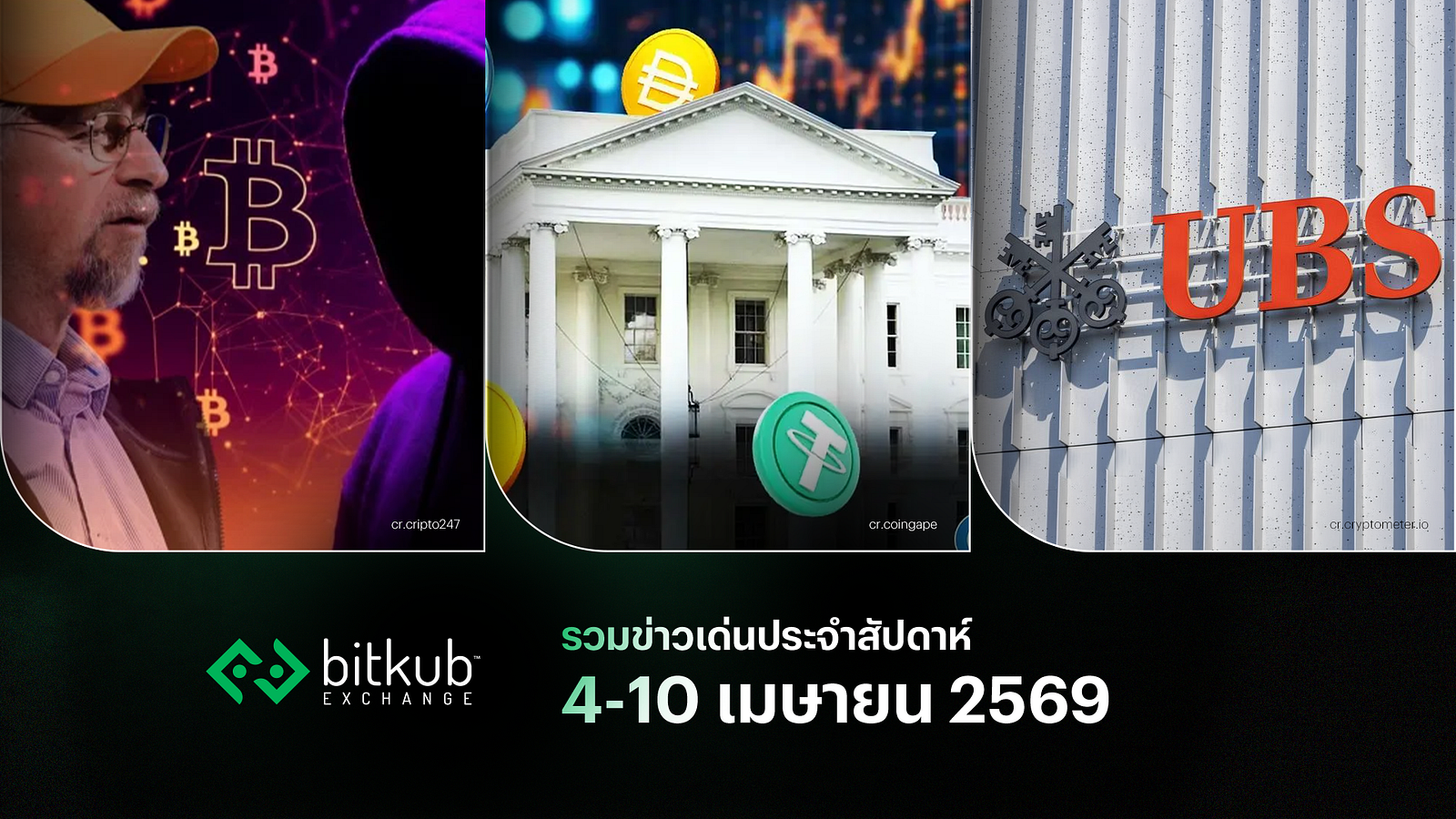
Adam Back ออกมายืนยันอีกครั้งว่าเขาไม่ใช่ Satoshi Nakamoto โดยชี้ว่าความลึกลับของตัวตนผู้สร้างเป็นผลดีต่อ Bitcoin มากกว่า ขณะที่ด้านกฎหมาย นักเศรษฐศาสตร์ทำเนียบขาว ได้แสดงท่าทีสนับสนุนการให้ผลตอบแทนจาก Stablecoin เพื่อประโยชน์ของผู้บริโภค ซึ่งสอดคล้องกับการเคลื่อนไหวในยุโรปที่ UBS และกลุ่มธนาคารสวิส เริ่มทดสอบ Stablecoin สกุลเงินฟรังก์ใน Sandbox เพื่อยกระดับระบบการเงินดิจิทัล อย่างไรก็ตาม เศรษฐกิจสหรัฐฯ กลับเผชิญภาวะชะงักงันและเงินเฟ้อสูงจนทำให้การตัดสินใจของ Fed ยากลำบากขึ้น แต่ถึงอย่างนั้น Chainalysis ยังคงคาดการณ์วอลุ่ม Stablecoin ในอนาคตที่อาจพุ่งสูงถึง 1,500 ล้านล้านดอลลาร์ โดยมี Visa และ Mastercard เป็นฟันเฟืองหลักในการวางโครงสร้างพื้นฐานเพื่อเปลี่ยนระบบชำระเงินโลก และสุดท้ายในเชิงเทคนิค รายงานจาก Bernstein ระบุว่า Bitcoin ยังมีเวลาเตรียมตัวอีก 3–5 ปี เพื่ออัปเกรดระบบให้ปลอดภัยจากภัยคุกคามของคอมพิวเตอร์ควอนตัมที่กำลังพัฒนาขึ้น
— — — — — — — — — —
Adam Back ปฏิเสธข่าวลือว่าเป็น Satoshi Nakamoto หลัง NYT เผยแพร่บทวิเคราะห์
Adam Back ผู้ก่อตั้ง Blockstream และผู้คิดค้น Hashcash ได้ออกมาปฏิเสธอีกครั้งเกี่ยวกับกระแสข่าวที่ว่าเขาคือ Satoshi Nakamoto ผู้สร้าง Bitcoin หลังจากที่ The New York Times เผยแพร่บทความสืบสวนที่ระบุว่าเขาคือผู้ที่มีความเป็นไปได้มากที่สุด โดย Back ให้เหตุผลว่าเขาเพียงแต่เป็นสมาชิกที่กระตือรือร้นมากในกลุ่ม Cypherpunks ทำให้มีร่องรอยการเขียนหรือแนวคิดที่คล้ายคลึงกันกระจัดกระจายอยู่ทั่วไป เขายังย้ำว่าการที่ Satoshi ยังคงเป็นปริศนานั้นเป็นเรื่องดีต่อ Bitcoin เพราะช่วยให้ผู้คนมองว่ามันเป็น “สินค้าโภคภัณฑ์ทางคณิตศาสตร์” มากกว่าจะเป็นโครงการของบุคคลใดบุคคลหนึ่ง
ที่มา: CryptoPotato
— — — — — — — — — —
นักเศรษฐศาสตร์ทำเนียบขาวคัดค้านการสั่งแบนการให้ผลตอบแทน (Yield) จาก Stablecoin
คณะที่ปรึกษาทางเศรษฐกิจ (CEA) ประจำทำเนียบขาว ได้ออกมาแสดงท่าทีคัดค้านการสั่งห้ามแพลตฟอร์มคริปโตมอบผลตอบแทนจากเงินฝาก Stablecoin โดยระบุว่าการแบนดังกล่าวแทบไม่มีผลในการปกป้องธนาคารชุมชนตามที่บางฝ่ายกังวล ในทางกลับกัน จะเป็นการลิดรอนสิทธิของผู้บริโภคในการได้รับผลตอบแทนที่คุ้มค่า ท่าทีนี้มีขึ้นท่ามกลางการถกเถียงเรื่องกฎหมาย Clarity Act ซึ่งอาจส่งผลต่อทิศทางการกำกับดูแล Stablecoin ในสหรัฐฯ โดยนักเศรษฐศาสตร์มองว่าการเปิดโอกาสให้เกิดการแข่งขันในด้านผลตอบแทนจะส่งผลดีต่อสวัสดิการของผู้บริโภคมากกว่า
ที่มา: CryptoPotato
— — — — — — — — — —
UBS และธนาคารยักษ์ใหญ่ในสวิตเซอร์แลนด์ ร่วมทดสอบ Stablecoin อิงค่าเงินฟรังก์
UBS ร่วมกับธนาคารชั้นนำอีก 5 แห่งในสวิตเซอร์แลนด์ เช่น PostFinance และ Sygnum ประกาศเปิดตัว “Sandbox” เพื่อทดสอบการใช้งาน Stablecoin ที่อิงกับค่าเงินฟรังก์สวิส (CHF) โครงการนี้มีวัตถุประสงค์เพื่อเชื่อมต่อแอปพลิเคชันบนบล็อกเชนเข้ากับระบบเงินตราของประเทศ เพื่อเสริมสร้างความแข็งแกร่งให้กับระบบนิเวศการเงินดิจิทัลและเพิ่มขีดความสามารถในการแข่งขันของสวิตเซอร์แลนด์ในฐานะศูนย์กลางทางการเงินโลก โดยมุ่งเน้นไปที่การทดสอบการใช้งานจริงในสภาพแวดล้อมที่ปลอดภัยและมีการกำกับดูแล
ที่มา: href="https://cryptopotato.com/ubs-and-major-swiss-banks-to-test-swiss-franc-stablecoin/">CryptoPotato
— — — — — — — — — —
เศรษฐกิจสหรัฐฯ ชะลอตัวเกือบหยุดนิ่ง แต่เงินเฟ้อยังสูงเกินกว่าที่ Fed จะเข้าช่วยได้ง่าย
สภาวะเศรษฐกิจสหรัฐฯ กำลังเผชิญกับความยากลำบาก หลังการเติบโตชะลอตัวลงจนเกือบหยุดนิ่ง แต่ตัวเลขเงินเฟ้อกลับยังคงอยู่ในระดับสูง (Stagflation) สถานการณ์นี้ทำให้ธนาคารกลางสหรัฐฯ (Fed) ตกอยู่ในภาวะกลืนไม่เข้าคายไม่ออก เนื่องจากไม่สามารถลดอัตราดอกเบี้ยเพื่อกระตุ้นเศรษฐกิจได้โดยง่าย เพราะเกรงว่าจะทำให้เงินเฟ้อพุ่งสูงขึ้นไปอีก นักวิเคราะห์เตือนว่าเศรษฐกิจกำลังเดินอยู่บนเส้นด้าย และทางเลือกในการกอบกู้ตลาดของ Fed นั้นมีจำกัดมากขึ้นเรื่อยๆ ท่ามกลางแรงกดดันจากค่าครองชีพที่ไม่ยอมลดลง
ที่มา: href="https://cryptoslate.com/the-u-s-economy-almost-stalled-but-inflation-still-stayed-too-hot-for-an-easy-fed-rescue/">CryptoSlate
— — — — — — — — — —
Chainalysis คาดการณ์วอลุ่ม Stablecoin อาจพุ่งแตะ 1.5 Quadrillion ภายในปี 2035
รายงานจาก Chainalysis ระบุว่าปริมาณการทำธุรกรรมของ Stablecoin มีโอกาสเติบโตอย่างมหาศาลจนถึงระดับ 1,500 ล้านล้านดอลลาร์ (Quadrillion) ในอีก 10 ปีข้างหน้า โดยมีปัจจัยหนุนหลักจากการถ่ายโอนความมั่งคั่งไปยังคนรุ่นมิลเลนเนียลและ Gen Z ที่คุ้นเคยกับคริปโต รวมถึงการที่ Stablecoin กลายเป็นโครงสร้างพื้นฐานหลักสำหรับการชำระเงินระดับโลก แม้จะเป็นการเติบโตแบบออร์แกนิกปกติก็คาดว่าวอลุ่มจะพุ่งถึง 719 ล้านล้านดอลลาร์ ซึ่งจะสะท้อนถึงการที่ Stablecoin เข้ามาแทนที่ระบบการชำระเงินข้ามพรมแดนแบบดั้งเดิมอย่างเต็มตัว
ที่มา: href="https://cointelegraph.com/news/stablecoin-volumes-1-5-quadrillion-2035-how">Cointelegraph
— — — — — — — — — —
Visa, Mastercard และ Stripe รุกหนัก ปรับโครงสร้างระบบชำระเงินด้วย Stablecoin
ยักษ์ใหญ่ด้านการชำระเงินอย่าง Visa, Mastercard และ Stripe กำลังเดินหน้าปรับเปลี่ยนระบบการเงินโลกด้วยการบูรณาการ Stablecoin เข้ากับเครือข่ายของตน โดย Visa เริ่มใช้ USDC ในการชำระบัญชีแล้ว ขณะที่ Stripe ได้เข้าซื้อกิจการ Bridge เพื่อขยายขีดความสามารถด้านนี้ ความเคลื่อนไหวดังกล่าวแสดงให้เห็นว่าบริษัทเหล่านี้มอง Stablecoin เป็น “เลเยอร์สภาพคล่อง” ของเศรษฐกิจในอนาคต ซึ่งจะช่วยให้การโอนเงินข้ามพรมแดนรวดเร็วและมีประสิทธิภาพมากขึ้นตลอด 24 ชั่วโมง โดยไม่ต้องพึ่งพาเวลาทำการของธนาคารแบบเดิม
ที่มา: href="https://cryptoslate.com/visa-stripe-mastercard-rebuild-payments-stablecoins/">CryptoSlate
— — — — — — — — — —
รายงานจาก Bernstein ชี้ Bitcoin มีเวลา 3–5 ปี ในการเตรียมตัวรับมือความเสี่ยงจาก Quantum
นักวิเคราะห์จาก Bernstein ประเมินว่าเครือข่าย Bitcoin มีเวลาประมาณ 3 ถึง 5 ปี ในการอัปเกรดระบบเพื่อรับมือกับภัยคุกคามจากคอมพิวเตอร์ควอนตัม (Quantum Computing) แม้เทคโนโลยีนี้จะสามารถถอดรหัสลับบางประเภทได้ แต่ผู้เชี่ยวชาญมองว่าเป็น “วงจรการอัปเกรดที่จัดการได้” มากกว่าจะเป็นวิกฤตที่ทำให้ Bitcoin ล่มสลาย ความเสี่ยงส่วนใหญ่จะกระจุกตัวอยู่ในกระเป๋าเงินรุ่นเก่า (Legacy Wallets) รวมถึงของ Satoshi ที่มีการเปิดเผย Public Key ส่วนกระเป๋ารุ่นใหม่มีการป้องกันที่ดีกว่า และชุมชนนักพัฒนาเตรียมพร้อมสำหรับการเปลี่ยนผ่านสู่มาตรฐานการเข้ารหัสที่ต้านทานควอนตัมได้ในอนาคต
ที่มา: href="https://cointelegraph.com/news/bitcoin-quantum-risk-3-5-years-bernstein">Cointelegraph
— — — — — — — — — —
คำเตือน:
-คริปโทเคอร์เรนซีและโทเคนดิจิทัลมีความเสี่ยงสูง ท่านอาจสูญเสียเงินลงทุนได้ทั้งจํานวน โปรดศึกษาและลงทุนให้เหมาะสมกับระดับความเสี่ยงที่ยอมรับได้
-ผลตอบแทนของสินทรัพย์ดิจิทัลในอดีตหรือผลการดําเนินงานในอดีต มิได้เป็นสิ่งยืนยันถึงผลตอบแทน ของสินทรัพย์ดิจิทัลหรือผลการดําเนินงานในอนาคต
— — — — — — — — — —
หากคุณยังเป็นมือใหม่ ค้นหาข้อมูลเพิ่มเติมได้ในบทความ “แหล่งความรู้ มือใหม่หัดเทรดคริปโต เริ่มต้นที่นี่” แล้วมาเริ่มต้นเทรดได้วันนี้ที่ Bitkub Exchange → คลิกสมัครเลย

— — — — — — — — — —
Weekly News (4–10 Apr 2026): Adam Back Denies Being Satoshi | White House Backs Stablecoin Yields | Swiss Banks Test Franc Stablecoin
The current global financial landscape is defined by a rapid integration of digital assets and mounting macroeconomic pressures, as evidenced by major payment networks like Visa and Mastercard rebuilding global infrastructure around stablecoins, while Chainalysis predicts transaction volumes could hit $1.5 quadrillion by 2035. Amidst this shift, institutional adoption is accelerating through initiatives like the Swiss franc stablecoin sandbox and a supportive stance from White House economists on stablecoin yields, even as the broader U.S. economy faces the threat of stagflation. Furthermore, while technical and identity debates continue — highlighted by Adam Back’s renewed denial of being Satoshi Nakamoto and Bernstein’s report on the three-to-five-year window for quantum-resistant upgrades — the consensus points toward a maturing ecosystem transitioning from speculative niche to a fundamental layer of the global economy.
— — — — — — — — — —
Adam Back Reaffirms He Is Not Satoshi Nakamoto Amid New York Times Investigation
Adam Back, the founder of Blockstream and inventor of Hashcash, has once again denied long-standing rumors that he is Satoshi Nakamoto, the creator of Bitcoin. The latest denial follows a report by The New York Times that named him as the most likely candidate for the identity. Back argued that he was simply a very active member of the Cypherpunks mailing list, which naturally left a significant “paper trail” for researchers to find. He reiterated that Satoshi’s anonymity is beneficial for Bitcoin, as it allows the asset to be viewed as a “mathematically scarce digital commodity” rather than a project dependent on a specific leader.
Source: CryptoPotato
— — — — — — — — — —
White House Economists Support Stablecoin Yields Against Potential Ban
In a notable shift, the White House Council of Economic Advisers (CEA) has expressed opposition to banning crypto platforms from offering yields on stablecoin deposits. As debates over the Clarity Act intensify, the CEA argued that prohibiting these yields would have little impact on protecting community banks while actively depriving consumers of competitive returns. This stance contrasts with earlier legislative proposals aimed at preventing crypto platforms from acting like traditional banks. The economists noted that the conditions required for a “positive welfare effect” from such a ban are simply implausible, signaling a more favorable regulatory outlook for the stablecoin industry.
Source: CryptoPotato
— — — — — — — — — —
UBS and Leading Swiss Banks Launch Sandbox to Test Swiss Franc Stablecoin
Banking giant UBS has partnered with five other major Swiss financial institutions — including PostFinance, Sygnum, and Raiffeisen — to launch a digital “sandbox” for testing a Swiss franc-based stablecoin. The initiative aims to explore how blockchain-based applications can be integrated with the national currency to strengthen Switzerland’s digital money ecosystem. By creating a secure, live testing environment, the banks hope to enhance the competitiveness of the Swiss financial center. The project focuses on practical use cases that could eventually lead to the broader adoption of regulated stablecoins within the country’s traditional banking infrastructure.
Source: CryptoPotato
— — — — — — — — — —
US Economy Stalls as Persistent Inflation Limits Federal Reserve Rescue Options
The U.S. economy is nearing a point of stagnation, with growth slowing significantly while inflation remains stubbornly high. This “stagflationary” environment leaves the Federal Reserve in a difficult position, as the “hot” inflation data makes it risky to implement interest rate cuts that would normally stimulate a slowing economy. Recent reports indicate that while economic momentum is weakening, price pressures have not cooled enough to provide a clear path for a “soft landing.” Market analysts warn that the Fed may be caught between a contraction in growth and an inability to rescue the market without reigniting inflation.
Source: CryptoSlate
— — — — — — — — — —
Chainalysis Predicts Stablecoin Volumes Could Reach $1.5 Quadrillion by 2035
A new report from Chainalysis suggests that stablecoin transaction volumes could skyrocket to $1.5 quadrillion over the next decade. This staggering figure assumes two major catalysts: a massive generational wealth transfer to crypto-native millennials and Gen Z, and the full integration of stablecoins as a default global payment infrastructure. Even under a more conservative “organic growth” scenario, adjusted volumes are projected to hit $719 trillion by 2035. Analysts highlight that the current expansion of infrastructure by firms like Visa and Mastercard is turning stablecoins into the “liquidity layer” of the global economy, potentially surpassing current cross-border payment volumes.
Source: Cointelegraph
— — — — — — — — — —
Visa and Mastercard Aggressively Integrate Stablecoins into Global Payments
Financial giants Visa, Mastercard, and Stripe are making decisive moves to rebuild the global payment architecture using stablecoins. Visa has already begun settling transactions in USDC, while Stripe recently acquired the stablecoin platform Bridge to bolster its capabilities. These moves indicate that the world’s largest payment networks view stablecoins not just as a niche asset, but as the future settlement layer for the entire financial system. By adopting this technology early, these companies aim to retain control over global money movement and fee structures as stablecoins begin to offer more efficient, 24/7 settlement compared to traditional banking hours.
Source: CryptoSlate
— — — — — — — — — —
Bernstein Report: Bitcoin Has 3 to 5 Years to Address Quantum Computing Risks
Analysts at Bernstein have estimated that Bitcoin has a window of three to five years to implement post-quantum security upgrades. While quantum computing poses a theoretical threat to current encryption, the report labels it a “manageable upgrade cycle” rather than an existential crisis. The primary risk is concentrated in older “legacy” wallets (including those belonging to Satoshi Nakamoto) that reuse public keys. Newer wallet formats are already significantly more resistant. The transition to quantum-resistant standards will likely be handled by Bitcoin’s open-source community, ensuring the network remains secure as quantum technology advances toward the ability to break modern cryptography.
Source: Cointelegraph
— — — — — — — — — —
Disclaimer:
- Cryptocurrency and digital tokens involve high risks; investors may lose all investment money and should study information carefully and make investments according to their own risk profile.
-Past Returns does not guarantee future returns/performance.
— — — — — — — — — —
Start your crypto trading journey today! If you’re new to the space, get all the information you need in our guide, “Crypto Trading for Beginners: Start Here.”
Ready to trade? Sign up now on Bitkub Exchange → Click to register!
— — — — — — — — — —
ที่มา:
Medium