Why Your Old iPhone Isn't a Real Hardware Wallet
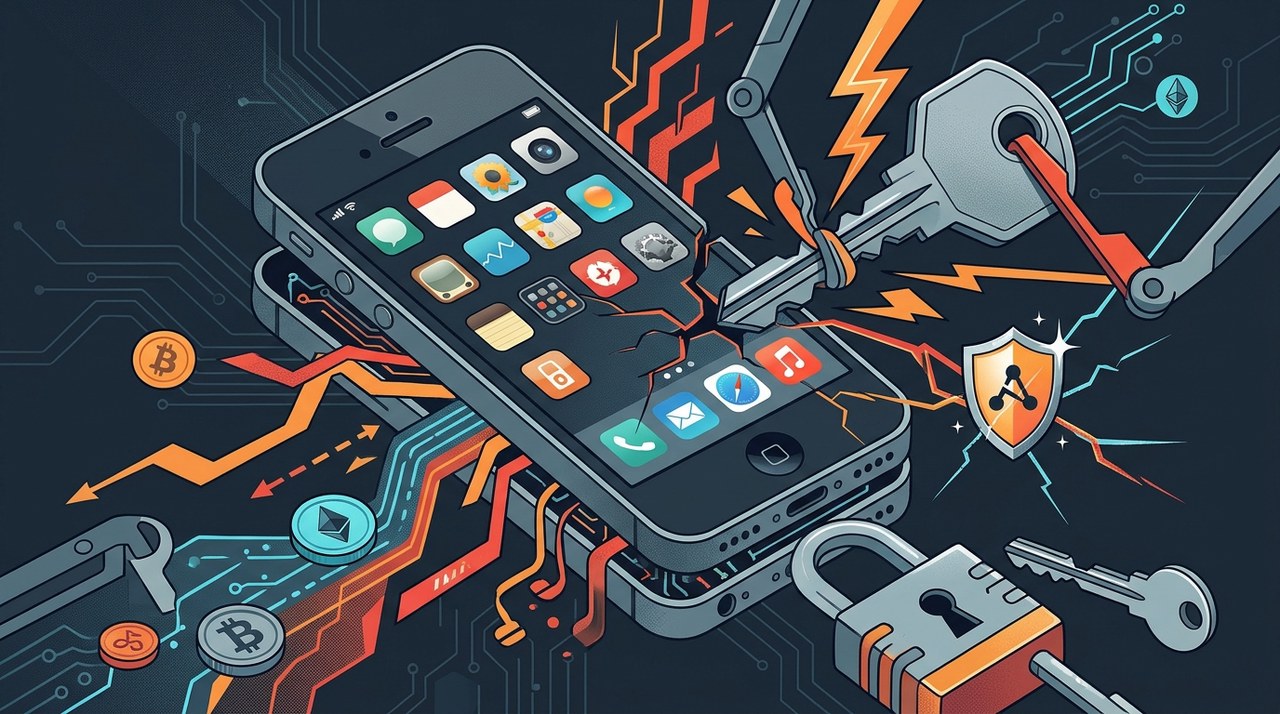
The DIY iPhone Cold Wallet Trend
Many crypto investors love taking full control of their digital assets through self-custody. To save money, some users turn spare smartphones into homemade cold storage wallets.
The process seems simple enough. You wipe an old iPhone, turn off Wi-Fi and cellular connections, and save your wallet recovery phrase on the device.
Since the device stays disconnected from the internet, you might assume online hackers cannot touch your funds. However, security experts warn that offline does not mean unhackable.
Why iPhones Aren't Unbreakable
Yishi Wang, the founder of hardware wallet maker OneKey, recently issued a warning about this practice. He pointed out that an offline phone still faces serious risks from physical attacks.
Smartphones are complex general-purpose computers. They were never designed from the ground up strictly to protect secret cryptographic keys against physical access.
Wang highlighted publicly documented flaws in several generations of Apple devices. Older models suffer from hardware exploits like checkm8, which targets early boot code on the chip.
Security researchers have also found low-level weaknesses in the startup sequence of later Apple devices. These vulnerabilities exist deep inside the hardware before the main operating system even loads.
An attacker does not need to trick you into downloading a malicious app. If someone gains physical possession of the phone, they can exploit these early boot flaws directly.
Why Software Updates Cannot Fix Boot Code Flaws
You might wonder if updating iOS resolves these hardware weaknesses. Unfortunately, immutable boot code cannot be altered once manufactured.
Because this early code is hardcoded into the chip, Apple cannot fix it through a standard software update. The vulnerability stays on the device for its entire life.
Switching off Wi-Fi, Bluetooth, and cellular networks does nothing to stop someone with direct physical access to the device.
That said, a hardware vulnerability does not mean an attacker instantly steals your recovery phrase. Device encryption, passcode strength, and secure key components still act as real defense barriers.
iPhone 11 and Older: The Warning Zone
Based on these hardware vulnerabilities, Wang strongly advises against trusting iPhone 11-generation and older devices with recovery phrases.
If you suspect your seed phrase was exposed on an old device, you should take action immediately to secure your assets.
You must generate a completely new recovery phrase using a clean, trusted setup. Once the new seed is ready, transfer your crypto funds to that new wallet.
Creating a new public address from the same old recovery phrase will not protect you. If the underlying seed is compromised, every address generated from it remains at risk.
Dedicated Hardware Wallets vs. Offline Phones
Understanding security comes down to evaluating threat models. A threat model defines what specific attacks a device is engineered to resist.
Purpose-built hardware wallets isolate signing keys on specialized chips. They allow you to double-check transaction details directly on an isolated hardware screen.
An offline smartphone reduces remote internet attacks, but network isolation alone does not convert a multi-purpose phone into a dedicated signing tool.
However, hardware wallets carry their own set of risks. Counterfeit devices, compromised shipping channels, and improper seed phrase storage can all jeopardize safety.
How to Better Secure Your Mobile Crypto Setup
Wang noted that even newer iPhones should not be treated as full replacements for dedicated signing devices when holding substantial long-term balances.
If you use smartphones for daily crypto management, security experts recommend several best practices to minimize risks:
- Keep your operating system updated to the latest available version.
- Use long, complex alphanumeric passcodes rather than simple four-digit PINs.
- Exercise strict caution when connecting your phone to external USB hardware.
- Never save plain-text recovery phrases in notes apps, cloud backups, or photo screenshots.
Key Takeaways for Self-Custody
Self-custody offers complete independence, but it also places full security responsibility on the asset holder.
Repurposing an old offline phone is a popular DIY hack, but it cannot match the physical protection of purpose-built hardware wallets.
Before storing substantial funds long-term, carefully assess your hardware setup, maintain offline seed backups, and use tools designed for your specific security needs.
Latest blog posts

BTCPay Server Issues Security Warning Over Hot Wallet Exploits
BTCPay Server urges operators to update software or shut down instances after reports of attackers draining funds from outdated hot wallets.
|


How Long to Learn Solana Development from Scratch?
Learning Solana development with no coding experience usually takes between six months and two years, depending on your weekly study time.
|
 +2
Bitcoin Drops 39% as Traditional Stocks Stay Near Highs
While major stock indexes like the S&P 500 remain close to record peaks, Bitcoin and speculative meme coins face significantly deeper drawdowns.
|