


How Long to Learn Solana Development from Scratch?
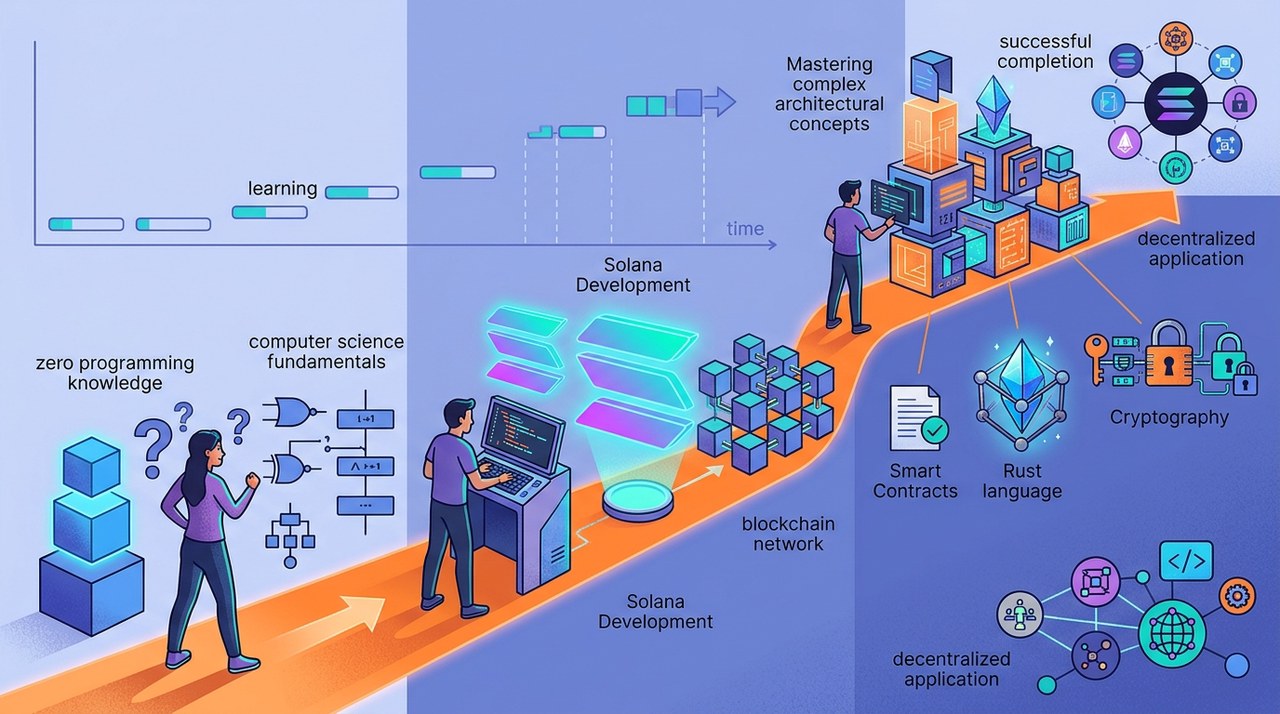
Why Learn SolanaSOL-1.11% Development?
Solana has earned a reputation as one of the most efficient blockchains in the crypto industry. It processes thousands of transactions per second at low fees, making it a popular alternative to EthereumETH+0.68%.
These low costs attract both everyday users looking for cheap micropayments and developers wanting to build active decentralized applications. Behind the network lies a vibrant community of Web3 builders.
However, building on Solana is generally harder for beginners compared to Ethereum. Ethereum uses Solidity, a language with years of developer tooling. Solana relies on Rust and features complex architecture.
Don't let that intimidate you. With regular practice, you can build a rewarding technical skill set in Web3 development.
How Long Does the Learning Journey Take?
If you start with zero programming knowledge, mastering Solana development typically takes six months to two years.
During this period, you need to understand core computer science ideas, general cryptography, and the Rust programming language.
Your actual timeline depends on your daily schedule:
- Full-time study (30-40 hours/week): Expect to grasp the fundamentals in 6 to 9 months.
- Part-time study (10-15 hours/week): Expect the process to take 1 to 2 years.
Phase 1: Start with Blockchain Fundamentals and Rust
Before diving into complex Solana code, you need a strong understanding of how blockchains work. A great starting point is reading the original BitcoinBTC+0.31% whitepaper to learn basic crypto concepts.
Next, explore the official Solana Playground website. This web-based environment lets you interact with Solana accounts and deploy basic programs directly from your browser.
Once you understand account models and transactions, turn your focus to Rust—the core language of Solana smart contracts.
Learning Rust takes patience. Start with official resources like The Rust Programming Language book during your first few weeks.
Practice basic coding exercises before attempting large projects. Building small applications and fixing errors step-by-step is the best way to gain confidence.
Phase 2: Master the Anchor Framework
Writing raw Rust code for Solana can feel overwhelming. Fortunately, the developer community created Anchor, a framework that simplifies smart contract development.
On Solana, smart contracts are referred to as programs. These programs handle automated instructions for decentralized applications (dApps).
To set up your workspace, install these core tools:
- Rust Compiler: The fundamental engine for compiling your code.
- Solana Tool Suite: Command-line utilities for connecting to the network.
- Anchor Framework: Tools that reduce boilerplate Rust code.
After running your first basic program, you will practice validating accounts and handling error codes.
Eventually, you will learn Cross-Program Invocations (CPI), which allow your custom Solana program to interact directly with other programs on the network.
Phase 3: Connect Full-Stack Application Components
Smart contracts are only one piece of the puzzle. To build usable products, you must learn full-stack web development.
A complete Solana application combines several technologies:
- Frontend (React or Next.js): Builds the visual interface users see on screen.
- Backend (Python or Node.js): Handles data processing and off-chain logic.
- Databases: Store supplementary information outside the blockchain.
You will also build tools to construct transactions, request digital signatures, and interface with browser wallets.
Integrating artificial intelligence utilities or user-friendly interface designs helps reduce friction for non-technical users.
Phase 4: Focus on Solana Security and Auditing
Security is a critical part of blockchain development. Writing buggy smart contracts can result in lost funds, making security expertise highly valued.
Solana has faced security vulnerabilities in the past, such as account validation oversights. In 2024, the ecosystem experienced a supply chain attack involving malicious code in a popular JavaScript library.
Understanding vulnerability patterns and access control rules is essential for writing secure smart contracts on Solana.
To secure your programs, focus on these essential topics:
- Common Vulnerabilities: Learn how account spoofing and missing owner checks occur.
- Access Control Models: Restrict authorization at the transaction and instruction level.
- Auditing Practices: Review code logic systematically before deploying to production.
Phase 5: Practice Risk-Free on Solana Devnet
You do not need real money to practice writing programs on Solana.
Developers create testing wallets connected to Solana's Devnet cluster. Devnet is a test network designed for experimentation.
Using command-line prompts, you can request free Devnet SOL tokens from a faucet. These test tokens have no real financial value, allowing you to test deployment without financial risk.
Final Thoughts: Staying Committed
Learning Solana development without prior coding experience is challenging, but achievable with consistent daily effort.
By following a structured roadmap—from Rust basics to Anchor frameworks, full-stack tools, and security auditing—you can master Solana development in under two years.
Latest blog posts
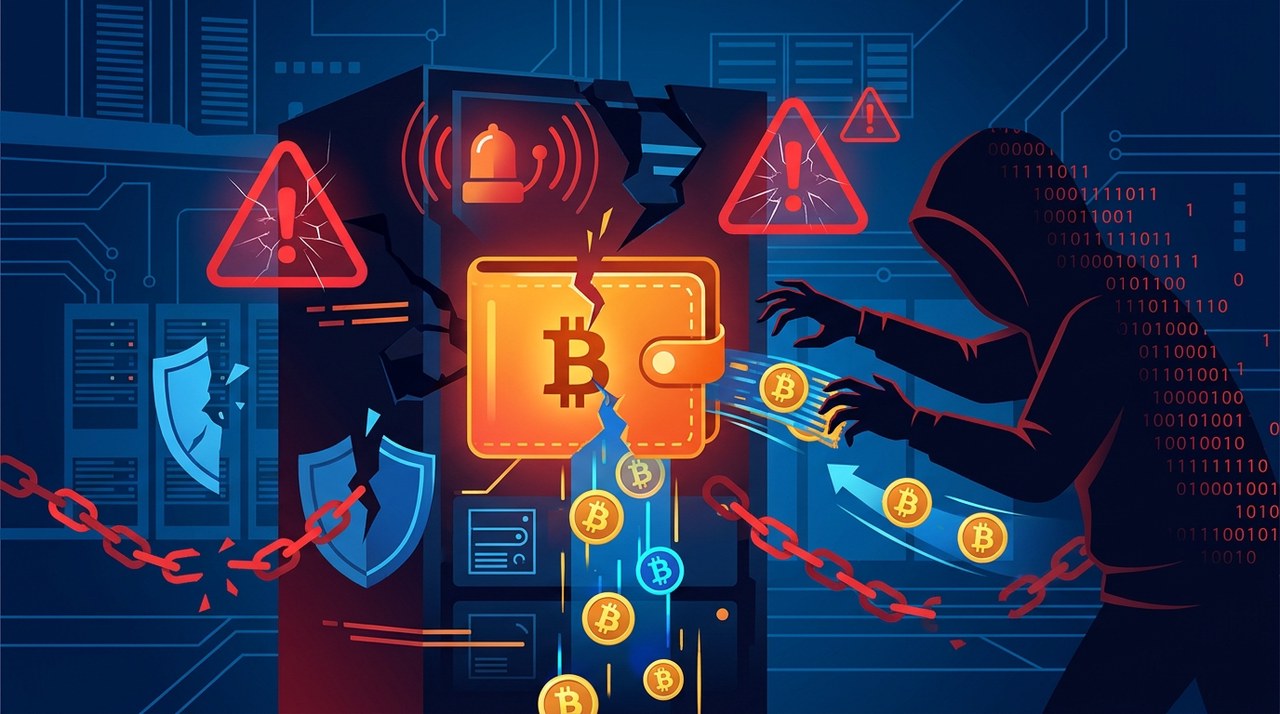
BTCPay Server Issues Security Warning Over Hot Wallet Exploits
BTCPay Server urges operators to update software or shut down instances after reports of attackers draining funds from outdated hot wallets.
|
 +2
Bitcoin Drops 39% as Traditional Stocks Stay Near Highs
While major stock indexes like the S&P 500 remain close to record peaks, Bitcoin and speculative meme coins face significantly deeper drawdowns.
|
South Korea GDP Beats Forecasts at 1.0% So Why Is KOSPI Down?
South Korea's Q3 GDP grew by 1.0%, beating central bank forecasts. However, the KOSPI index remains down due to tech market concerns.