
BTCPay Server Issues Security Warning Over Hot Wallet Exploits
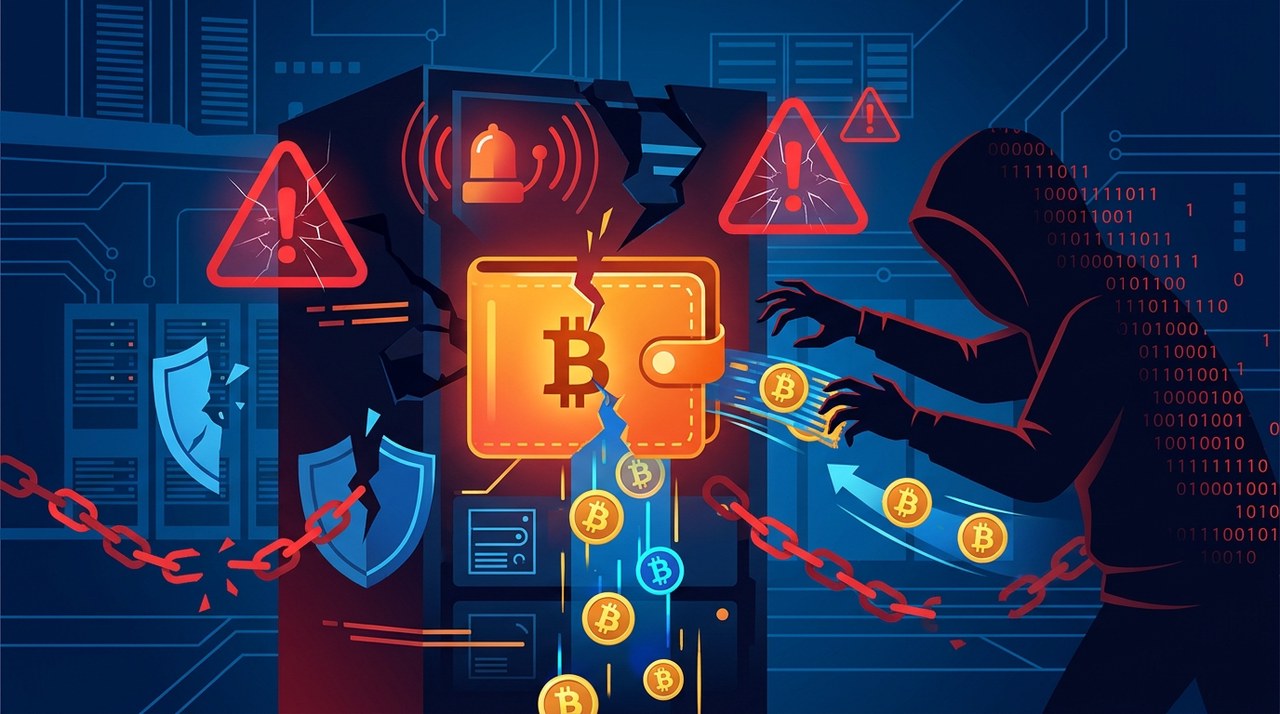
Urgent Security Warning for BTCPay Server Operators
If you run a BTCPay Server instance to accept BitcoinBTC+0.30% payments for your business, it is time to check your system setup immediately. The popular open-source payment processing platform recently issued an urgent security warning to all node operators and merchants.
Reports have emerged showing that unauthorized attackers are actively targeting unpatched servers. By exploiting vulnerabilities in older software versions, bad actors have managed to gain unauthorized access and drain funds directly from connected hot wallets.
What Caused the Hot Wallet Vulnerability?
Security alerts began circulating after several store operators noticed unexpected outgoing transactions from their server wallets. Investigation into the incidents revealed a common factor: the affected systems were running outdated versions of the BTCPay Server software.
While open-source development teams regularly release patches to fix software bugs and vulnerability flaws, servers that skip these updates remain vulnerable to automated exploit scans. In this incident, attackers successfully targeted outdated deployments and emptied the digital assets stored in active hot wallets.
What Is BTCPay Server?
To understand why this issue matters to online merchants, it helps to look at how BTCPay Server operates. Unlike traditional payment gateways like PayPal or third-party crypto processors, BTCPay Server is a self-hosted, open-source payment system.
Think of BTCPay Server as a self-managed digital cash register. It allows merchants to process Bitcoin payments directly from customers without relying on centralized intermediaries or paying third-party service fees.
- Self-Custody: Merchants maintain full control over their private keys and incoming payments.
- Zero Processing Fees: No central company takes a cut of your transaction volume.
- Direct Settlement: Funds land directly into user-controlled Bitcoin wallets without delay.
- Open Source: The code is publicly audited and maintained by a global developer community.
Because BTCPay Server is self-hosted, server maintenance, security monitoring, and software patching fall entirely on the operator running the server node.
Understanding Hot Wallets vs. Cold Storage
The security advisory specifically highlights risks associated with hot wallets. Understanding how hot and cold wallets function can help merchants manage operational risk effectively.
What Is a Hot Wallet?
A hot wallet is a cryptocurrency wallet connected directly to the internet. When connected to BTCPay Server, a hot wallet allows the application to automatically generate deposit addresses, sign refund transactions, and settle payments instantly without manual intervention.
You can picture a hot wallet like the cash drawer at a store counter. It holds enough funds to process regular daily operations, but it carries higher exposure if the physical location is breached.
What Is a Cold Wallet?
A cold wallet (or cold storage) is a hardware device or paper seed phrase stored completely offline. Because cold wallets do not connect to internet networks, they are immune to remote cyberattacks.
In the store analogy, a cold wallet is like a secure floor safe in a locked back office. It holds long-term reserves and requires physical interaction to transfer funds.
Recommended Action Steps for Server Operators
BTCPay Server developers urge all instance maintainers to take quick action to secure their servers against potential exploits.
- Shut down vulnerable instances: If you are running an outdated version, temporarily pause your server instance to stop unauthorized outbound transactions.
- Upgrade software immediately: Apply the latest official BTCPay Server updates, which contain critical security patches.
- Inspect transaction history: Check server access logs and wallet transactions to confirm whether unauthorized transfers occurred.
- Sweep funds to cold storage: Move accumulated customer payments out of hot wallets into offline hardware wallets.
- Rotate API keys and credentials: Reset admin passwords, SSH access keys, and API tokens connected to the server environment.
Why Software Patching Is Essential in Crypto Security
Maintaining digital infrastructure requires ongoing attention to security. Because open-source code is public, both security researchers and malicious actors study code changes closely.
When developers publish updates to fix a security flaw, attackers rapidly create automated tools to scan public IP addresses for systems that haven't updated. Unpatched servers become vulnerable targets for automated attack scripts.
Best Practices for Merchants Accepting Bitcoin
Merchants accepting cryptocurrency directly can lower operational risks by following standard security guidelines:
- Minimize Hot Wallet Balances: Keep online balance limits small and setup automatic transfers to offline wallets.
- Use View-Only Extended Public Keys (xPub): Configure payment options using view-only keys so the server can generate payment addresses without storing spending keys on the internet server.
- Enable Multi-Factor Authentication: Protect server management dashboards with strong two-factor authentication (2FA).
- Subscribe to Official Security Alerts: Follow release channels on GitHub, Matrix, or Telegram to receive immediate updates when security releases launch.
Conclusion
The security incident involving outdated BTCPay Server deployments underlines the core responsibility of running self-hosted software. While self-custody tools provide financial independence, keeping server software updated remains essential for protecting digital assets.
Latest blog posts



How Long to Learn Solana Development from Scratch?
Learning Solana development with no coding experience usually takes between six months and two years, depending on your weekly study time.
|
 +2
Bitcoin Drops 39% as Traditional Stocks Stay Near Highs
While major stock indexes like the S&P 500 remain close to record peaks, Bitcoin and speculative meme coins face significantly deeper drawdowns.
|
South Korea GDP Beats Forecasts at 1.0% So Why Is KOSPI Down?
South Korea's Q3 GDP grew by 1.0%, beating central bank forecasts. However, the KOSPI index remains down due to tech market concerns.