
US Becomes Net Importer of Bitcoin for First Time Since 2022

The United States has flipped back to importing more BitcoinBTC+0.17% than it sends abroad. According to a new report from blockchain analysis firm Chainalysis, this marks the first time the U.S. has been a net importer of Bitcoin since 2022.
Big Money Drives the Shift
Since Bitcoin exists entirely on a digital blockchain ledger, it does not physically cross borders. To measure these flows, Chainalysis tracked web traffic and transaction data from service providers over the year ending in June 2026.
The data revealed a clear split between everyday retail users and large institutions.
- Retail transfers: Transactions under $10,000 consistently showed money flowing out of the U.S.
- Institutional transfers: Transfers over $10 million flipped heavily to net inflows.
- Major impact: The $10 million-plus category alone brought 53,200 Bitcoins (worth roughly $4.3 billion) into the country.
As Chainalysis simply summarized: "Retail sends bitcoin out; institutions bring it in."
Everyday Americans may send Bitcoin overseas to pay for goods, support family abroad, or trade on offshore peer-to-peer exchanges. Meanwhile, institutional players are pulling substantial amounts back into domestic wallets.
The Impact of Spot ETFs and Government Strategy
Spot Bitcoin exchange-traded funds (ETFs) have helped solidify America's growing role in global crypto activity since launching in January 2024.
These funds did experience $5.39 billion in net outflows during the first half of 2026 before bouncing back. This highlights how rapidly institutional capital flows can reverse during broader market downturns.
In addition, discussions surrounding a federal Strategic Bitcoin Reserve have created subtle backdrop demand. Even without active government buying, such policies boost overall market confidence.
Bitcoin vs. Stablecoins: A Tale of Two Needs
The report highlights a fascinating divide in how Americans and the rest of the world use digital assets. While the U.S. imports Bitcoin, it effectively exports U.S. dollar-pegged stablecoins to global users.
For people outside the U.S., stablecoins provide a way to hold and trade digital dollars without needing an American bank account.
Conversely, American investors primarily look at Bitcoin as a scarce store of value to protect against inflation.
"Investor interest in bitcoin as a monetary alternative remains strong, particularly as government debt and spending reach new highs globally," noted Will Su, managing director and head of digital assets research at BlackRock.
Global Currency Shifts and Market Reality
The global surge in dollar stablecoins is reshaping traditional finance. A report from the Federal Reserve Bank of San Francisco noted that stablecoin issuers added over $200 billion in U.S. Treasury holdings over five years, helping offset declines in debt holding from foreign nations like China.
This dominance has pushed European central bankers to respond. The European Central Bank cited the rise of dollar tokens—which make up 99.1% of stablecoin order book volume compared to just 0.45% for euro tokens—as a primary reason for developing a digital euro.
Despite these structural trends, digital asset markets remain volatile. Chainalysis noted that total crypto market capitalization contracted by $2.1 trillion in the 12 months leading up to June 30.
Investors should keep in mind that past performance of digital assets is not a guarantee of future returns. You can track real-time asset data directly on trusted exchanges like Bitkub Market.
Latest blog posts
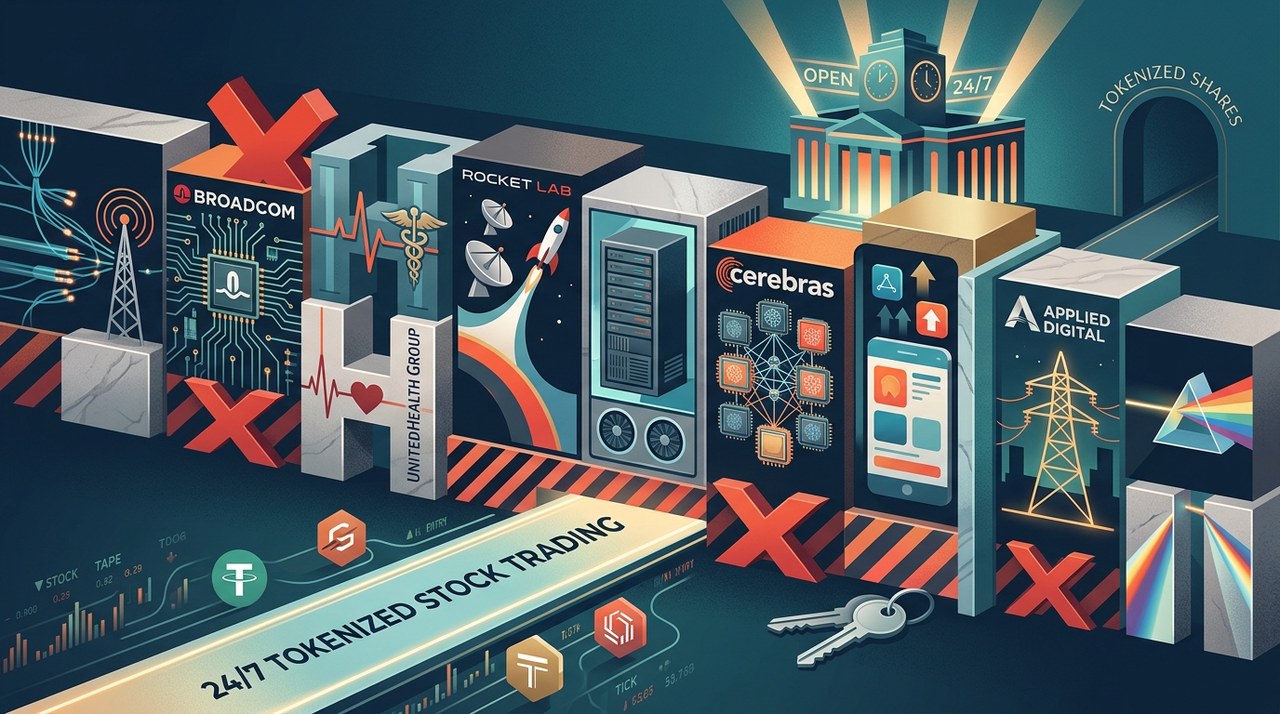


9 US Companies Object to OKXICE Tokenized Stock Trading
Nine U.S. public companies have formally objected to OKXICE trading tokenized versions of their shares, creating a hurdle for 24/7 stock markets.
|

Vitalik Buterin Builds Paranoid Mode for AI Privacy
Ethereum co-founder Vitalik Buterin released an experimental privacy tool called Paranoid Mode to help hide sensitive user data and financial secrets from AI models.
|
EU and 8 Nations Sign New Treaty to Fight Crypto Crime
The European Union and eight allied countries have signed an updated international protocol to track, freeze, and share illicit crypto assets across borders.
|