UK Targets Cryptomus and TokenSpot in Russia Sanctions
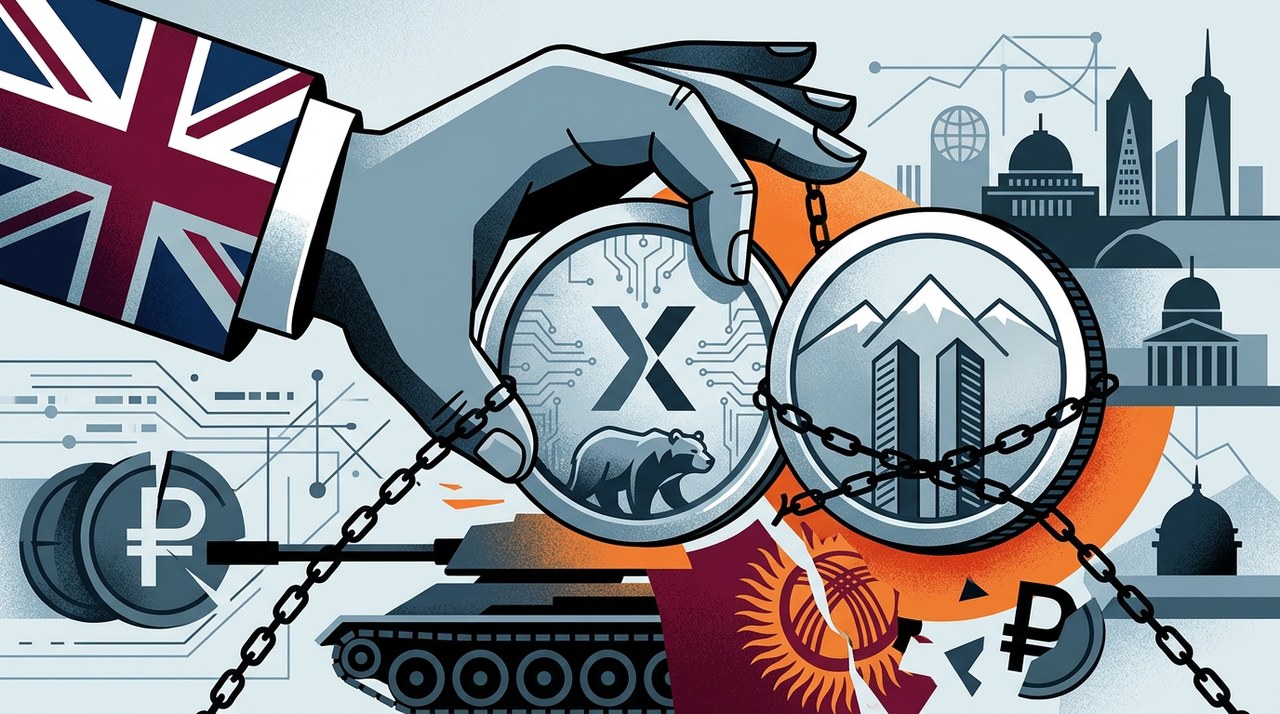
UK Cracks Down on Crypto Platforms Linked to Russia
The UK government has taken new action against crypto platforms and payment providers suspected of helping Russia bypass international financial sanctions. On Thursday, the Foreign, Commonwealth & Development Office (FCDO) unveiled a fresh package containing 38 sanctions designations.
This latest enforcement round targets three cryptocurrency exchanges, two payment services platforms, and one executive. Authorities suspect these entities helped process funds to support Russia's military operations.
Which Crypto and Payment Firms Were Targeted?
The new sanctions list focuses on entities operating across multiple jurisdictions, including North America and Central Asia. The crypto and payment targets include:
- Xeltox Enterprises: A Vancouver-registered Canadian firm that owns the popular crypto gateway Cryptomus. UK officials noted its activities are linked to and continued via Heleket.
- Token Spot and Tsunami Payments: Two Kyrgyz crypto companies that share an office tower in Bishkek.
- Processing KG: The operator of payment service Vex Pay. Its parent organization is Kyrgyzstan's Ministry of Finance.
- Ulan Bukabaev: The director of Processing KG, who was sanctioned personally alongside the company.
Understanding Internet Services Sanctions
Alongside typical asset freezes, the UK imposed internet services sanctions on the four targeted firms. These measures require social media platforms, internet service providers, and app stores to block UK residents from accessing these platforms' applications and websites.
The goal is to sever digital access points, preventing UK users and entities from interacting with these sanctioned services.
Connections to the A7 Illicit Financial Network
Government officials highlighted that two of the targeted entities facilitated transactions with A7, a Kremlin-backed illicit finance network. Authorities did not specify which two companies processed transactions for A7.
The UK describes A7 as an illicit financial network created to bypass sanctions on Russia's banking industry. According to UK officials, A7 claimed to have moved over $90 billion last year, which represents roughly half of Russia's annual military spend.
"Putin's war depends on money, oil revenues and the networks that help sustain them. Today, the UK is imposing 38 new sanctions to disrupt those networks. The message is simple: if you help Russia fund or equip this war, you will face the consequences." — Foreign, Commonwealth & Development Office
Oil Companies, Shadow Fleets, and Supply Chains
The crypto sanctions are part of a larger 38-target package hitting key Russian oil and military supply chains:
- Major Energy Producers: Sanctions designated Russian oil producers Zarubezhneft and INK Capital. UK restrictions now cover over 90% of Russia's oil production capacity.
- Shadow Fleet Vessels: The UK added 12 shadow fleet tankers to the sanctions list, bringing the total number of sanctioned tankers to over 600.
- Military Goods Suppliers: 17 entities and individuals involved in supplying critical parts for Russia's drone and missile manufacturing were also designated.
Global Western Actions on Crypto Sanctions
The UK, United States, and European Union have steadily targeted digital asset companies over the past few years to prevent financial evasion.
Back in May, the UK sanctioned Justin Sun's HTX exchange alongside other crypto entities, alleging HTX provided financial services to A7. Two months later, the EU added HTX to its own sanctions list.
The U.S. has designated the A7 network as a transnational criminal organization, while the EU is moving toward a full ban on all crypto transactions with Russian entities.
Law Enforcement Enforcement Operations and Local Rules
Direct law enforcement actions are ongoing inside the UK as well. A national operation targeting Russian sanctions evasion has led to 128 arrests alongside seizures of cash and cryptocurrency.
Central Asian regulators are responding as well. In May, Kyrgyzstan ordered 50 companies to cease operations after state agencies highlighted sanctions risks.
What This Means for Crypto Users
These updates demonstrate that global authorities are monitoring international crypto flows closely. Everyday users should stay informed about regulatory compliance when using international platforms, as sanctioned services can quickly lose access to mainstream payment channels.
Latest blog posts

Money Market Funds Grab $166 Billion: Why Investors Fled
A massive $166.4 billion rushed into money market funds in one week as surging bond yields spooked traditional and crypto markets alike.
|


DWF Labs Subsidiaries Sue BitGo for $141 Million Over Token Lock-Up
DWF Labs subsidiaries are suing crypto custodian BitGo in London, claiming broken lock-up terms caused major token price crashes.
|


Could AI Break the Math Protecting Crypto Wallets?
Cryptographers are questioning if artificial intelligence could find shortcuts in the complex math that protects Bitcoin and Ethereum wallets.
|