Trezor Trims Reseller Network to Boost Supply Chain Security

Trezor Trims Reseller List to Protect Buyers
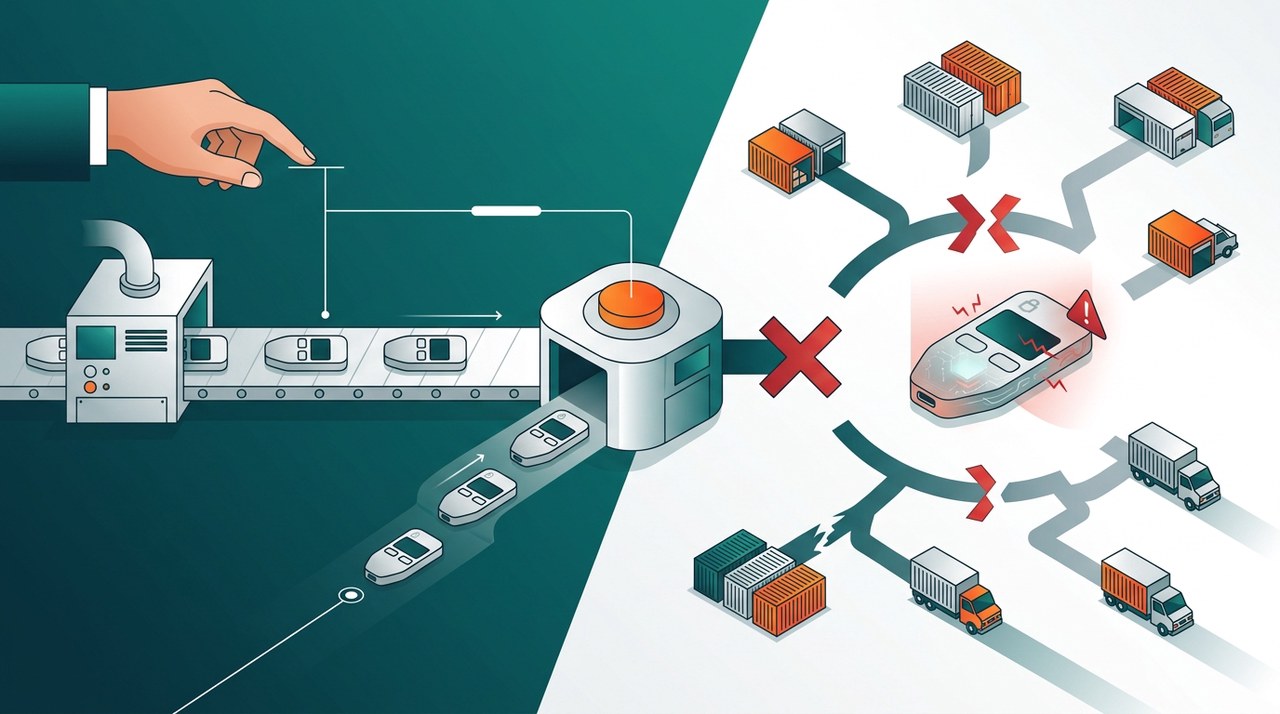
Popular crypto hardware wallet maker Trezor is taking proactive steps to protect its customers from supply chain risks. Danny Sanders, the Chief Commercial Officer (CCO) at Trezor, announced that the company has notified several resellers that they will be removed from Trezor's official list of authorized entities starting Jan. 1.
This strategic decision comes as a preventative measure after reports surfaced regarding physical tampering with devices from competitor Ledger. By reducing the number of third-party distributors, Trezor aims to maintain tighter control over how its hardware devices reach end consumers.
Why Supply Chain Security Matters in Crypto
Hardware wallets are designed to keep private keys offline, away from hackers and malicious software. However, the physical path a device takes from the factory to your doorstep represents a critical security checkpoint.
If a third party intercepts or modifies a hardware wallet before it reaches the buyer, they could potentially install malicious firmware or include pre-generated seed phrases. This type of attack bypasses standard digital security features entirely.
The Industry Context: Tampering Reports
The decision follows recent reports in the crypto community highlighting supply chain vulnerabilities and device tampering involving Ledger hardware wallets. While Trezor itself has not reported widespread breaches of its own supply chain, the company is acting early to minimize potential attack vectors.
Danny Sanders emphasized that removing certain resellers from the authorized list is a proactive safeguard. Tightening the distribution network helps ensure that every customer receives an authentic, untampered device directly from trusted sources.
What This Means for Crypto Investors
If you are planning to purchase a hardware wallet, this update serves as a helpful reminder to check where you buy your device. Buying directly from the manufacturer or verified official partners remains the safest route.
- Check official distributor lists: Always verify whether a seller is officially recognized on the manufacturer's website before ordering.
- Inspect packaging: Ensure holograms, shrink-wrap, and tamper-evident seals are intact when your package arrives.
- Generate your own recovery phrase: Never use a device that comes with a pre-printed seed phrase or instructions telling you to use a specific backup code.
- Verify firmware upon setup: Ensure the official companion software checks device authenticity during initial initialization.
Final Thoughts on Hardware Wallet Safety
Trezor's decision to trim its authorized reseller list starting Jan. 1 highlights the growing importance of physical security in the digital asset space. As hardware attacks become more sophisticated, proactive measures by manufacturers help build a safer ecosystem for everyone.
Latest blog posts

Ripple Partners With Stripe's Privy to Upgrade XRPL Wallets
Ripple has partnered with Stripe-owned Privy to bring embedded wallets to the XRP Ledger, simplifying crypto payments for developers and users.
|
Ledger Reseller Breach Expands Amid $200M Cold Wallet Attacks
An investigation into physical Ledger hardware wallet tampering has uncovered multiple compromised official resellers across Asia and Europe.
Trezor Cuts Reseller Network Following Ledger Security Breach
Hardware wallet maker Trezor is revoking authorization for many third-party resellers starting January 2027 to protect its supply chain following a major hardware attack on Ledger.