Trezor Cuts Reseller Network Following Ledger Security Breach
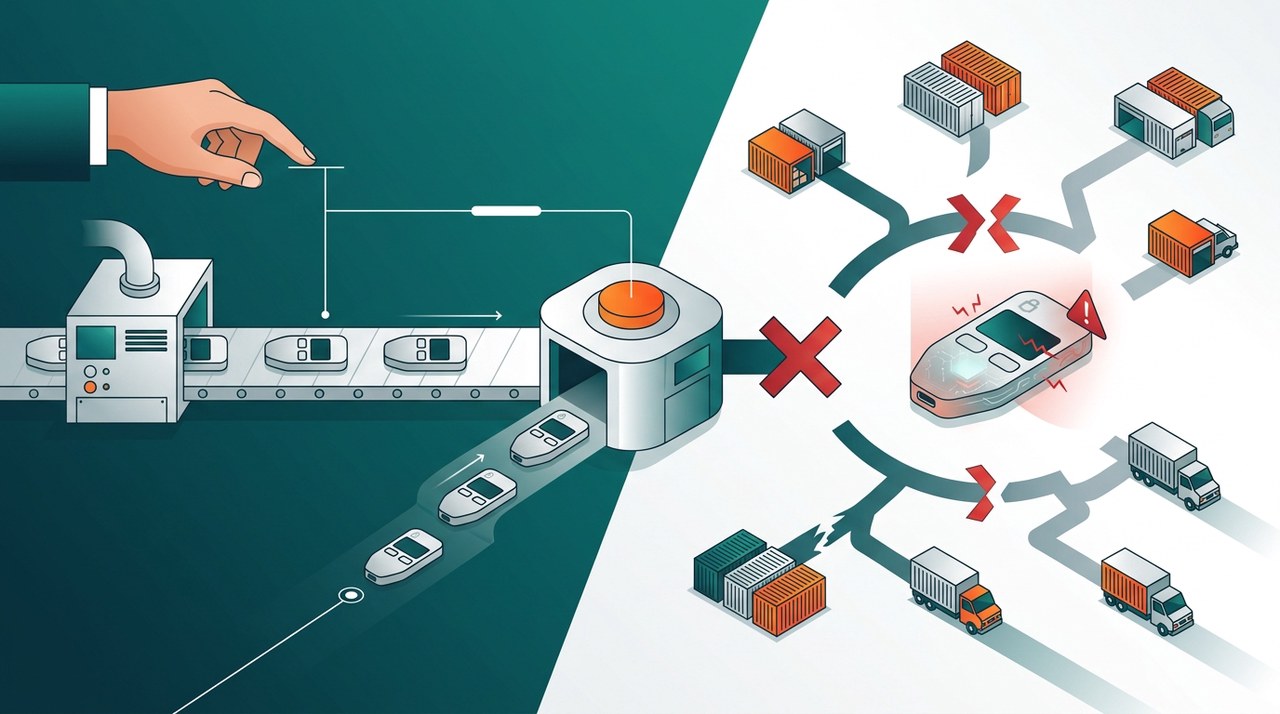
Trezor Takes Direct Control of Its Supply Chain
Crypto hardware wallet manufacturer Trezor is cutting ties with a significant portion of its authorized reseller network. The company announced this strategic change following a massive supply-chain security breach that impacted its primary competitor, Ledger.
In a letter sent directly to business partners, Trezor Chief Commercial Officer Danny Sanders revealed that authorization for affected resellers will be officially revoked on January 1, 2027. The decision allows Trezor to exercise much stricter oversight over how its physical hardware wallets are stored, distributed, and sold globally.
This major operational pivot follows alarming discoveries of rogue hardware implants hidden inside Ledger devices sold by third-party vendors. While Trezor's abrupt decision might lead some observers to wonder if Trezor devices were also targeted, the company emphasized that this step is purely precautionary.
"Let me be very clear: there is not a single piece of evidence that Trezor devices have been compromised," Sanders stated in his letter to partners.
What Triggered the Security Scare at Ledger?
To understand why Trezor is overhauling its distribution strategy, it helps to examine the recent security scandal involving Ledger. The hardware wallet giant was recently drawn into a major supply-chain incident tied to a Southeast Asian reseller named Crypto Bilis.
Ledger acknowledged that specific devices sold through this vendor were tampered with before reaching end customers. Findings published by Ledger's Donjon security team revealed that unauthorized hardware implants were physically inserted inside the devices.
How the Malicious Implants Operated
The rogue microchips were designed to intercept a user's secret 24-word recovery phrase during initial device setup. Once captured, the malicious implants used hidden cellular network capabilities to quietly transmit those private recovery phrases back to attackers.
Armed with those stolen recovery phrases, attackers could gain complete remote control over victims' cryptocurrency holdings. Independent blockchain sleuths estimated total losses from the incident at more than $90 million, though Ledger has not independently confirmed that specific loss figure.
Why Supply-Chain Risks Concern Hardware Wallet Makers
Hardware wallets are designed to keep private keys safely isolated offline. However, software encryption cannot protect a user if a bad actor physically alters the inner hardware before the package ever arrives at the customer's home.
Sanders explained that even when a hardware wallet's underlying code and design are technically secure, external risks remain if unauthorized handlers gain physical access to devices anywhere along the supply chain.
Transition Timeline for Affected Trezor Resellers
Trezor is implementing a multi-step timeline to give affected partners time to clear existing inventory. Resellers who received formal termination notices will officially be removed from Trezor's public list of authorized partners on January 1, 2027.
Key details of the reseller transition agreement include:
- Revocation of official reseller authorization takes effect on January 1, 2027.
- No new stock or product shipments will be delivered to affected vendors.
- Affected resellers may sell remaining inventory through the Black Friday and holiday shopping seasons.
- Delisting from the official Trezor website partner directory occurs on the final cutoff date.
Trezor clarified that its assessment of each regional market relied on overall revenue, logistical distribution capabilities, and the brand's established presence in that specific territory.
By significantly scaling back the total number of third-party vendors, Trezor can conduct much deeper, more frequent security inspections across its distribution network. The company did not disclose the precise number of resellers losing authorized status.
Sanders explicitly noted that losing authorization is a strategic risk-mitigation step and does not imply any wrongdoing or compromised stock on the part of the affected businesses.
Tighter Oversight for Remaining Authorized Partners
For distributors that maintain their authorized status after 2027, Trezor plans to enforce far stricter contractual requirements. These updated contracts will grant Trezor direct oversight regarding how products are procured, stored, and physically managed in warehouses.
This industry-wide shift underlines how supply-chain security is rapidly becoming a central priority for hardware wallet companies worldwide.
Best Practices for Hardware Wallet Security
While hardware wallets offer robust self-custody protection, users should maintain rigorous habits when purchasing and setting up cold storage devices:
- Purchase devices directly from the official manufacturer website whenever feasible.
- Carefully inspect outer packaging and tamper-evident seals upon arrival.
- Never use a wallet that arrives with pre-written seed phrases or setup instructions inside the box.
- Ensure your 24-word recovery phrase is generated strictly on the device's built-in screen during initial configuration.
Latest blog posts



Ethereum FOMO Returns as ETF Investors Sell for 10 Days
Retail traders are turning bullish on Ethereum again, even as institutional ETF investors withdraw over $780 million.
|
Are AI Researchers Smoking to Signal Faith in AI?
A Palantir executive claims AI scientists are smoking cigarettes to demonstrate their confidence in AI curing cancer.

 +2
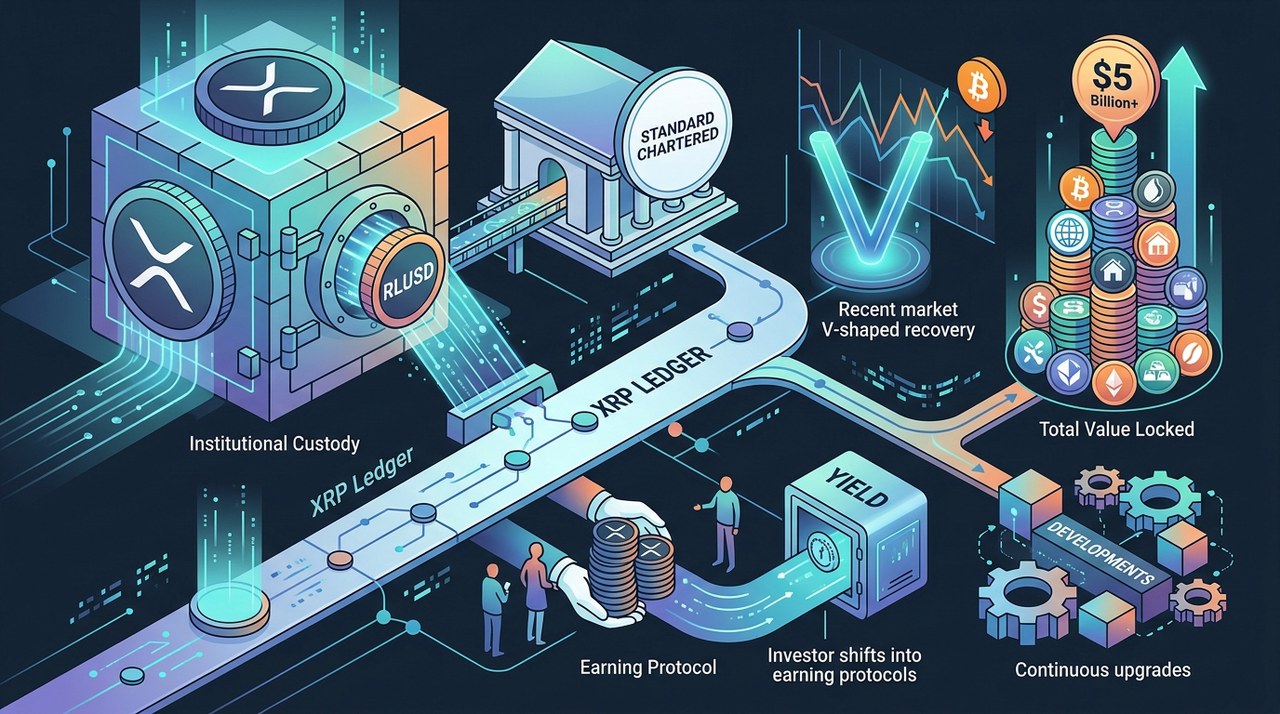
+2Standard Chartered and 4 Key XRP Ledger Updates
XRP recovered to $1.37 alongside big developments, including Standard Chartered offering custody for Ripple's RLUSD stablecoin.
|