
Tether Backs Peso to Push USDT Payments in Latin America
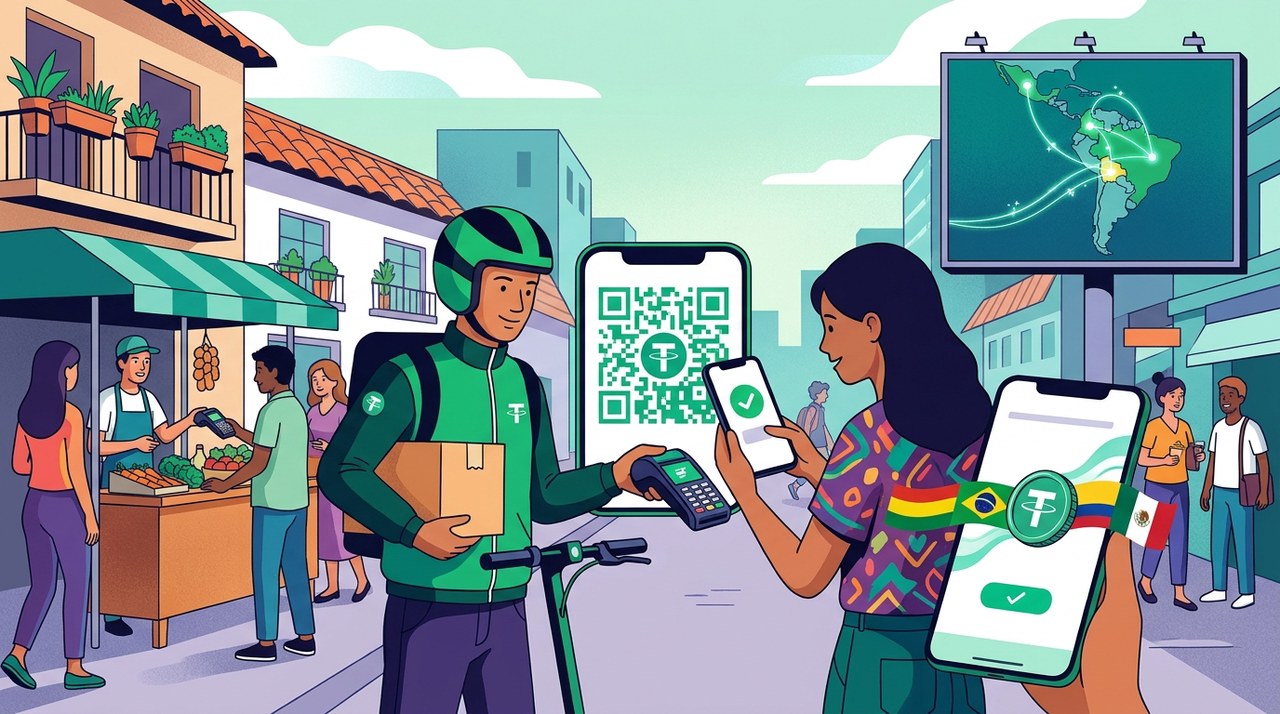
TetherUSDT+0.42% Backs Bolivian Startup Peso
Tether, the company behind the USDT stablecoin, has led a pre-seed funding round in Peso.
Peso is a Bolivian fintech startup that offers cryptocurrency savings, payment, and investment services across Latin America.
While the exact dollar amount remains undisclosed, the deal aims to turn USDT into a routine payment option for everyday shoppers.
Bringing USDT to Everyday Retail Purchases
Many people hold stablecoins to protect their money against inflation. Peso wants to make those digital dollars easy to spend.
The startup builds payment tools for e-commerce, food delivery, and ride-hailing apps.
For example, Peso powers USDT payments on Yango, a local app that lets people order food directly without using physical cash.
It also provides point-of-sale (POS) terminals that connect USDT balances directly to merchant bank accounts for instant crypto-to-fiat swaps.
Expanding Across Four Latin American Nations
Tether's funding will help Peso grow rapidly in four key regional markets:
- Bolivia: Expanding local on- and off-ramps for seamless transfers.
- Brazil: Installing POS terminals for store checkouts.
- Colombia: Integrating USDT into everyday merchant transactions.
- Argentina: Offering stablecoin access for inflation management.
In these countries, many residents already rely on USDT as a proxy for the U.S. dollar.
Insights from Industry Leaders
Tether CEO Paolo Ardoino stressed the value of building actual payment channels rather than just savings tools.
Peso is building the kind of everyday-spend infrastructure that turns USDT from a savings tool into a payments channel people rely on daily. By supporting Peso's growth across the region, we aim to create a new standard for stablecoin-powered solutions.
Alejandro Terán, CEO and co-founder of Peso, praised Tether for believing in local engineering talent.
That a company like Tether chose a Bolivian startup for this investment is a recognition of the talent and execution capacity that exists here, and we are proud to have them as collaborators at this stage.
Bolivia's Shift in Crypto Regulation
This partnership comes during a fresh economic chapter for Bolivia.
Back in 2020, Bolivia banned banks from processing crypto transactions entirely.
The Central Bank of Bolivia reversed that blanket ban in 2024 to spur financial tech growth.
Now, the government is looking into official ways to incorporate USDT into its financial system.
Tether's Broader Regional Strategy
Backing Peso fits into Tether's larger push across South America.
Tether previously invested in Chilean fintech Orionx and Argentine neobank Ualá.
These deals help secure USDT as a leading settlement token in Latin American commerce.
Staying Aware of Market Risks
While stablecoin usage continues to grow, users should keep market risks in mind.
Regulatory frameworks and crypto conversion rates can shift quickly across different borders.
Past performance of digital assets or financial operators is not an indication of future results. For current market details, check the Bitkub Market page.
Latest blog posts
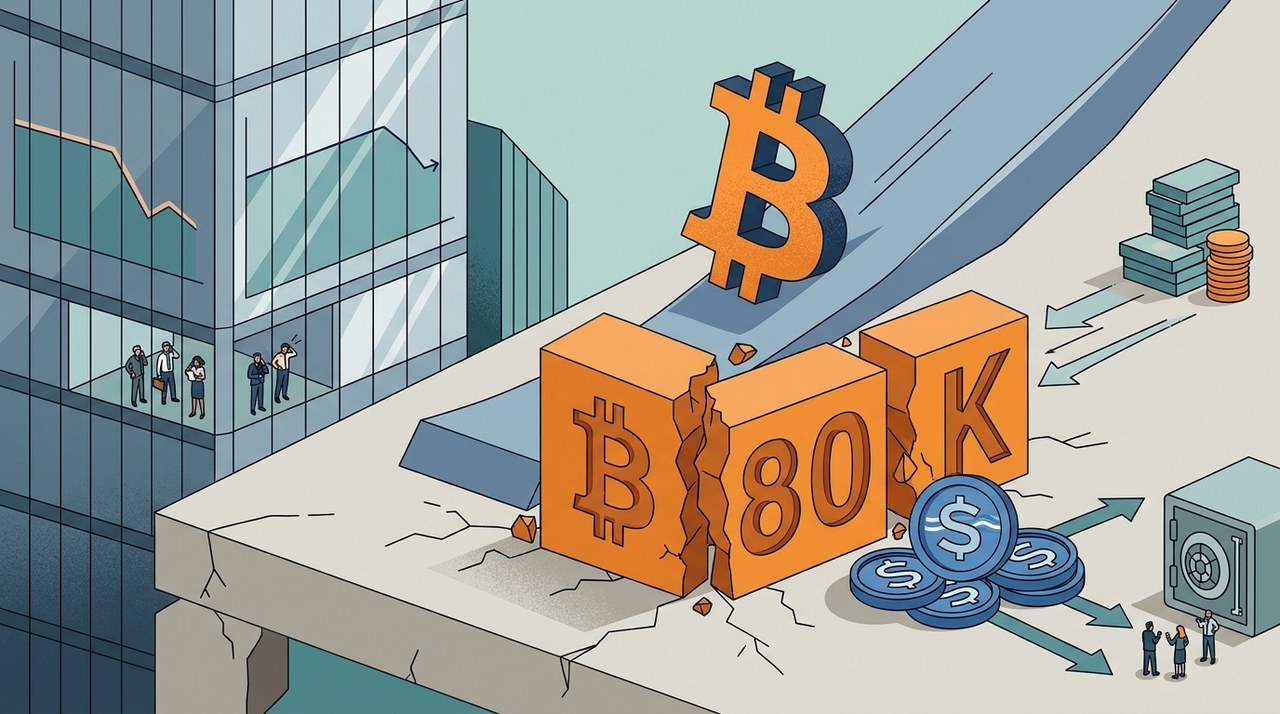

Bitcoin Price Drops Near $81.6K: Will $80,000 Support Hold?
Bitcoin lost its two-day gains after facing rejection near $85,000. Traders are now keeping a close eye on key corporate cost bases and technical levels around $80,000.
|


 +2
Trust Wallet Clears Rumors Over Global PHP Exploit Fallout
Trust Wallet and major Web3 protocols confirm their systems are unaffected by a critical global PHP flaw, urging users to remain vigilant against phishing scams.
|


Why Has Shiba Inu Major Burn Platform Shib Torch Stalled
Community members explain why Shib Torch is showing errors and why automated SHIB burns are temporarily paused.
|