
SpaceX Secures $40B AI Deal as Musk Warns Neoclouds
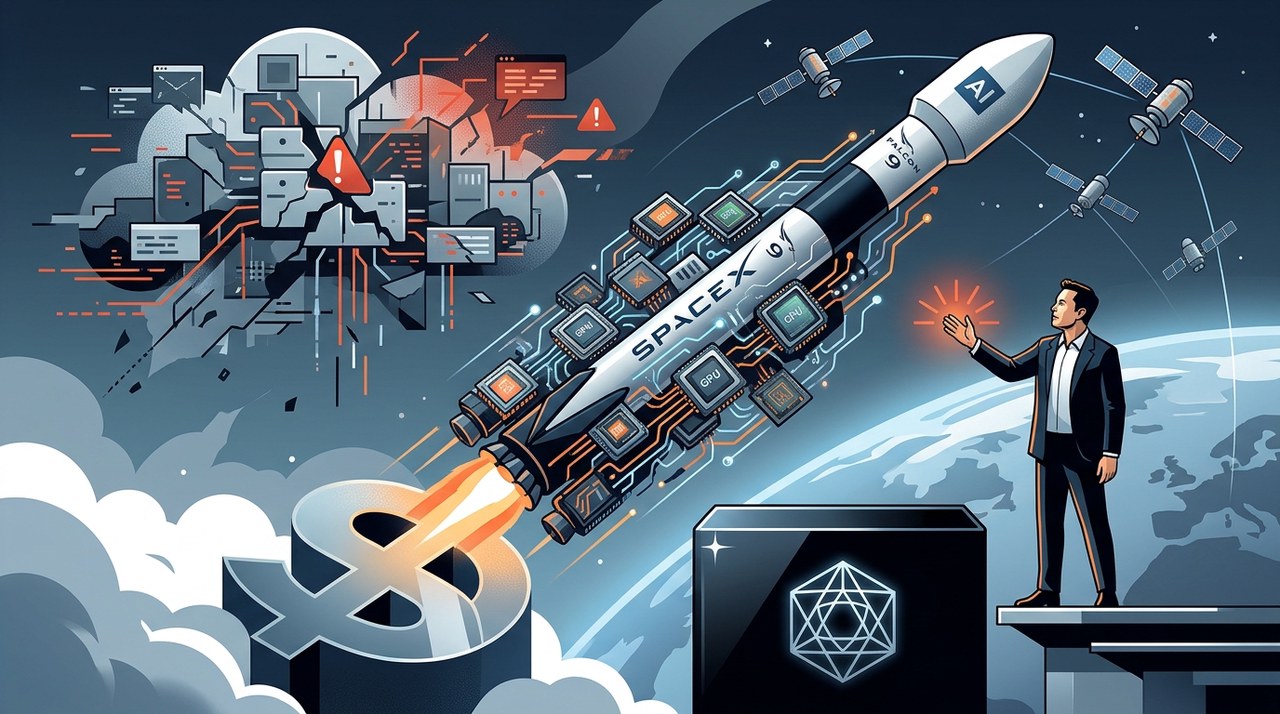
SpaceX Secures $40 Billion Deal for AI Hardware
SpaceX has signed a binding commitment letter to lease roughly $40 billion worth of Graphics Processing Units (GPUs). An entity managed by investment firm Apollo Global Management will buy the chips and lease them directly to SpaceX.
The master lease agreement is expected to close before the end of 2026. The actual chip leases are scheduled to start in the first half of 2027. This hardware will power SpaceX, which officially absorbed xAI back in February.
How the $40 Billion Financing Agreement Works
Although Elon Musk referred to the transaction as debt on social media, official regulatory filings describe it as a finance lease. In simple terms, a finance lease functions much like a long-term loan.
Apollo Global Management acts as a direct lender rather than going through traditional commercial banks. SpaceX will receive the AI chips in batches over time.
Under the terms of the deal, SpaceX will repay the $40 billion principal through quarterly installments over approximately five years. SpaceX will also pay interest at a fixed rate, though that exact interest rate has not been set yet.
Elon Musk Warns of Trouble for 'Neocloud' Providers
When announcing the transaction, Elon Musk shared a sharp warning about the broader artificial intelligence industry on X (formerly Twitter). He stated that credit markets have locked out companies relying solely on AI data centers.
"As of the past few weeks, debt markets have almost entirely shut off access to money for any company that doesn't have substantial revenue independent of AI data centers," Musk wrote. "SpaceX closed $40B of debt for GPUs, but we're investment grade and have Starlink & launch revenue."
Musk emphasized that SpaceX succeeded in raising capital because of its strong financial standing. Credit rating agency Moody's assigned SpaceX an investment-grade rating of Baa1 in June. Additionally, SpaceX generates steady income from its Starlink satellite internet service and rocket launch operations.
Companies without non-AI revenue streams face a very different reality. Musk predicted that the more than 200 existing 'neoclouds' will experience "guppy-level death and consolidation." He noted that while a few may survive, most will not.
What Are Neoclouds? The Shift from EthereumETH-1.82% Mining to AI
Neoclouds are specialized cloud service providers that rent out GPU computing power to AI developers. Instead of offering general cloud storage or hosting, they focus specifically on heavy AI workloads.
The largest player in this space is CoreWeave. CoreWeave started back in 2017 by operating Ethereum mining rigs using consumer graphics cards. When the Ethereum network transitioned to Proof-of-Stake in 2022 and retired traditional mining, CoreWeave pivoted its hardware infrastructure toward AI computing.
However, CoreWeave now carries approximately $50 billion in debt. Between September 30 and October 16, CoreWeave's share price dropped by roughly 30%, falling from $87 to $61.
By mid-October, CoreWeave's unsecured bonds yielded around 15%. This high yield indicates that lenders demand a 15% annual return to compensate for the higher risk of backing loans without pledged backup assets. (Note: Past performance of corporate securities or digital assets is not indicative of future results.)
The Challenge: Rapid Depreciation and Heavy Debt
A primary challenge for neoclouds lies in the fast depreciation rate of AI hardware. Advanced GPUs wear out quickly and lose market value as newer, faster models launch. However, the loans used to buy them last for years.
For example, during the second quarter, CoreWeave recorded nearly $1.4 billion in depreciation and amortization charges. That expense represents hardware wearing out against roughly $2.6 billion in quarterly revenue.
Ken Griffin, founder of hedge fund Citadel, offered an insightful analogy at the firm's markets conference on October 20. He compared GPUs to commercial airline seats.
Griffin explained that once GPU infrastructure exists, adding an extra unit of computing power costs almost nothing. Because marginal costs are so low, rental prices can collapse quickly if supply grows faster than market demand.
Industry Experts Predict a Turbulent 2027
Venture capitalist Chamath Palihapitiya expects significant market turbulence in 2027 due to an oversupply of idle AI hardware. He noted that project delays will take many industry participants by surprise.
Palihapitiya pointed out that major cloud giants ('hyperscalers') like Amazon, Microsoft, and Google will naturally prioritize their own internal computing needs over third-party providers when demand shifts.
He explained that much of the stranded AI hardware is already bought and paid for, yet it earns less income than it costs to finance. According to Palihapitiya, this balance sheet imbalance affects almost the entire neocloud sector, with only one unnamed exception.
"2027 will be a turbulent year because it will clear out a bunch of wrong/bad bets," Palihapitiya wrote on X. "It will also be a consolidation year for a few."
Market Scenario Analysis and Risk Considerations
Analyst forecasts regarding neocloud consolidation depend on specific economic conditions and market assumptions. Investors and industry participants should evaluate multiple potential outcomes:
- Base Case (Market Consolidation): If credit markets stay tight and GPU hardware continues to depreciate rapidly, smaller neoclouds without diversified cash flows may struggle to refinance debt, leading to forced sales or shutdowns by 2027.
- Bullish Scenario for AI Infrastructure: If global demand for AI compute accelerates beyond current capacity and interest rates decrease, GPU rental prices could stabilize, allowing well-managed neoclouds to service their debt.
- Bearish Scenario: If hyperscalers complete their internal data centers faster than expected, market demand for third-party GPUs could drop significantly, causing rental prices to collapse and accelerating industry insolvencies.
Looking Ahead: Finalizing the Deal
SpaceX expects to finalize its master finance lease agreement before the end of 2026. The exact fixed interest rate for the $40 billion in leases will be determined closer to closing.
While SpaceX relies on revenues from Starlink and space launches to back its expanding AI footprint, the broader neocloud industry faces a critical test as debt constraints tighten across the sector.
Latest blog posts
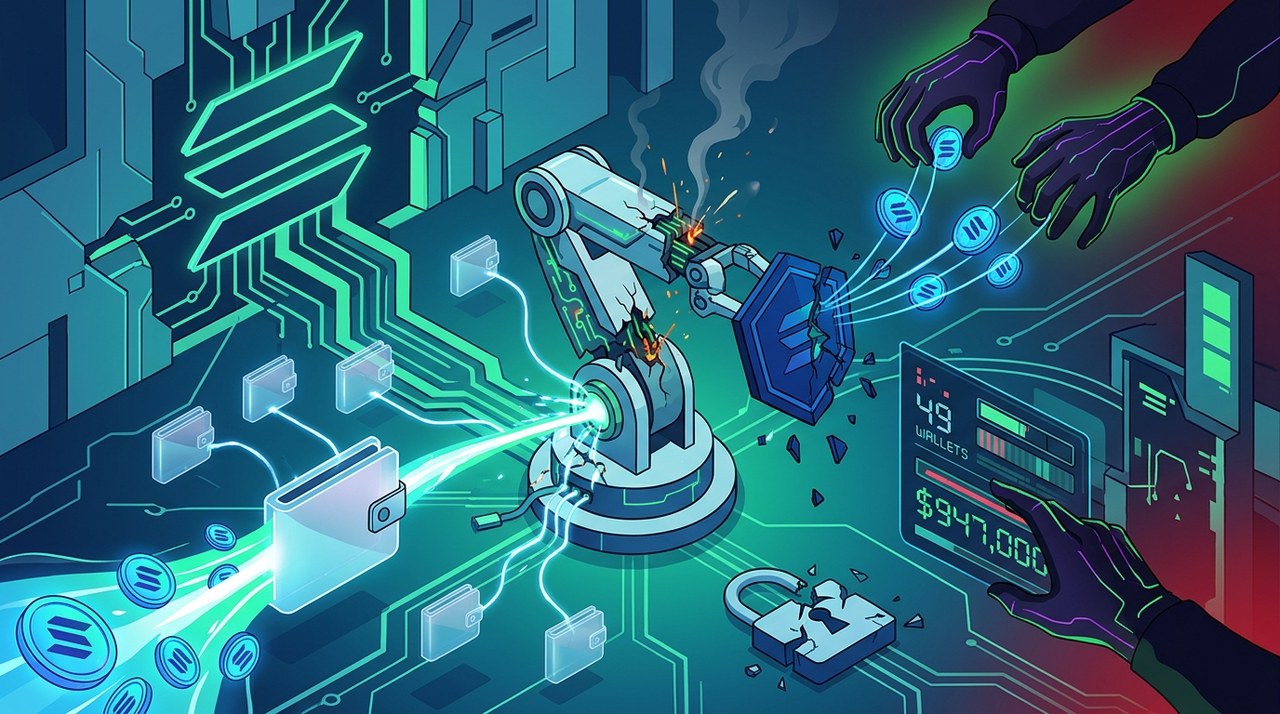


Solana Bot Bloom Hacked for $947K: 49 Wallets Drained
Telegram trading bot Bloom suffered a $947,000 exploit affecting 49 wallets. The team confirmed private keys remain safe and promised full refunds.
|

Ex-DOGE Staffers Breach Anthropic via Bug Bounty
Four former DOGE employees created cybersecurity startup Cathedral and found security gaps at Anthropic using AI agents.
|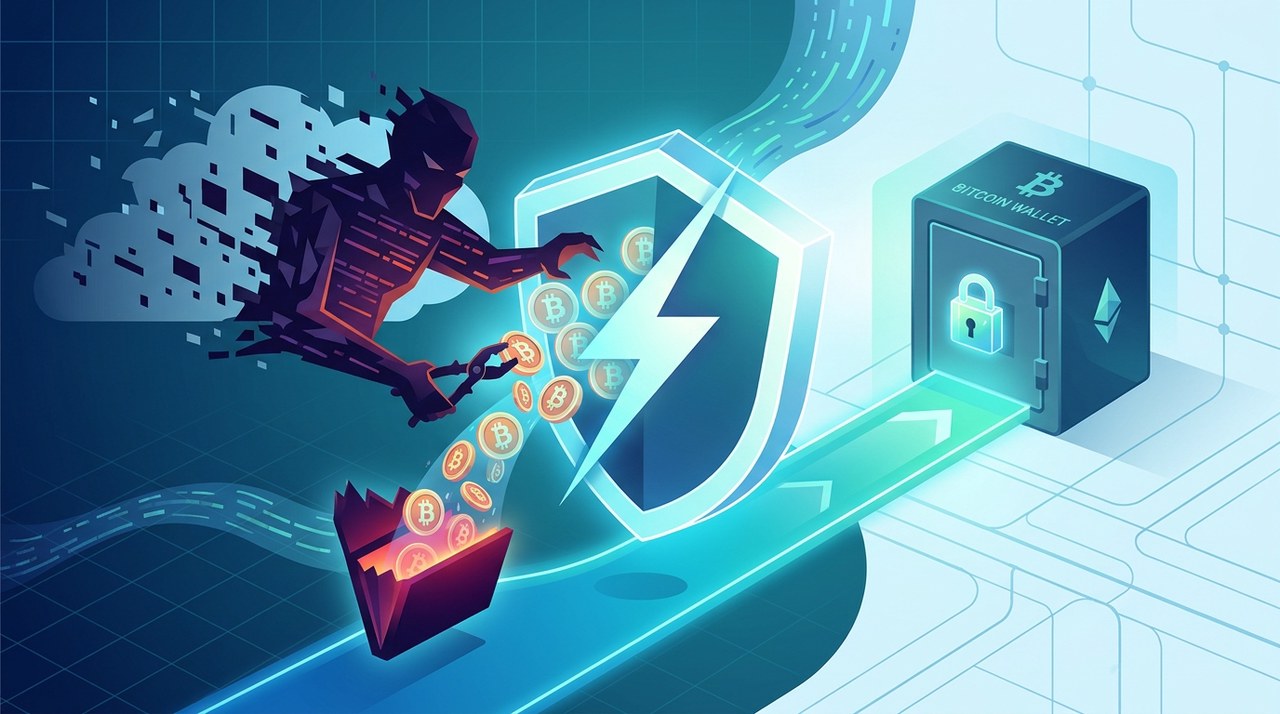

Electrum Patches Wallet Bug That Hijacked Bitcoin Fees
Electrum released version 4.8.3 to fix a severe bug that allowed rogue servers to inject fake transactions and steal user funds via fee-bumping.
|