
SoFi Launches Interest-Bearing FDIC Tokenized Deposit SOFIE
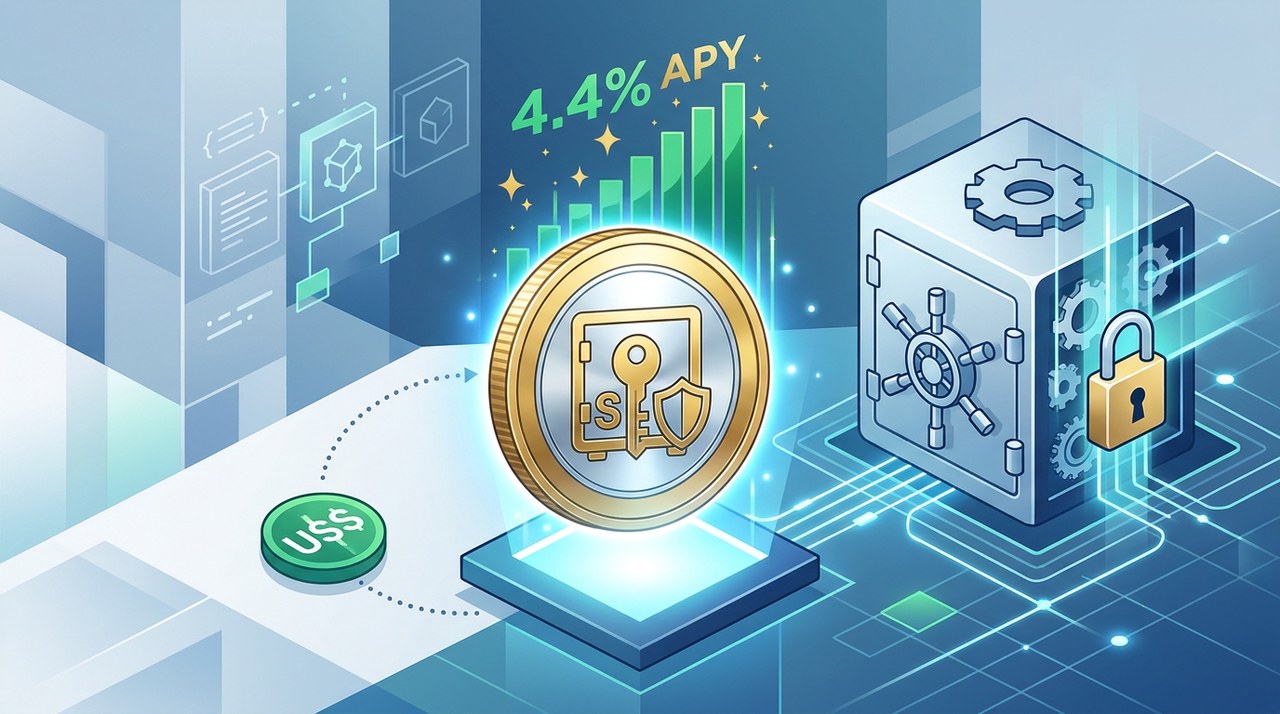
SoFi Introduces SOFIE: A New Tokenized Deposit for Crypto Users
Digital finance is taking another major step forward as financial services provider SoFi launches its newest offering, named SOFIE. This product represents an interest-bearing, tokenized deposit designed specifically for everyday crypto users and modern banking customers.
With an initial yield of 4.4% APY and backing through FDIC-insured bank deposit structures, SOFIE aims to combine the familiarity of traditional banking with the efficiency of blockchain technology. In addition, users holding SOFIE are given the option to seamlessly convert their tokens into SoFiUSD.
Understanding SOFIE: What Exactly Is a Tokenized Deposit?
If you are new to the world of blockchain, terms like tokenized deposit might sound complicated. However, the basic concept behind it is actually very straightforward when broken down into everyday terms.
Imagine going to a coat check at a concert. You hand over your jacket, and in return, the staff gives you a small plastic claim tag. That tag is not your physical coat, but it proves your ownership of the jacket stored safely in the back room. Whenever you want your jacket back, you simply hand over the tag.
A tokenized deposit works on a similar principle. Instead of a physical coat, you place money into a regulated bank deposit account. In return, the institution issues a digital token on a ledger that directly represents your cash balance.
With SOFIE, your underlying cash resides within a secure banking system while your digital token lives on a modern network ledger. This setup allows you to hold, move, or trade digital tokens with speed and convenience while retaining traditional banking safeguards.
Breaking Down the Key Features of SOFIE
SoFi's announcement brings several key financial features together into a single digital product. Let us examine what makes this launch notable.
1. An Interest Yield of 4.4% APY
One of the standout features of SOFIE is its yield structure. Account holders can earn an annual yield of 4.4% APY on their eligible deposit balances. This gives users the ability to earn returns on cash while maintaining access to digital token features.
It is important to remember that annual yields on deposit products are variable. Interest rates across financial markets shift based on macroeconomic trends, federal monetary policy decisions, and broader economic conditions. Therefore, yield rates can go up or down over time rather than remaining static.
2. FDIC Insurance Protection
Security is a primary priority for anyone managing digital assets. Traditional fiat deposits held in licensed banks in the United States are generally protected by Federal Deposit Insurance Corporation (FDIC) coverage up to standard statutory limits ($250,000 per depositor).
SoFi integrates this traditional protection into its deposit framework. Because the money behind SOFIE is held in qualified bank deposit accounts, eligible balances receive standard FDIC coverage. However, users should note that FDIC insurance applies to cash deposit insolvency at the banking level, whereas blockchain networks, software tools, or token transfer protocols carry independent technical risks.
3. Direct Conversion to SoFiUSD
Flexibility is critical in modern digital finance. SOFIE users are not locked into holding a single asset format. The platform provides a built-in conversion feature that allows users to swap their SOFIE tokens into SoFiUSD.
This mechanism offers account holders the freedom to move between interest-earning deposit tokens and broader digital ecosystem tools depending on their ongoing transactional strategies.
How Tokenized Deposits Differ from Standard Stablecoins
Many people wonder how a tokenized deposit differs from popular stablecoins like USDT or USDCUSDC+0.30%. While both exist on digital ledgers, their legal and operational foundations are quite different.
- Issuing Institution: Stablecoins are generally issued by private fintech or crypto companies that maintain reserve assets off-chain. Tokenized deposits are issued directly by chartered banking institutions as a direct reflection of customer bank deposits.
- Legal Foundation: A tokenized deposit is a direct claim on a commercial bank deposit balance. In contrast, a stablecoin represents a private digital token backed by a segregated pool of treasury bills, cash, or equivalent reserves.
- Regulatory Supervision: Tokenized deposits fall under established commercial banking rules and deposit protection frameworks, whereas stablecoins are governed by specialized digital asset regulations depending on the jurisdiction.
Why Tokenized Deposits Matter for the Financial Industry
Many financial analysts consider tokenized deposits to be an essential bridge connecting traditional financial infrastructure with modern digital markets.
Standard bank transfers often rely on legacy clearing systems that operate primarily during business hours and can take days to clear international payments. Blockchain infrastructure, on the other hand, operates continuously 24 hours a day, 7 days a week.
By placing commercial deposits on programmable ledgers, financial institutions can settle transactions near-instantly at any hour. This lowers operational friction, increases transaction speed, and gives account holders clear visibility into their holdings.
Important Considerations and Risk Factors
While innovative deposit products open up convenient options for users, every financial decision should be approached thoughtfully.
First, economic landscapes change over time. Yields like the 4.4% APY attached to SOFIE reflect existing benchmark interest rate environments. If central banks reduce interest rates in the future, yield payouts across commercial deposit products will likely adjust accordingly.
Second, account holders should take time to review account eligibility terms, conversion mechanics, and potential platform rules associated with converting between SOFIE and SoFiUSD.
Finally, managing assets across digital networks requires careful personal security habits, such as keeping account access credentials safe and staying informed about platform guidelines.
Past financial performance, historical yields, or past product features do not guarantee future results or continuous fixed interest rates. Digital token products carry distinct technical and market characteristics that users should carefully evaluate.
Looking Ahead: The Future of Banking on Blockchain Rails
SoFi's launch of SOFIE highlights a broader movement among established financial firms to integrate modern ledger tech into daily banking services. Rather than keeping traditional bank accounts and digital asset ecosystems separate, institutions are building products that combine the best aspects of both.
As tokenized deposit technology matures, it promises to provide everyday consumers and institutional clients with faster settlement, competitive earning potential, and seamless control over their digital capital.
Latest blog posts

Dune Launches Real-Time Data Feeds for Onchain Markets
Dune has launched real-time market feeds covering trade data from over 200 onchain venues across 12 blockchain networks as tokenized assets grow.
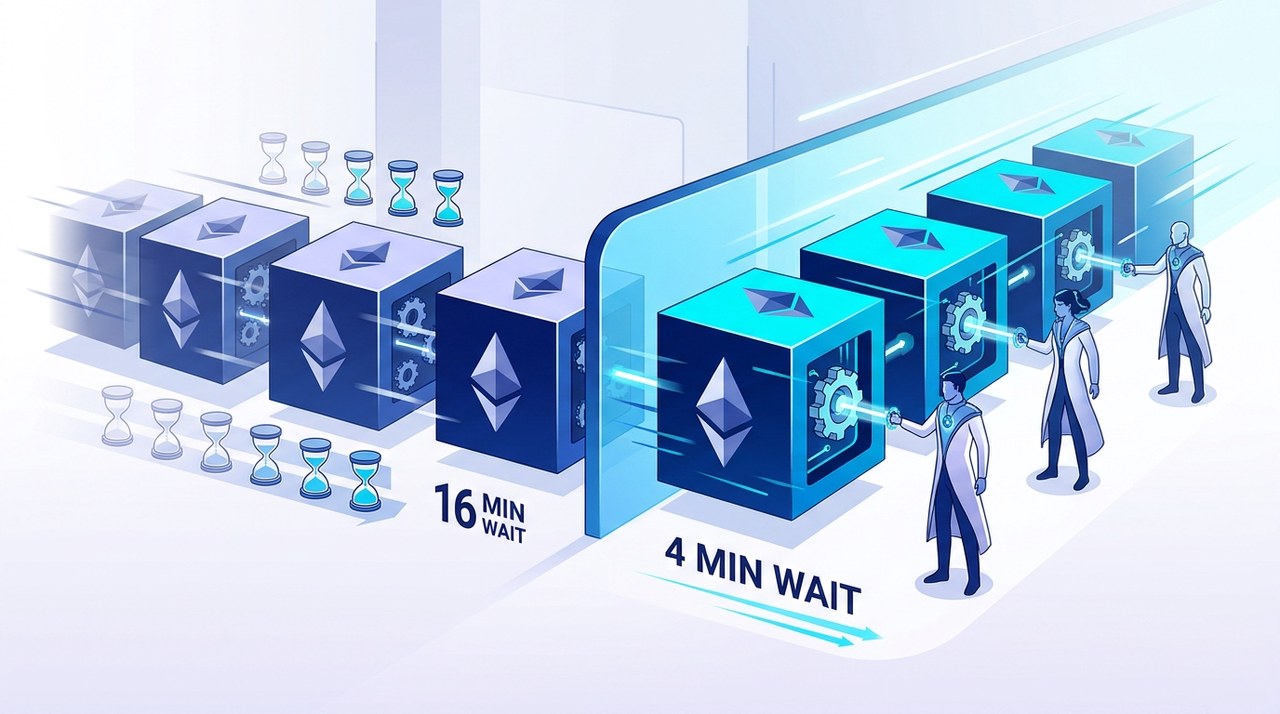


Ethereum Plan Targets 4-Minute Transaction Finality
Ethereum researchers have proposed a plan to reduce transaction finality time from 16 minutes to four minutes, potentially lowering cross-chain transfer costs.
|
 +1
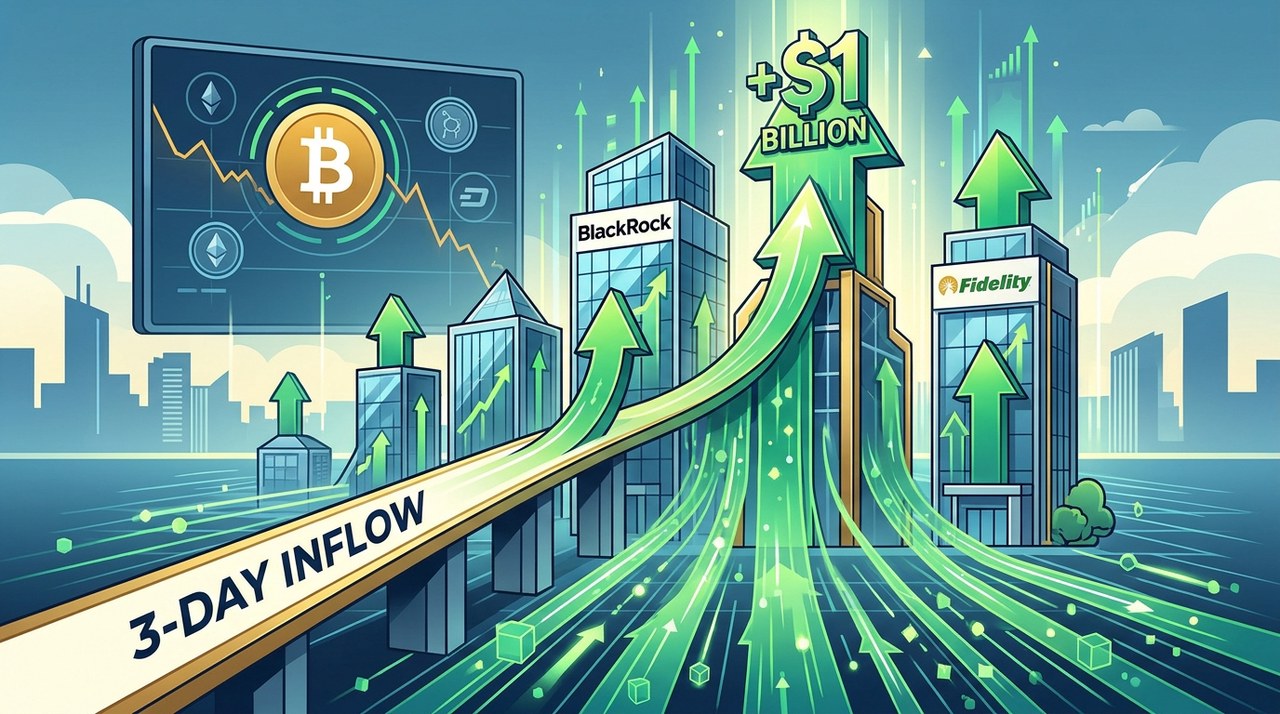
Bitcoin ETFs Cross $1 Billion in 3-Day Inflow Surge
U.S. spot Bitcoin ETFs collected over $1 billion across three trading sessions as institutional buying spread across eight major funds.
|