KOSPI Rebounds 3% as Fed Rate Hike Fears Weigh on Recovery
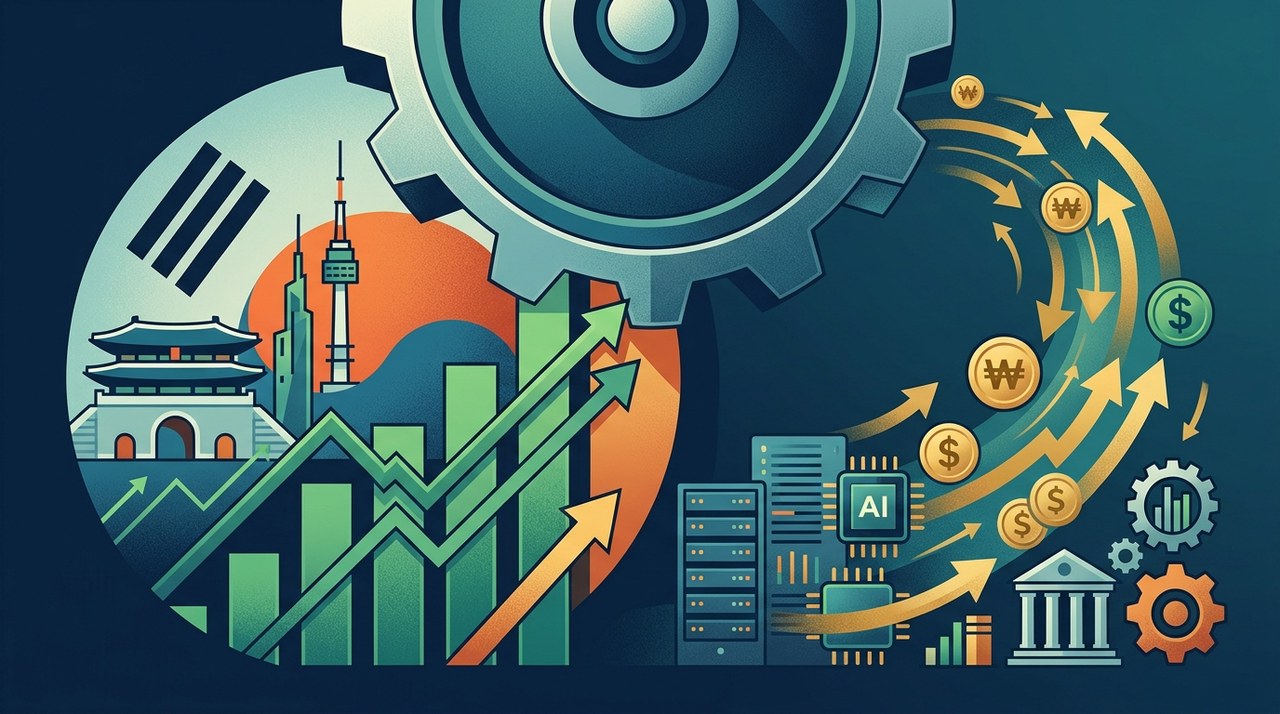
A Quick Bounce Back for South Korean Stocks
South Korea's main stock index gave investors a brief sigh of relief on Friday. The Korea Composite Stock Price Index, commonly called the KOSPI, jumped as much as 3.31% to reach 5,738.18 during morning trading.
While a 3% gain sounds fantastic, it only recovers less than half of Thursday's painful 7.57% market crash. The market remains about 37% below its June peak of 9,114.55.
Market movements can shift rapidly. Past performance does not guarantee future results in any financial market.
Why Is the US Federal Reserve Causing Jitters?
Investors are closely watching news from across the ocean in the United States. Fresh economic data showed that US producer prices in September had their biggest jump in four and a half years.
When producer prices rise, inflation usually follows. That worries investors because it gives the Federal Reserve a reason to keep interest rates high or even raise them further.
Higher interest rates make borrowing more expensive for companies. This fear of tighter monetary policy could put a cap on how far this current stock market bounce can go.
Capital Rotating Away From Artificial Intelligence
Is this rebound happening everywhere, or are investors changing their strategy? Data from the Korea Exchange suggests investors are shifting away from AI-focused companies and into traditional industries.
During Friday morning trading, non-AI heavyweights led the rally:
- Hanwha Aerospace: The defense and aerospace manufacturer surged 8.25%.
- Samsung C&T: The construction and trading branch of Samsung Group gained 5.79%.
In contrast, the tech giants that powered the recent memory chip boom lagged behind:
- Samsung Electronics: Rose by a modest 2.14%.
- SK Hynix: Managed a smaller gain of 1.82%.
This trend matched overnight price action on Wall Street. Consumer brands like Nike and Home Depot led US market gains while AI and semiconductor stocks finished lower.
Are Korean Stocks Bargain-Priced Right Now?
The KOSPI is currently trading at around eight times its confirmed second-quarter earnings. In plain English, that means stock prices are quite low relative to corporate profits.
Historically, seeing the market at eight times earnings is rare. It puts current valuations in line with major global crises:
- The 2020 pandemic market selloff
- The 2008 global financial crisis
- The 2003 credit card debt crisis in South Korea
Analysts at KB Securities noted that the recent market selloff likely went too far due to overblown fears of a global recession. They suggest the market could form a W-shaped recovery.
Think of a W-shaped recovery like a ball bouncing twice. The market tests a low point, bounces up, drops down to test that floor again, and then moves higher.
Headwinds That Could Keep Pressure on the Market
Despite low valuations, several factors could keep selling pressure high in the short term. Both retail investors and foreign institutions have been pulling money out of South Korean equities.
Additionally, corporate support has paused. Tech giants Samsung Electronics and SK Hynix have completed their scheduled share buyback programs, removing a key source of direct buying demand.
South Korea's stock market has taken a harder hit recently than its Asian neighbors. Up through Thursday, the KOSPI was down 18.8% for the month of October. During the same period, Japan's market fell only 3.5%, and Taiwan lost just 2.0%.
Watching Credit Risks and Big Tech Cash Flows
Kim Sung-geun, an analyst at Mirae Asset Securities, emphasized that Big Tech's ability to generate cash will decide how the market handles lingering doubts about AI spending.
There are already signs of rising risk premiums in global debt markets. Credit default swap (CDS) premiums—which act like default insurance for corporate debt—have been climbing for major tech companies like Google, Microsoft, and Meta.
For smaller or less financially stable AI players, the situation is even tighter. CoreWeave, an AI cloud provider with weaker balance sheets, saw its CDS premium jump past 1,000 basis points.
What Happens Next?
Friday's price action shows that buyers are willing to step in when valuations fall to eight times earnings. However, a full recovery depends on several moving parts.
If global central bank policy stays tight or tech cash flows weaken, market volatility could easily persist. Investors will be keeping a close eye on upcoming US economic decisions and corporate earnings reports in the weeks ahead.
Latest blog posts


 +2
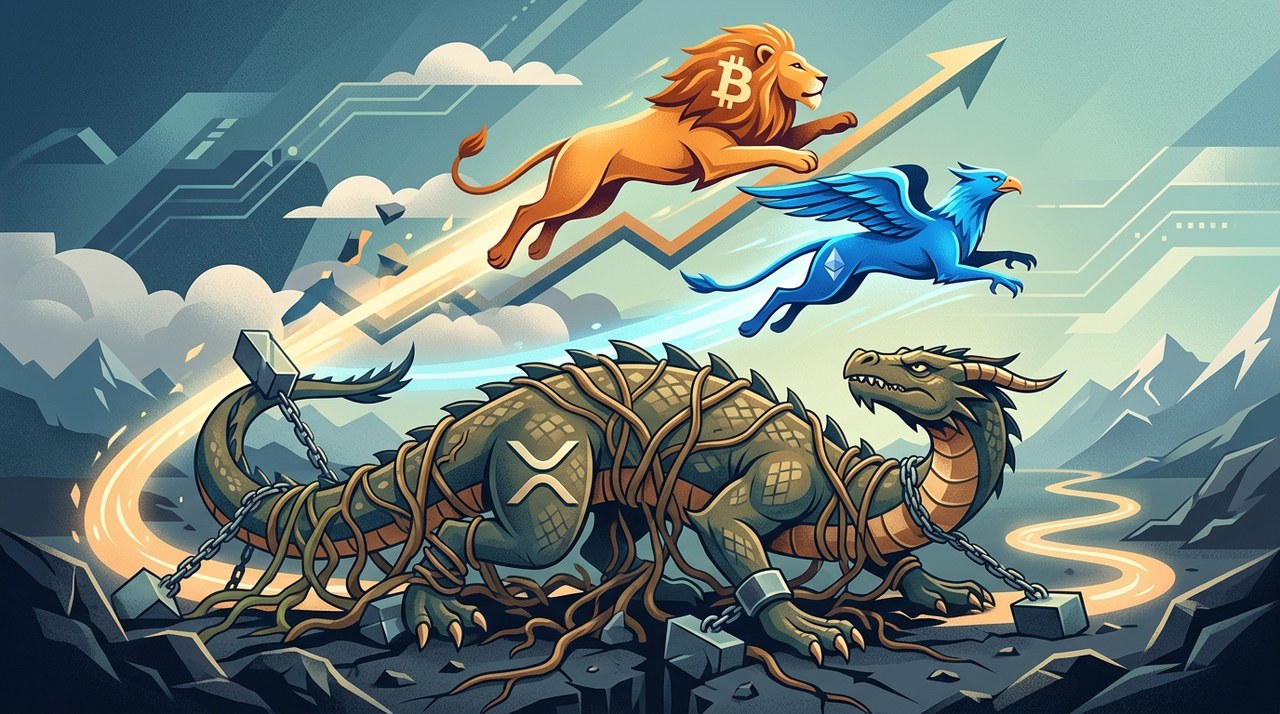
+2Why XRP Has Lagged Behind Bitcoin and Ether
While holding crypto often builds long-term wealth, XRP remains below its 2018 peak due to supply growth, regulatory friction, and shifting market demand.
|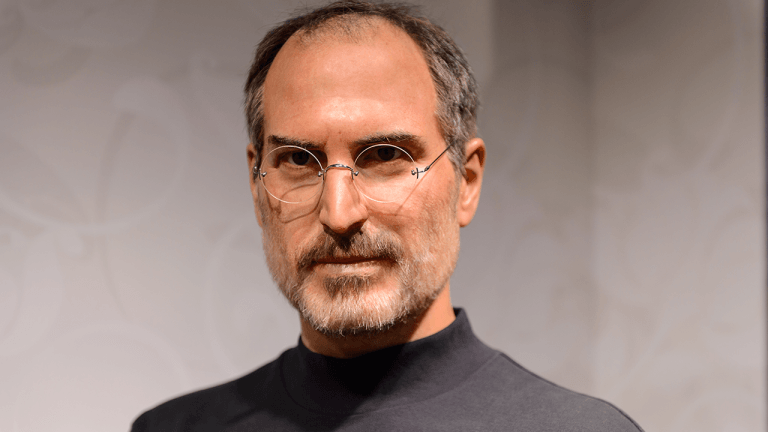

Steve Jobs Got Rich From Pixar Before Apple
Steve Jobs made his first billion not from Apple, but from purchasing Lucasfilm's computer graphics division in 1986 and building Pixar.
|
Balaji's Farcaster Plan: A Singapore Social Hub
Network School founder Balaji Srinivasan is building an orderly, high-standard community on Farcaster, starting with strict moderation to remove bad actors.
|