South Korea GDP Beats Forecasts at 1.0% So Why Is KOSPI Down?
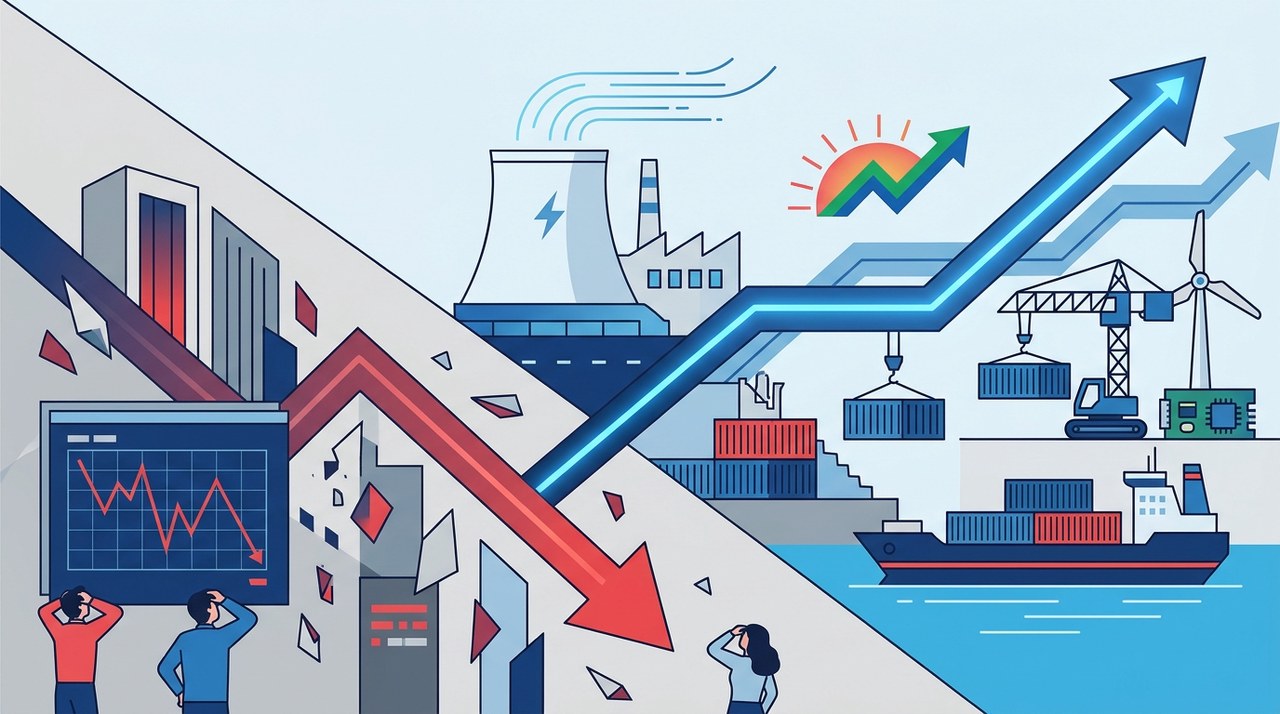
Strong GDP Growth vs. Falling Stocks: What Is Happening?
Imagine running a business where overall sales hit record highs, but investors keep selling off your shares. That paradox is playing out in South Korea right now.
On October 27, the Bank of Korea reported that Gross Domestic Product grew by 1.0% in the third quarter. This strong expansion easily beat the central bank's earlier August projection of just 0.3%.
Despite this solid economic output, the country's main stock benchmark tells a different story. The Korea Composite Stock Price Index, known as the KOSPI, dropped by about 8.5% over the trailing three-month period.
To understand this disconnect, we need to look under the hood of South Korea's economy. The disparity comes down to backward-looking economic data versus forward-looking stock market expectations.
Breaking Down the Q3 Growth Figures
The third-quarter economic bump was driven primarily by strong industrial exports and corporate capital spending rather than everyday consumer shopping.
Overall exports rose by 2.3% during the quarter. Overseas shipments were lifted by international demand for semiconductors, heavy machinery, and specialized electrical equipment.
Corporate investment in facilities also saw a healthy increase. Facility investment jumped by 4.1% as tech manufacturers bought advanced machinery and chipmaking tools.
- Real GDP Year-Over-Year: Rose 3.4% in Q3, following a 3.7% increase in Q2.
- Quarterly Expansion: Q3 marks the third consecutive quarter of positive economic expansion.
- Private Consumption: Slipped by 0.2%, showing that local household spending remains muted.
While factory floors stayed busy producing hardware for global buyers, ordinary households actually tightened their purses. This split reveals that global export trends, not domestic shoppers, carried the economy.
The Heavy Weight of Semiconductor Giants on the KOSPI
Why is the stock index dropping if export numbers are so strong? The answer lies in the heavy concentration of South Korea's stock market.
Two memory chip powerhouses, Samsung Electronics and SK Hynix, make up roughly half of the total weight of the KOSPI index. When global traders feel uneasy about chipmakers, the entire index moves down with them.
Stock markets are forward-looking mechanisms. While GDP measures goods produced in recent months, stock prices reflect earnings expectations for next year and beyond.
Is the Stock Market Pricing in a Semiconductor Downturn?
Traders appear concerned that the current microchip boom may cool off soon. This fear has created a sharp rift between past trade data and future price estimates.
On October 25, investment bank Goldman Sachs reduced its KOSPI target to 9,000 from 12,000. Their research team noted that equity markets are pricing in a dramatic 65% drop in chip-sector profits by 2027.
Goldman Sachs analysts suggested that such an extreme decline might be overly pessimistic. However, trader anxiety continues to drag down equity valuations across the tech sector.
This cautious sentiment contrasts sharply with current trade totals. In October alone, total national exports touched a historic record of $115.3 billion.
Semiconductors accounted for $56.4 billion of that total, representing nearly 49% of all outbound trade. Cumulative exports crossed $900 billion for the first time, placing Korea on track to potentially reach $1 trillion in annual trade.
If South Korea hits the $1 trillion mark, it will join an elite group of export powerhouses that currently includes only the United States, China, and Germany.
The Central Bank's Policy Dilemma
The Bank of Korea now faces a delicate balancing act with monetary policy. The central bank kept its key policy interest rate steady at 3.00% during its October meeting.
Because industrial growth remains strong, central bankers have signaled that an interest rate hike remains possible. Raising rates would help manage inflation and prevent economic overheating.
However, higher interest rates could put additional pressure on domestic consumers. With private consumption already declining by 0.2%, tighter borrowing conditions could further depress household spending.
Macro Trends and Broader Financial Markets
Global investors closely monitor South Korea's economic indicators. Because the nation relies heavily on global tech hardware cycles, its performance often serves as a indicator for world trade health.
When major index components face earnings uncertainty, overall market liquidity can shift. Traders often adjust exposure across tech stocks, risk assets, and digital asset markets during these cycles.
Market conditions can change rapidly depending on global consumer demand, trade policies, and central bank decisions. Past performance of financial indices or economic indicators is not a guarantee of future market performance.
Past performance of digital assets or financial indices is not an indicator of future results. Markets involve inherent risk and uncertainty.
Latest blog posts


Bitcoin Claws Back Toward $79,000 After Recent Hack
Bitcoin is edging back toward $79,000 as crypto markets settle following a major security hack, alongside shifts in oil prices and upcoming U.S. elections.
|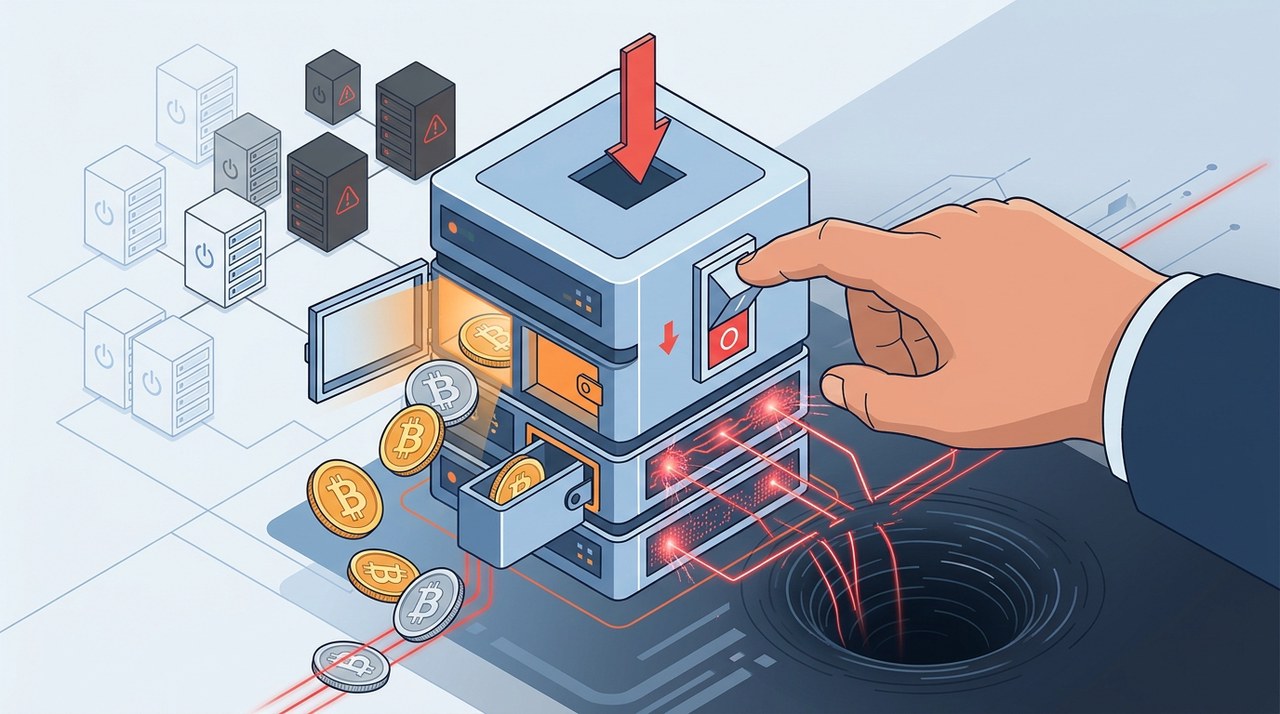
BTCPay Tells Users to Turn Off Servers After Wallet Issues
BTCPay Server has advised operators to shut down their instances following reports of drained wallets primarily affecting older versions.
|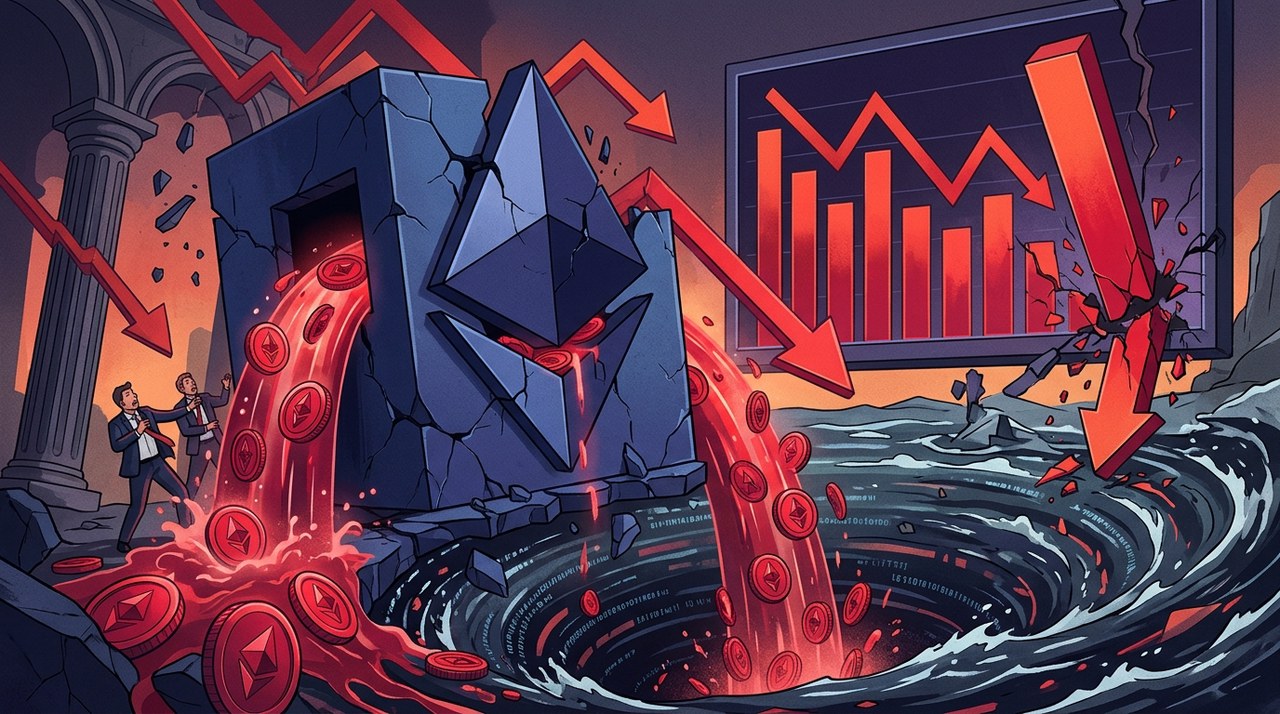


US Spot Ethereum ETFs Record $1.61B Outflow in October
US spot Ethereum ETFs saw $1.61 billion in net outflows during October, marking their largest monthly decline since launch amid a broader crypto pull back.
|