
BlackRock Teams Up with SBI for Japan Tokenization Push

Asset management giant BlackRock has taken a major step into Japan's digital financial market by signing a trilateral Memorandum of Understanding (MOU) with SBI Holdings and Web3 developer Startale Group.
Connecting Money Market Funds to Yen Stablecoins
The main goal of this collaboration is to build a next-generation digital ecosystem. This ecosystem will connect BlackRock's institutional money market funds (MMF) directly with the yen-pegged stablecoin, JPYSC.
The partners plan to bring traditional capital onto distributed ledgers. They are starting with technical platform integration while strictly tailoring all financial products to meet Japanese laws.
SBI's Push for On-Chain Infrastructure
Yoshitaka Kitao, the head of SBI Holdings, described the move to on-chain finance as an inevitable global trend. He stressed that Japan must build its modern financial foundation today if it wants to lead the global market.
By partnering early, SBI aims to ensure that Japan sets the standard for tokenized real-world assets rather than falling behind international competitors.
The Unspoken Link to RippleXRP-0.07% and XRP
Neither Ripple nor XRP is explicitly named in the official MOU document. However, market observers point out SBI's deep-rooted connection to the blockchain network.
SBI Holdings is one of Ripple's key strategic partners in Asia and one of its largest institutional shareholders. SBI co-owns the SBI Ripple Asia venture and actively promotes settlement solutions based on the XRP Ledger (XRPL).
Rather than building a new compliant payment network in Japan from scratch, BlackRock is pragmatically tapping into SBI's existing infrastructure. This network's technological foundation has historically evolved alongside Ripple's core solutions.
Global Ambitions with Startale Group
Singapore-based Web3 developer Startale Group brings technical execution capabilities to the partnership. The group plans to test the yen tokenization model in Tokyo before expanding it across global capital markets.
While institutional tokenization projects offer technical efficiencies, market participants should keep in mind that digital asset markets remain subject to evolving regulatory standards and market fluctuations.
Past performance of digital assets or financial institutions is not an indication of future results.
Latest blog posts

Why Galaxy Digital Sees Bitcoin Entering an Accumulation Phase
Galaxy Digital research suggests Bitcoin's bear market likely ended in June, pointing to technical indicators, ETF demand, and macroeconomic factors.
|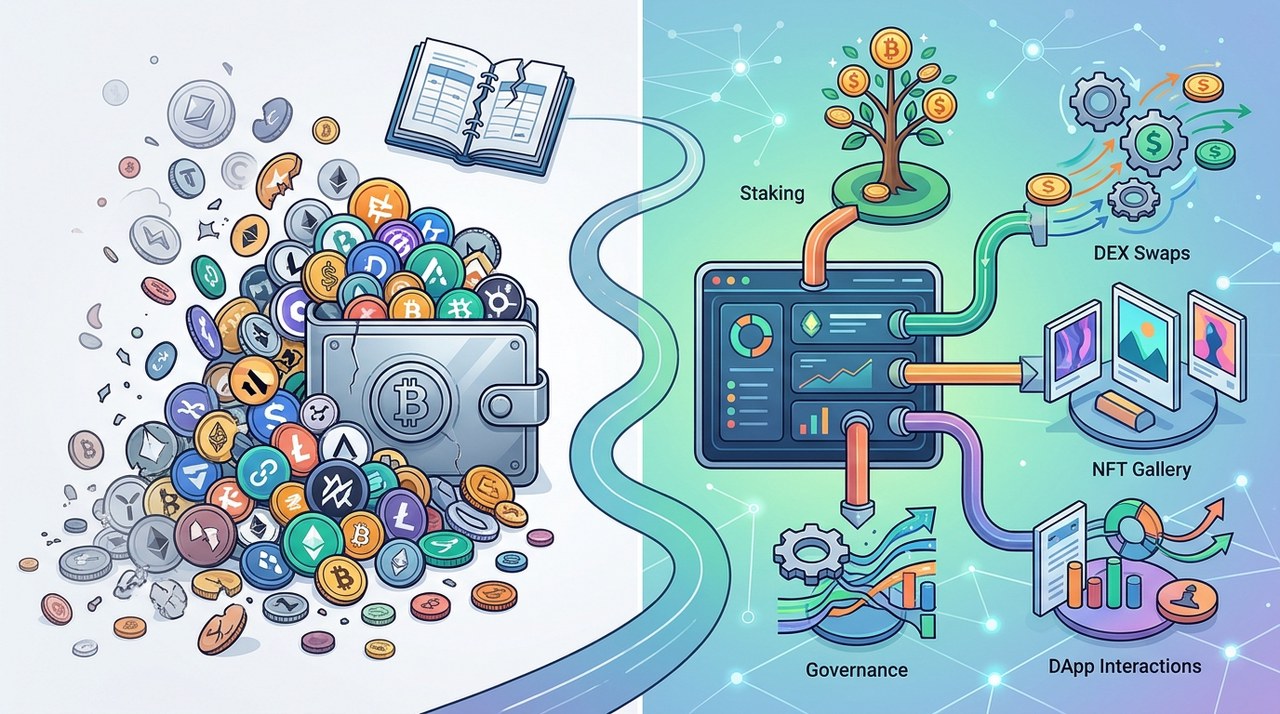

Why Having More Tokens Is No Longer Enough for Crypto Wallets
Listing thousands of tokens is no longer a moat for crypto wallets. Discover how built-in swaps, stablecoins, and simple UX are shaping the future of Web3 wallets.
|


Why OpenAI Is Selling GPT-6.1 Terra on Price Not Benchmarks
OpenAI launched GPT-6.1 Terra at half the price of its predecessor, shifting focus to cost efficiency while Anthropic leads raw benchmark scores.
|