

Why OpenAI Is Selling GPT-6.1 Terra on Price Not Benchmarks
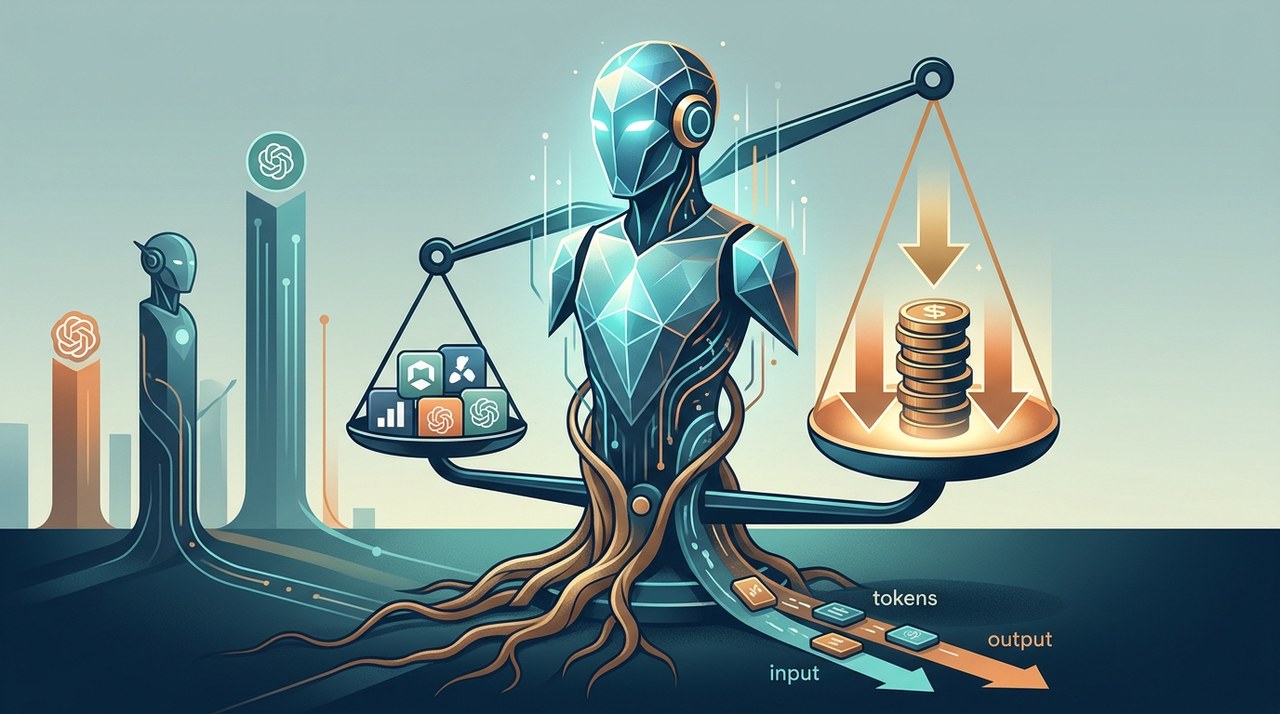
OpenAI officially released its newest AI model, GPT-6.1 TerraLUNA-0.13%, on October 26. Instead of claiming top benchmark scores, OpenAI is focusing on price.
The company is charging developers half the per-token price compared to its previous model. This shift highlights a fresh strategy in the AI market.
A Significant Price Cut for Developers
The new GPT-6.1 Terra costs $1 per million input tokens and $5 per million output tokens.
That is a huge drop from GPT-5.6 Terra, which cost $2 for input and $12 for output per million tokens according to Artificial Analysis.
At maximum effort, testing firm Artificial Analysis calculated Terra's cost per task at $0.40. That compares to $1.40 for its predecessor.
Where Terra Lands on Benchmark Scores
While Terra is cheaper, independent testing firm Artificial Analysis still ranks two models from Anthropic ahead of it.
On the firm's Intelligence Index at maximum effort, GPT-6.1 Terra scored 48 points. That is an improvement over GPT-5.6 Terra, which scored 42 points.
However, rival models still hold the top spots on the leaderboard:
- Claude Opus 5.5 (Anthropic) leads with 58 points.
- Claude Sonnet 5.5 (Anthropic) follows closely with 56 points.
- Gemini 4 Argon (Google) scores 53 points.
- GPT-6 Astra (OpenAI) also scores 53 points.
Better Accuracy and Fewer Guesses
Beyond pricing and general intelligence scores, Terra showed notable gains in reliability.
Artificial Analysis found that Terra guesses on 38% of questions it cannot answer. That is a major decrease from the 88% guessing rate of GPT-5.6 Terra.
OpenAI Emphasizes Cost Over Raw Power
In its launch post, OpenAI framed the competitive landscape around cost efficiency rather than pure performance scores.
OpenAI claims Terra costs about 9 times less per task than Anthropic's high-end Opus 5.5 model on its own Agents' Last Exam test.
This comparison pits OpenAI's mid-range model against one of Anthropic's most expensive offerings.
For heavy technical work, OpenAI directs developers to its higher-tier products.
“For the most complex coding tasks, GPT-6.1 SolSOL-2.46% and GPT-6 Astra remain the better choice,” OpenAI stated.
High-Volume Work and Revenue Math
The steep price cut alters how OpenAI generates revenue from each automated task.
Because Terra's cost per task is roughly 70% below that of GPT-5.6 Terra at maximum effort, OpenAI must adjust its business targets.
To keep revenue flat from this work, OpenAI would need to sell roughly 3.5 times as many tasks.
OpenAI is pitching Terra specifically for high-volume enterprise workloads, such as processing incoming invoices in bulk.
Anthropic Files for IPO as OpenAI Stays Private
The release of Terra coincided with a major corporate milestone for OpenAI's chief rival.
On October 26, Anthropic publicly filed its S-1 registration statement to list on Nasdaq under the ticker ANT.
Anthropic reported $16.29 billion in revenue for the first half of 2026. Its stock market debut is expected in mid-November.
Meanwhile, OpenAI is taking a different path to capital. Chief executive Sam Altman ruled out a public listing this year.
Instead, OpenAI is raising private capital. The Financial Times reported that OpenAI lowered its valuation target for that round to $1.25 trillion.
As Anthropic enters public markets, investors will see how Wall Street values top benchmark performance versus high-volume cost reduction.
Latest blog posts

Why Galaxy Digital Sees Bitcoin Entering an Accumulation Phase
Galaxy Digital research suggests Bitcoin's bear market likely ended in June, pointing to technical indicators, ETF demand, and macroeconomic factors.
|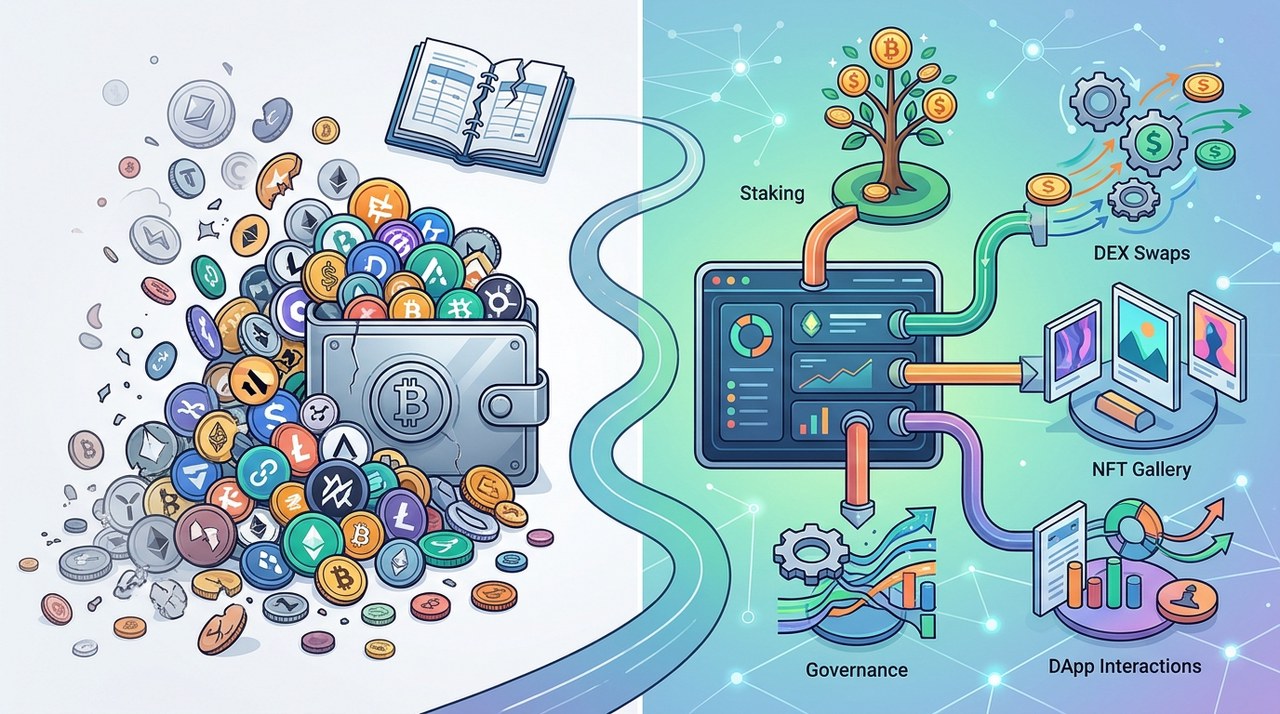

Why Having More Tokens Is No Longer Enough for Crypto Wallets
Listing thousands of tokens is no longer a moat for crypto wallets. Discover how built-in swaps, stablecoins, and simple UX are shaping the future of Web3 wallets.
|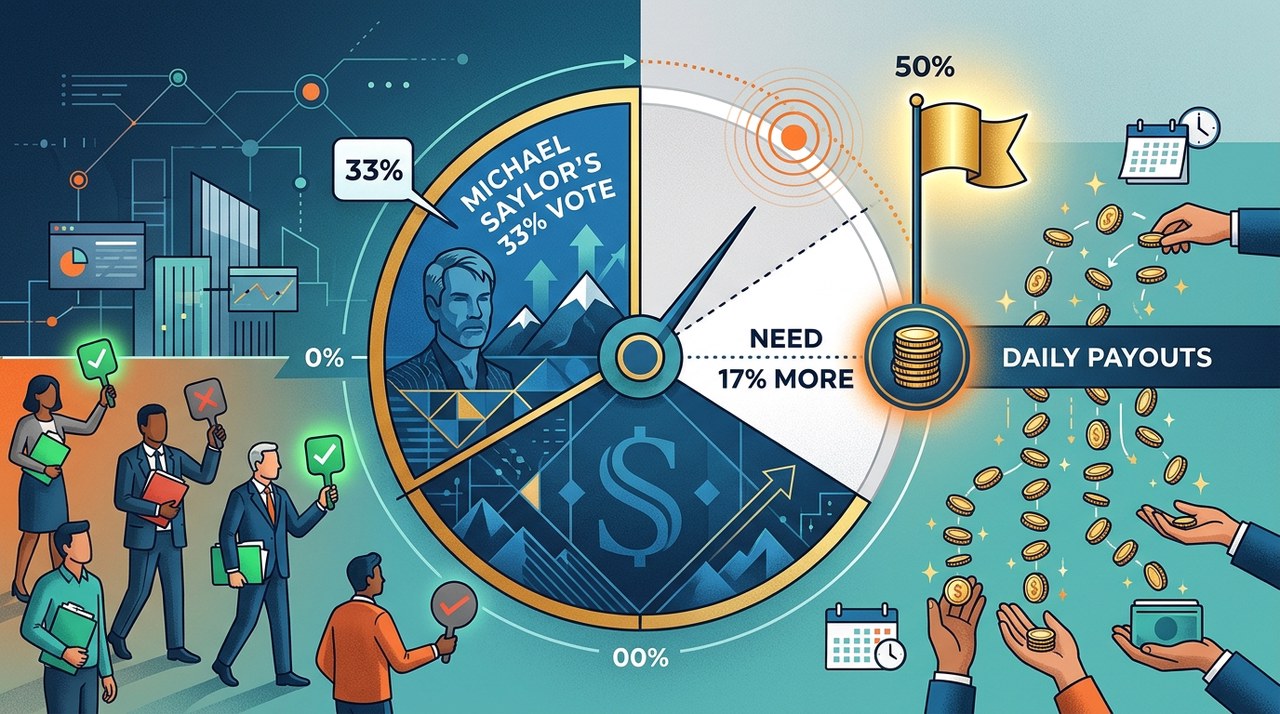
Saylor Holds 33% Vote: Needs 17% More for STRC Daily Payouts
Strategy shareholders vote Oct. 28 on turning STRC into a daily dividend stock. Michael Saylor holds 32.9% of the vote and needs roughly 17% more approval.
|