
Why Having More Tokens Is No Longer Enough for Crypto Wallets
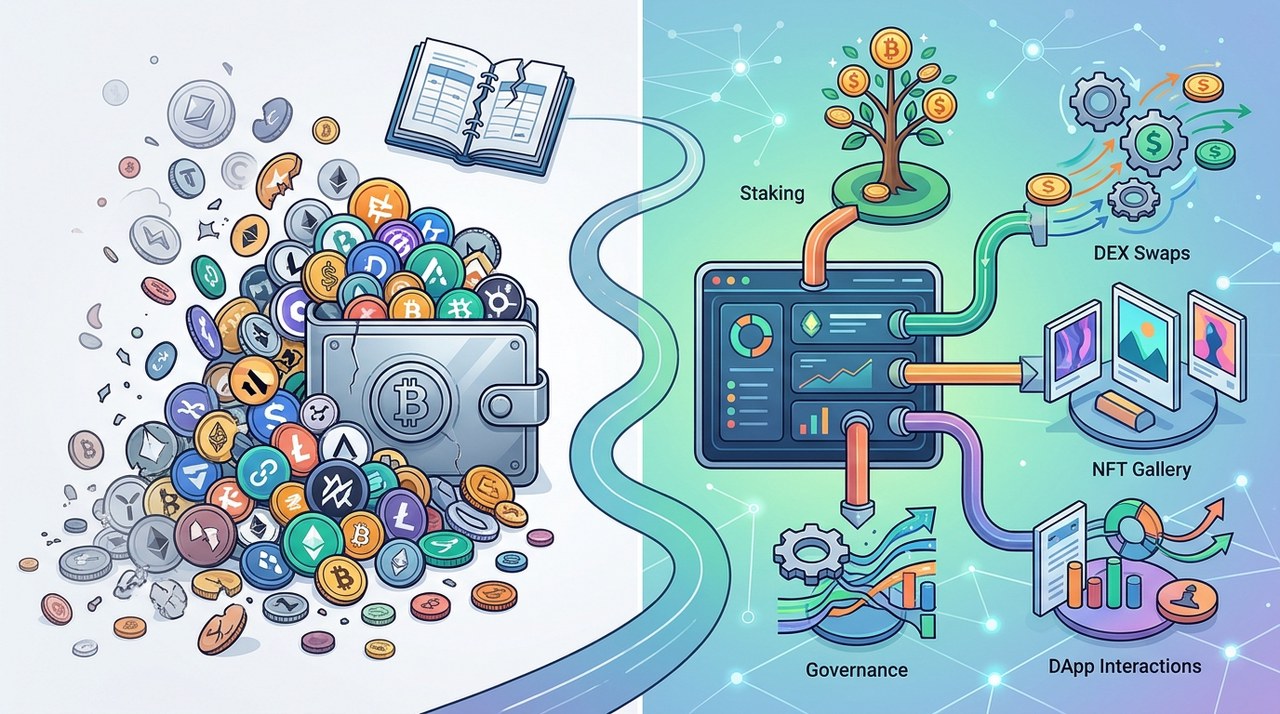
The Old Crypto Wallet Playbook Is Officially Broken
Remember when picking a crypto wallet was all about finding the one that supported the rarest, newest tokens? A few years ago, wallet providers had a simple blueprint for success. All they had to do was list hot new coins before their competitors did.
If a wallet supported a hyped token that no one else carried, users would flock to it immediately. But that playbook simply does not work anymore.
Today, creating a token has become virtually effortless. Thanks to token launchpads like Pump.fun, anyone can mint a brand-new token in a matter of minutes for almost zero cost. As a result, the crypto market is flooded with millions of short-lived assets.
According to data from CoinGecko, more than 11.5 million tokens died between 2021 and 2025, with the vast majority being temporary meme coins. When digital assets are infinite and disposable, offering a long asset list is no longer a competitive advantage. It is just a basic requirement.
From Simple Cold Storage to All-in-One Action Hubs
So, if almost every wallet can hold the exact same tokens today, why do a few wallets become household names while most fail to keep their users? The answer comes down to what happens after a token lands in the wallet.
In the early days of crypto, secure storage was the entire product. A great wallet was simply a digital safe designed to protect your private keys.
However, following a series of high-profile centralized exchange failures over recent years, user habits shifted. Crypto holders now overwhelmingly prefer self-custody—holding their own private keys—while expecting their wallet to perform all the actions a centralized exchange used to handle.
Modern users want a single mobile app to handle their entire crypto lifecycle end to end: buy and sell assets, perform cross-chain swaps, stake tokens, earn yield on idle stablecoins, and spend funds directly with a card.
Case Study: How D'CENT Transformed Into an 'Action Wallet'
The evolution of D'CENT illustrates this transformation perfectly. D'CENT originally started as a South Korean hardware wallet focused almost exclusively on cold storage—keeping private keys safe offline.
Eventually, the D'CENT team hit a growth wall. Users had crypto sitting securely on their devices, but whenever they wanted to do anything active with those assets, they had to transfer them out to external exchanges.
To remove this friction, D'CENT converted its ecosystem into an 'action wallet.' By integrating the ChangeNOW exchange API, they built cross-chain token swaps directly into the wallet experience.
The impact on their growth was immediate. By 2025, D'CENT passed 1 million registered users and over 40,000 daily active users, while hardware device sales nearly tripled year-over-year. Turning dormant storage into an active gateway gave users a compelling reason to stick around.
Stablecoins: The Quiet Driver of Daily Wallet Habits
While speculative tokens grab most of the news headlines, stablecoins have quietly become the single crypto utility that consistently retains everyday users.
In 2025, stablecoin settlement volume scaled into the trillions of dollars, closing in on major traditional card networks. Today, a user can send digital dollars anywhere in the world in under a second for less than a single penny.
Because stablecoins function like digital cash, wallets that make it easy to hold, spend, and earn interest on stablecoins are the ones capturing genuine daily activity.
For newcomers entering the Web3 space, stablecoins are the clearest and safest bridge from traditional finance, serving as a signpost for where crypto adoption is heading.
Usability Is the Real Battleground for Web3 Adoption
Adding advanced features like swaps and stablecoin earning accounts is only part of the puzzle. The interface must also be remarkably easy to use, an area where much of the crypto industry still struggles.
Complex 12-word seed phrases intimidate beginners, while choosing the right blockchain network for a transaction causes constant confusion.
Fortunately, technical upgrades like Account Abstraction are beginning to eliminate these hurdles. Modern account abstraction standards allow wallets to sponsor gas fees, batch multiple transactions into one step, and hide network selection entirely so the wallet feels like a traditional finance app.
For instance, MetaMask introduced granular permission settings that let users grant decentralized apps specific boundaries. A user can approve a dapp to spend up to 10 USDCUSDC-0.27% per day or execute an automated yield strategy over 30 days—all from a single initial approval.
At the end of the day, the crypto wallet that a complete beginner can open and operate without reading a tutorial is the one that will win mainstream adoption.
Why Wallets Are Plugging In Infrastructure Instead of Building It
Creating a full-service, feature-rich wallet is essentially like operating several fintech companies at once. Cross-chain routing, liquidity provision, debit card networks, and regulatory compliance are each massive engineering problems.
Building every component from scratch requires years of development work and massive budgets that few teams possess.
Because of this, even major wallet platforms rely on ready-made third-party building blocks—such as integrating an exchange API for token trades or partnering with card networks for payments.
Lessons from Zelcore and Cake Wallet
Back in 2021, multi-chain wallet Zelcore was growing rapidly by supporting dozens of blockchains. However, because users could not easily trade inside the app, they continually had to leave the wallet to manage their portfolio.
Building a custom exchange engine in-house would have forced Zelcore to navigate complex licensing, KYC, and AML requirements, creating significant friction.
Similarly, Cake Wallet faced a pivot point when its user base expanded from holding single assets to wanting multi-asset trading inside the app.
Instead of devoting engineering resources to building a proprietary trading system, Cake Wallet plugged in ChangeNOW's swap API. This allowed their team to remain laser-focused on core security and user experience design.
That strategy allowed Cake Wallet to scale 117 times, growing from 15,000 initial downloads to over 1.75 million registered users with 300,000 monthly active users.
Active Usage Is the New Wallet Business Model
The crypto industry has realized that high app download metrics can easily be purchased or manipulated through short-term marketing campaigns.
Today, wallet revenue comes from genuine, ongoing platform usage: token swaps, stablecoin payment flows, staking services, and card transactions.
Because of this shift, teams like Trust Wallet focus heavily on user retention metrics. They build features specifically for returning users, knowing that recurring active users generate real long-term value.
Deep, regular engagement is the core product today, and revenue naturally flows to the wallets that keep users active inside their app.
What the Next Generation of Winning Crypto Wallets Looks Like
As simply listing new tokens becomes an expected feature rather than a differentiator, the competitive advantage for crypto wallets has shifted completely toward usability and internal functionality.
The next wave of successful crypto wallets will be defined by how frequently people use them for daily financial activities, rather than how many thousands of obscure coins they support.
By relying on modular infrastructure solutions like ChangeNOW's exchange API, wallet developers can quickly launch essential features like built-in swaps without taking on massive operational overhead.
In a crowded market, the wallets that make crypto effortless, safe, and truly useful for everyday life will be the ones that succeed over the long haul.
Past user growth or performance statistics cited for platforms or digital assets do not guarantee future results. Digital asset markets carry risk, and readers should evaluate technical features carefully.
Latest blog posts

Why Galaxy Digital Sees Bitcoin Entering an Accumulation Phase
Galaxy Digital research suggests Bitcoin's bear market likely ended in June, pointing to technical indicators, ETF demand, and macroeconomic factors.
|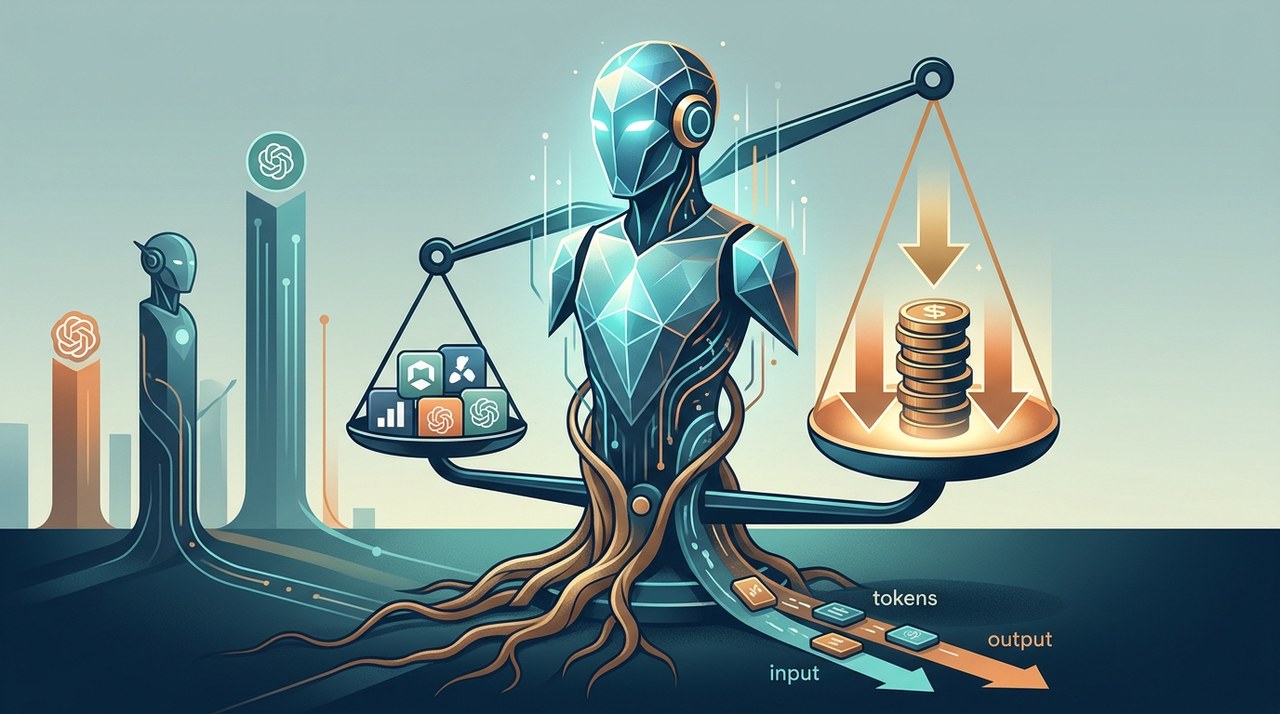


Why OpenAI Is Selling GPT-6.1 Terra on Price Not Benchmarks
OpenAI launched GPT-6.1 Terra at half the price of its predecessor, shifting focus to cost efficiency while Anthropic leads raw benchmark scores.
|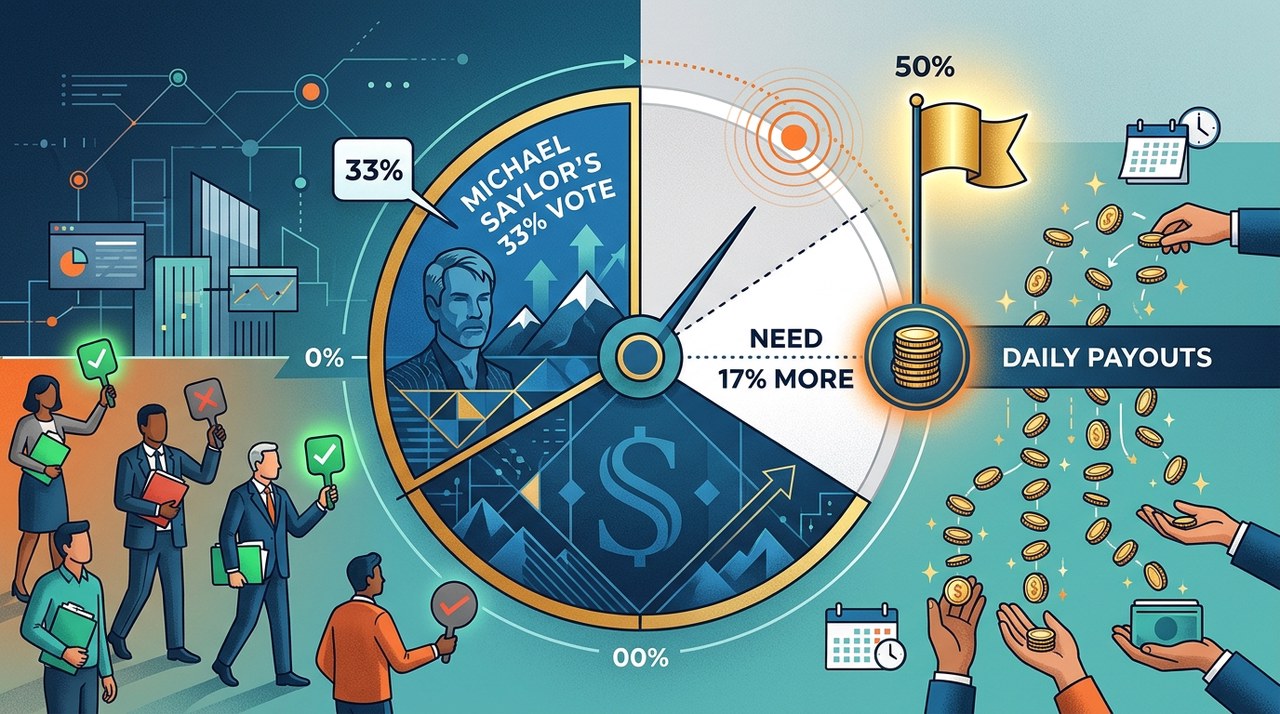
Saylor Holds 33% Vote: Needs 17% More for STRC Daily Payouts
Strategy shareholders vote Oct. 28 on turning STRC into a daily dividend stock. Michael Saylor holds 32.9% of the vote and needs roughly 17% more approval.
|