
XRP Burn Rate Surges 75%: What It Means for Network Usage
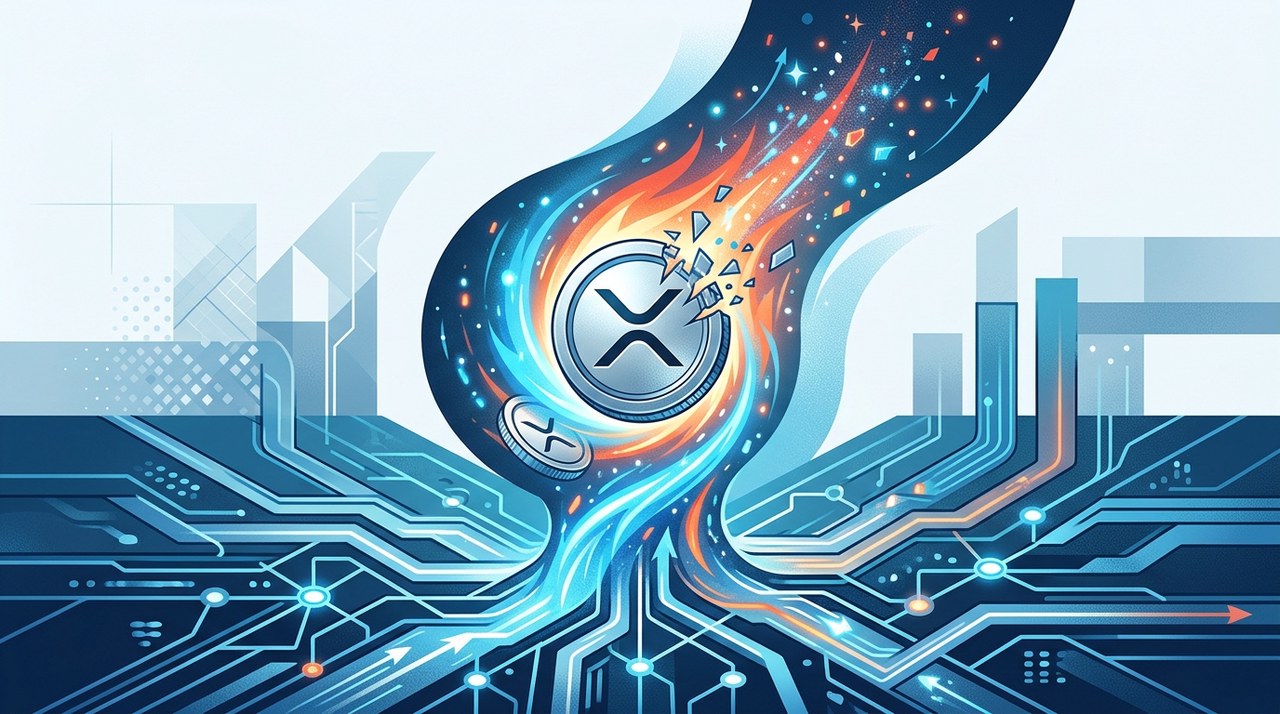
A Quick Look at the Recent XRP Burn Surge
If you follow the cryptocurrency market, you might have noticed some interesting movement regarding the XRP Ledger (XRPL). Onchain data shows that the rate at which XRP tokens are permanently destroyed—known as the burn rate—has experienced a sharp uptick after a relatively quiet week.
According to data from tracking platform XRPScan, network participants saw a significant jump in activity over a 24-hour period ending October 23, 2026. This sudden rise in burned tokens highlights a fresh wave of user interaction on the network.
Breaking Down the Numbers: How Much XRP Was Destroyed?
To understand what happened, let us look directly at the daily transaction metrics provided by onchain analysis tools.
- Daily Burn Volume: A total of 1,114.97 XRP was burned in transaction fees over a single 24-hour period.
- Day-over-Day Increase: This figure marks a 27.5% rise from the 874.27 XRP destroyed the previous day.
- Weekly Context: Relative to lower levels seen earlier in the week, total daily burn spikes represented a jump of roughly 75%.
- 30-Day Benchmark: The 1,114.97 XRP total comfortably exceeds the 30-day moving average of 808.1 XRP per day.
- Monthly Highs: While impressive for the week, it remains below the monthly record set on October 2, 2026, when over 8,000 XRP were destroyed in a single day.
How Does the XRP Burn Mechanism Actually Work?
For newcomers, the concept of burning tokens might sound unusual. Why would a network destroy its own cryptocurrency?
Think of the XRP Ledger like a public toll road. Every time someone sends a payment or interacts with a smart contract on XRPL, they must pay a tiny transaction fee. Unlike traditional networks where fees go to miners or corporate operators, the XRP Ledger intentionally destroys every drop of XRP used as a fee.
This mechanism serves two major purposes:
- Spam Prevention: Requiring a small cost for every transaction keeps bad actors from flooding the network with millions of fake transactions.
- Gradual Supply Reduction: Because destroyed tokens are gone forever, the total supply of XRP slowly decreases over time.
Why Does a Higher Burn Rate Matter to the Market?
When the burn rate rises, it is a direct indicator that more people, automated bots, or institutional systems are actively executing transactions on the ledger. You cannot burn XRP without sending transactions.
From an economic perspective, sustained network usage creates a dual dynamic: it demonstrates real utility while reducing available supply. However, it is essential to evaluate potential price impacts with clear market assumptions.
Market Conditions and Potential Price Scenarios
Some market observers view increased network activity as a positive signal for long-term token valuation. Here is how different market scenarios could play out:
- Bullish Scenario: If transaction activity continues to grow and overall market demand for XRP remains strong or increases, the ongoing reduction in token supply could help support higher token valuations over time.
- Neutral Scenario: If network activity stays steady while broader crypto market demand remains unchanged, the price of XRP may trade sideways within its established range, as daily burn amounts are small relative to total circulating supply.
- Bearish Scenario: If general market sentiment weakens or macroeconomic pressures push investors away from risk assets, XRP prices could decline regardless of higher burn rates, as overall selling pressure can easily outweigh token burn dynamics.
Broader Context Across the XRP Ecosystem
This spike in burn metrics comes alongside broader institutional and technical developments surrounding the token. Recent reports highlight that cumulative inflows into XRP exchange-traded funds (ETFs) reached $1.8 billion since launching.
Additionally, comments from RippleXRP-2.61% leadership have emphasized that expanding technical capabilities on the XRPL—such as decentralized exchange activity and tokenized real-world assets—could drive further adoption. However, investors should remember that price volatility remains inherent to digital assets.
Past performance of digital assets or historical network metrics do not guarantee future results or future price performance.
To keep track of current asset pricing and real-time market data, you can visit the official trading pages on Bitkub Market.
Latest blog posts
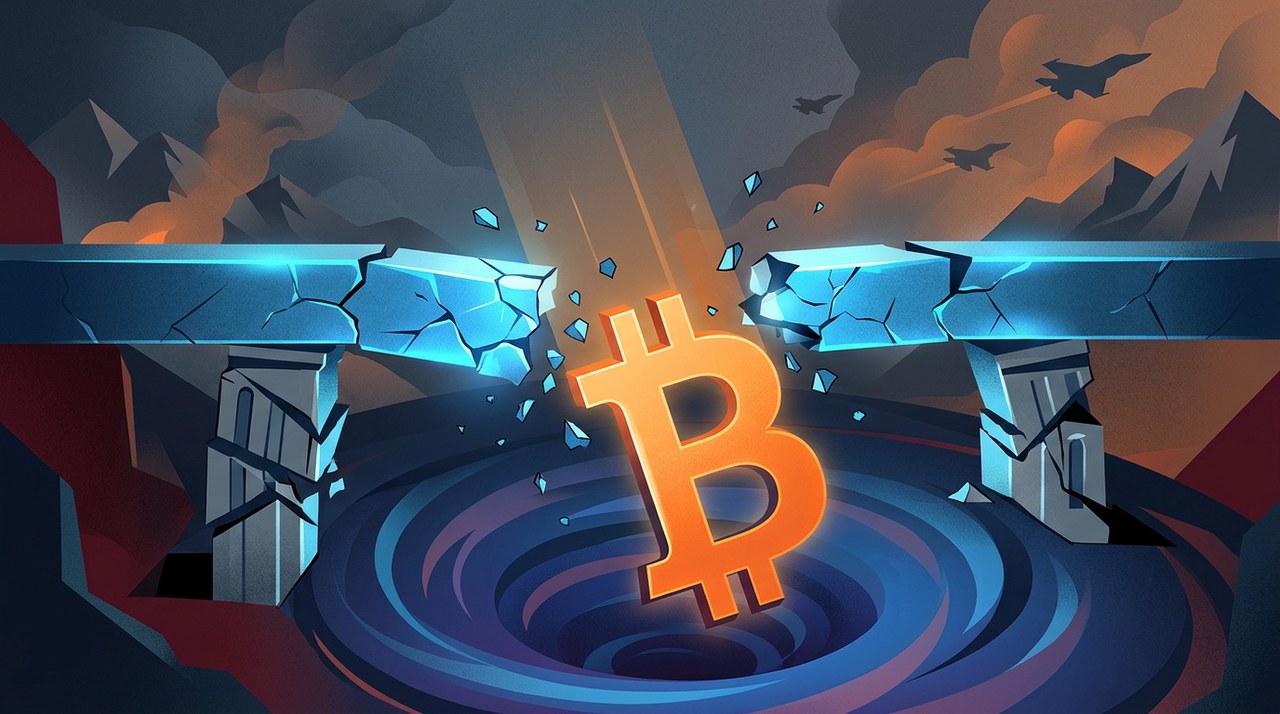


Bitcoin Drops Below $81K as Crucial Support Level Breaks
Bitcoin closed below its 50-day moving average for the first time since August following geopolitical tensions, surging oil prices, and market liquidations.
|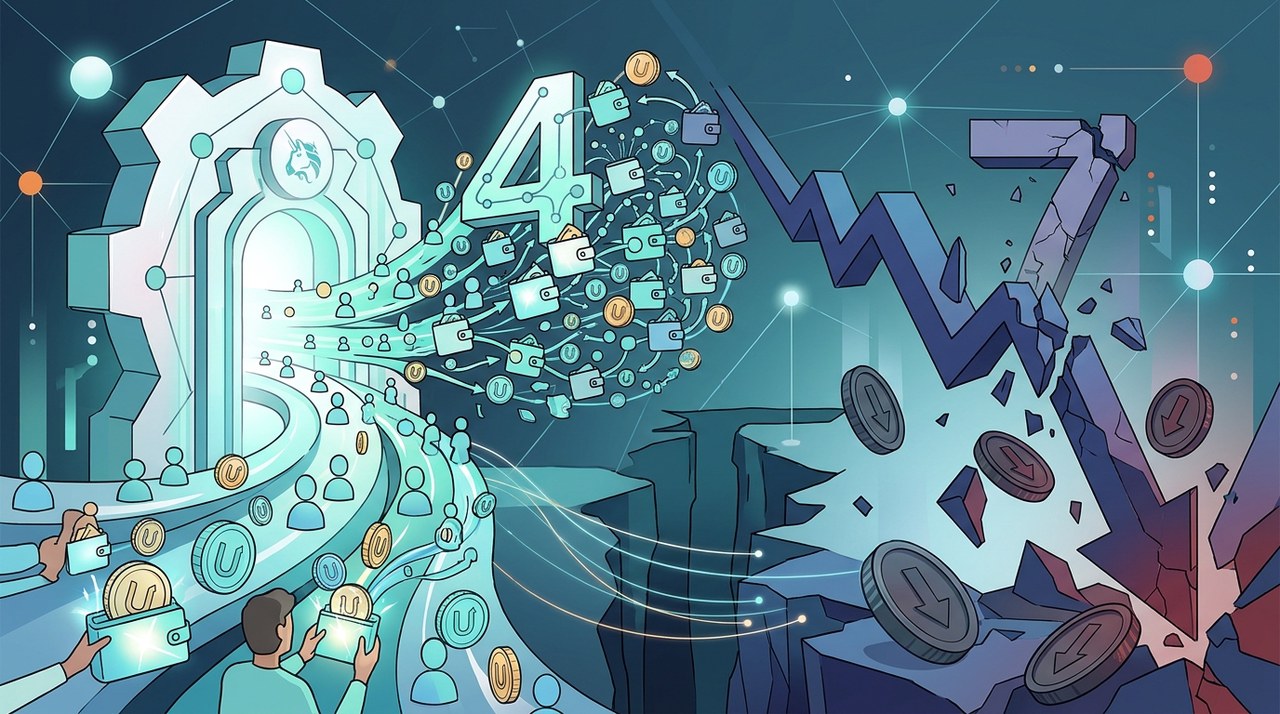

Uniswap Wallet Growth Hits 4-Year High as UNI Tests $7
Uniswap registered a four-year high in new wallet creation despite recent price declines. Here is a breakdown of the on-chain metrics and key levels.
|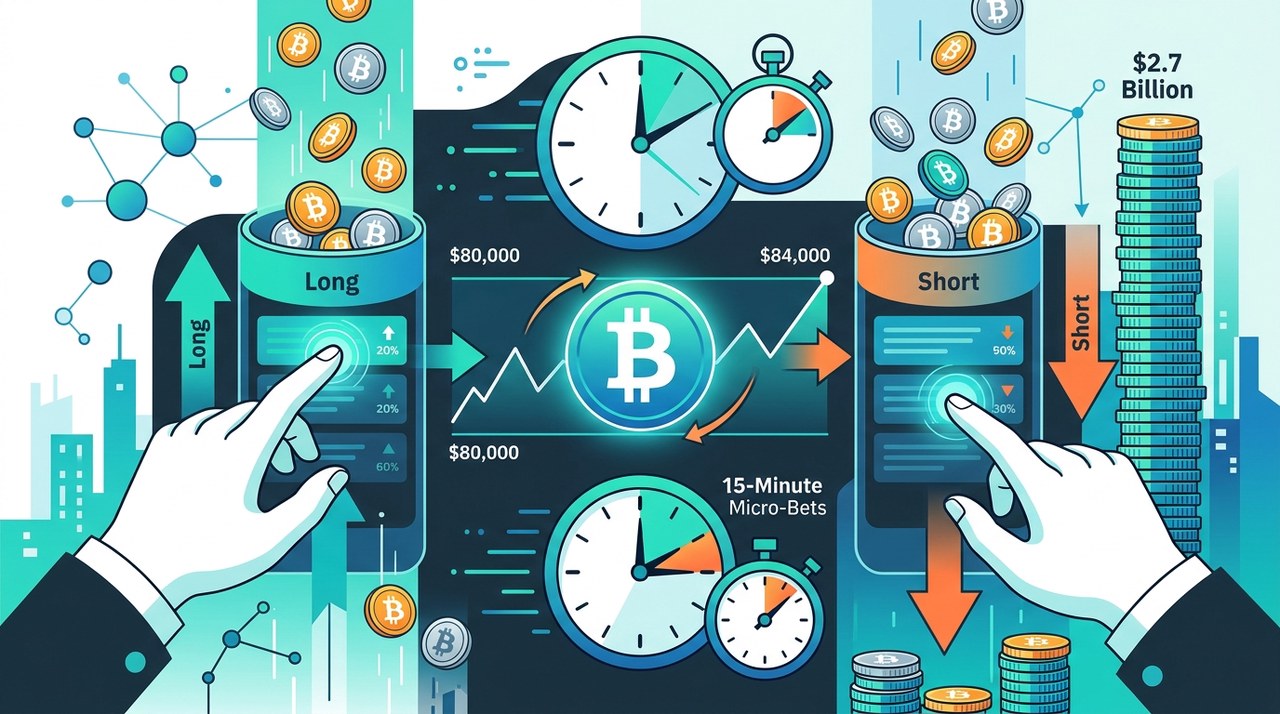
Crypto Bets Hit $2.7B Record on Kalshi and Polymarket
Crypto prediction markets hit a record $2.7 billion in weekly volume, powered by fast-paced 15-minute bets on Bitcoin's price movements.
|