Why Crypto Investors Need a Private Email Account
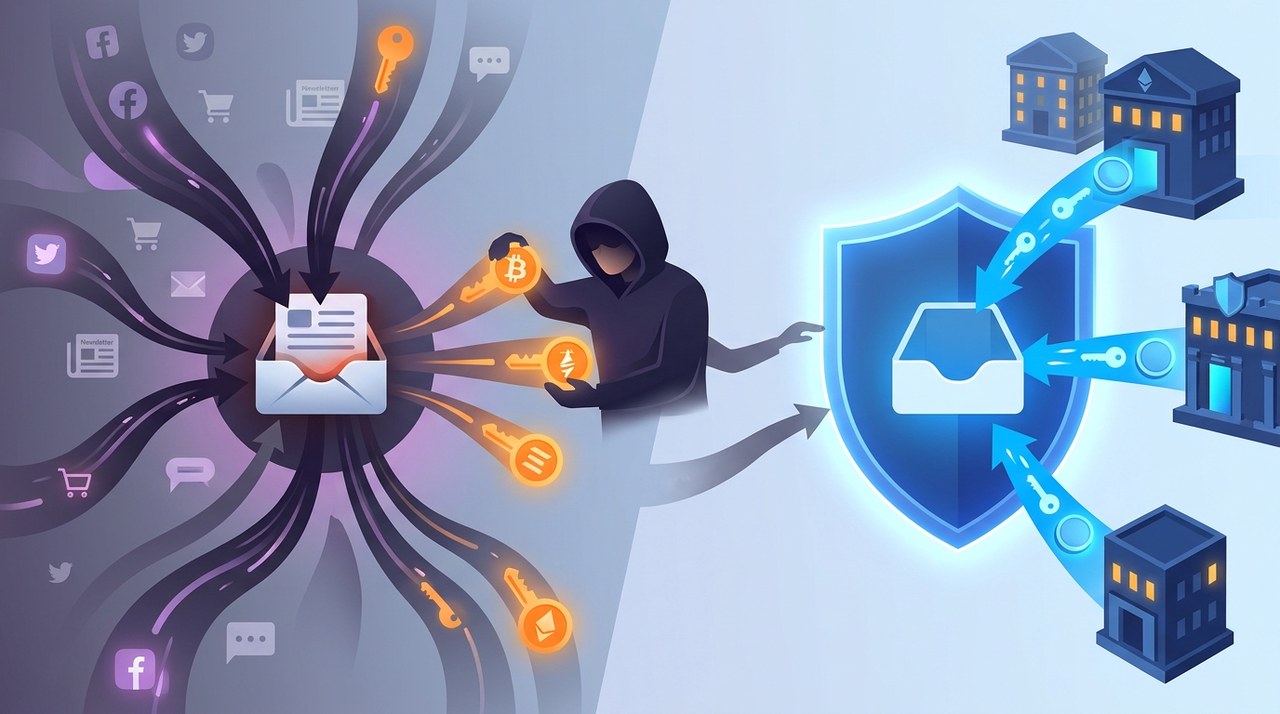
The Hidden Security Vulnerability in Your Crypto Setup
When you get started in cryptocurrency, you usually focus on choosing the right exchange, setting up hardware wallets, and backing up secret recovery phrases. However, many investors overlook a critical piece of their daily crypto routine: their primary email address.
Your email address acts as the main hub for almost all online financial activities. It is where you receive password reset links, approve withdrawal requests, and get security alerts from exchanges. If someone gains control of your primary inbox, they gain access to the keys to your financial life.
Using a single email address for online shopping, social media, newsletter signups, and cryptocurrency accounts creates a major vulnerability. If one low-security website suffers a data breach, your primary email address becomes visible to hackers across the internet.
Understanding the Main Threats to Your Everyday Email Address
Using the same email address for everyday personal activities and high-value crypto accounts exposes you to several specific security risks. Hackers regularly use automated tools to exploit leaked data across public databases.
Targeted Phishing Attacks
Phishing remains one of the most common ways crypto investors lose funds. Once bad actors obtain your email address from a leak, they craft convincing emails that imitate official platforms you might use.
These fake messages often urge you to verify your account, unlock a frozen withdrawal, or claim a bonus. If you click the malicious link provided, you may accidentally reveal your login details or private keys to scammers.
Credential Stuffing Attacks
Credential stuffing is an automated cyberattack where hackers take lists of leaked username and password combinations and test them across hundreds of different websites.
If you reuse the same password across multiple platforms, a data leak on a small gaming forum or online store could allow attackers to log directly into your crypto exchange account.
Data Aggregation and Cross-Referencing
Cybercriminals do not just look at single leaks in isolation. They gather breached data from multiple sources and cross-reference email addresses with public databases.
By matching your email address across different leaks, hackers can build a detailed profile of your online habits, the services you use, and whether you are active in cryptocurrency forums.
Real-World Example: The Impact of Third-Party Data Breaches
Data breaches occur frequently across companies of all sizes. Even if a cryptocurrency exchange maintains robust cybersecurity, third-party service providers connected to other websites can still expose your email address.
A clear example of this occurred recently with Arara Inc., a third-party email delivery firm used by Japanese video game developer SEGA to manage and send customer newsletters.
The security incident resulted in a data leak involving nearly 2.2 million customer email addresses. Incidents like this highlight how easily an everyday email address can end up in breach databases through no fault of your own.
When an email address used for crypto exchange signups is included in a breach like the SEGA newsletter leak, it immediately becomes a target for automated phishing campaigns.
Why Traditional Email Providers Fall Short for Privacy
Mainstream email services such as Gmail and Yahoo Mail offer convenient features, but their basic privacy models differ from dedicated security platforms.
Standard email services generally do not use end-to-end encryption by default for incoming and outgoing messages. This allows automated systems to scan email contents to serve targeted advertisements and categorize messages.
For crypto investors, receiving unencrypted messages about account balances, trade confirmations, or wallet verifications means sensitive financial data resides on external servers in readable form.
Transitioning to a dedicated privacy-focused email service creates a distinct boundary between your everyday online communications and your financial management.
Essential Security Features Provided by Proton Mail
Proton Mail is a privacy-oriented email service designed to protect sensitive personal and financial communications through specific built-in security features.
Hide-My-Email Aliases
Email aliases allow you to generate alternative email addresses that automatically forward incoming messages to your main inbox without revealing your actual email address to third parties.
When registering on a crypto exchange, you can provide a unique alias instead of your main address. If that exchange or its marketing partners ever experience a leak, your primary email address remains protected.
Proton Mail's Mail Plus plan includes 10 hide-my-email aliases, while the Proton Unlimited tier offers unlimited aliases. This enables investors to assign a unique alias to every crypto platform they use.
Custom Email Domains
For users who prefer a custom setup, Proton Mail supports custom email domains on its paid subscription plans.
Instead of using standard domain suffixes like @proton.me or @protonmail.com, you can register your own domain name and create separate email addresses for personal use and financial activities under that domain.
Zero-Access Encryption and End-to-End Encryption
Proton Mail protects stored user data through zero-access encryption. Once an email is delivered to your account, it is encrypted with your key so that even Proton Mail's system operators cannot access the message contents.
For communications sent between Proton Mail accounts, end-to-end encryption automatically secures the content before it leaves your device.
Users migrating from traditional providers like Gmail or Outlook can use Proton Mail's Easy Switch tool to import existing messages securely while upgrading their privacy standard.
Dark Web Monitoring
Included with Proton's paid plans, Dark Web Monitoring continuously scans breach databases to check if your registered email addresses have appeared online.
The system identifies associated details included in leaks, such as passwords or usernames, and immediately alerts you so you can update compromised credentials before malicious actors exploit them.
Background on Proton: History and Ecosystem
Proton Mail was established in 2014 by three scientists—Andy Yen, Jason Stockman, and Wei Sun—who met at the European Organization for Nuclear Research (CERN). The company is headquartered in Switzerland, benefiting from strict Swiss privacy legislation.
Beyond email, the Proton ecosystem includes several privacy tools accessible through web browsers and mobile applications:
- Proton VPN: Encrypts internet traffic and masks IP addresses for safer browsing.
- Proton Drive: Offers encrypted cloud storage for sensitive files and backups.
- Proton Pass: A secure password manager designed to generate and store complex passwords.
- Proton Wallet: A digital wallet designed for managing cryptocurrency assets securely.
- Proton Calendar: An integrated, end-to-end encrypted calendar for managing schedules privately.
For power users, the Proton Unlimited subscription plan provides 500GB of cloud storage along with premium features across all Proton privacy services.
Weighing the Options: Pros and Cons of Proton Mail
Evaluating the benefits and limitations of a private email provider helps determine if it fits your overall security strategy.
- Pro: Advanced Privacy — End-to-end and zero-access encryption keep stored message contents private.
- Pro: Alias Management — Hide-My-Email aliases help insulate your primary address from third-party leaks.
- Pro: Active Protection — Dark web monitoring alerts you quickly if credentials appear in data breaches.
- Pro: Everyday Convenience — Mobile and web apps make switching from traditional email seamless.
- Con: Free Plan Limits — Features like custom domains, dark web monitoring, and unlimited aliases require paid tiers.
- Con: Unencrypted Subject Lines — Email subject lines are not end-to-end encrypted due to standard email protocol constraints.
Practical Steps to Improve Your Email Security
Enhancing your personal cybersecurity does not require a complete technical overhaul, but taking proactive steps reduces risk factors significantly over time.
- Separate Personal and Financial Communications: Use a dedicated, private email address solely for cryptocurrency exchange registrations and wallet tools.
- Enable Unique Aliases: Create separate aliases for each exchange or service to prevent cross-platform tracking if one provider is breached.
- Use Strong, Unique Passwords: Combine private email setups with a dedicated password manager to avoid password reuse across platforms.
- Enable Multi-Factor Authentication: Turn on hardware-based or app-based two-factor authentication (2FA) for both your email account and your crypto exchange logins.
- Monitor Breach Alerts: Periodically check dark web monitoring services or security updates to respond quickly to potential credential leaks.
Final Takeaway and Pricing Information
Many cryptocurrency exchanges implement built-in safety features, such as anti-phishing codes in official emails. While these measures are useful, they cannot prevent attacks that stem from compromised login credentials or leaked everyday email addresses on external platforms.
Separating your everyday email from your crypto accounts using a private email provider adds an important defensive layer to your digital asset protection plan.
Proton currently offers promotional pricing for its paid tiers through its Black Friday deal, available until November 30. Users can access the Mail Plus plan starting at $1.99 per month, or the comprehensive Proton Unlimited plan for $6.49 per month.
Disclaimer: Digital asset investments carry inherent risks due to market volatility. Maintaining proper cybersecurity practices reduces operational risks but does not protect against financial market fluctuations. Always evaluate your risk tolerance and store digital assets securely.
Latest blog posts



 +2
Hex Trust Exec Explains How wXRP Avoids $600M Bridge Risks
Wrapped XRP is expanding to major blockchains while using institutional custody to keep user assets secure from cross-chain exploits.
|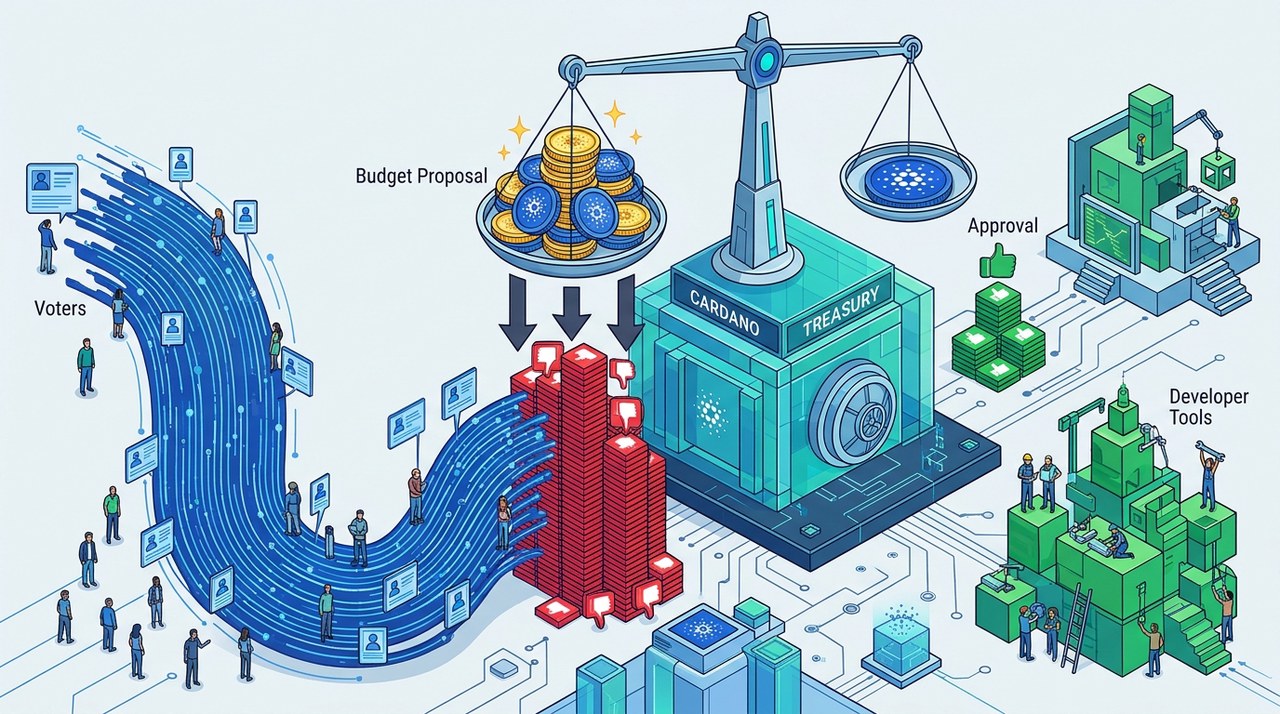

Cardano Holders Reject $4M Event Budget in Treasury Vote
Cardano token holders are opposing a $4 million treasury request for a 2027 conference while backing a developer tools proposal.
|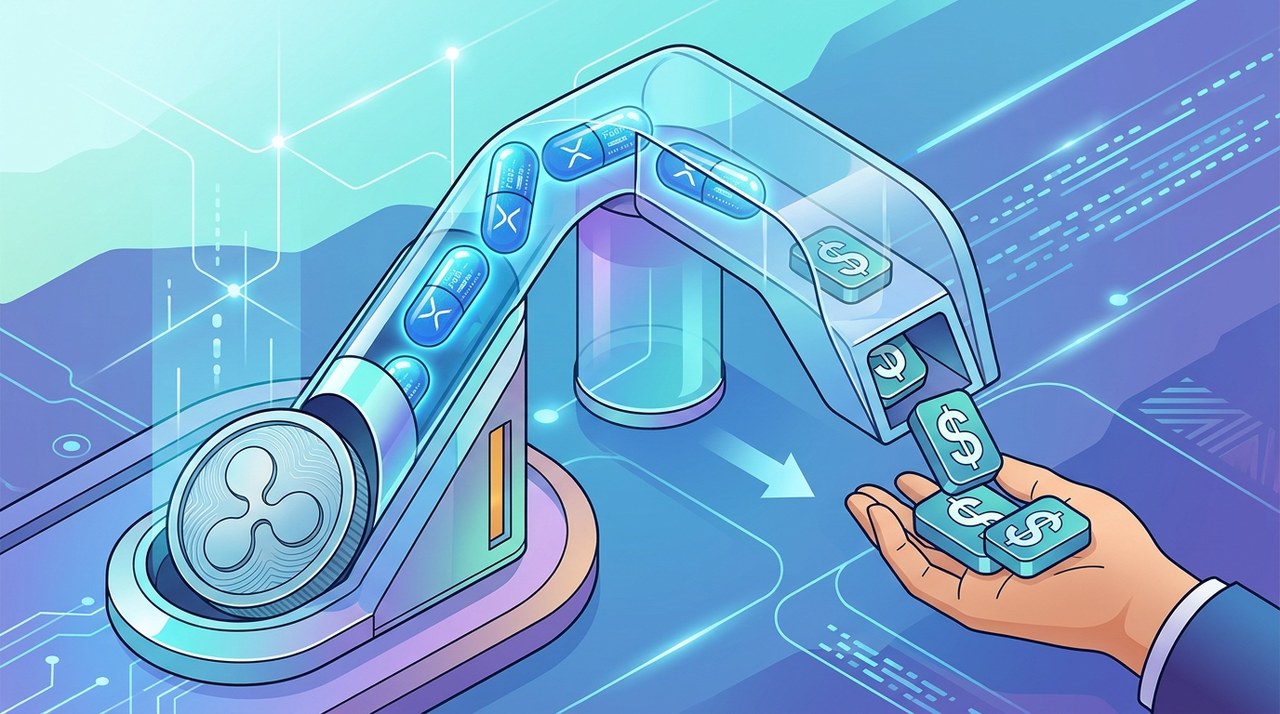


Flare Helps XRP Holders Borrow Dollars Without Selling Tokens
Flare Network's FXRP supply reached 145 million tokens as holders increasingly use their XRP as collateral to borrow US dollar stablecoins across blockchains.
|