


Hex Trust Exec Explains How wXRP Avoids $600M Bridge Risks

Bringing XRP Into the World of Decentralized Finance
Have you ever wanted to use a cryptocurrency on a network it was not originally built for? That is where wrapped tokens come in. Wrapped tokens act like digital receipts, letting an asset work on new blockchains.
XRP has been a mainstay in the crypto market since 2012. It ranks among the top five digital assets by market value, primarily serving global payments and financial settlements. However, XRP holders historically had very little direct access to decentralized finance (DeFi) because compliant cross-chain options did not exist.
That gap is now closing. Hex Trust, a licensed digital asset custodian based in Hong Kong, is issuing Wrapped XRP (wXRP) on behalf of RippleXRP+2.36% to bring the token into modern DeFi applications.
Expanding Beyond SolanaSOL+3.78% to EthereumETH+3.45% and Layer 2s
In an interview with Coinpedia, Giorgia Pellizzari, Chief Product Officer and Head of Custody at Hex Trust, shared details about where wXRP is heading next.
The project was first announced in December 2025 and officially launched in April 2026. Shortly after launch, wXRP accumulated over $100 million in Total Value Locked (TVL) on the Solana network.
Following its initial debut on Solana, Hex Trust is now expanding wXRP to three major new blockchain environments:
- Ethereum: The primary hub for global decentralized finance activity.
- Hyper EVM: A high-performance Ethereum Virtual Machine environment.
- Optimism: A leading Ethereum Layer-2 network designed for fast, low-cost transactions.
How wXRP Works and Why Security Matters
Cross-chain bridges have historically been high-risk targets in crypto. In 2022, the infamous Ronin bridge exploit resulted in a loss of over $600 million due to vulnerabilities in how assets were bridged across networks.
Hex Trust designed wXRP specifically to address these historical security concerns. Instead of using smart contracts that lock funds on an unregulated bridge, native XRP remains strictly inside Hex Trust's regulated custody environment.
Here is how the wXRP setup protects asset security:
- 1:1 Backing: Every single wXRP in circulation is backed 1:1 by native XRP held in segregated institutional custody.
- Controlled Supply: Minting and redeeming wXRP is strictly restricted to verified Authorised Merchants, ensuring the circulating token supply strictly matches the native XRP in storage.
- Audited Infrastructure: The token setup completed four independent security audits before launching on Solana.
- LayerZeroZRO+3.75% Standard: wXRP moves across different blockchains using LayerZero's token standard while the underlying native XRP never leaves Hex Trust's vault.
Where Can You Use wXRP Today?
On the Solana blockchain, wXRP has already established several key integrations across wallets and trading protocols:
- Phantom Wallet: Allows users to hold and manage wXRP directly within their wallet application.
- Jupiter, Titan, and Meteora: Decentralized exchanges providing liquidity and trading pairs for wXRP.
- Doppler Finance: Building institutional-grade financial products structured around wXRP.
- RLUSD Pairing: wXRP is actively paired with Ripple's dollar-backed stablecoin (RLUSD) to deepen market liquidity.
Institutional Yields and Keeping Assets in Custody
The conversation with Hex Trust also touched on a broader topic facing corporate treasuries: earning returns on cryptocurrency reserves.
When companies place BitcoinBTC+3.77% or other digital assets onto their balance sheets, Chief Financial Officers frequently face internal pressure to generate a return, just as they would with traditional cash reserves.
However, history offers important warnings. Back in 2022, several yield-generating crypto platforms offered high returns by re-lending client deposits to third parties. When those platforms failed, depositors lost access to their assets.
"If a product needs the asset to leave custody, the institution takes on the risk of whoever holds it next."
Today, institutions favor low-risk models such as loans secured by Bitcoin held at a licensed custodian or tokenized asset strategies backed by explicit legal frameworks.
Direct Custody vs. Spot Bitcoin ETFs
Pellizzari highlighted a crucial operational distinction between owning actual Bitcoin in direct custody versus holding shares of a spot Bitcoin ETF.
A spot ETF grants investors price exposure to Bitcoin through standard stock exchanges. In contrast, direct custody gives an investor absolute ownership of the underlying digital asset.
That operational difference matters when using crypto for financial utilities. ETF shares cannot be posted as on-chain collateral over a weekend, staked in decentralized protocols, or used to settle transactions after traditional market hours.
For example, NYSE American-listed DDC Enterprise uses Hex Trust for the direct custody and execution of its official corporate Bitcoin reserve.
Four Governance Questions Every Corporate Treasury Must Answer
For public and private companies adding Bitcoin to their treasury balance sheets, sound governance protocols are critical. Hex Trust outlines four primary questions every corporate board should answer:
- Strategic Intent & Risk Tolerance: Why does the company hold the asset, and can the treasury absorb a potential 50% price decline?
- Authorization & Signing: Who has operational authority to transfer funds, and how many independent approvals are required for each transaction?
- Legal Segregation: Where are assets held, and are they legally separated from the custodian's own assets and other clients' funds?
- Encumbrance Awareness: Are any stored assets currently pledged or re-hypothecated, and is the corporate board fully informed of these terms?
Treasury strategies usually run into trouble on the final two points—specifically when corporate funds sit on standard exchanges or are pledged out without explicit board oversight during high-volatility events.
What to Watch Next for Wrapped XRP
As Hex Trust prepares to expand wXRP to Ethereum, Hyper EVM, and Optimism, the key metrics to monitor will be TVL expansion beyond $100 million and continuous minting activity by Authorised Merchants.
These adoption metrics will show whether institutional demand for wrapped XRP continues to grow across new blockchain networks.
Disclaimer: Digital assets are subject to market risks and price volatility. Past performance of digital assets or institutional custodians is not an indicator of future results.
Latest blog posts
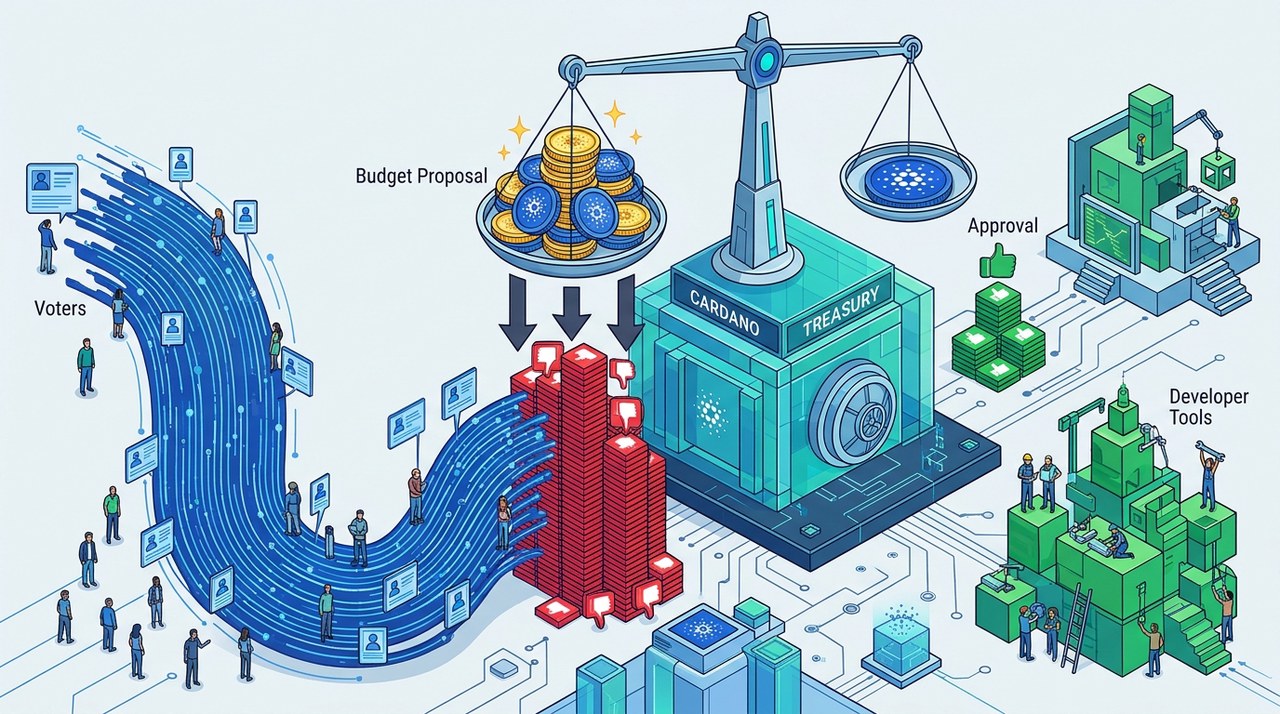

Cardano Holders Reject $4M Event Budget in Treasury Vote
Cardano token holders are opposing a $4 million treasury request for a 2027 conference while backing a developer tools proposal.
|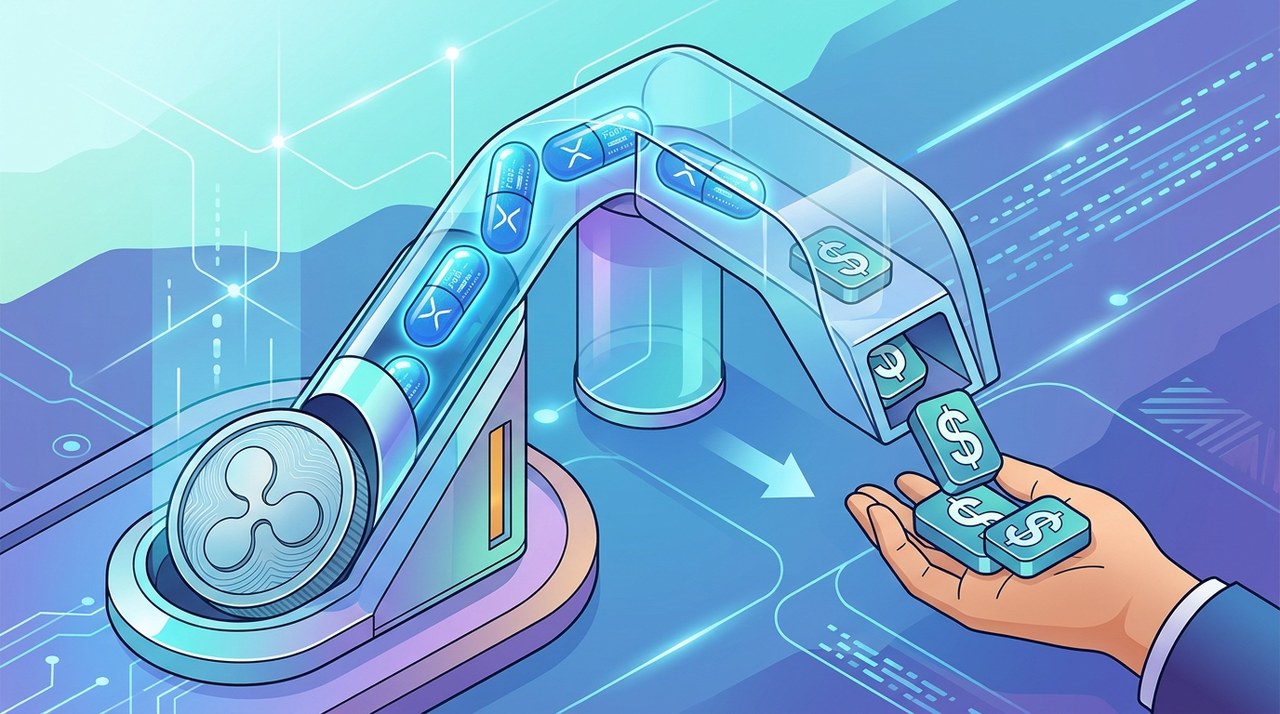
Flare Helps XRP Holders Borrow Dollars Without Selling Tokens
Flare Network's FXRP supply reached 145 million tokens as holders increasingly use their XRP as collateral to borrow US dollar stablecoins across blockchains.
|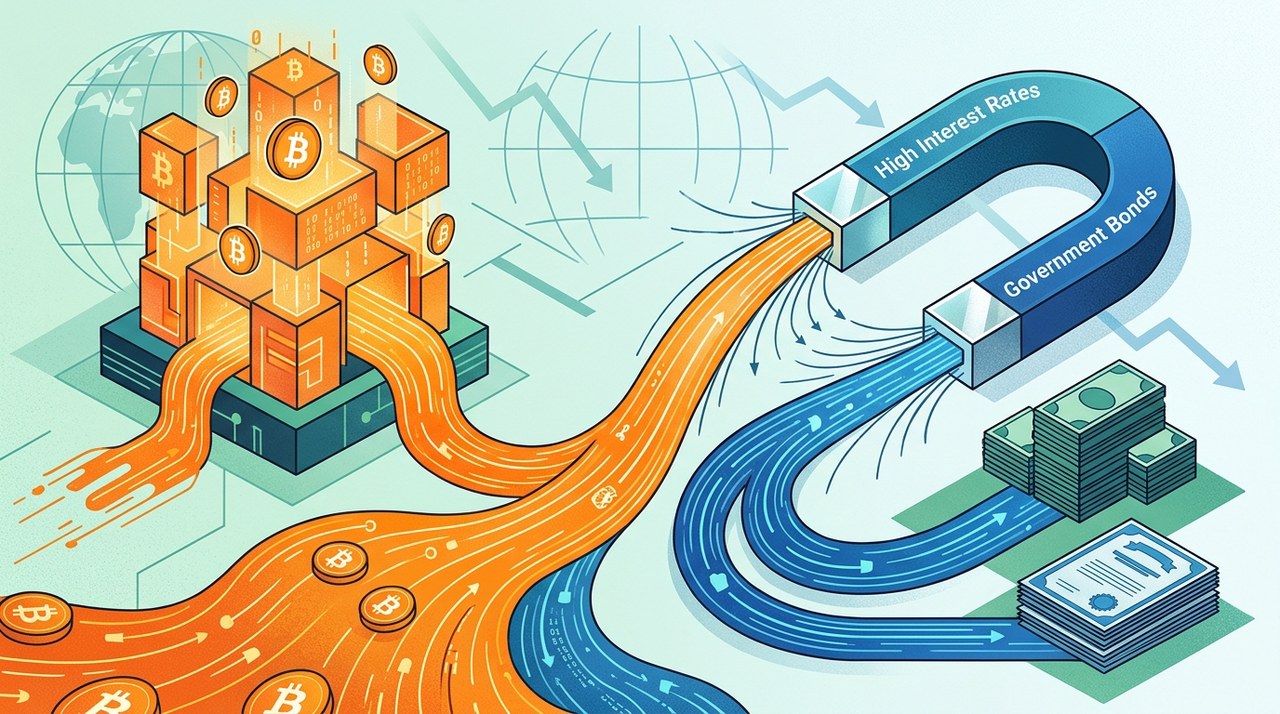
Spot Bitcoin ETFs Shed $1.8 Billion as Outflows Shift
Spot Bitcoin ETFs saw $1.8 billion in weekly outflows as risk-averse investors prepare for potential December interest rate hikes.
|