


Flare Helps XRP Holders Borrow Dollars Without Selling Tokens
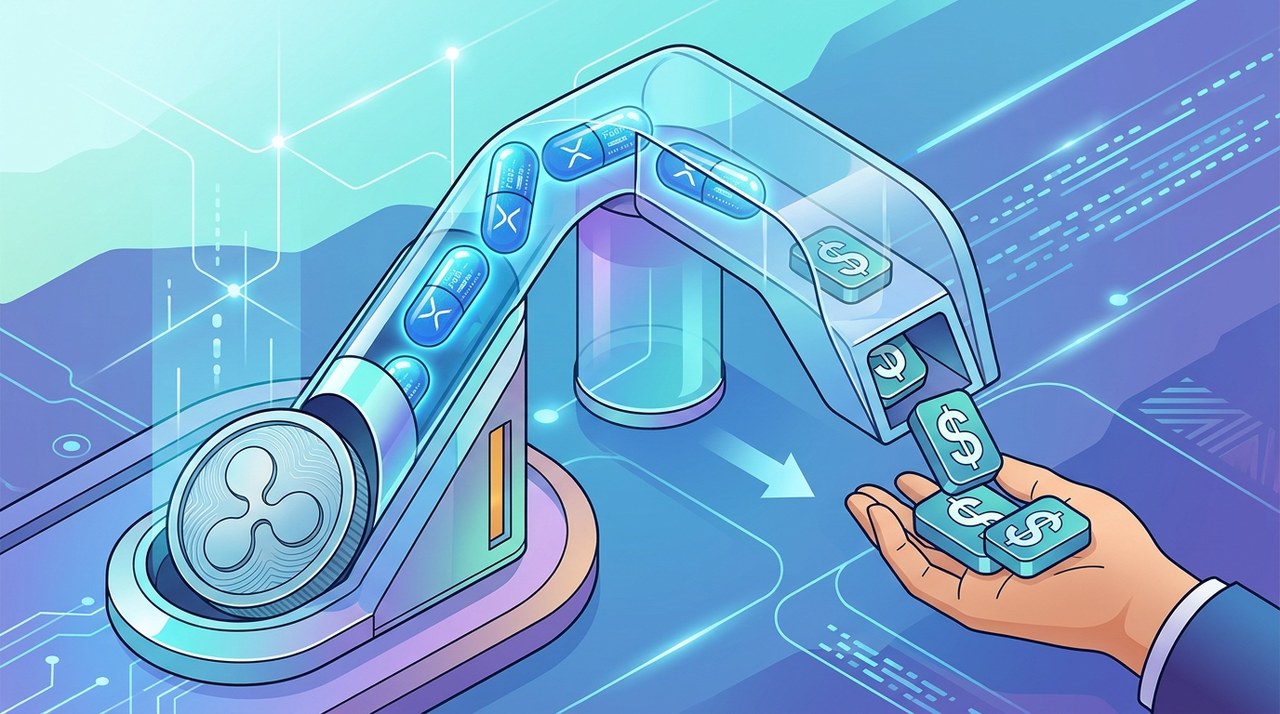
Unlocking New Utility for XRP Holders
Imagine owning a valuable property. If you need cash, you do not have to sell your property. Instead, you can take out a loan against its value.
That is exactly what Flare Network is enabling for XRP holders. For years, XRP was primarily used for fast cross-border payments. Many holders simply kept their tokens in wallets without using them in decentralized finance (DeFi).
Flare Network is changing that model. Through FXRP, a wrapped version of XRP on Flare, holders can now use their assets as collateral to borrow US dollar-backed stablecoins. As Flare Chief Product Officer Filip Koprivec explained, this setup allows users to unlock liquidity without selling their underlying crypto.
By the Numbers: FXRP Supply and Cross-Chain Growth
Early DeFi projects often rely on high token rewards to attract capital. However, Flare is starting to see sustained interest beyond initial promotional incentives.
The total supply of FXRP recently reached approximately 145 million tokens. This comes after first crossing the 140 million mark in the spring of 2026. While initial minting caps filled in about four hours due to launch rewards, overall supply has remained steady despite wider crypto market shifts.
Past performance of digital assets is not a guarantee of future performance. You can check current market trends on Bitkub Market.
The first FXRP minting cap filled in about four hours, helped by DeFi incentives. Incentives are still part of the picture, but we can separate launch-day spikes from the underlying usage.
Where is all this FXRP going? About 20 million tokens, or roughly 14% of the total supply, have moved to external blockchains like EthereumETH+4.07%.
This transfer happens through LayerZeroZRO+3.75%'s Omnichain Fungible Token standard. Once on Ethereum, users can deposit FXRP as collateral to borrow RippleXRP+2.81%'s RLUSD stablecoin.
Borrowing dollars without selling XRP is a practical use case.
The December Test: Shifting from Incentives to Real Yield
The network faces a key liquidity test in early December 2026 as Firelight, a major protocol in the ecosystem, updates its reward model.
Firelight currently holds around one-third of all circulating FXRP tokens. The protocol plans to transition away from token minting incentives toward yield backed by actual protocol revenue.
The upcoming payouts will reveal how much liquidity remains when temporary rewards end and revenue-backed yields take over. Koprivec noted that the team will closely monitor capital retention during this transition.
Breaking Down Technical Barriers for XRP Holders
In the past, moving assets between the XRP Ledger and Ethereum Virtual Machine networks required complex wallet setups.
Flare solved this issue by introducing Flare Smart Accounts. This feature acts like an invisible bridge between the two distinct network environments.
XRP holders can now mint FXRP and deposit it into earning vaults directly from native XRP Ledger wallets, such as Xaman. They do not need to configure separate Ethereum-compatible wallets.
- Over 1,100 XRP holders used Flare Smart Accounts in the first month of integrating with Xaman.
- Users deposited funds directly from the XRP Ledger without touching technical EVM code.
- The underlying FAssets minting steps run quietly in the background.
- Upcoming Xaman updates will add single-signature transactions to simplify the process further.
That suggests simpler onboarding helps, and distribution matters too.
Flare is currently working to expand these Smart Account features to additional wallet providers and centralized exchanges.
Deepening Technical Ties with the XRP Ledger
Flare's relationship with the XRP ecosystem reached another milestone in October 2026, when the XRP Ledger Foundation added Flare to its recommended validator list.
Operating a validator gives Flare's engineering team direct visibility into network health, software updates, and consensus state.
Koprivec clarified that Flare's oracle price feeds come from independent data providers rather than validator operations. However, running a validator provides essential operational insight for products verifying XRP Ledger activity.
Expanding Infrastructure: LayerZero DVN Mainnet Launch
As FXRP and RLUSD activity grows across networks like Ethereum and Base, Flare is expanding its security infrastructure.
Following testnet trials, Flare is set to launch its own LayerZero Decentralized Verifier Network on mainnet in December 2026.
Instead of creating a standalone validation mechanism, Flare's DVN uses the Flare Data Connector. This is the same decentralized oracle protocol that verifies underlying XRP payments.
How the Flare Data Connector Verifies Cross-Chain Messages
- Independent data providers check transactions on the source blockchain.
- Providers reach a stake-weighted consensus on the transaction details.
- The system signs a state root representing the verified data.
- The DVN checks message proofs against that root before recording its verification vote.
It's one verification system serving two uses. The distinction is that verification depends on agreement across that network rather than a single operator.
Handling Network Congestion and Gas Fees
Cross-chain transfers can slow down when destination networks experience high traffic and rising gas fees.
To prevent transactions from stalling during busy periods, Flare uses multiple independent operators to relay consensus roots and cover destination gas costs.
Fees adjust dynamically using LayerZero's real-time price feeds. If heavy network congestion causes minor delays, the system remains permissionless. Anyone can submit a valid proof through an alternative route, while final message approval still relies on consensus among data providers.
Looking Ahead: Multi-Market Data Infrastructure
Flare's progress shows how payment tokens can gain expanded financial uses across multiple networks.
For Koprivec, the planned December DVN launch marks an important expansion of Flare's core technology.
What began with XRPFi now reaches beyond Flare: the same data infrastructure will verify cross-chain messages through a Layerzero DVN. One data stack, making more markets possible.
Latest blog posts
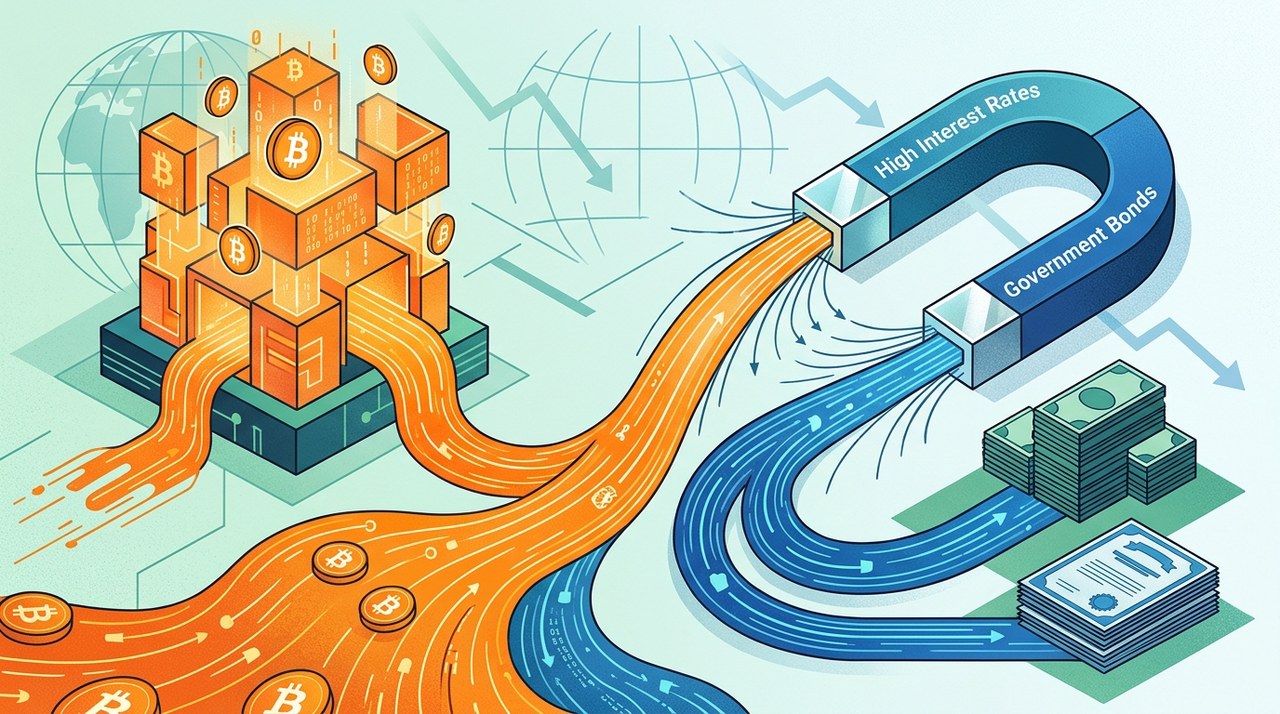

Spot Bitcoin ETFs Shed $1.8 Billion as Outflows Shift
Spot Bitcoin ETFs saw $1.8 billion in weekly outflows as risk-averse investors prepare for potential December interest rate hikes.
|
 +2
Why Robert Kiyosaki Is Buying Bitcoin and Ethereum
Author Robert Kiyosaki shares his strategy for buying Bitcoin, Ethereum, and physical assets while raising warnings about government debt and market stability.
|
Strategy Bitcoin Holdings Drop 22% Below Average Cost
Strategy's Bitcoin stack is 22% underwater, prompting Peter Schiff to warn of a collapse while company leaders point to strong cash reserves.
|