
What is Spark (SPK)?
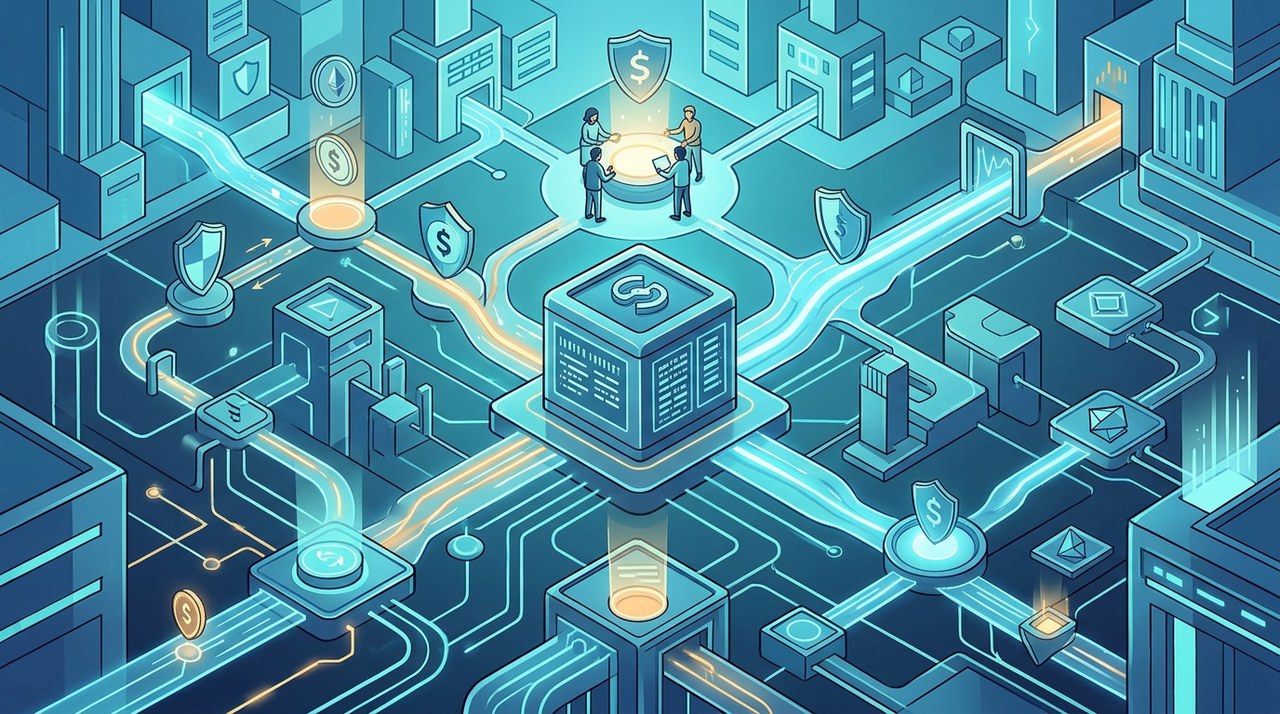
- Spark (SPKSPK+0.00%) is a decentralized liquidity protocol and credit engine built within the Sky (formerly MakerDAO) ecosystem.
- The SPK token empowers community members to govern protocol parameters, manage treasury allocations, and earn staking incentives.
- Spark features SparkLend, an advanced money market protocol delivering capital efficiency and competitive borrowing for stablecoins like USDS and DAI.
- The platform leverages direct credit modules (DADM) connected directly to core liquidity vaults to lower interest rate volatility.
- Interacting with Spark involves risks including market volatility, smart contract execution, and automatic liquidations.
What is Spark (SPK)?
In the rapidly expanding landscape of Decentralized Finance (DeFi), capital efficiency and liquidity access are two of the most critical drivers of innovation. Spark (SPK) is a decentralized liquidity market protocol designed to deliver scalable lending, borrowing, and yield-generation infrastructure to Web3 users. Positioned as a core financial pillar within the Sky ecosystem (formerly known as MakerDAO), Spark serves as a foundational engine for decentralized credit.
At its core, Spark operates as a non-custodial money market where users can supply digital assets to earn variable yields or leverage their crypto holdings as collateral to borrow assets. The native utility and governance token of the protocol, SPK, plays a central role in aligning incentives across the platform, facilitating decentralized decision-making, and driving long-term ecosystem growth.
By connecting established decentralized asset frameworks with cutting-edge credit architecture, Spark provides a transparent, code-governed environment that allows users to interact directly with deep liquidity pools without relying on traditional financial intermediaries or centralized custodians.
History and Background of Spark
Origin Within MakerDAO's Endgame Vision
To fully understand the inception of Spark, it is essential to trace its roots back to MakerDAO, one of the earliest and most influential protocols on the Ethereum blockchain. MakerDAO pioneered decentralized stablecoins through the creation of DAI, a multi-collateral stablecoin backed by crypto assets. As MakerDAO expanded, its founder, Rune Christensen, introduced an ambitious structural roadmap known as the Endgame Plan.
The Endgame Plan aimed to resolve governance bottlenecks, improve resilience, and scale the protocol by decentralizing operations into specialized, semi-autonomous units called SubDAOs (later rebranded as Stars under the Sky ecosystem). Spark was conceived as the premier liquidity and lending SubDAO, designed specifically to interface directly with MakerDAO's massive balance sheet to offer ultra-competitive borrowing conditions.
Evolution into the Sky Ecosystem
Spark launched its primary product, SparkLend, as a money market protocol based on audited open-source smart contract frameworks (forked from Aave v3) tailored to integrate Maker's liquidity engine. This structural integration allowed Spark to tap directly into Maker's credit facilities, offering fixed and variable interest rates that were tightly integrated with decentralized stablecoin monetary policy.
With the rebranding of MakerDAO to Sky in 2024, Spark solidified its identity as a vital ecosystem module. The introduction of the native SPK token marked a major milestone in transitioning operational control and economic alignment directly to dedicated community participants and governance stakers.
How SPK Works: Technical Architecture
Non-Custodial Money Market Mechanics
Spark operates through automated smart contracts deployed on Ethereum mainnet and select Layer-2 scaling networks to lower execution costs. The platform functions on a peer-to-contract model, eliminating the need for bilateral agreement between individual lenders and borrowers.
When liquidity providers deposit supported digital assets into Spark liquidity pools, smart contracts issue corresponding yield-bearing liquidity tokens (such as spTokens). These tokens automatically accrue interest based on real-time borrowing demand across the network. Borrowers, meanwhile, deposit approved collateral into dedicated vaults to draw loans up to a predetermined borrowing capacity.
Direct Credit Integration: The DADM Module
What sets Spark apart from conventional DeFi lending markets is its direct technical integration with the Sky core protocol via the Direct Deposit Algorithmic Module (DADM). This custom smart contract facility enables Spark to source USDS (and formerly DAI) directly from the core minting engine under strict parameters set by governance.
By dynamically injecting or removing stablecoin liquidity based on market supply and demand, Spark effectively dampens interest rate volatility, ensures deep liquidity pools for large institutional transactions, and minimizes borrowing rate spreads for key crypto assets like Ether (ETH), Wrapped Bitcoin (WBTC), and liquid staking tokens.
Security Architecture and Automated Liquidations
To ensure system solvency and mitigate credit risk, Spark relies on real-time decentralized price oracles and automated liquidation routines. If a borrower's collateral value falls below the required threshold due to adverse market movements, third-party liquidation bots can execute programmatic liquidations.
Liquidators repay a portion of the debt in exchange for collateral plus a small liquidation bonus. While these mechanisms are engineered to protect protocol solvency, users interacting with smart contracts should recognize that protocol interactions carry unavoidable software and operational risks.
Key Features and Use Cases of SPK
Decentralized Governance and Voting Power
The primary utility of the SPK token lies in governance rights within the Spark SubDAO ecosystem. Token holders exert direct influence over operational risk parameters, strategic partnerships, and financial policies. Governance activities include:
- Risk Parameter Adjustment: Modifying Loan-to-Value (LTV) ratios, liquidation penalties, and borrow caps for supported digital assets.
- Asset Onboarding: Voting to approve or reject newly proposed collateral types based on risk analyses.
- Incentive Allocation: Directing SPK liquidity rewards across various pools to incentivize deep liquidity depth.
- Treasury Spending: Approving grants, developer funding, and operational budgets to advance long-term protocol development.
Yield Generation and Staking Mechanisms
SPK serves as an economic incentive to align long-term users with protocol health. Holders can stake or lock SPK tokens within designated governance module vaults to receive protocol revenue shares, fee rebates, or additional governance voting weight.
SparkLend and Savings Products
Spark features several user-facing products designed for capital optimization:
- SparkLend: An open liquidity protocol allowing users to borrow stablecoins or major crypto assets against high-quality collateral with minimal slippage.
- Savings Vaults (sUSDS / sDAI): Programmatic savings mechanisms enabling stablecoin depositors to earn yield directly derived from overall protocol revenues.
- Efficiency Mode (E-Mode): A feature tailored for correlated assets (such as stablecoin-to-stablecoin or LSD-to-ETH trades), granting higher collateral power (up to 90%+ LTV) while managing systemic risk.
Risks and Strategic Considerations
While Spark provides advanced financial tools, participating in decentralized money markets requires a clear understanding of systemic and financial risks:
- Smart Contract Risk: Despite comprehensive security audits, open-source protocol code may contain unforeseen vulnerabilities that could be exploited.
- Liquidation Risk: Market volatility can cause rapid asset devaluation, triggering automatic liquidation of collateralized loans and leading to financial loss.
- Interest Rate Fluctuations: Variable borrowing and lending rates adjust continuously based on market conditions, impacting net yields and borrowing expenses.
- Regulatory and Compliance Risks: Emerging global regulatory frameworks governing DeFi protocols and decentralized stablecoins may impact operational dynamics over time.
SPK in the Crypto Market
Within the decentralized finance sector, SPK occupies a distinct position due to its integration with the Sky ecosystem. Its long-term market dynamics are closely connected to key operational metrics, including:
- Total Value Locked (TVL): The aggregate value of digital assets deposited into Spark's liquidity contracts.
- Active Borrowing Volume: Total active loans outstanding, which directly generate interest revenue.
- Ecosystem Integration: The adoption level of USDS/DAI across external DeFi protocols and cross-chain platforms.
Investors evaluating SPK should analyze ongoing protocol metrics alongside broader market trends. Please note: Past performance of digital assets is not an indication of future performance. The digital asset market is subject to price fluctuations, and individuals should carefully evaluate their risk tolerance before trading.
How to Buy SPK on Bitkub
For users interested in acquiring SPK tokens, Bitkub Exchange offers a regulated, secure, and user-friendly platform in Thailand. The process involves simple steps:
- Account Registration and Identity Verification: Create a Bitkub account via the official app or website, and complete the Know Your Customer (KYC) identity verification process.
- Deposit Funds: Deposit Thai Baht (THB) or supported digital assets into your Bitkub wallet using instant mobile banking QR transfers or secure deposit options.
- Locate the SPK Market: Navigate to the trading market page and select the SPK/THB trading pair to review live order books and price charts.
- Execute Your Trade: Choose between a Limit Order (setting your desired purchase price) or a Market Order (executing immediately at current market rates), enter the desired purchase amount, and confirm the trade.
- Secure Storage: Following execution, SPK tokens will appear in your Bitkub spot balance. Enable two-factor authentication (2FA) for added account security.
Conclusion
Spark (SPK) represents a core evolution in decentralized money market architecture. By serving as the liquidity backbone of the Sky ecosystem, Spark combines institutional-grade liquidity access with transparent, automated smart contract execution.
Through products like SparkLend and native governance via the SPK token, the protocol empowers community members to actively shape the future of decentralized credit. As with any DeFi participation, users should thoroughly evaluate the technical features alongside market volatility and smart contract risks before engaging with the platform.
Latest blog posts

What is SUI (SUI)?
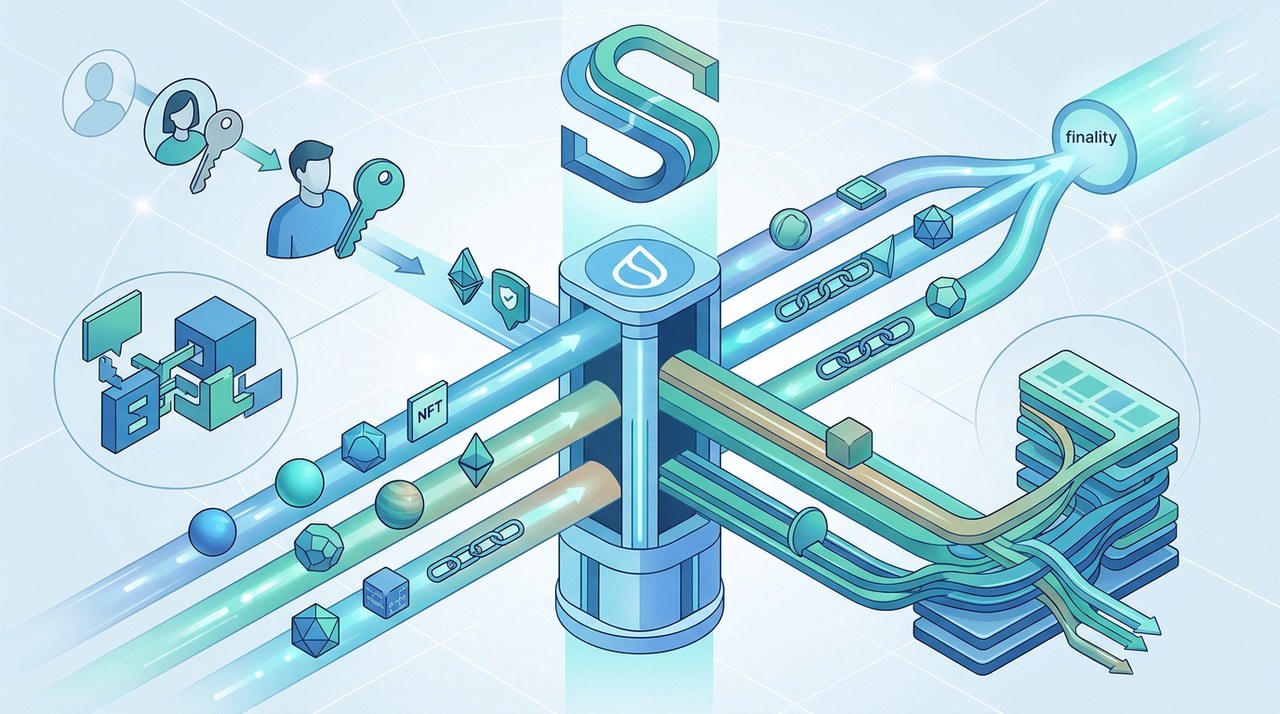
Sui is an innovative Layer-1 blockchain built by former Meta engineers that leverages an object-centric data model and the Sui Move programming language. Designed for parallel transaction execution and sub-second latency, Sui aims to deliver enterprise-grade performance for DeFi, gaming, and mass-market Web3 applications.
|

What is Mitosis (MITO)?
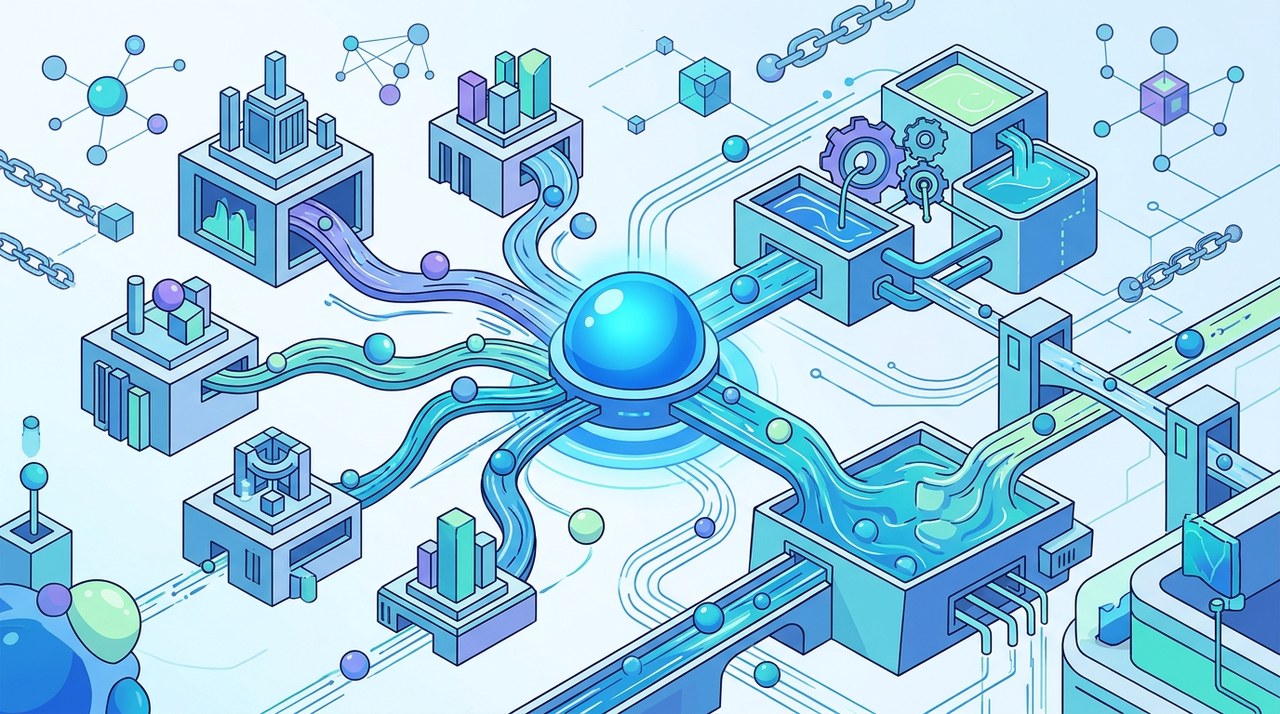
Mitosis (MITO) is an innovative modular liquidity protocol built to eliminate cross-chain capital fragmentation in decentralized finance. Through its Ecosystem-Owned Liquidity (EOL) architecture and Matrix Vaults, Mitosis empowers users and protocols to compose yield seamlessly across multi-chain ecosystems. This guide covers how Mitosis operates, the utility of the MITO token, market considerations, and trading guidance on Bitkub Exchange.
|

What is Mira (MIRA)?
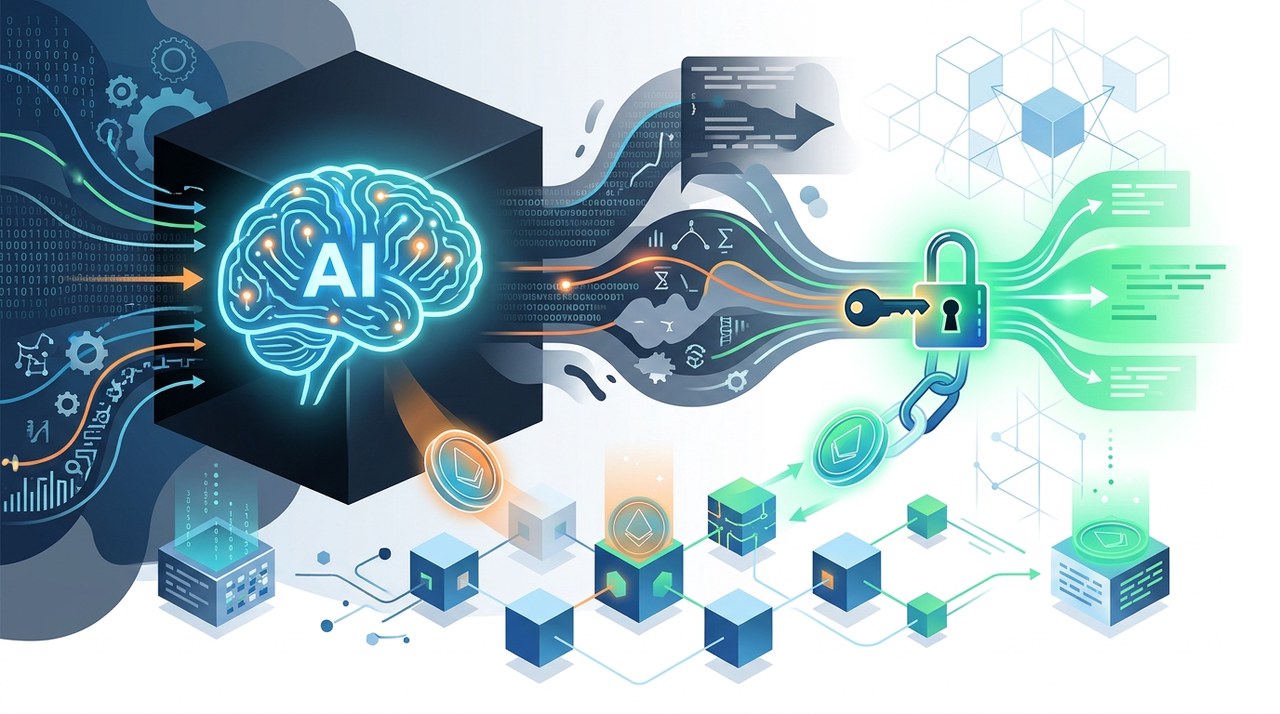
Mira (MIRA) is a decentralized protocol designed to bring trust and transparency to artificial intelligence systems. By combining off-chain computational pipelines with on-chain cryptographic proofs and cryptoeconomic incentives, Mira allows decentralized applications and autonomous agents to verify AI outputs seamlessly.
|