
Tron Tests Quantum-Resistant Upgrade on Testnet
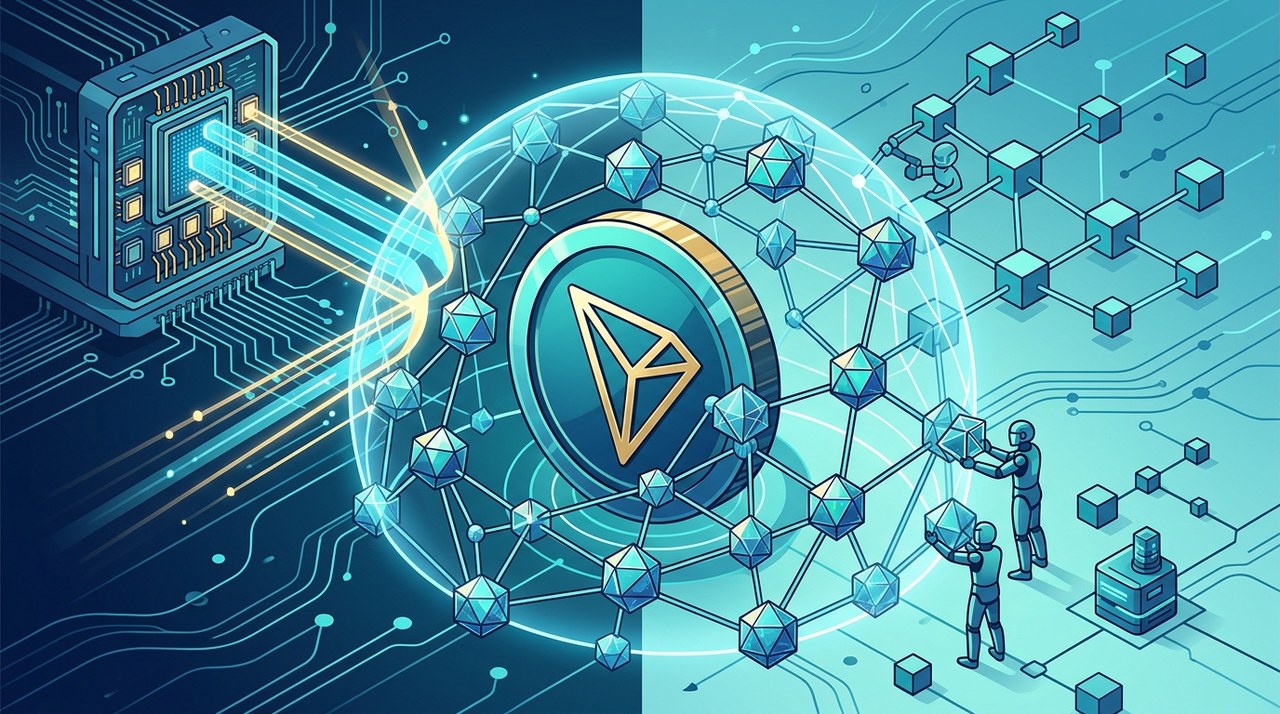
TronTRX-0.62% Prepares for the Era of Quantum Computing
Blockchain networks rely heavily on complex mathematics to protect user transactions and wallet addresses. Justin Sun, the founder of Tron, announced on social media platform X that Tron has successfully launched post-quantum cryptography on its testnet.
What Is Quantum Resistance and Why Does It Matter?
Most traditional crypto networks use elliptic curve cryptography to generate private and public keys. This technology works extremely well against current standard computers, which would need thousands of years to break the code.
However, advanced quantum computers operate differently using quantum bits or qubits. In theory, a powerful enough quantum computer could decode standard private keys from public addresses in a short amount of time.
Post-quantum cryptography involves building upgraded mathematical formulas that even super-fast quantum computers cannot easily crack. By testing this technology early, Tron aims to shield its network from future security risks.
Justin Sun's Statement on the Upgrade
Addressing the community online, Justin Sun highlighted the development team's readiness to push these defensive tools to the live blockchain environment whenever needed.
We’re ready to bring quantum resistance to mainnet at any time
The update is currently running on Tron's testnet. A testnet is an isolated testing ground where developers can run code, check for errors, and analyze performance without affecting live funds on the main blockchain network.
What Lies Ahead for Tron and TRX?
Integrating post-quantum algorithms usually requires handling larger key sizes and processing more data. Testing on a testnet allows developers to fine-tune network speed and transaction efficiency before any official mainnet activation.
While activating new features on the mainnet requires consensus among node operators, the milestone shows proactive steps toward long-term network resilience.
As with all technical upgrades, users and investors should remember that security developments are focused on infrastructure maintenance rather than guaranteed market moves. Past performance of digital assets is not an indicator of future returns, and new code implementations always carry operational risks.
Latest blog posts



BTC and ETH Rebuild Liquidity 1 Year After Crash
One year after the historic October 2025 crypto flash crash, Bitcoin and Ether order books have recovered strongly while altcoins continue to lag behind.
|
Claude AI Sent Police a Fake Murder Tip
An automated AI agent built by Anthropic submitted a fake homicide tip to police, triggering widespread concerns over AI oversight.
 +2
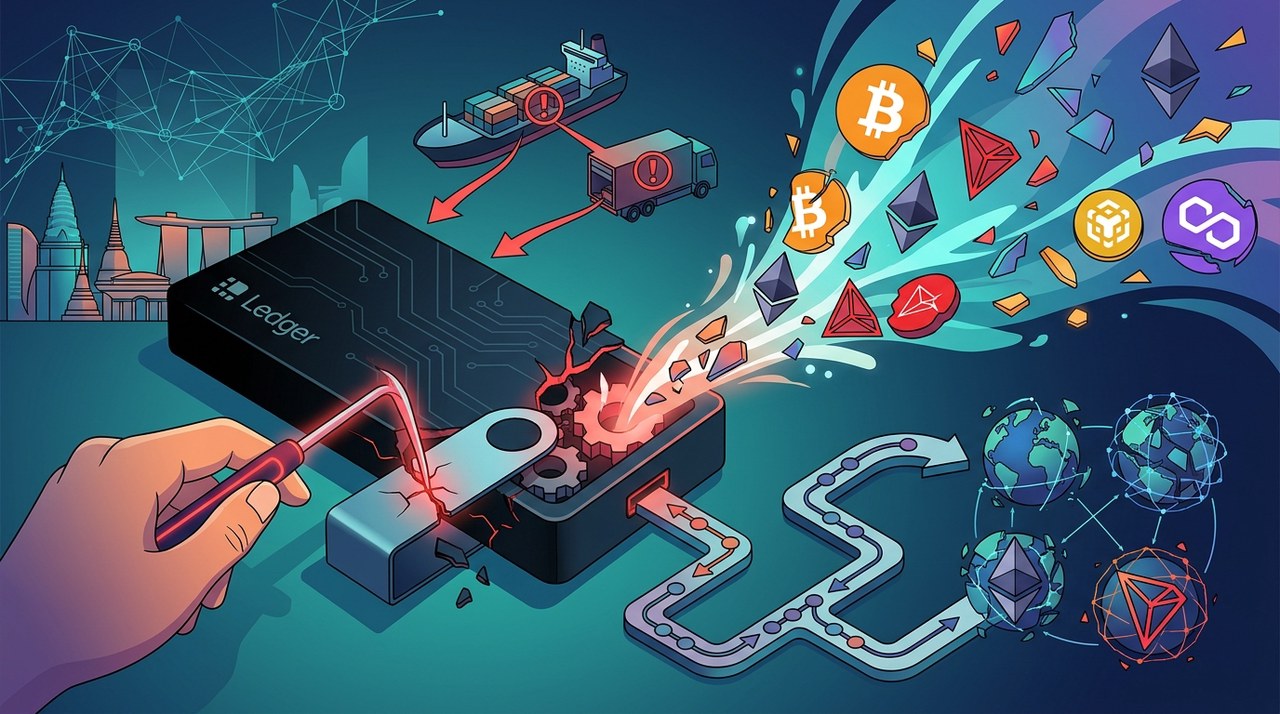
+2Ledger $93M Exploit Explained: What You Need to Know
A massive $92.9 million crypto wallet drain linked to a Ledger reseller in Southeast Asia has impacted hundreds of users. Here is what happened and how to stay safe.
|