
Stellar Secures Tokenization Deal with Securitize
A Major Institutional Integration for StellarXLM+0.86%
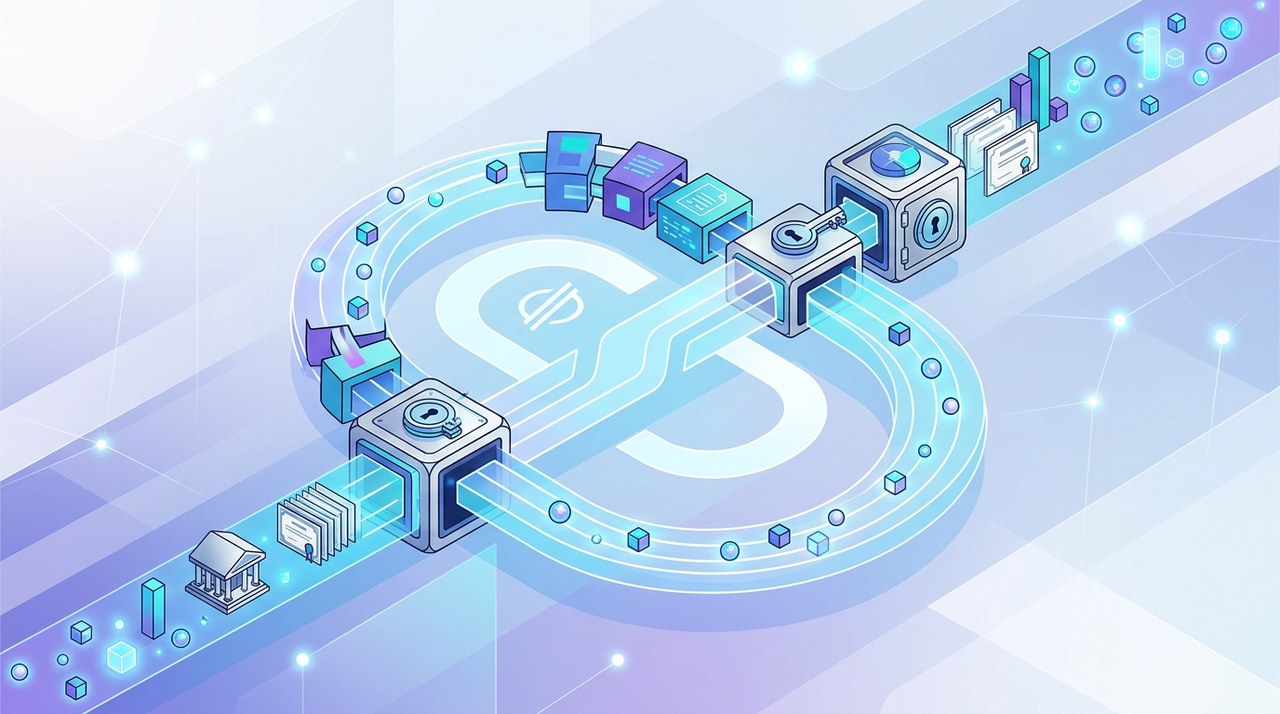
Stellar is broadening its role in institutional finance following a new partnership announcement. Tokenization platform Securitize plans to integrate its regulated financial infrastructure directly into the Stellar blockchain network.
This integration will enable institutional asset managers to issue and manage tokenized financial assets on Stellar. By adding Stellar, Securitize aims to offer institutions greater choice when selecting a blockchain network for their digital products.
Expanding Ecosystems and Industry Presence
Securitize revealed on social media that Stellar represents the 17th blockchain integrated into its tokenization technology stack. This expansion strengthens Stellar's standing in the growing market for real-world asset (RWA) tokenization.
According to official statements, Stellar currently ranks as the fourth-largest ecosystem measured by real-world asset token volume. The network was designed specifically to support financial institutions by facilitating compliant asset issuance and efficient settlement.
Since its launch, the Stellar blockchain has processed billions of transactions, building a track record within institutional blockchain applications.
Announcement Details and What Comes Next
The integration was announced during Meridian 2026, the annual conference hosted by the Stellar Development Foundation (SDF) in Lisbon, Portugal.
Securitize currently manages approximately $5 billion in tokenized securities across its platform. The company collaborates with several prominent global asset managers, including BlackRock, Apollo, BNY, KKR, and Hamilton Lane.
While the technical partnership is confirmed, specific details regarding which financial products will be offered first and the precise rollout schedule have not yet been disclosed.
Understanding Tokenization and Market Context
Real-world asset tokenization involves representing traditional financial assets, such as funds, bonds, or private credit, as digital tokens on a blockchain network. This process aims to streamline administrative functions and improve liquidity.
While institutional interest in blockchain technology continues to develop, adoption speed depends on regulatory frameworks, technology readiness, and broader market conditions. Digital assets remain subject to market volatility.
Market participants can review historical data and current market details directly on trading platforms such as Bitkub Market.
Past performance of digital assets or financial operations is not an indicator of future results.
Latest blog posts



Dogecoin Devs Defend DOGE's Unique Role in Crypto
Dogecoin contributors push back against claims that DOGE needs smart contracts and high DeFi numbers, arguing that simplicity is its greatest strength.
|

Ripple CEO Brad Garlinghouse Highlights Crypto Resilience
Despite a quiet October for XRP, Ripple CEO Brad Garlinghouse expressed strong confidence in the crypto industry's long-term momentum during Ripple Swell in New York.
|
Crypto Braces for Shifts in US Congressional Oversight
Following the Clarity Act debate, the crypto sector is preparing for major changes in US Congressional oversight as midterm elections reshape the political landscape.