South Korea Watches Markets After Stock Rout
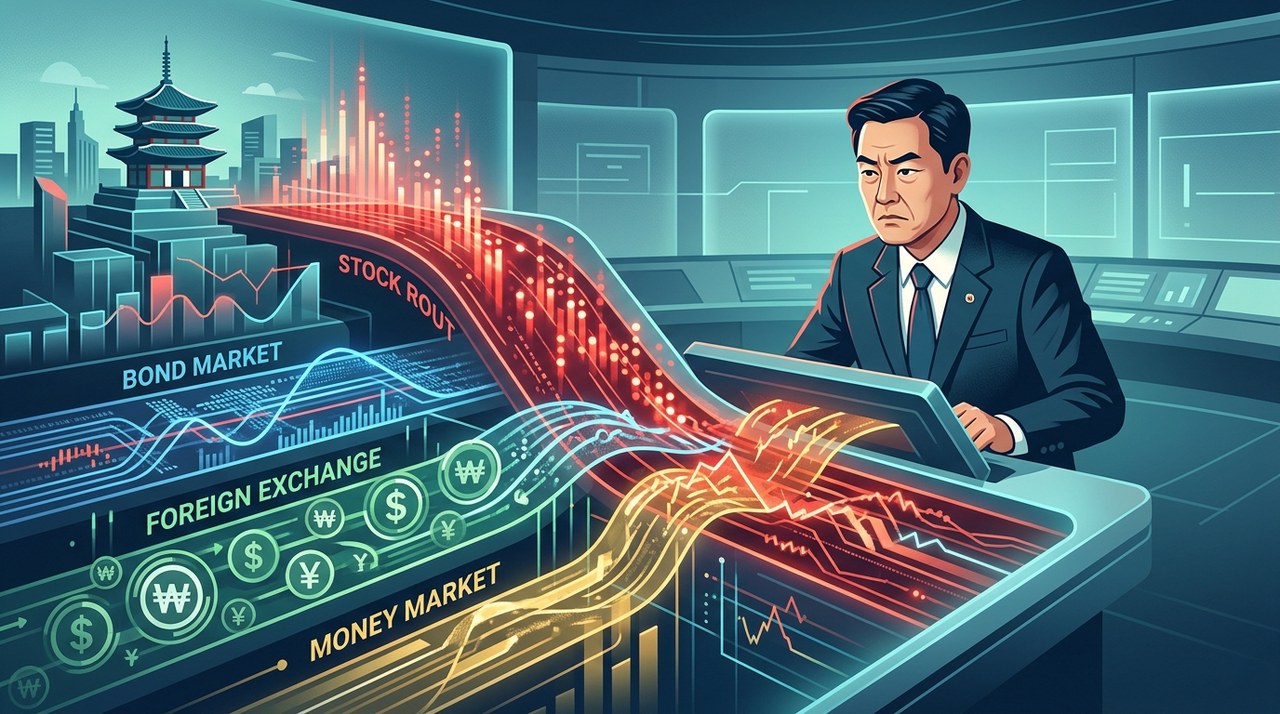
South Korea Keeps a Watchful Eye on Financial Markets
South Korea's government is taking quick action to protect its broader economy. Following a recent sharp drop in the domestic stock market, financial authorities are expanding their focus across all major asset classes.
According to a report by Cailian Press, South Korea’s Ministry of Economy and Finance announced plans to monitor whether stock market turbulence moves into other financial sectors. Specifically, officials are tracking the bond market, foreign exchange market, and money market very closely.
Why Are Authorities Worried About Market Spillovers?
Financial markets are deeply connected like a row of falling dominoes. When trouble starts in one area, such as equities, the heat can easily spread to neighboring sectors.
A heavy stock market sell-off often causes investors to panic. When traders exit equities, they frequently shift capital into foreign currencies or safe-haven assets. This rapid movement of capital can create sudden instability in exchange rates and treasury yields.
If the local currency weakens too fast, import costs rise, which can trigger inflation. Similarly, volatile bond yields make borrowing more expensive for local businesses and everyday consumers. This is why financial regulators step in early to prevent domino effects.
Government Vows Strong Action Against Market Disruption
To keep the financial system stable, South Korean regulators are stepping up their daily oversight.
The Ministry of Economy and Finance and related government agencies confirmed they will increase monitoring of equities. More importantly, officials pledged to act firmly against any activity that disrupts normal market order.
This tough stance aims to deter market manipulation, unfair trading practices, or false rumors during periods of heightened market anxiety.
What This Means for Macro Trends and Investors
South Korea is a vital global economic hub. Its financial health offers a real-time window into broader international trade dynamics and investor sentiment.
When equity markets face turbulence, retail and institutional traders adjust their risk exposure across all markets. Clear government intervention can help calm market nerves and maintain orderly trading conditions.
However, traders should always remember that financial markets carry inherent risk during volatile periods.
Past performance of financial assets or past operational results do not guarantee future performance or results.
Key Summary Points
- South Korea’s Ministry of Economy and Finance is actively monitoring bond, foreign exchange, and money markets.
- The move follows recent turbulence and sell-offs in the Korean stock market.
- Authorities will step up oversight and act firmly against any illegal or disruptive market activities.
- Proactive intervention aims to protect the broader economy from contagion risks.
Latest blog posts

Australia Drafts Rules for OECD Crypto Tax Standard
Australia's Treasury has published draft legislation to adopt the OECD's Crypto-Asset Reporting Framework and set up local reporting rules.

KOSPI Rebounds 3% as Fed Rate Hike Fears Weigh on Recovery
South Korea's KOSPI index rebounded over 3% after a sharp drop, though rising US inflation data and Fed rate concerns continue to cloud the outlook.


Why the US Is Stocking Up on Bitcoin While the World Wants Dollars
A new Chainalysis report reveals a big divide: US institutions are gathering Bitcoin, while international users are turning to dollar stablecoins.
|