

Solana Opens New Shanghai Office in Bold China Expansion

SolanaSOL+1.07% Expands into China with New Shanghai Office
Imagine opening a brand-new office in one of the most heavily regulated crypto markets in the world. That is exactly what the Solana Foundation just did. The team behind the top-ten cryptocurrency network has established a new physical office in Shanghai, China.
This move has caught many people across the global cryptocurrency community by surprise. After all, China has maintained a strict stance against digital asset trading and mining for years. Earlier this year, the People’s Bank of China (PBOC) even reaffirmed its tough position on digital assets.
A High-Rise Presence in Lujiazui
Solana did not settle for a quiet, low-profile entry. Their new workspace is located high inside the Shanghai Tower. This iconic skyscraper stands directly in the heart of Lujiazui, Shanghai’s premier financial district.
News of the location broke when Vibhu Norby, Chief Product Officer at the Solana Foundation, shared a video online showing off the office view. Seeing a major blockchain entity set up shop in one of China’s tallest commercial towers left executives wondering how a leading crypto firm could gain entry.
Lighting Up the Citibank Tower
To mark their arrival, Solana organized a vibrant light show along the famous Shanghai skyline. The display projected the word SOLANA alongside the project's signature colors across the giant curtain wall of the Citibank Tower in Lujiazui.
For a brief moment, one of the most recognizable names in Web3 lit up the night sky in mainland China.
Crypto Community Reacts to the News
The event generated immediate excitement and discussion across social media. High-profile figures across the crypto industry shared their perspectives on the bold move.
Changpeng Zhao, the founder of Binance (commonly known as CZ), expressed his surprise at Solana's local breakthrough.
It’s amazing to see that Solana was able to advertise and even get an office in China. BNBBNB-0.21% Chain was not able to do this, so far. Hopefully, what’s good for one industry player is also good for the rest.
CZ's comments highlighted just how difficult it has traditionally been for international blockchain organizations to market themselves or build a physical presence inside mainland China.
Navigating Regulations: The Tech-First Strategy
How did Solana manage to establish a presence despite China’s strict bans? According to local analysis from Chinese media outlet Techflow, the secret lies in how Solana positions its mission.
Rather than entering as a financial crypto platform centered on token trading, Solana positioned itself as a technology organization. They focus on open-source software, artificial intelligence, physical infrastructure, and developer growth.
Government Endorsements and Local Partnerships
This technology-focused strategy has already yielded significant milestones. Back in March, Solana partnered with the Shanghai Hongqiao Alibaba Center to launch the Shanghai Builder Station.
This initiative secured endorsement from local government authorities. By concentrating on developer education and technology building rather than speculative trading, Solana established a compliant pathway to work within local guidelines.
The Solana Accelerate China Tour
Building on this foundation, the Solana Foundation is launching an event series called Solana Accelerate China. This tour covers four major cities:
- Shanghai - The national financial and business center
- Hangzhou - A key technology hub and home to major internet giants
- Shenzhen - China's leading hardware and tech innovation capital
- Beijing - The country's center for policy and top academic institutions
The event program intentionally avoids subjects related to cryptocurrency speculation or the price of the SOL token. Instead, presentations focus on advanced technological convergence:
- Artificial Intelligence (AI) development
- Robotics and physical AI integration
- Emerging market tech trends
- Local business development and developer growth
Censorship Signals and Regulatory Friction
Despite these carefully designed initiatives, operating in China comes with ongoing challenges. Shortly after the light show took place, social media reports indicated that videos of the display were removed from Douyin, the Chinese counterpart to TikTok.
In addition, searches for SOL Shanghai were flagged on local platforms as potential policy violations. This underscores that while technology development is welcomed, public promotion of crypto brands remains heavily restricted.
Playing the Long Game in Asia
Industry observers suggest that Solana is pursuing a long-term strategic setup. By building ties with local developers and supporting technical innovation in AI and hardware, Solana is laying deep roots.
If Chinese policymakers ever loosen restrictions on digital assets, Solana will already possess an established footprint and active developer network in the region.
However, regulatory rules can change quickly. Readers should remember that digital asset environments carry inherent risks, and past performance of digital assets is not a guarantee of future results.
Looking Ahead: The Alpenglow Upgrade
Beyond its expansion in Asia, Solana is pushing forward on the technical development front. Developer firm Anza recently announced details regarding Solana’s upcoming Alpenglow upgrade.
Scheduled to roll out on October 21, the Alpenglow upgrade aims to deliver a major speed boost and enhance overall network efficiency for validators and decentralized applications.
As Solana expands its global footprint and continues upgrading its core infrastructure, it remains one of the most closely watched networks in the blockchain ecosystem.
Latest blog posts
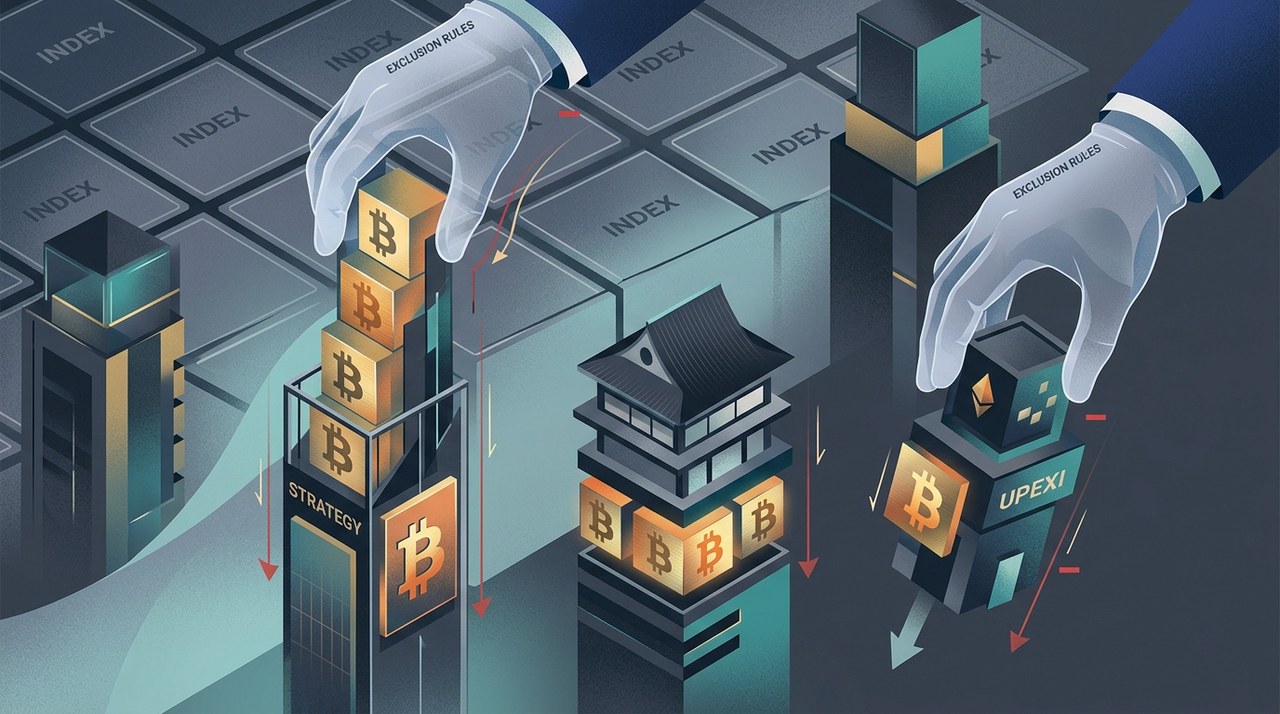

MSCI Exclusion Rules Could Impact Strategy and Metaplanet
Global index provider MSCI adopts updated exclusion rules that may remove Strategy, Metaplanet, and Upexi from its benchmarks, with final results due Nov. 11.
|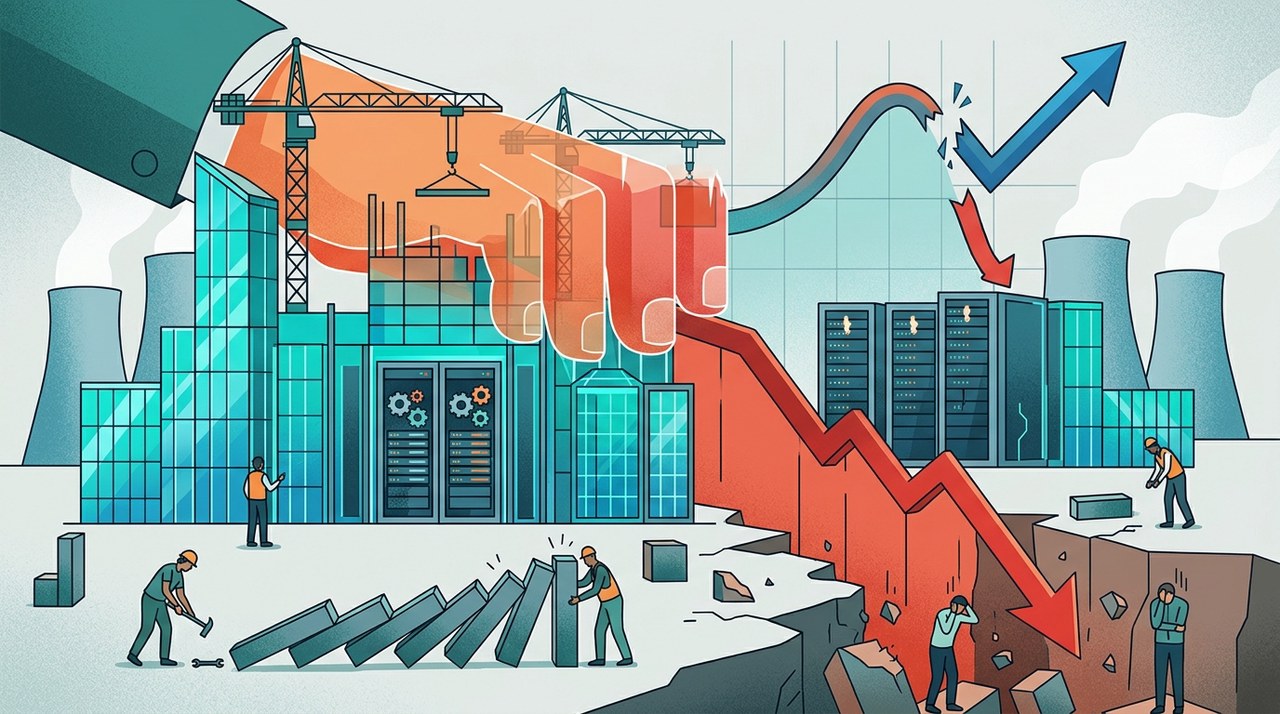
Larry Fink Warns AI Data Center Freeze Could Trigger Recession
BlackRock CEO Larry Fink warns that pausing AI data center construction could push the US economy into a recession amid growing environmental concerns.


Australia Drafts Bill for OECD Crypto Tax Framework
Australia has released a draft bill to adopt the OECD's Crypto-Asset Reporting Framework, setting the stage for global tax data exchanges by 2028.
|