Sherrod Brown's Senate Race: What Ohio Means for Crypto
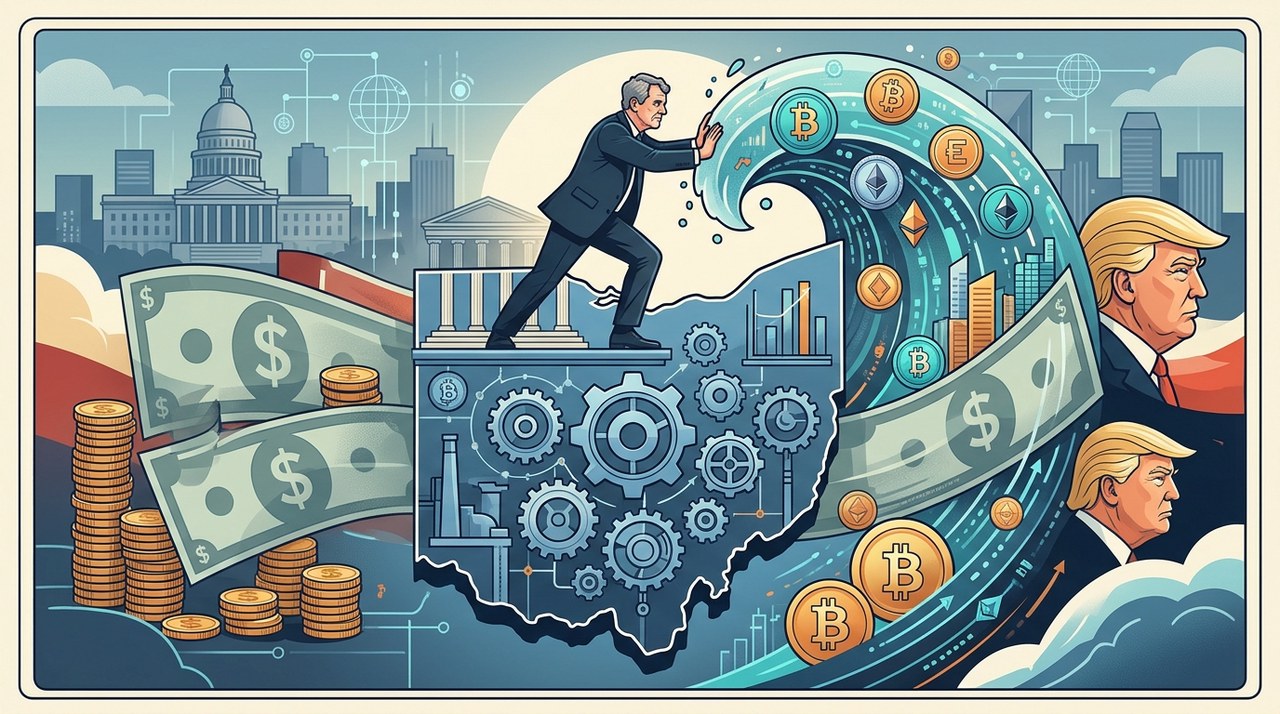
The High-Stakes Battle in Ohio
There is a massive question hanging over the digital asset world right now.
That question is centered on Ohio. It involves a $63 million political effort and the future of crypto regulation in the United States.
Senator Sherrod Brown is fighting to hold onto his seat. As the head of the powerful Senate Banking Committee, his political fate could shape crypto oversight next year.
Who Is Sherrod Brown and Why Is He Important?
To understand why the crypto industry cares so much, you have to look at how laws get made in Washington.
Sherrod Brown is a veteran Democratic senator from Ohio. He currently serves as the Chairman of the Senate Banking Committee.
This committee decides which financial bills move forward to a full vote. If the chairman dislikes a bill, it almost never reaches the Senate floor.
Throughout his tenure, Senator Brown has taken a firm stance regarding digital asset regulation, often raising concerns about consumer risks and financial stability.
The industry's $63 million question revolves around whether its political adversary in Ohio rides the Trump backlash back into the Senate.
The $63 Million Political Question
Why is the figure of $63 million central to this story?
Major crypto advocacy groups and Political Action Committees (PACs) have raised significant funds for this election cycle. These groups are spending heavily in key Senate races across the country.
Their goal is to support lawmakers who favor clear rules for digital innovation and challenge those who push for strict limitations.
In Ohio, the political stakes are particularly high. Resources are pouring in from both sides to sway voters before election day.
The Trump Factor and Ohio's Political Landscape
Ohio was once considered a traditional swing state. In recent elections, however, it has trended more Republican.
Donald Trump won the state comfortably in previous presidential campaigns. This creates a complex dynamic for a Democratic incumbent like Sherrod Brown.
Brown relies on strong personal popularity among local working-class voters. He hopes this connection will help him withstand national political trends.
At the same time, political dynamics surrounding national party figures can heavily influence voter turnout on both sides.
What Happens to Crypto Legislation Next Year?
The outcome of the Ohio election presents two distinct possibilities for digital asset legislation in 2025.
Scenario 1: Sherrod Brown Retains His Seat
- Continued Strict Scrutiny: If Democrats retain Senate control, Senator Brown likely remains Chairman of the Banking Committee.
- Slower Legislative Pace: Pending bills concerning stablecoins and crypto market structure may face extensive review.
- Focus on Risk Mitigation: Consumer protection and anti-money laundering controls would remain top priorities.
Scenario 2: A Shift in Senate Leadership
- New Committee Leadership: A change in control would bring a new chairperson to the Senate Banking Committee.
- Bipartisan Frameworks: Proposed market structure bills could see faster movement toward committee votes.
- Regulatory Definition: Industry observers hope for clearer boundaries between SEC and CFTC oversight.
What This Means for Crypto Investors
Political elections create short-term headlines, but their long-term impact lies in policy stability.
Clear legal frameworks can provide confidence for institutions looking to build in the space. Conversely, uncertainty often leads to temporary market volatility.
While political developments are important to track, investors should maintain a balanced perspective.
Past performance of digital assets is not an indicator of future returns. Market conditions can shift rapidly based on macroeconomic factors beyond politics.
Looking Ahead to 2025
The Ohio Senate race is one of the most closely watched contests of this election cycle.
Its result will play a significant role in determining how federal agencies and Congress approach digital assets in the years ahead.
Latest blog posts

Can Playing GTA 6 Really Save You $5,000?
Millionaire investor Mark Tilbury claims buying GTA 6 could save players $5,000 by swapping expensive nights out for gaming at home.
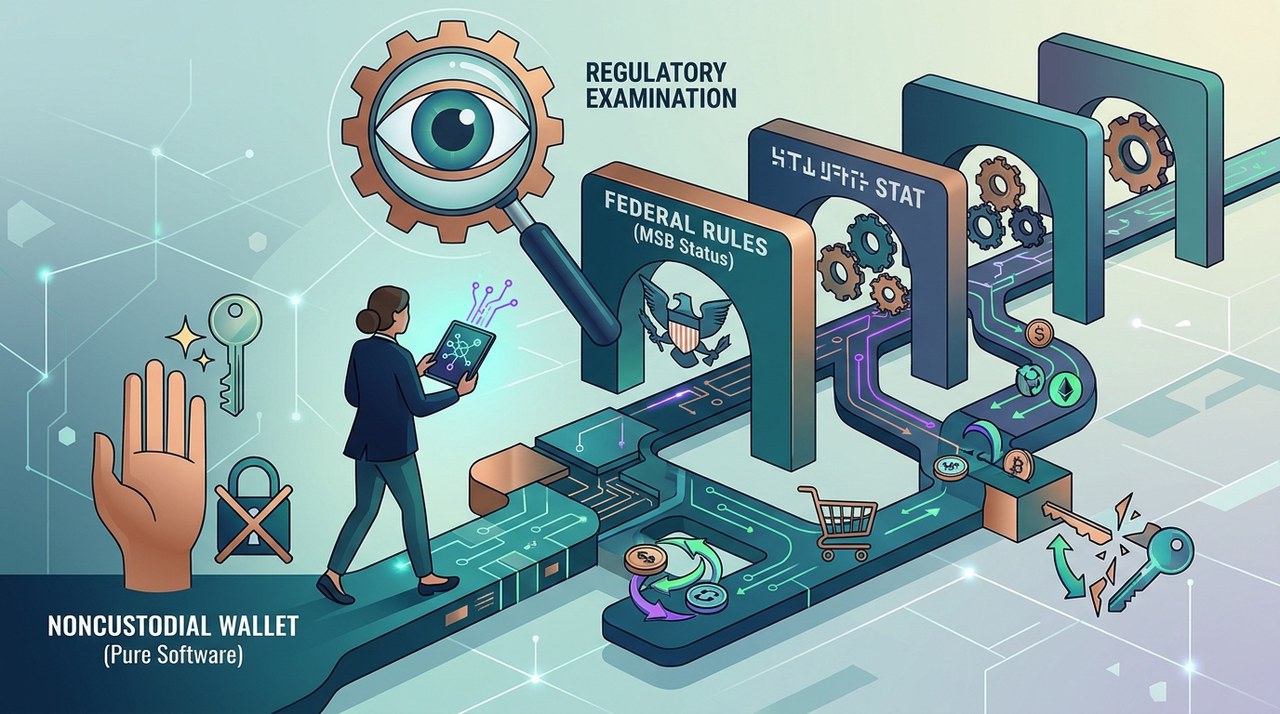
Does Your Noncustodial Crypto Startup Need a License?
Calling your crypto product noncustodial is not enough to skip licensing rules. Here is how FinCEN and state laws evaluate money transmission.

Family Sells $3 Yard Sale Bowl for $2.2 Million at Auction
An upstate New York family bought a small ceramic bowl for $3 at a tag sale and used it as living room decor for years before discovering it was a 1,000-year-old Chinese masterpiece worth millions.