

Scammer Loses $4.8M Stored on Tampered Ledgers

The Unexpected Karma: Scammer Loses $4.8 Million to Tampered Hardware Wallets
Imagine successfully stealing millions of dollars in cryptocurrency, only to lose every single cent because you put the money inside a compromised wallet. That is exactly what happened in one of the stranger stories hitting the crypto headlines this week.
A scammer who managed to siphon off approximately $4.8 million in stolen digital funds reportedly lost the entire fortune. The reason? The fraudster stored the assets on hardware wallets that had been physically tampered with before use.
How Does a Hardware Wallet Get Tampered With?
Crypto investors often use hardware wallets like Ledger devices to store their digital tokens offline. These physical devices act like digital safes. They keep your private keys away from internet-connected devices, making them extremely secure under normal conditions.
However, security breaks down completely when a device is intercepted or modified before reaching the end user. Bad actors can alter hardware wallets in a few specific ways:
- Pre-configured recovery phrases: Fraudsters set up the wallet in advance, print out the secret 24-word recovery phrase, and trick the buyer into using it instead of generating a fresh one.
- Malicious firmware: Attackers flash modified software onto the device, allowing them to secretly intercept private keys or redirect transactions.
- Physical hardware mods: Scammers insert hidden microcontrollers inside the casing to steal user inputs or override security checks.
In this specific case, the scammer likely bought or acquired compromised Ledger devices without realizing they were rigged. Once the $4.8 million was deposited into the wallet addresses, the original attacker who altered the devices drained the funds instantly.
Essential Self-Custody Rules for Every Investor
You do not need to hold millions of dollars to take wallet security seriously. Anyone using cold storage should follow strict protocols to protect their digital assets from supply-chain attacks.
- Buy direct: Only purchase hardware wallets directly from the official manufacturer or authorized main distributors.
- Never buy used: Avoid second-hand marketplaces or unauthorized online resellers when buying security equipment.
- Generate your own seed: Always initialize the device yourself and ensure it generates a brand-new secret recovery phrase on the screen.
- Verify the software: Use official companion apps like Ledger Live to verify that the device firmware is genuine.
Thailand Expands Institutional Access with Spot Crypto ETFs
While security stories highlight the risks of self-custody, regulatory developments across Asia are making crypto more accessible through traditional financial channels. Thailand has officially welcomed the launch of trading for Bitcoin and Ether exchange-traded funds (ETFs).
An ETF is an investment fund traded on traditional stock exchanges. Instead of buying and managing actual tokens on a crypto exchange, investors can buy shares of an ETF that tracks the real-time spot price of underlying assets like Bitcoin (BTCBTC+0.42%) and Ether (ETHETH+0.49%).
What the ETF Launch Means for the Market
The introduction of spot crypto ETFs in Thailand represents a notable milestone for local financial infrastructure. It offers a structured avenue for institutional and high-net-worth investors to gain exposure to digital assets within a regulated framework.
Spot ETFs bridge the gap between traditional finance and the crypto ecosystem, allowing investors to participate without managing private keys or online wallets directly.
However, prospective investors should keep in mind that crypto market volatility remains present whether you invest directly or through an ETF product. While institutional adoption can improve market liquidity over time, asset prices can fluctuate sharply based on global economic conditions.
Past performance of digital assets is no guarantee of future results. Investors can review live market data and historical price trends on official regulated platforms like bitkub.com/th/market/BTC.
South Korea Blocks 27 Unregistered Foreign Crypto Exchanges
At the same time, authorities in South Korea are ramping up enforcement against illegal cryptocurrency operators. Korean financial regulators have taken action to block access to 27 unregistered foreign crypto exchanges.
The South Korean Financial Intelligence Unit (FIU) requires all trading platforms catering to local residents to register officially and comply with local laws. The targeted platforms failed to meet these regulatory standards while actively marketing their services to Korean citizens.
Why Regulators Focus on Platform Registration
Government oversight of crypto exchanges is designed to protect retail investors and preserve financial stability. Unregistered platforms operate outside local supervision, which creates several key risks for users:
- Lack of consumer protection: If an unregistered platform suffers a bankruptcy or security breach, users may have no legal recourse to recover funds.
- Inadequate Anti-Money Laundering (AML) checks: Unregulated exchanges can become channels for illicit financial flows, raising safety concerns.
- Unfair trading practices: Unlicensed platforms may lack transparent order books or proper oversight against price manipulation.
By restricting access to non-compliant offshore sites, South Korea aims to direct domestic trading activity toward fully licensed, secure, and audited domestic exchanges.
Summary: Asia's Evolving Crypto Landscape
These three developments paint a clear picture of today's crypto environment in Asia. Security remains a critical personal responsibility, as demonstrated by the scammer who lost millions on modified hardware.
At the same time, governments across the region are clarifying the rules of the road. Thailand is expanding regulated access through crypto ETFs, while South Korea is closing doors to non-compliant platforms. Staying safe in crypto requires a combination of hardware diligence, regulatory awareness, and risk management.
Latest blog posts
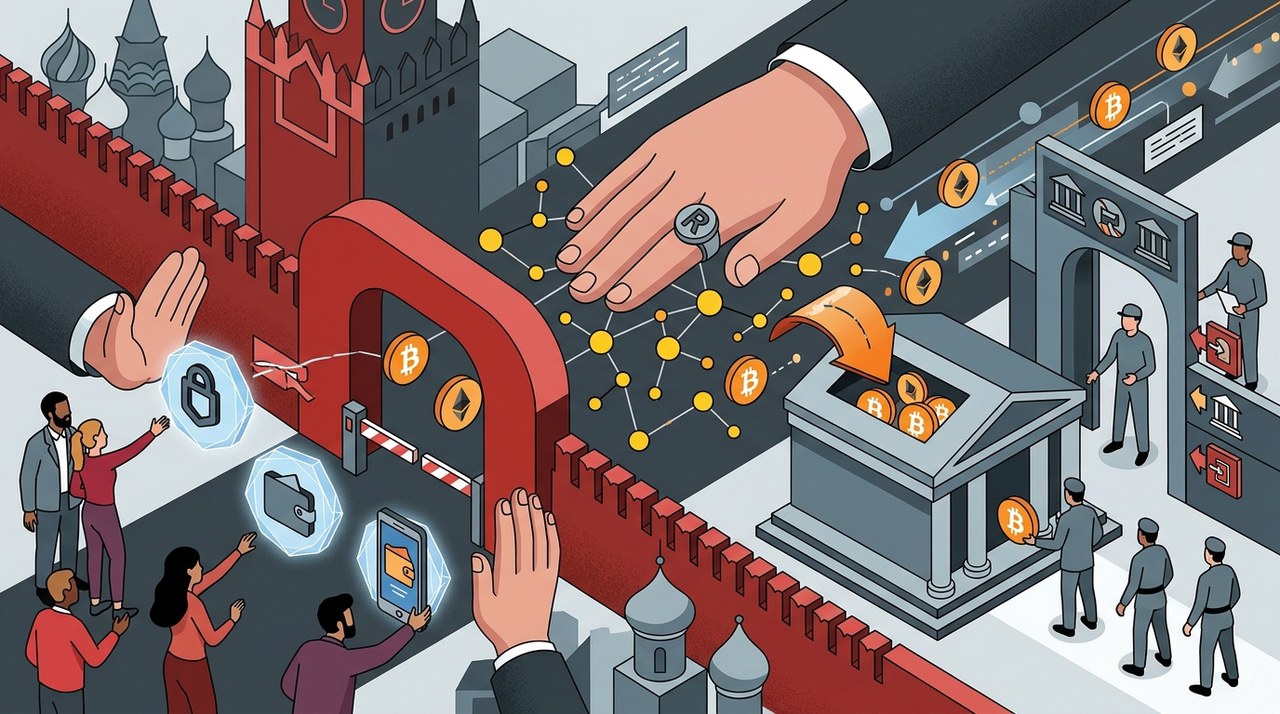

Russia Bans P2P Crypto Trading and Self-Custody Wallets
Russia's central bank has introduced strict rules banning peer-to-peer crypto trading and self-custody wallets, requiring citizens to use state-approved institutions.
|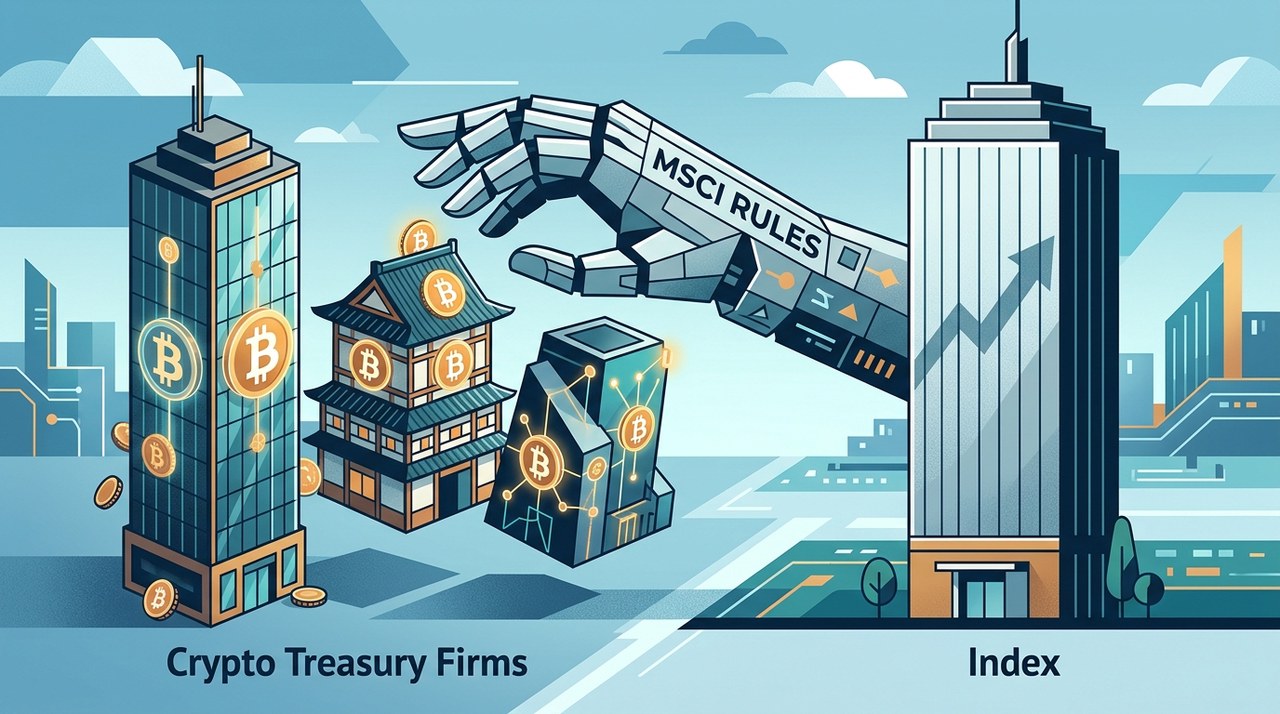
MSCI Index Rules May Exclude Top Crypto Treasury Firms
MSCI has finalized new index rules for non-operating companies that could affect firms like Strategy and Metaplanet. The official list comes out November 11.
|

Google Fixes Key Quantum Flaw on Willow Chip
Google Quantum AI cut errors 40-fold on its Willow processor using a new technique called magic state cultivation.
|