


Russia Bans P2P Crypto Trading and Self-Custody Wallets
What Is Happening in Russia's Crypto Space?
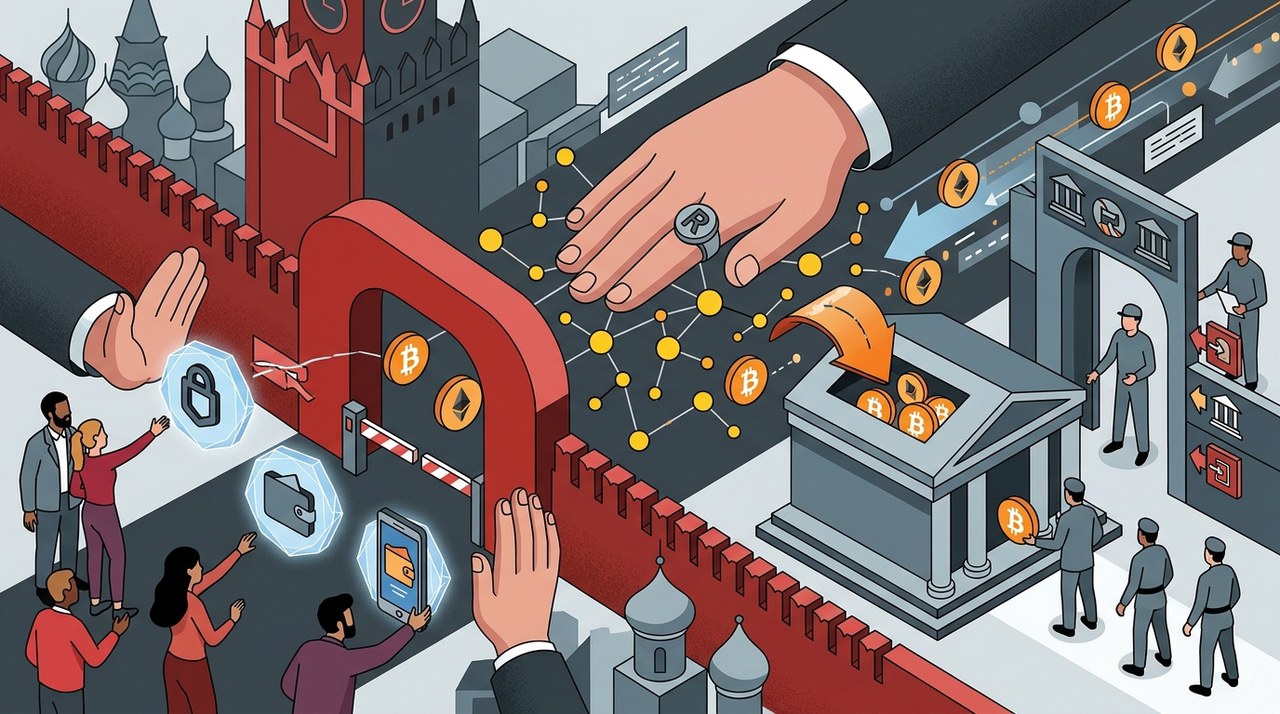
Russia's central bank has announced a sweeping ban on peer-to-peer (P2P) crypto trading and retail transfers to self-custody wallets. This decision follows a comprehensive set of crypto regulations signed into law by President Vladimir Putin in August.
Under these new rules, everyday investors can no longer hold or trade digital assets independently. Instead, citizens must trade and store their cryptocurrencies through state-licensed financial intermediaries.
Key Deadlines and the Ban on Self-Custody Wallets
Crypto traders will not face an immediate shutdown. The Bank of Russia has granted a grace period lasting until July 1, 2027.
Once this grace period expires, P2P trading will be completely prohibited across the entire country. All trading activities must move to approved government platforms.
A Major Strike Against Private Wallets
The updated guidelines strictly forbid individuals from transferring crypto from regulated entities into non-custodial or self-custodial wallets.
This restriction applies to hardware wallets like Ledger and Trezor, as well as popular software wallets like Trust Wallet and MetaMask.
Think of self-custody like keeping cash inside your personal wallet. Under the new law, keeping digital assets in a private wallet is off-limits. Everything must sit in a government-monitored bank account.
State-Approved Banks Become Official Intermediaries
With private trading banned, where will Russians trade and hold their crypto? The central bank has placed state-licensed institutions in charge.
The primary authorized custodians include Sberbank, Russia's largest state-owned commercial bank, and VTB Bank.
The Bank of Russia recently granted official authorization to both entities. They are now allowed to offer official crypto exchange and custodial services to the public.
Investor Categories and Spending Limits
The regulatory framework went into effect on September 1. Before anyone can legally trade crypto, they must pass a mandatory crypto risk knowledge test.
The government divides market participants into two distinct categories based on their experience and financial background:
- Non-qualified investors: Everyday retail traders face a strict purchase limit of 300,000 rubles (approximately $3,840) per year. They can only purchase Bitcoin (BTCBTC+0.43%), EthereumETH+0.55%, and TetherUSDT-0.36%, which officials view as highly liquid digital assets.
- Qualified investors: Professional traders and institutional entities enjoy unlimited purchasing power, provided they hold official certification.
Rules on Payments, Mining, and Foreign Accounts
Crypto Is Not Legal Tender
Cryptocurrency remains illegal as a form of legal tender inside Russia. You cannot use digital coins to buy everyday goods or services locally.
However, cryptocurrency mining is allowed under specific conditions. Mined coins can circulate domestically only if they come from licensed Russian miners.
Trading Overseas and Bypassing Sanctions
What about Russian citizens living or operating abroad? Russians can hold and trade cryptocurrencies overseas if they use foreign bank accounts and submit required tax reports.
Interestingly, while domestic crypto use is strictly controlled, the government has eased restrictions on international trade. Russia permits crypto for cross-border import and export transactions to bypass international economic sanctions.
How Is the Crypto Community Reacting?
The global crypto community responded with heavy criticism on social media platforms.
Many users argue that banning P2P trading and self-custody directly opposes the core principles of blockchain technology, which relies on decentralization and permissionless access.
"Russia killed on-chain trading" — Sharky (@Sharky CT), posted on October 15, 2026.
Critics worry that forcing crypto into state-owned banks turns decentralized money into just another monitored banking system.
What This Means for the Future of Digital Assets
Russia's decision highlights a major split in how world governments approach digital currency regulation.
While some nations encourage open decentralized finance, others build heavy regulatory walls to maintain strict capital control over national finances.
As the July 1, 2027 deadline draws closer, investors around the world will watch how these strict rules impact crypto adoption in Russia.
Latest blog posts

Scammer Loses $4.8M Stored on Tampered Ledgers
A scammer lost $4.8 million stored on modified Ledger devices, as Thailand rolls out crypto ETFs and South Korea blocks 27 exchange platforms.
|
MSCI Index Rules May Exclude Top Crypto Treasury Firms
MSCI has finalized new index rules for non-operating companies that could affect firms like Strategy and Metaplanet. The official list comes out November 11.
|

Google Fixes Key Quantum Flaw on Willow Chip
Google Quantum AI cut errors 40-fold on its Willow processor using a new technique called magic state cultivation.
|