
Ripple and BNY Expand Tokenized Trade Finance Plans
A Big Step for Institutional Crypto Integration
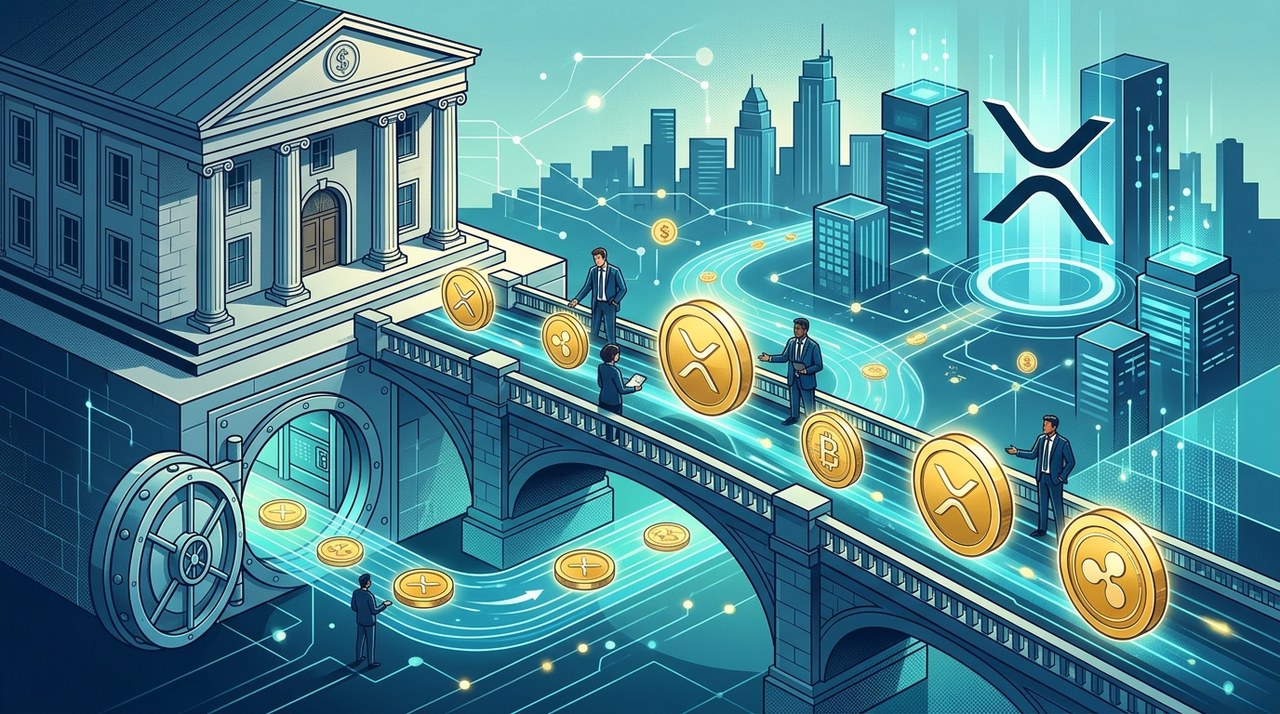
RippleXRP+1.33% and Bank of New York Mellon, widely known as BNY, are expanding their strategic partnership. This collaboration aims to build a stronger bridge between traditional wall street banking and blockchain technology.
BNY is one of the largest and oldest custodian banks in the world. When a financial powerhouse like BNY deepens its involvement in digital assets, it signals a major shift toward institutional adoption.
The expanded agreement focuses on two main areas: institutional digital asset custody and tokenized trade finance. Both of these initiatives will utilize the XRP Ledger, also known as the XRPL.
Custody Support for XRP and RLUSD
As part of this update, BNY has officially added support for both XRP and Ripple's stablecoin, RLUSD, to its Digital Asset Custody platform.
You can think of digital asset custody like a high-tech safety deposit box. Large institutions, such as hedge funds and corporate treasuries, need safe places to store their digital keys.
By offering custody through BNY, institutions can now hold XRP and RLUSD within a regulated banking system they already know and trust.
Exploring Minting and Redemption for RLUSD
The collaboration goes beyond simple asset storage. Ripple and BNY also plan to explore how BNY can support the minting and redemption process for RLUSD.
Minting happens when an investor deposits traditional U.S. dollars to create new stablecoin tokens. Redemption is the reverse process, where tokens are exchanged back for real fiat currency.
Having a globally recognized bank handle these operations gives institutional traders extra peace of mind regarding cash reserves and liquidity.
What Is Tokenized Trade Finance?
Another core feature of this initiative is bringing tokenized trade finance to the XRP Ledger.
Trade finance is the underlying engine of global commerce. It includes products like letters of credit that help buyers and sellers trust each other when shipping goods internationally.
Traditional trade finance usually relies on heavy paperwork, multiple middleman banks, and delays that can last several days.
Tokenization converts those real-world financial agreements into digital tokens on a blockchain network. Moving these assets onto the XRPL helps streamline payments, increase transaction transparency, and reduce settlement times.
Why This Matters for the Market
This partnership highlights how traditional financial institutions are actively adopting public blockchain networks for real-world business use cases.
Instead of building closed, private systems, banks are starting to use public infrastructure like the XRP Ledger to manage institutional capital.
However, market adoption always comes with factors to watch, including changing global regulations and broader macroeconomic conditions.
Past performance of digital assets or institutional adoption trends is not a guarantee of future performance. You can review historical market trends and pricing anytime at bitkub.com/th/market/XRP.
Summary
The expansion between Ripple and BNY marks an important milestone for both companies. By combining BNY's banking infrastructure with Ripple's blockchain technology, the partnership paves the way for efficient digital asset management and trade finance settlement.
Latest blog posts


 +2
BlackRock Drives Entire $110M Bitcoin ETF Inflow
BlackRock's IBIT single-handedly drove $110.34 million into Bitcoin ETFs on Monday, while Ether funds saw $88.58 million in outflows.
|


 +1
XRP Whales Hold 68.5% of Supply as Accumulation Hits Multi-Year High
Large XRP holders now hold 46.87 billion tokens, controlling 68.5% of the circulating supply despite recent market volatility.
|
Nvidia Stock Premarket Rises After $3B Meta Investment
Nvidia stock rose 2% in premarket trading following news of a $3 billion investment in Meta's equity offering to power next-gen AI systems.