OCC Report Mentions Crypto Debanking alongside Energy Sector
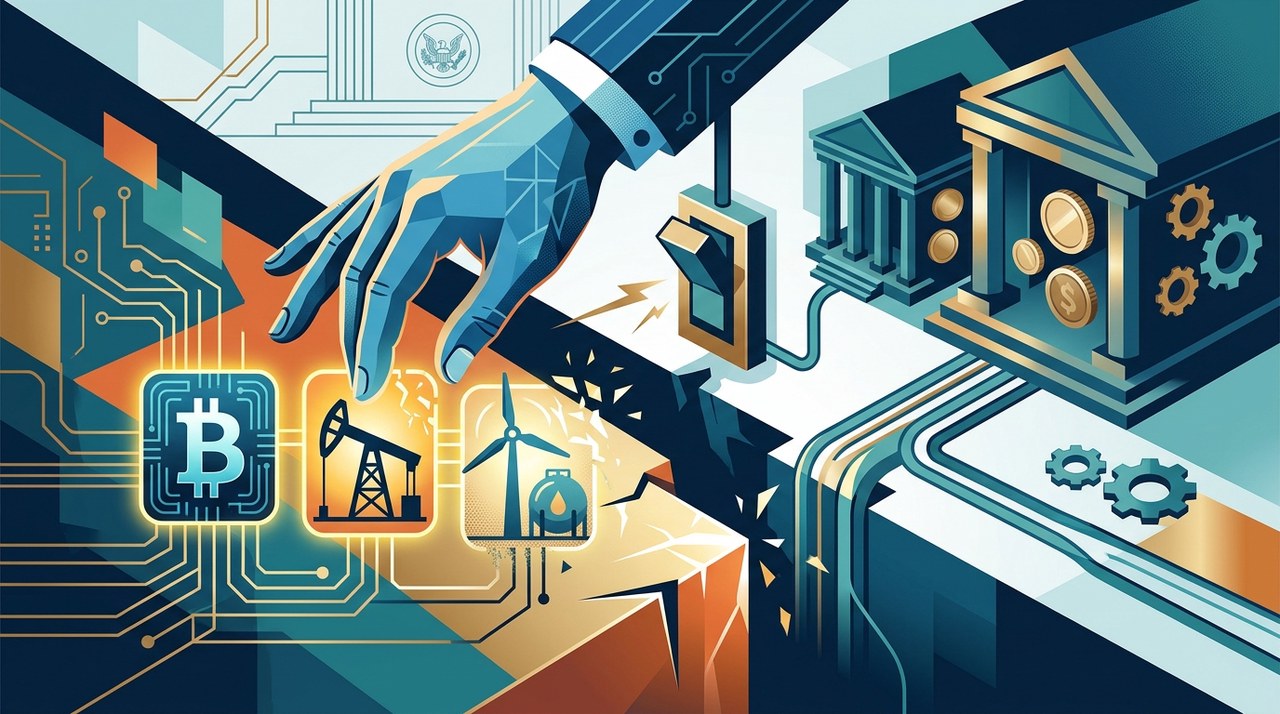
US Banking Regulator Highlights Debanking Trends
The Office of the Comptroller of the Currency (OCC), a major US banking regulator, recently published a report addressing the ongoing issue of debanking. The report acknowledged that banking institutions have taken steps to limit services or terminate accounts for businesses operating in specific sectors.
Among the industries highlighted in the report, cryptocurrency activities were explicitly mentioned alongside traditional sectors such as oil, gas, and firearms. However, the regulator did not include specific case studies or detailed examples of crypto-related debanking within the document.
What Does Debanking Mean in Practice?
Debanking occurs when a commercial bank decides to close a client account or deny financial services to a customer or business. Banks usually cite risk management, regulatory compliance, or reputational considerations when taking these actions.
For companies operating in emerging or controversial industries, losing access to traditional banking can make basic day-to-day operations challenging. This includes paying employees, handling operational expenses, and managing settlement accounts.
Crypto Grouped with Energy and Firearms Sectors
The OCC report placed digital asset activities in the same category as energy production (oil and gas) and firearms manufacturing. Each of these industries faces distinct regulatory, environmental, or political pressures from financial institutions.
- Cryptocurrency: Banks often cite AML/KYC compliance concerns and market volatility.
- Oil and Gas: Financial firms sometimes restrict capital due to corporate sustainability goals or ESG mandates.
- Firearms: Reputational concerns and legislative debates frequently influence bank policy.
The Omission of Specific Crypto Examples
While the OCC explicitly named cryptocurrency in its discussion on debanking, observers noted that the document lacked specific data or concrete case studies regarding digital asset firms.
Despite the lack of named examples, industry leaders have long pointed out that accessing reliable fiat banking rails remains a significant hurdle for crypto startups and established platforms alike.
What This Means for the Industry Moving Forward
Access to traditional banking rails remains critical for cryptocurrency platforms that offer fiat deposits and withdrawals for users. As regulators continue to publish reports on banking access, lawmakers are reviewing fair access standards to ensure lawful businesses can maintain basic financial infrastructure.
Clear regulatory guidance and strong compliance frameworks are expected to play a key role in building sustainable long-term relationships between traditional banks and the digital asset industry.
Latest blog posts


Strategy CEO Predicts Major Increase in Bitcoin Banking
Strategy CEO Phong Le forecasts a historic wave of Bitcoin banking adoption driven by AI agents, inflation, and Wall Street demand.
|

Hacker Steals $86,000 From UNCX Shared Token Vault
A hacker exploited UNCX Network's shared vesting vault on Ethereum, draining $86,000 in locked tokens belonging to other crypto projects.
|

Standard Chartered Shifts $2T Stablecoin Forecast to 2030
Standard Chartered projects the stablecoin market will reach $2 trillion by 2030, highlighting USDC leadership in payments and AI transactions.
|