
Keystone Data Breach Exposes Hardware Wallet Buyers
What Happened in the Keystone Data Breach?
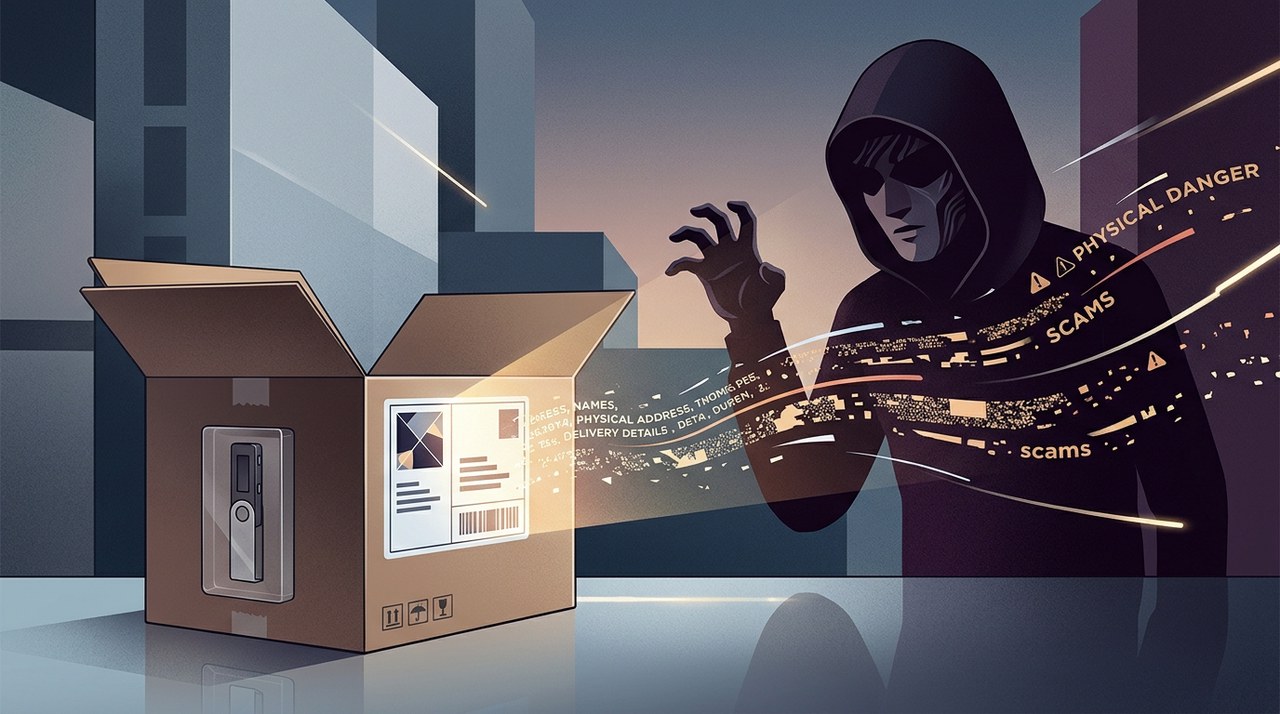
Keystone, a popular hardware wallet provider, recently suffered a website security breach that exposed customer shipping details. Security researchers quickly warned that this leaked information could expose cryptocurrency holders to targeted scams and physical attacks.
It is crucial to understand what was compromised and what remained safe during this incident. The leak involved e-commerce shipping data, such as customer names and physical addresses. Importantly, the private keys and crypto assets stored on the physical hardware wallets themselves were not compromised.
Even though your funds on the device remain safe offline, having your physical address linked to crypto ownership creates serious real-world vulnerabilities. Let us look at how this data leak happened and what it means for everyday users.
Why Leaked Shipping Details Are a Serious Concern
When you buy a hardware wallet, you are taking proactive steps to secure your digital assets from online hackers. Hardware wallets keep your private keys isolated from internet-connected devices, making remote theft nearly impossible.
However, when an e-commerce database suffers a breach, the offline protection of the device does not shield the physical identity of the buyer. Knowing that a specific household purchased a hardware wallet tells bad actors that valuable digital assets might be managed at that address.
Targeted Phishing and Malicious Mail
One of the immediate risks following a customer database leak is sophisticated social engineering. Scammers often use leaked names, email addresses, and home locations to craft believable phishing campaigns.
For example, scammers might send official-looking letters or emails claiming your hardware wallet has a critical firmware vulnerability. They may ask you to type your 12-word or 24-word recovery seed phrase into a fake website or send you a modified, compromised hardware device as a fake replacement.
Physical Security Risks
Beyond digital scams, home address leaks introduce physical safety concerns. In the crypto community, security experts often talk about the risk of targeted home burglaries or physical coercion.
If criminals know where a crypto owner lives, the risk of extortion or physical intimidation increases. While extreme physical attacks remain rare, the exposure of home addresses reduces the layer of personal anonymity that keeps investors safe.
Hardware Security vs. E-Commerce Vulnerabilities
To better understand this event, think of buying a high-tech home safe. The safe itself might be made of reinforced steel with an unhackable lock. If a burglar tries to open the safe in your house without the combination, they will fail.
Now imagine the store where you bought the safe gets burglarized, and the robber steals the customer logbook containing your home address. The safe inside your house is still intact, but bad actors now know exactly which house has a safe inside.
This analogy highlights the difference between hardware security and operational e-commerce security. While hardware wallet technology remains robust, storing customer records on web servers remains a systemic risk across the tech industry.
Lessons from Previous Industry Data Leaks
This is not the first time a hardware wallet manufacturer has faced an e-commerce data breach. Other major wallet providers have experienced similar database leaks in past years, resulting in mass email phishing campaigns and fraudulent physical mailings to customers.
History shows that once customer records are leaked, malicious actors retain and trade those databases on dark web forums for long periods. Affected users must stay alert for years, not just weeks.
Actionable Steps for Keystone Customers
If you purchased a device directly from the manufacturer using your real home address, taking defensive steps can help protect your personal security and assets.
- Never Share Your Secret Recovery Phrase: No legitimate hardware wallet manufacturer will ever ask for your 12 or 24 seed words via email, website, or physical letter.
- Be Wary of Unsolicited Mail: Ignore any unexpected replacement devices or letters claiming your current wallet is compromised.
- Verify All Communications: If you receive an urgent notice about your account, navigate to the official website directly instead of clicking email links.
- Strengthen Email and Telecom Security: Ensure your primary email account uses strong multi-factor authentication (MFA) to prevent unauthorized account takeovers.
- Maintain Physical Awareness: Consider practicing basic personal security measures and avoid discussing your cryptocurrency balances publicly.
How to Protect Your Privacy When Ordering Hardware Wallets
For future purchases of security hardware, minimizing the amount of personal data you share online can reduce your exposure to future supply chain breaches.
- Use Alternative Delivery Addresses: Consider delivering purchases to a PO Box, parcel locker, or work address rather than your residential home address.
- Use Disposable Email Addresses: Use secondary or privacy-focused email accounts dedicated solely to online orders.
- Provide Minimal Contact Details: Where permitted by delivery services, avoid providing primary personal phone numbers.
- Buy directly or through official resellers: Avoid unauthorized third-party secondary markets to prevent purchasing tampered hardware devices.
Final Thoughts
The Keystone data breach highlights an important lesson in digital asset management: overall security involves both cyberCYBER+0.00% technology and personal data privacy. While your funds remain secure on your offline hardware device, staying vigilant against social engineering and phishing attempts remains essential for long-term safety.
Latest blog posts



Ripple Swell 2026 Begins in NYC With 100+ Speakers
Ripple's annual Swell conference opens Oct. 27 in New York, combining three major events to cover stablecoins, institutional finance, and XRP Ledger technology.
|

Lula Wins Brazil Runoff as Prediction Markets Fail
Luiz Inácio Lula da Silva won Brazil's runoff election, defying prediction market odds that heavily favored Flavio Bolsonaro.
|
Scientists Reverse 60 Years of Cellular Aging in Lab
German researchers restored 80-year-old blood cells to a youth-like state, sparking new hope and billions in longevity biotech investments.