

Kevin O'Leary Eyes IBM Stock Over Bitcoin Quantum Concerns

Have you ever wondered what big-name investors think about when looking at the future of crypto? Shark Tank investor Kevin O'Leary, also known as 'Mr. Wonderful,' recently shared some interesting thoughts.
O'Leary confirmed that he still holds his Bitcoin (BTCBTC+0.80%). However, he is also paying close attention to tech giant IBM as quantum computing concerns begin to weigh on the market.
Why Are Big Investors Waiting on the Sidelines?
According to O'Leary, institutional investors are holding back for two main reasons. They want clear rules from regulators, and they are starting to worry about quantum tech.
Without clear regulatory guidance, many large funds prefer to wait on the sidelines. At the same time, quantum computing presents a potential long-term technical challenge for blockchain encryption.
The Regulatory Stalemate in Washington
A major source of hesitation for institutions is the lack of clear crypto rules in the United States. Lawmakers have been working on market guidelines, but progress has stalled.
For example, the CLARITY Act was designed to establish federal standards for digital asset markets. However, the bill hit a wall in the Senate.
The bill received a 49 to 50 vote in September. This fell short of the 60 votes needed to move forward, leaving institutional buyers without the regulatory green light they want.
The Quantum Computing Fear Factor
The second issue weighing on investor minds is quantum computing. O'Leary has pointed out that advancements in quantum hardware could theoretically threaten digital cryptography.
In September, O'Leary made quantum security concerns a core focus when discussing his investment conditions for Bitcoin. He is not the only prominent figure raising questions.
TRONTRX+1.36% founder Justin Sun has also voiced cautious views on Bitcoin due to potential risks from quantum computing and artificial intelligence.
How Real Is the Quantum Threat to Bitcoin?
While some investors are cautious, many security experts believe the threat is still far off in the future. Building a quantum machine capable of breaking Bitcoin requires massive technical breakthroughs.
Jameson Lopp, chief security officer at Casa, noted that a quantum computer powerful enough to compromise Bitcoin cryptography remains orders of magnitude away.
Comparing the Numbers: Qubits Explained
To understand the hardware gap, it helps to look at current technological limits:
- Google's advanced Willow quantum chip currently features 105 qubits.
- Google estimates that breaking Bitcoin encryption would require nearly 500,000 qubits.
- This massive hardware gap gives developers plenty of time to upgrade blockchain security.
Traditional Banks Might Face Risk First
Venture capitalist Tim Draper offers another perspective on the quantum debate. He argues that traditional financial systems would actually be vulnerable long before Bitcoin.
Legacy banking infrastructure often relies on older security standards. In contrast, decentralized networks can upgrade their cryptographic algorithms through network upgrades over time.
Why IBM Appeals to O'Leary
Because quantum computing is making headlines, O'Leary is looking at companies leading the hardware race. Investing in IBM gives him direct exposure to quantum progress.
IBM has already outlined clear goals for its quantum computing division:
- IBM CEO Arvind Krishna expects quantum technology to noticeably impact company revenue by 2028 or 2029.
- The company plans to launch 'Starling' by 2029, which it calls the first large-scale fault-tolerant quantum computer.
- Fault-tolerant computers can self-correct operational errors, bringing quantum power closer to practical commercial use.
Looking at stock trends, IBM shares have rebounded over the past month, though they remain below their levels from a year ago.
Past performance of digital assets or corporate securities does not guarantee future results.
What Lies Ahead for Crypto Investors?
Until lawmakers pass clear crypto regulations and developers deploy quantum-resistant upgrades, institutional investors may remain cautious.
However, Bitcoin's active developer community continues to research post-quantum cryptography. Market participants will be watching both Washington's legislative efforts and quantum milestones closely.
Latest blog posts
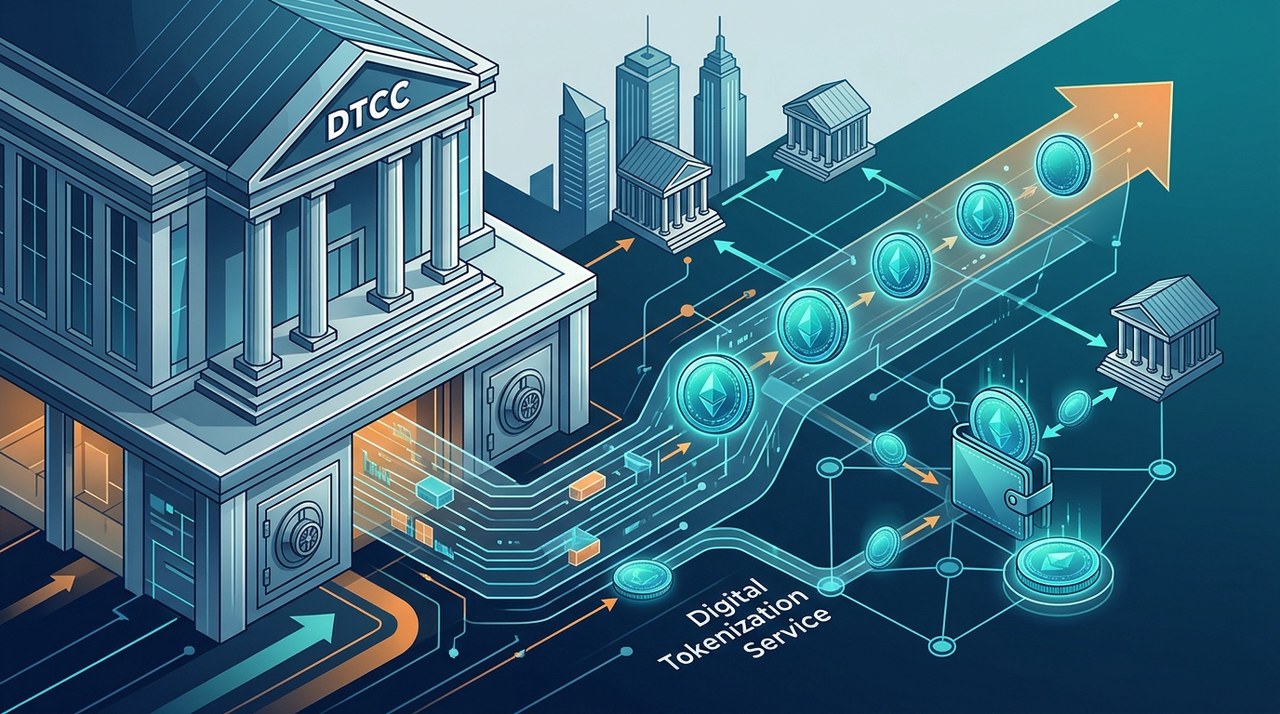


Big Banks Join DTCC Tokenized Securities Service
Wall Street giant DTCC has launched a tokenization service, enabling major banks to trade digital representations of traditional securities.
|
Google Cloud Outlines MPC Service for Bitcoin Custody
Google Cloud detailed a preview of its Multi-Party Computation service for institutional Bitcoin custody at a security event in New York.
|

Cybersecurity's Black October: How to Protect Yourself
Discover how AI-powered security threats are evolving and learn simple, practical steps to protect your digital assets and online accounts.
|