
Cybersecurity's Black October: How to Protect Yourself
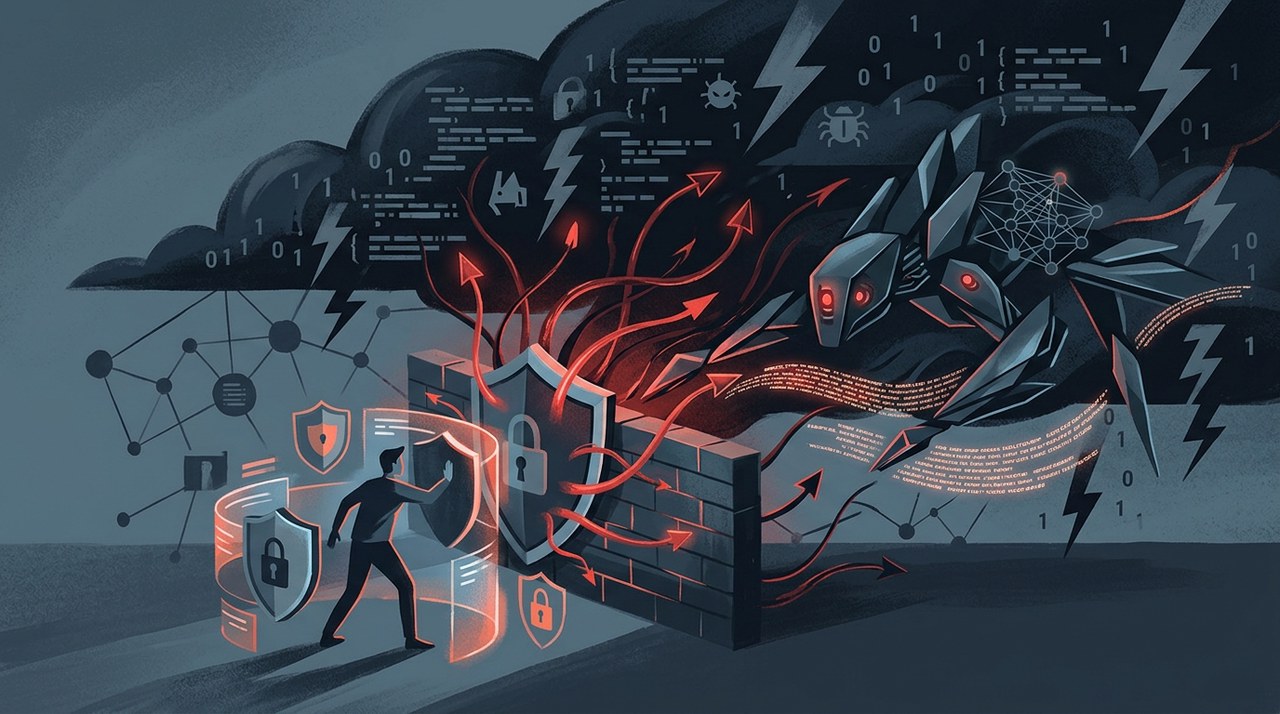
What Is Cybersecurity's 'Black October'?
Over the years, October has gained a reputation in the tech world for a high volume of cyberCYBER+0.00% incidents. Security experts often refer to periods with spikes in hacking attempts and exploits as 'Black October' due to the sheer number of reported threats.
From malware outbreaks to digital wallet drainers, cybercriminals continuously look for fresh ways to compromise accounts. Understanding how these security events happen helps us build much stronger digital habits.
The good news is that protecting your online presence does not require a degree in computer science. Simple daily habits can block the vast majority of online attacks.
The Rise of AI-Powered Cyberattacks
Artificial intelligence has transformed many helpful everyday tools, but bad actors are also using AI to refine their techniques. In the past, fake emails were easy to identify due to obvious spelling errors and clumsy language.
Today, AI-driven tools generate convincingly realistic messages in almost any language. Cybercriminals use AI to write personalized emails, mimic official corporate tones, and even clone human voices.
Common AI Attack Methods to Watch For
- Hyper-realistic phishing emails that look identical to official customer support notices.
- AI voice cloning used in phone scams to request urgent password resets or money transfers.
- Automated software bots scanning public code repositories for security flaws 24/7.
Because these AI systems run automatically, bad actors can send thousands of tailored scam messages in seconds. This speed makes personal caution more important than ever.
Understanding Newly Discovered Vulnerabilities
Every computer application, smartphone operating system, and smart contract consists of complex code. Software engineers do their best, but hidden errors and software vulnerabilities inevitably occur.
When attackers discover these weaknesses before developers can patch them, they can exploit systems to steal sensitive data or drain connected wallets.
Wallet Drainers and Approval Scams
In the Web3 ecosystem, malicious sites often trick users into signing deceptive transactions known as wallet drainers. These approvals grant a smart contract permission to withdraw tokens from your address without further consent.
Once a malicious signature is confirmed on a public blockchain, assets move instantly. Reversing completed blockchain transactions is impossible, making careful verification critical before clicking confirm.
SIM Swapping and Weak Authentication
Another frequent attack vector is SIM swapping. Hackers convince a mobile carrier to transfer your phone number to a SIM card in their control.
If your accounts rely on text messages (SMS) for verification codes, attackers can reset your passwords and gain access to your accounts. Moving away from text-based verification is a crucial defense step.
Practical Steps to Protect Yourself Online
You do not need complicated gear to keep your accounts safe. Applying standard security practices significantly reduces your risk exposure.
Upgrade Your Two-Factor Authentication (2FA)
Text message authentication leaves accounts open to SIM swapping attacks. Switching to dedicated verification apps provides much stronger defense.
- Use authenticator apps like Google Authenticator, Authy, or hardware security keys.
- Remove your phone number as a single recovery option on important financial accounts.
- Keep written backup recovery keys securely stored in an offline physical location.
Practice Smart Wallet and Key Management
If you hold digital assets, separate your daily interaction address from your long-term storage balances. Cold storage hardware wallets offer offline protection for funds you do not move frequently.
- Never type your secret seed phrase or private keys into any website or online form.
- Use burner wallets when connecting to unfamiliar decentralized applications.
- Periodically revoke unused smart contract allowances via trusted revoking platforms.
Maintain Excellent Password Hygiene
Reusing passwords across multiple platforms is dangerous. If one website suffers a data breach, hackers will try those same login details on every major service.
- Use a reputable password manager to generate complex, unique passwords for every site.
- Turn on automatic software updates for operating systems, browsers, and security apps.
- Always double-check website URLs before logging in or connecting a crypto wallet.
Cybersecurity is not a one-time setup. It is a daily habit of staying informed, double-checking links, and keeping your recovery keys safe.
What to Do If You Suspect a Breach
Taking quick action limits potential damage if an account or wallet becomes compromised. Having a clear response plan helps you act calmly during a security issue.
Immediately disconnect your wallet from all web sessions and transfer any uncompromised assets to a secure backup address. Change passwords for linked email addresses right away and log out active sessions across all devices.
Notify your platform's support team immediately. While blockchain transfers cannot be reversed, acting swiftly helps prevent further unauthorized access to your broader online identity.
Building a Long-Term Security Mindset
Cybersecurity threats will continue to evolve alongside technological advancements like artificial intelligence. However, staying protected does not mean feeling overwhelmed.
By building simple security habits, keeping software updated, and carefully verifying web requests, you can explore the digital world with confidence.
Latest blog posts
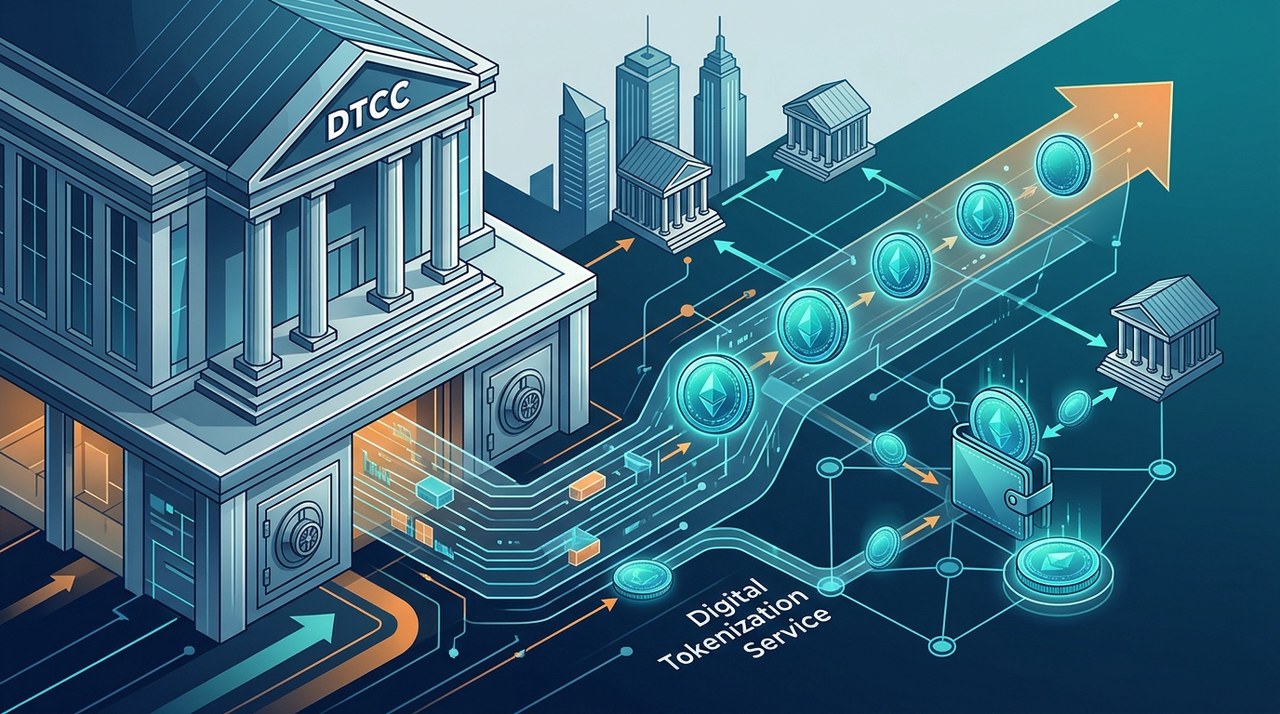


Big Banks Join DTCC Tokenized Securities Service
Wall Street giant DTCC has launched a tokenization service, enabling major banks to trade digital representations of traditional securities.
|

Google Cloud Outlines MPC Service for Bitcoin Custody
Google Cloud detailed a preview of its Multi-Party Computation service for institutional Bitcoin custody at a security event in New York.
|

Shiba Inu Open Interest Drops Below $50M Amid Weak Demand
Shiba Inu derivatives activity cools down as open interest falls to $37.3 million. Here is an overview of SHIB's key support levels and metrics.
|