
Is SpaceX's $40B Debt Deal Sign of an AI Bubble?

SpaceX Seeks $40 Billion in Debt for AI Hardware
SpaceX is currently negotiating a massive $40 billion debt package to purchase advanced artificial intelligence chips from Nvidia. The news comes at a time when major investors are paying close attention to corporate borrowing in the tech sector.
This financial move closely follows warnings from billionaire investor Ray Dalio. Dalio recently cautioned that heavy borrowing for AI infrastructure is pushing financial markets toward a classic bubble scenario.
Ray Dalio Explains Why the AI Bubble Might Be Approaching a Peak
Ray Dalio, the founder of hedge fund firm Bridgewater Associates, shared his thoughts on artificial intelligence spending during a Forbes conference in Singapore on Wednesday. During his speech, he described the current AI landscape as a classic bubble.
Dalio highlighted that rising debt levels and higher interest rates are key indicators of market tension. In typical market cycles, investors holding substantial paper gains eventually choose or are forced to sell assets to generate actual cash. Dalio noted that this selling pressure is usually what causes market bubbles to pop.
"We're in the part of the cycle that is before that but approaching that. I think we're close to that," Dalio stated during the conference.
To understand his perspective, think of a home buyer borrowing heavily during low interest rates. If interest rates rise or debt payments become too expensive, the owner might need to sell properties quickly to stay solvent. When many major market players sell simultaneously, asset prices can drop rapidly across the broader sector.
Breaking Down SpaceX's Massive $40 Billion Financing Request
Details reported by the Financial Times and highlighted by industry outlets on October 7, 2026, indicate that SpaceX is seeking a structured debt package. The proposed funding arrangement is designed to supply capital for hardware acquisitions.
- Bank Loans: $10 billion in direct loans from major banking institutions.
- Investment-Grade Bonds: $30 billion in investment-grade debt, with private equity firm Apollo reportedly leading the deal.
This request comes shortly after SpaceX executed several large capital raises. The aerospace giant raised nearly $86 billion during its stock market debut in June. Only weeks after that debut, the company sold an additional $25 billion in corporate bonds.
Why Is SpaceX Spending So Much Money on AI?
The main driver behind SpaceX's expanding cash needs is its absorption of Elon Musk's artificial intelligence enterprise, xAI, back in February. Since integrating xAI into its operations, SpaceX now spends more money building out AI computer networks than its primary rocket launch and Starlink satellite internet divisions earn in combined revenue.
Currently, SpaceX maintains a BBB credit rating. This rating sits two notches below established tech corporations such as Meta Platforms and Alphabet, making debt acquisition relatively more costly.
The massive capital requirement is expected to continue for years. Morgan Stanley analyst Adam Jonas published a research report in August estimating that SpaceX may need to borrow approximately $80 billion every single year through 2035 to meet its operational and infrastructure plans.
Wall Street Sentiment on Nvidia and SpaceX Stock
A substantial portion of the borrowed capital is directed straight to chipmaker Nvidia to buy state-of-the-art processors. Wall Street sentiment surrounding Nvidia remains exceptionally confident.
All 35 Wall Street analysts actively tracking Nvidia give NVDA stock a buy rating, holding an average 12-month price target of $324.20. These projections rely on the assumption that demand for high-performance computing chips will remain elevated across tech sectors.
Meanwhile, market views on SpaceX (SPCX) are somewhat more divided. Out of 35 analysts covering SpaceX:
- 28 Analysts rate the stock as a Buy
- 5 Analysts rate the stock as a Hold
- 2 Analysts rate the stock as a Sell
The average 12-month price target for SPCX stands at $216.21, representing a potential 33% increase from its Friday closing price of $162.57. Individual analyst targets display a wide spread, ranging from a conservative $75 to a high of $450.
If AI integration leads to strong commercial revenue growth and credit conditions remain stable, the stock could move toward the upper target range. However, if rising interest rates increase debt servicing costs or if AI monetization lags behind expectations, the stock could test lower target levels like $75. Past performance of securities or digital assets does not guarantee future results.
Insider Share Unlocks and Industry-Wide Risks
SpaceX shares closed Friday at $162.57, which sits approximately 28% below their 52-week peak. Market participants are watching an upcoming catalyst: roughly 1.31 billion insider shares are set to unlock following the release of third-quarter financial results.
When insider shares unlock, company employees and early investors gain permission to sell their stock on the open market, which can create selling pressure.
Writing for The Motley Fool, financial analyst Jeremy Bowman noted that highly leveraged entities like SpaceX could be among the first to see share price declines if an AI bubble bursts, though he clarified that he does not necessarily see an immediate collapse happening.
The Wider Web of High-Tech Spending Commitments
SpaceX is far from the only firm committing massive capital to artificial intelligence infrastructure. According to data published by The Motley Fool, major technology development firms have entered into huge financial commitments for future computing power:
- Anthropic: Holds $518 billion in future computing obligations.
- OpenAI: Holds $665 billion in future computing commitments.
The interconnected nature of these balance sheets became clear when Oracle shares experienced a decline on Thursday due to investor questions regarding OpenAI's future revenue streams.
Ray Dalio's macro warning ties all of these astronomical figures together. As tech companies borrow billions to fund computing infrastructure, high interest rates increase financial pressure. If cash flows fall short of high debt obligations, market corrections could rippleXRP+1.49% across the broader technology ecosystem.
Latest blog posts
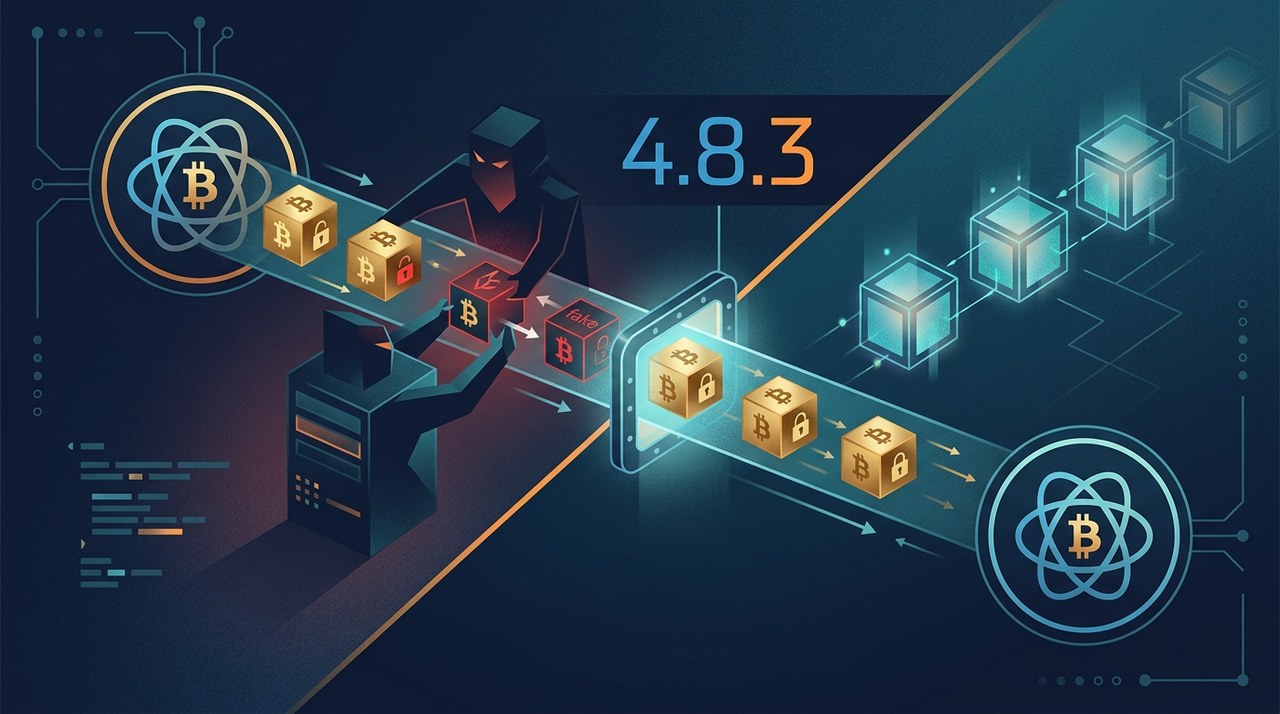

Electrum Fixes Flaw Used to Steal Bitcoin Via Fee Bumps
Electrum released version 4.8.3 to patch a serious flaw that allowed malicious servers to substitute Bitcoin transactions during fee increases.
|

Ripple & Cryptescrow Partner to Ease Real Estate Deals
Ripple has partnered with real estate settlement provider Cryptescrow to allow cryptocurrency holders to purchase high-value property using converted U.S. dollars.
|

 +1
AI Voice Models Guess Bitcoin Price: Can You Trust Them?
A Bitcoin.com experiment tested voice and text AI models predicting Bitcoin's price, revealing surprising gaps between confidence and actual financial analysis.
|