
Hodler's Digest: Heart Raid, Starknet Drop, Crypto Spring

This Week in Crypto: Major Headlines Explained
Welcome to this week's breakdown of the biggest events shaping the digital asset space. From dramatic regulatory developments to major protocol pivots and macro market analysis, there is a lot to unpack.
In this edition, we look at the detention of HEX founder Richard Heart in Turkey, Starknet's sharp market reaction following a governance vote to shift to a Layer-1 network, and Bitwise's research pointing to signs of a market recovery.
HEX Founder Richard Heart Detained in Istanbul Raid
In a sudden development, HEX founder Richard Heart was reportedly detained during an early morning police raid in Istanbul, Turkey. Reports indicate that local authorities carried out the action as part of ongoing international legal inquiries.
Richard Heart, born Richard Schueler, is widely known in the crypto community as the creator of HEX, PulseChain, and PulseX. He has previously faced intense regulatory scrutiny, including civil charges brought by the U.S. Securities and Exchange Commission (SEC) in 2023.
Background on Legal Challenges
The U.S. SEC previously accused Heart of selling unregistered securities and misappropriating investor funds to purchase luxury items. Heart had largely maintained a low profile while disputing the allegations through legal filings.
The recent raid in Istanbul marks a major escalation in cross-border enforcement against high-profile crypto figures. Legal experts note that international cooperation among law enforcement agencies regarding digital asset creators has increased significantly over the past two years.
Starknet Plunges 50% Following Layer-1 Transition Vote
Starknet, historically recognized as an EthereumETH+0.34% Layer-2 scaling network using Zero-Knowledge (ZK) rollups, saw its native token drop nearly 50% in value. The sharp decline followed a governance vote deciding to transition the protocol into an independent Layer-1 blockchain.
To understand the context, think of a Layer-2 network like an express lane on a busy highway. It helps process transactions faster and cheaper while relying on the main road (Ethereum) for security. Moving to a Layer-1 model means building an entirely independent highway system.
Why Did the Market React So Strongly?
Market participants often react negatively to unexpected strategic shifts. Investors and developers who built on Starknet specifically for its Ethereum alignment expressed concern over security assumptions, tokenomics adjustments, and ecosystem fragmentations.
While protocol upgrades aim for long-term independence, short-term token volatility remains high during fundamental architectural changes. Past performance of digital assets is not an indication of future results. Investors should carefully evaluate technical roadmaps before participating in volatile assets.
Bitwise Points to Signs of an Approaching 'Crypto Spring'
On a more optimistic note, asset management firm Bitwise released analysis suggesting that key market indicators point toward the early stages of a market recovery, often referred to as a Crypto Spring.
Bitwise highlighted several fundamental factors supporting this view:
- Consistent net inflows into spot crypto Exchange-Traded Funds (ETFs).
- Increasing institutional participation and infrastructure development.
- Improving macroeconomic conditions and potential monetary easing cycles.
Evaluating Market Scenarios and Risks
According to Bitwise, if institutional adoption continues at its current pace and macroeconomic headwinds ease, crypto assets could experience sustained growth over a 6 to 12-month horizon.
However, market cycles depend heavily on external factors. If global interest rates remain higher for longer, or if unexpected regulatory actions disrupt institutional capital flows, prices could undergo further consolidation or downward adjustments instead. Still, short-term volatility remains expected in all market conditions.
Key Takeaways for Readers
This week's highlights emphasize how rapidly the digital asset landscape changes across enforcement, technology, and macro economics.
- Regulatory scrutiny is global: Actions taken in one jurisdiction can quickly extend across borders.
- Governance matters: Protocol changes can dramatically impact asset valuation and user sentiment in the short term.
- Macro factors drive cycles: Institutional participation provides strong structural support, but broader economic factors still dictate market direction.
Always stay informed, examine underlying protocols, and maintain a balanced perspective on market risks.
Latest blog posts

Top 4 Tech Earnings: What Tesla Meta SpaceX Netflix Need
Meta, Tesla, SpaceX, and Netflix report earnings this week. Here is what investors are watching as AI spending comes under the microscope.
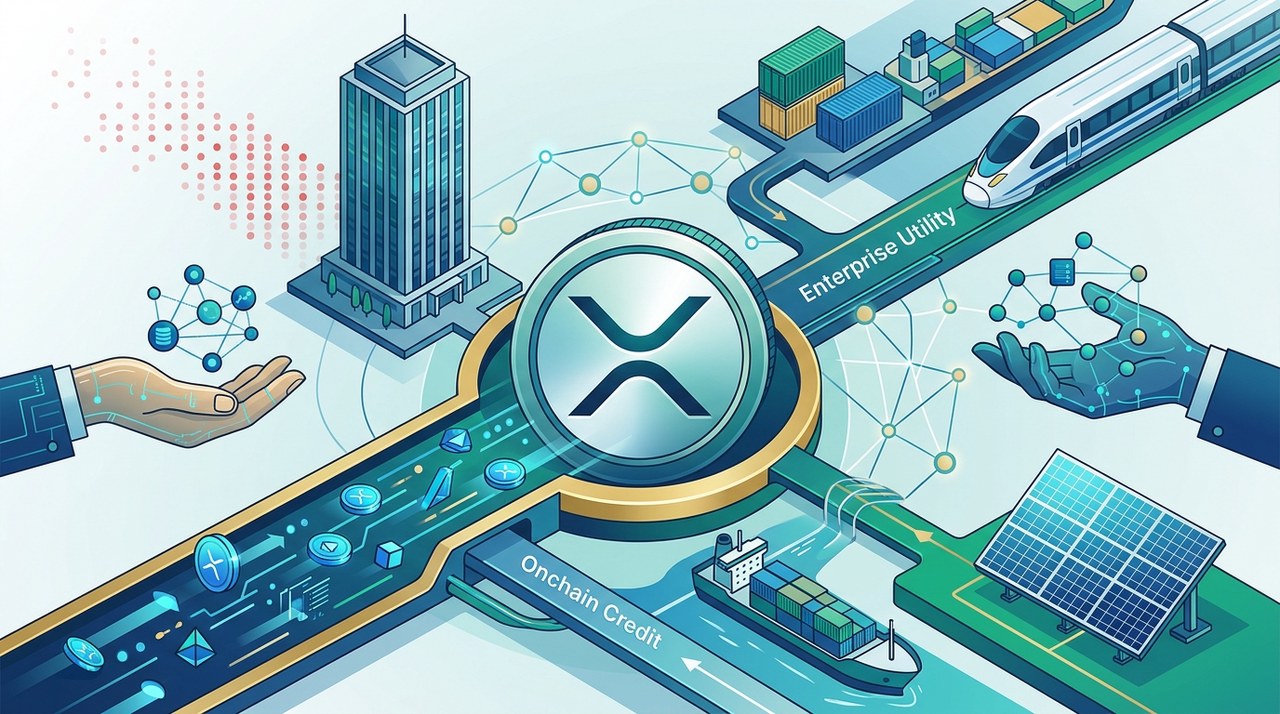


Why Real-World Assets and Onchain Credit Drive XRP Demand
Institutional adoption and new lending tools on the XRP Ledger could create lasting demand for XRP despite recent market pullbacks.
|
SpaceX Dominates Orbit with 80% of Global Payload
SpaceX delivered nearly 80% of all payload mass into orbit in 2026, leaving competitors far behind.