
Fed's Williams Sees Softer Rate Path Than Market Expects
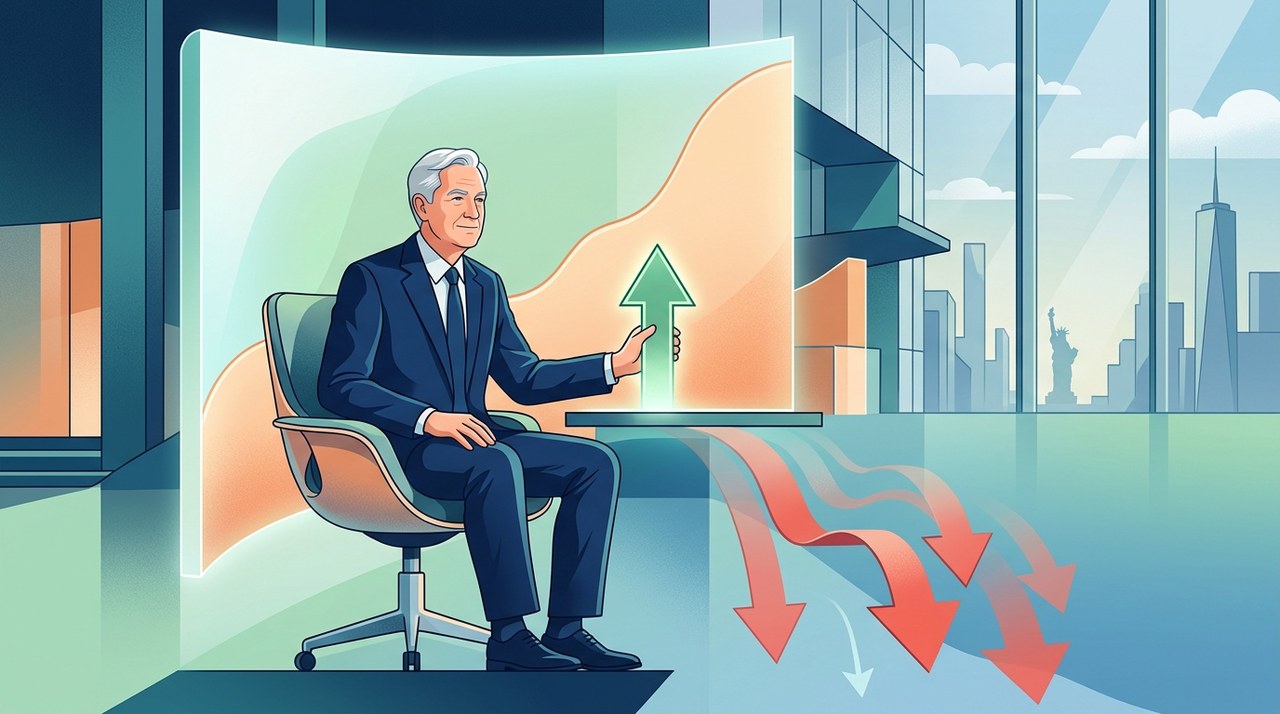
Fed President Signals an End to Rate Hikes Soon
Interest rates have been a major talking point for investors everywhere. New York Federal Reserve President John Williams recently shared his outlook on where US monetary policy is heading.
Speaking in an interview with Bloomberg News, Williams explained that he sees little reason to keep raising rates continuously. He expects only one more interest rate hike before the Federal Reserve can pause its tightening cycle.
"I haven’t changed my view that it may be appropriate to have one more rate hike. I don’t think at this time I have any reason to believe that we would need to do more."
Williams bases his forecast on the expectation that overall inflation will cool down toward the Fed’s 2% target by 2027. However, he emphasized that incoming economic data will ultimately determine the official path.
Why the Fed Sees Inflation Cooling Down
Central bankers look at specific underlying metrics to gauge long-term price stability. Williams highlighted several key indicators that suggest price pressures are already easing.
- The New York Fed’s underlying inflation trend measure sits around 2.3%.
- The Dallas Fed trimmed mean inflation rate has dropped to a similar 2.3% level.
- Energy costs continue to push inflation up this year, but could turn disinflationary by 2027.
While energy prices fluctuate, Williams noted that AI-driven demand is currently the main inflation driver he is monitoring closely. As Vice Chair of the Federal Open Market Committee (FOMC), his perspective carries significant weight among policymakers.
A Divided Federal Reserve
Not everyone inside the Federal Reserve agrees on when to stop raising rates. Last month, Williams noted there was no immediate urgency for another hike, causing October rate hike probability to drop from 70.9% to 47% within 24 hours.
Despite his dovish outlook, other Fed officials favor a tougher stance. Out of 18 officials who projected rate paths through 2027, eight expect additional hikes beyond this year.
For instance, Cleveland Fed President Beth Hammack and Dallas Fed President Lorie Logan both believe that more than one additional rate hike will be necessary to fully tame inflation.
Wall Street Traders Expect a Steeper Path
Financial markets are currently pricing in a much more aggressive rate trajectory than Williams suggests. Futures traders on the Chicago Mercantile Exchange (CME) put 93% odds on rates ending 2027 at least 50 basis points higher than Williams' projection.
According to CME FedWatch data, market expectations for upcoming FOMC meetings reflect a prolonged period of monetary tightening:
- October Meeting: Traders price in just a 23.8% chance of a rate hike.
- December 9 Meeting: A rate hike is heavily expected, carrying 89.8% probability.
- January 2027 Target: Most likely range sits at 4.00% - 4.25% (44.8% probability).
- March 2027 Target: Projected range rises to 4.25% - 4.50% (43.6% probability).
- June 2027 Target: Expected range climbs to 4.50% - 4.75% (35.3% probability).
- December 2027 Target: Rate range holds at 4.50% - 4.75% (31.7% probability).
By contrast, the scenario Williams envisions—a single quarter-point hike ending with rates between 4.00% and 4.25% in 2027—carries only a 6.3% probability among futures traders.
What Higher Interest Rates Mean for Crypto Markets
Interest rate decisions play a key role in shaping liquidity across financial markets. When interest rates rise, yields on cash, money market funds, and government bonds increase.
These higher yields offer safer returns for investors. Because cryptocurrencies like Bitcoin do not pay yield or interest, high bond yields can lower the relative appeal of holding speculative risk assets.
Market bets on higher rates have pushed macro indicators to multi-year highs. The US Dollar Index (DXY) recently reached an 18-month high, while the 10-year Treasury yield touched 5.35% on October 8—its highest level in 24 years.
Bitcoin (BTCBTC-0.25%) recently traded around $83,453, down 0.18% over a 24-hour period. This price leaves Bitcoin approximately 34% below its all-time high of $126,080, which was established on October 6, 2025.
Past returns or historical performance of digital assets do not guarantee future results.
Can Bitcoin Decouple from Fed Policy?
While higher yields create headwinds, interest rates do not act as the sole driver for Bitcoin prices. For example, Bitcoin rose by 13% following the September rate hike after institutional funds stepped back in to buy.
If the Fed follows Williams’ path and pauses after one hike, it could cap bond yield advantages earlier than traders expect. This scenario might ease downside pressures on digital asset markets.
Conversely, if persistent inflation forces the Fed into multiple hikes as Wall Street expects, high borrowing costs could continue to weigh on investor appetite for risk assets.
Investors are now watching the upcoming September Consumer Price Index (CPI) report, scheduled for release on Wednesday. As the final inflation update before the October 28 Fed meeting, a lower CPI print could soft rate hike expectations and offer temporary relief to crypto markets.
Latest blog posts


The Truth Behind 90% of AI Agent Payments Revealed
While AI agent payment tech is operational, 90.8% of transactions are micro-pings worth under a penny. Here is what is really happening on-chain.
|
 +2
+2Bitcoin Pauses Near $84,000 Ahead of US Inflation Data
Bitcoin briefly touched $84,000 before settling near $83,200 as traders wait for U.S. inflation data and tech market signals.
|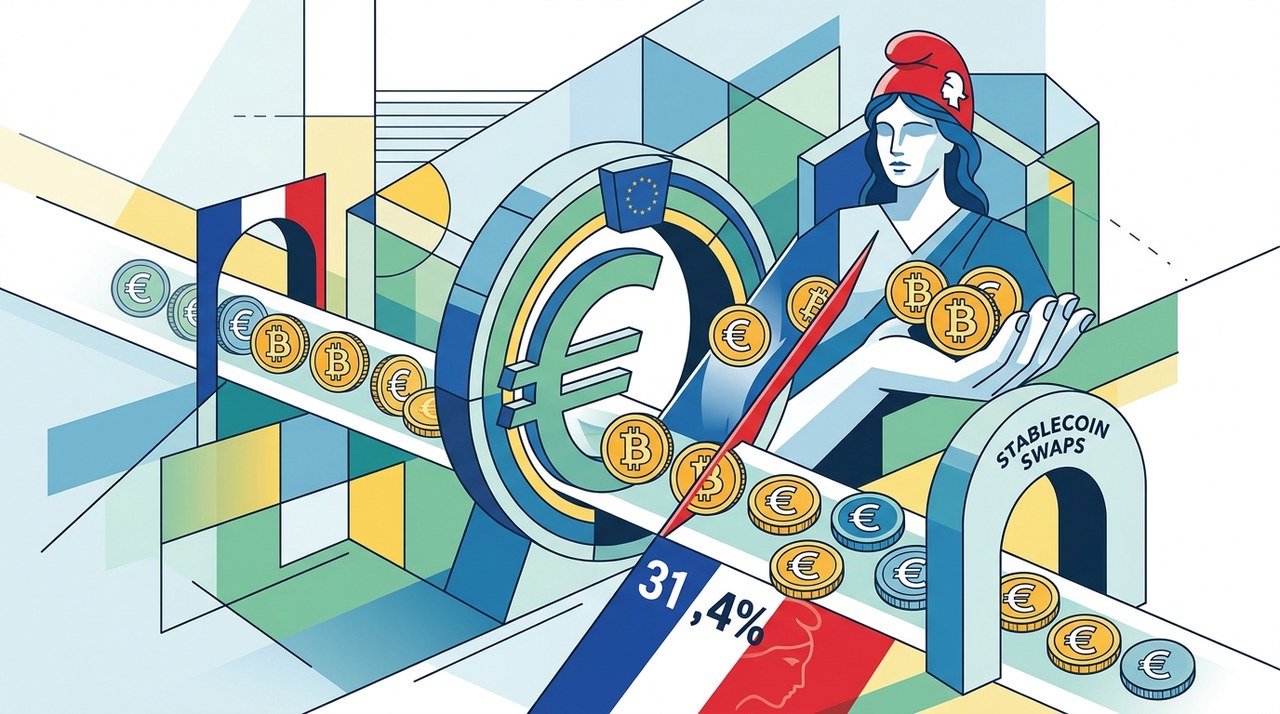
France Proposes 31.4% Tax on Regulated Stablecoin Swaps
French lawmakers are debating a 31.4% tax on regulated stablecoins. Experts warn the rule could drive traders offshore to unmonitored channels.
|