
Elon Musk Explores $3.5 Trillion Tesla and SpaceX Merger
What Is Happening with Tesla and SpaceX?
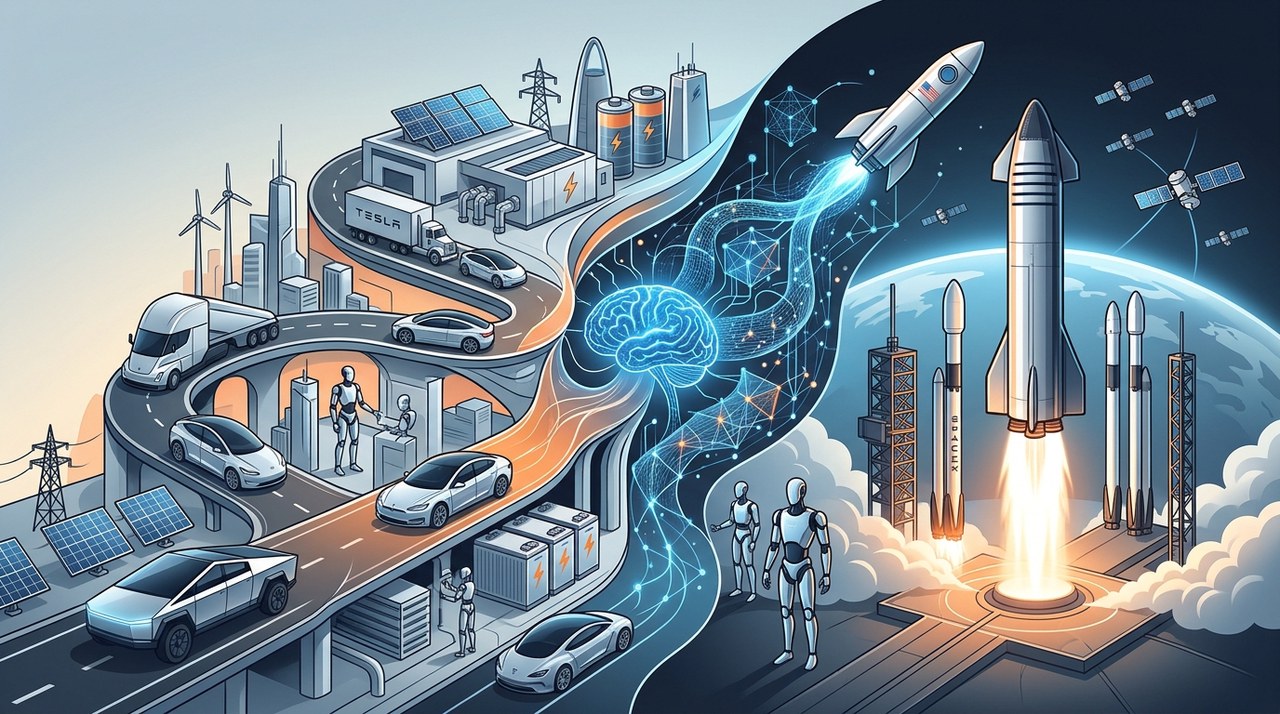
Elon Musk announced on Tuesday that SpaceX and Tesla have created special committees of independent directors to look into merging his two largest companies. While no formal terms have been agreed upon yet, bringing these two giants together could form a massive corporation worth roughly $3.5 trillion.
If approved, this single company would house electric vehicles, space rockets, satellite internet, humanoid robots, social media, and advanced artificial intelligence under one corporate roof.
Inside the Proposed $3.5 Trillion AI Empire
Musk explained during SpaceX's third-quarter earnings call that combining the entities makes strategic sense as technology approaches what Silicon Valley calls the superintelligence singularity. The singularity refers to the theoretical point when AI becomes smarter than humans and begins rapidly improving itself.
"I do think there's a lot of merit to combining the companies as we are pretty much in the superintelligence singularity," Musk noted.
If the deal goes through, one single entity would own an extensive portfolio of cutting-edge technologies:
- Tesla Business Units: Cybercab robotaxis and Optimus humanoid robots.
- SpaceX & Starlink: Mass-to-orbit rocket systems and global satellite connectivity.
- Grok & X: The Grok AI chatbot alongside the social media platform that feeds it real-time data.
- Terafab: A massive $16.8 billion semiconductor chip factory currently under construction in Texas.
- Starmind: An ambitious project aiming to deploy AI data centers directly into Earth's orbit.
Musk's History of Corporate Consolidations
Combining separate businesses is a familiar path for Musk. A merger between Tesla and SpaceX would mark his third major corporate consolidation in recent years.
In March 2025, his AI company xAI absorbed X (formerly Twitter). Later in February, SpaceX acquired xAI in a deal that valued the AI firm at $250 billion, just weeks after Tesla put around $2 billion into it. Shortly after, in June, SpaceX completed the largest initial public offering (IPO) in history.
Strong SpaceX Earnings and Orbital AI Plans
The merger discussion coincided with SpaceX reporting strong third-quarter financial results. The space exploration company generated $14.58 billion in revenue, beating analyst expectations of $12.72 billion.
SpaceX also recorded its first quarterly profit as a public company. Much of this profit came from renting out computing power from its AI server farms to prominent artificial intelligence firms, including Anthropic and Google.
(Note: During broader market movements, digital assets like BitcoinBTC+2.41% traded around $84,786, up 3.75% over 24 hours. Past performance of digital assets or stocks is not an indicator of future results, and markets carry inherent price volatility.)
Why Put Data Centers in Space?
The most complex part of the proposed merged company is Starmind, SpaceX's plan to build orbital AI data centers. The firm has requested regulatory approval from U.S. authorities to launch up to 1 million satellites capable of running AI models using near-constant solar power.
Musk projects that satellite deployments could start in late 2027 and reach significant scale by 2028. The core reason for moving computing into orbit is that Earth is facing severe energy and physical space constraints for power-hungry server infrastructure.
Ground Concerns vs. Space Risks
Public pushback against land-based data centers is growing. An Annenberg survey revealed that 61% of Americans oppose building new data centers in their local areas. Furthermore, roughly $130 billion worth of data center projects were blocked or delayed in the first quarter of 2026 alone.
However, orbital data centers carry major technical uncertainties. SpaceX's own IPO prospectus explicitly warned investors that space computing relies on unproven technologies and may not achieve commercial viability.
Lessons from Underwater and Lunar Data Centers
Musk is not the first technology leader to look beyond dry land to keep computer servers cool.
In 2018, Microsoft launched Project Natick, submerging 855 servers off the coast of Scotland. Over two years, the subsea capsule experienced a failure rate of just 0.7%, compared to 5.9% for land-based servers. Despite those positive results, Microsoft ended the project. Cloud operations head Noelle Walsh noted, "I'm not building subsea data centers anywhere in the world."
Other organizations continue to explore unconventional environments. Hi Cloud built a wind-powered underwater data center off Shanghai that reportedly uses 30% less electricity than traditional facilities. Meanwhile, startup Lonestar aimed to launch a small lunar data storage unit toward the Moon in early 2025.
Market Reaction and Wall Street Valuation
Following Musk's public remarks, stock prices for both companies reacted positively. Tesla shares jumped nearly 4%, regaining momentum after earlier dropping following a flying car demonstration. SpaceX stock surged 10%, marking its best single-day gain since June.
(Past performance of company stocks or financial markets is no guarantee of future results.)
Wall Street analysts generally view the strategic alignment favorably, provided the transaction price is fair to investors. Dan Ives of Yorkville Ives & Co. told Reuters that the move makes sense, estimating Tesla shares would need to be valued around $550 per share—a notable premium over market price—to secure shareholder backing.
Gene Munster of Deepwater Asset Management assigned a 95% probability to a deal occurring within two years.
Scenario Analysis & Risks: These price targets and deal probabilities rely on specific market conditions, including full shareholder approval, regulatory approvals, and smooth operational integration. If Tesla shareholders reject the valuation or antitrust authorities intervene, the merger could be delayed or cancelled entirely, which could lead to downside volatility in stock prices.
High Voting Hurdles and National Security Oversight
Executing a merger will require navigating significant corporate governance rules. The deal requires approval from 50% of all outstanding Tesla shares, rather than just a majority of votes cast at the meeting. Musk referred to this requirement as "quite a high hurdle."
Investors holding S&P 500 index funds indirectly hold a stake in Tesla. In an all-stock transaction, those shares would likely be exchanged for stock in the newly combined enterprise. Investment bank Barclays indicated an official agreement could be presented before Tesla's annual meeting on December 3.
Voting Power and Governance
A merger would consolidate Musk's voting leadership across his businesses. While he owns approximately 20% of Tesla, he controls majority voting rights at SpaceX through supervoting shares. Barclays estimates Musk would hold roughly 56% voting control in the combined company.
Cross-Border Regulatory Scrutiny
Government oversight represents another significant factor. SpaceX serves as a major contractor for NASA, the U.S. military, and intelligence agencies. Meanwhile, Tesla maintains extensive manufacturing operations at its Gigafactory in Shanghai, China.
Combining defense-sensitive aerospace assets with automotive manufacturing deeply rooted in China is expected to draw careful regulatory examination from officials in both Washington and Beijing before any agreement can close.
Latest blog posts

Cardano Foundation Urges EU to Rethink DeFi Rules
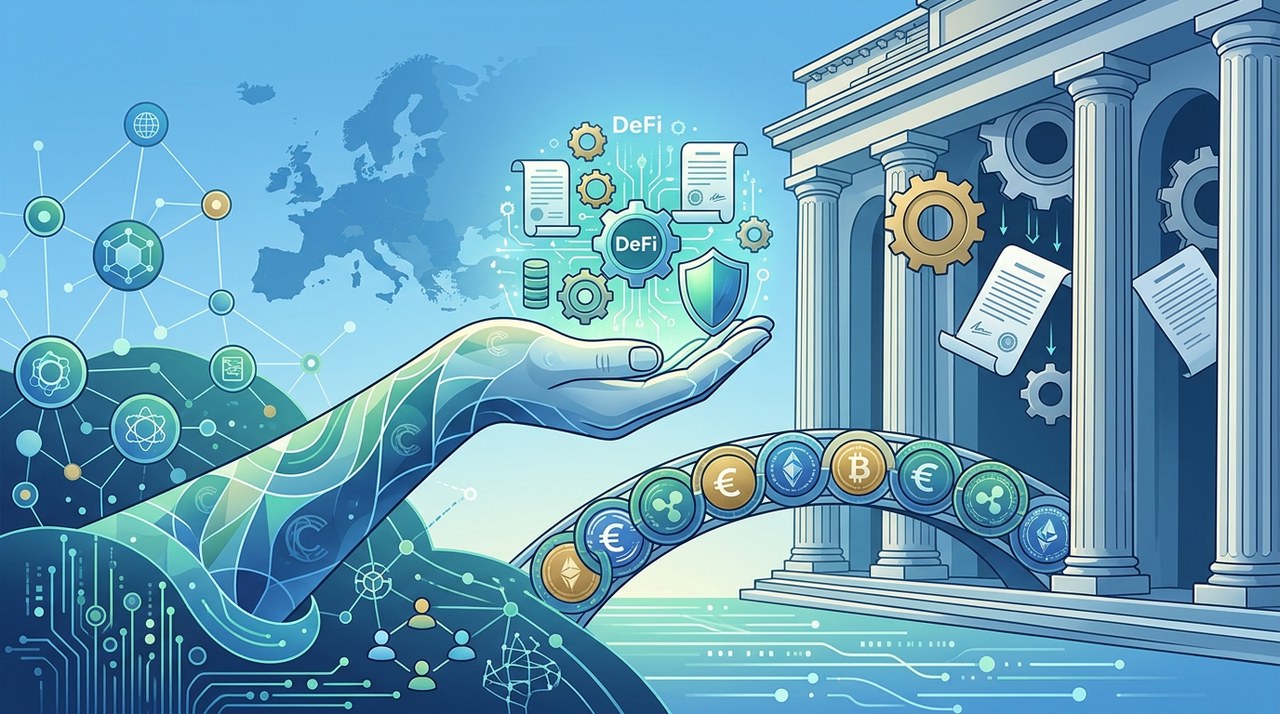
The Cardano Foundation has urged EU lawmakers to focus regulatory efforts on financial risks rather than imposing blanket MiCA rules on DeFi and staking.
|

BIS and Michael Saylor Agree Bitcoin Isn't Everyday Cash
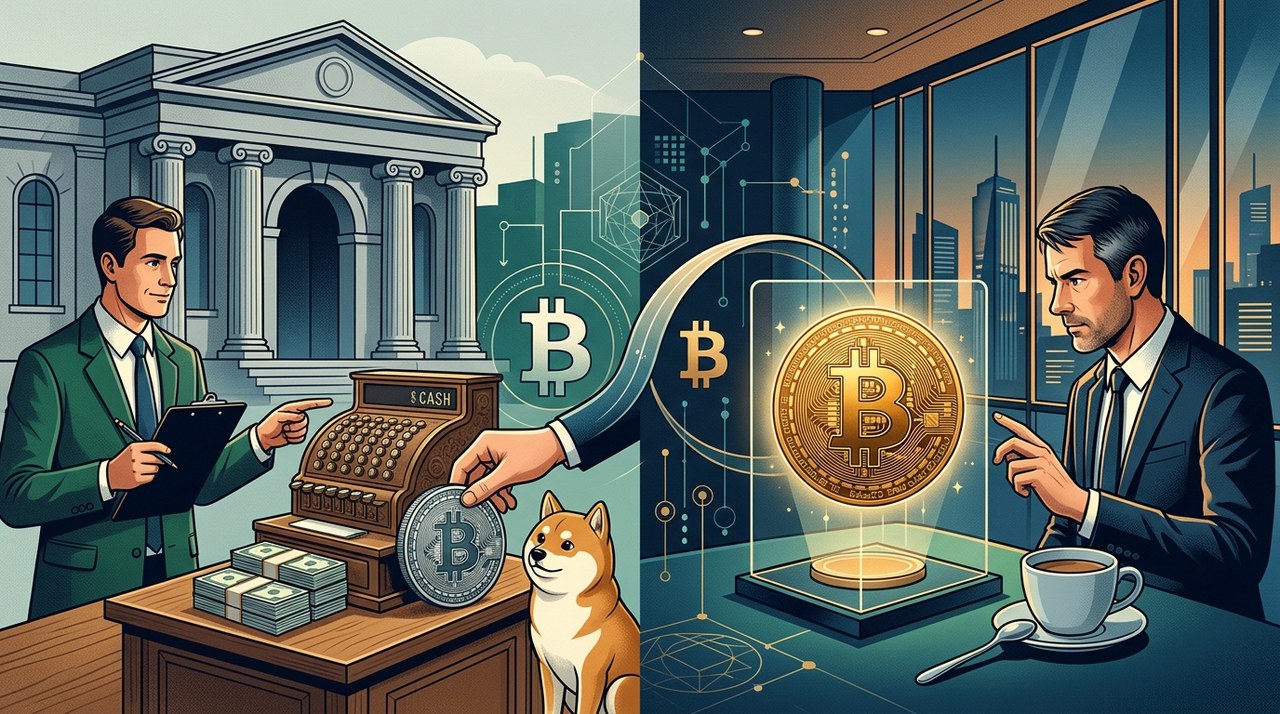
A central bank paper and Michael Saylor both agree Bitcoin isn't everyday cash, but they arrive at that conclusion for very different reasons.
|
Cardano Registers 100,000 Indian Farms on Blockchain
Cardano reaches a major real-world adoption milestone with 100,000 Indian farms now registered on its blockchain network.
|