


Crypto Biz: Bitcoin Quantum Threats and Banking Moves
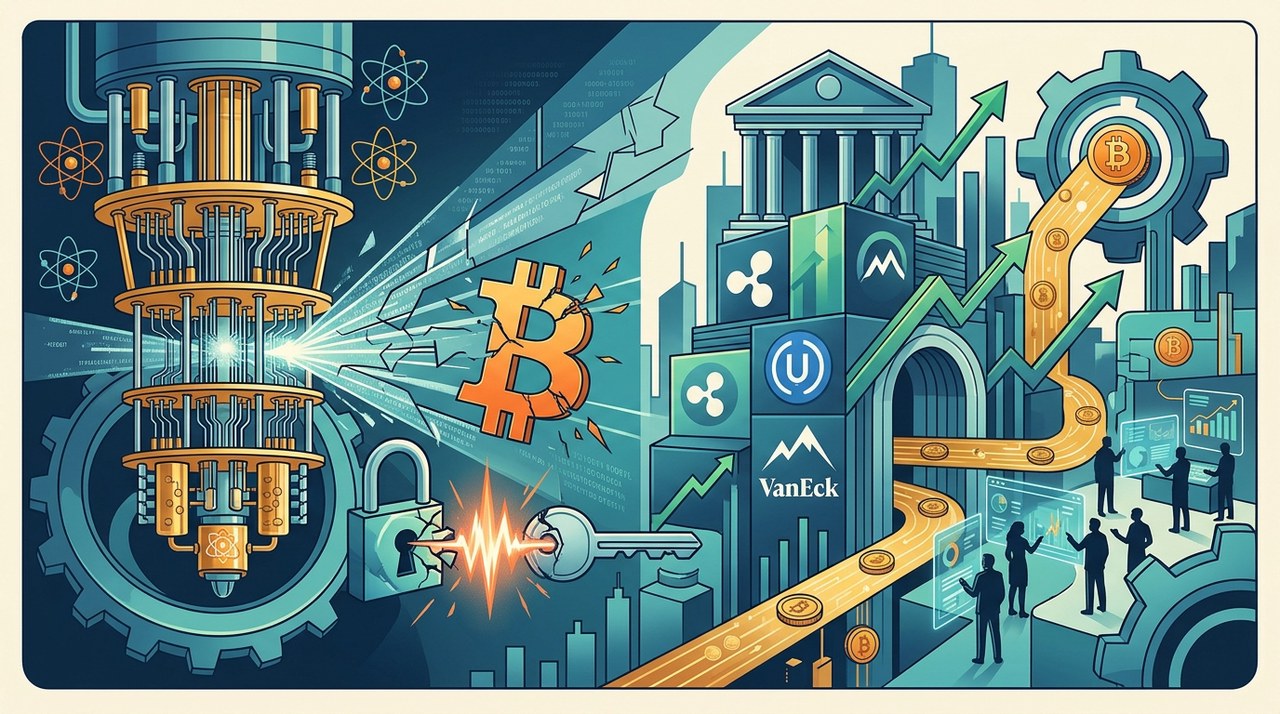
Welcome back to our weekly roundup of the biggest developments in the digital asset space! Today, we are breaking down four major updates that are shaping the future of cryptocurrency.
From high-tech security debates surrounding Bitcoin to major corporate milestones for RippleXRP-3.15%, USDCUSDC+0.15%, and VanEck, there is a lot to unpack. Let us dive in using clear and simple language.
1. Bitcoin's Quantum Threat: Why It Is an Economic Dilemma
For years, experts have debated the theoretical threat that quantum computers pose to digital cryptography. Now, that theoretical risk is turning into a practical economic conversation for Bitcoin (BTCBTC-4.29%).
To understand why, think of Bitcoin's security like a digital combination lock. Today's standard computers would need millions of years to guess the private key that protects a wallet. However, advanced quantum computers operate differently. They can perform complex mathematical calculations at speeds previously unimagined.
If a powerful enough quantum computer is built, it could theoretically crack Elliptic Curve Cryptography (ECDSA), which is the exact technology securing Bitcoin public keys.
The Economic Problem of Upgrading Bitcoin
Why is this an economic issue rather than just a software bug? Updating Bitcoin to quantum-resistant encryption requires global consensus across thousands of independent nodes, developers, and miners.
Here are the core economic challenges facing the network:
- Exposed Legacy Coins: Millions of early Bitcoins, including those attributed to creator Satoshi Nakamoto, reside in addresses where public keys are already visible on the blockchain. These addresses are most vulnerable to quantum cracking.
- Coordination Costs: Implementing post-quantum cryptography requires a major system upgrade, known as a hard fork. Getting everyone in a decentralized network to agree takes significant time and resources.
- Network Efficiency: Quantum-resistant keys are much larger in data size. Storing them could slow down transaction speeds or increase fees for everyday users.
While quantum computers powerful enough to break encryption are still estimated to be years away, developers are actively debating solutions today to ensure long-term stability.
2. Ripple Secures a US Banking Charter
In major corporate news, Ripple, the blockchain enterprise company closely linked with the XRP token, has secured a bank charter in the United States.
This step allows Ripple to bridge the gap between traditional banking infrastructure and blockchain-based payment networks. By holding a formal banking charter, Ripple can directly offer regulated financial services to institutional clients without relying entirely on third-party banking partners.
Why This Banking Milestone Matters
Securing regulatory approval within the US banking system provides greater legal certainty for institutional adoption. It enables smoother cross-border settlements and allows financial institutions to interact with digital assets under a recognized regulatory framework.
3. USDC Expands Its Footprint in Europe
Circle's USDC, one of the world's largest dollar-backed stablecoins, is gaining significant traction across European markets.
This growth comes as Europe introduces its comprehensive regulatory framework known as the Markets in Crypto-Assets (MiCA) regulation. MiCA sets strict requirements for stablecoin issuers, including asset reserve transparency, operational resilience, and consumer protections.
The Role of Regulated Stablecoins
As European businesses and financial platforms adapt to these rules, fully compliant stablecoins like USDC are becoming the preferred choice for digital payments, trading, and cross-border transfers. Compliance gives corporate users confidence that their funds are backed 1-to-1 with liquid liquid reserves.
4. VanEck Adds Bitcoin to a New ETF Offering
Global asset manager VanEck has expanded its financial product lineup by adding Bitcoin to a new Exchange-Traded Fund (ETF).
ETFs allow traditional investors to gain financial exposure to digital assets through standard brokerage accounts, without needing to manage private keys or set up crypto wallets.
Institutional Growth and Market Access
When major financial institutions like VanEck integrate Bitcoin into new ETF products, it highlights the continued integration of crypto assets into traditional portfolio management strategies.
Summary and Market Perspective
Today's developments showcase an industry undergoing rapid maturity. While long-term technical challenges like quantum security require careful preparation, regulatory milestones and institutional products are helping build a more formal foundation for digital assets.
Past performance of digital assets is not an indication of future performance. Always evaluate your personal financial situation and risk tolerance before participating in digital asset markets. You can view current market information at bitkub.com/th/market/BTC.
Latest blog posts

Trezor Security Warning: Karpeles Reports Tampered Wallets
Former Mt. Gox CEO Mark Karpeles warns that Trezor hardware wallets sold by a Southeast Asian reseller may contain physical implants.


Solana Expands Stablecoin Market with Hong Kong Venture
Solana Foundation has partnered with Anchorpoint Financial to launch the regulated HKDAP stablecoin, bringing institutional banking access to public blockchain networks.
|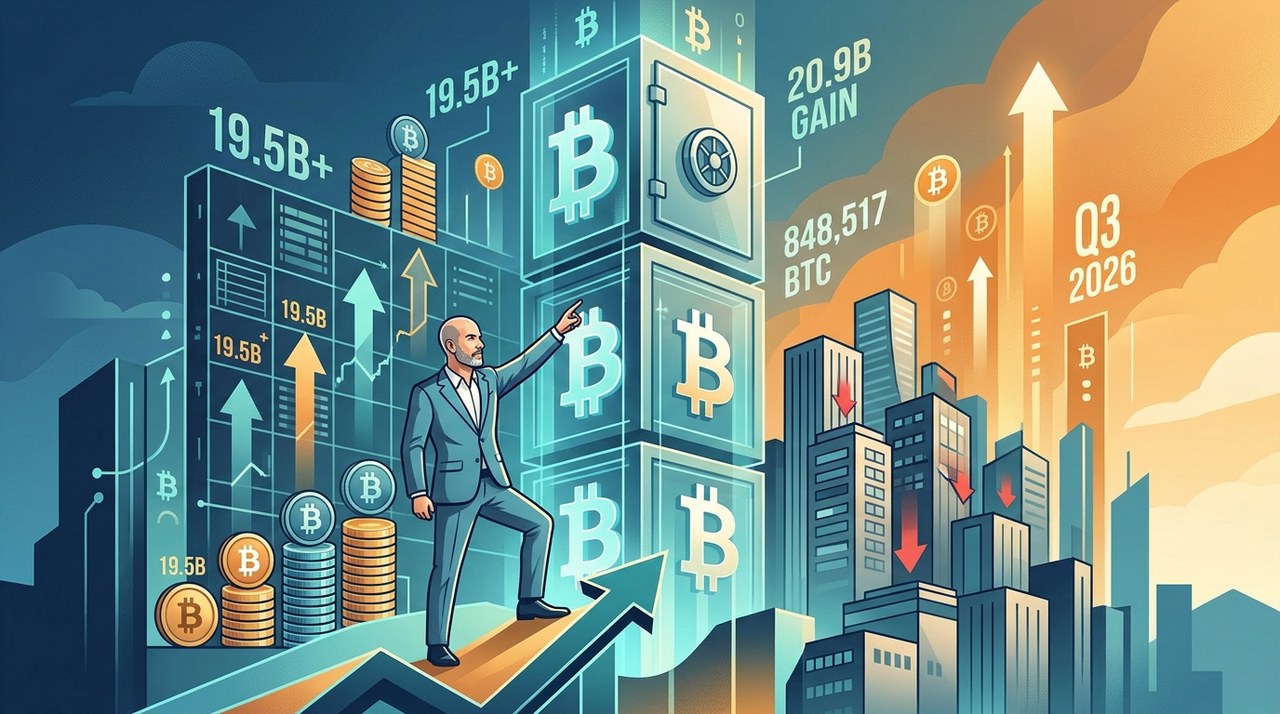
Strategy Earns $19.5B in Q3 as Saylor Calls Next Bull Run
Strategy posted $19.53 billion in Q3 net income driven by massive Bitcoin gains, even as software revenue slipped and its CFO resigned.
|