
Bitcoin Miners Face $50B Gap in AI Pivot as Lenders Tighten
The $50 Billion Reality Check for Bitcoin Miners
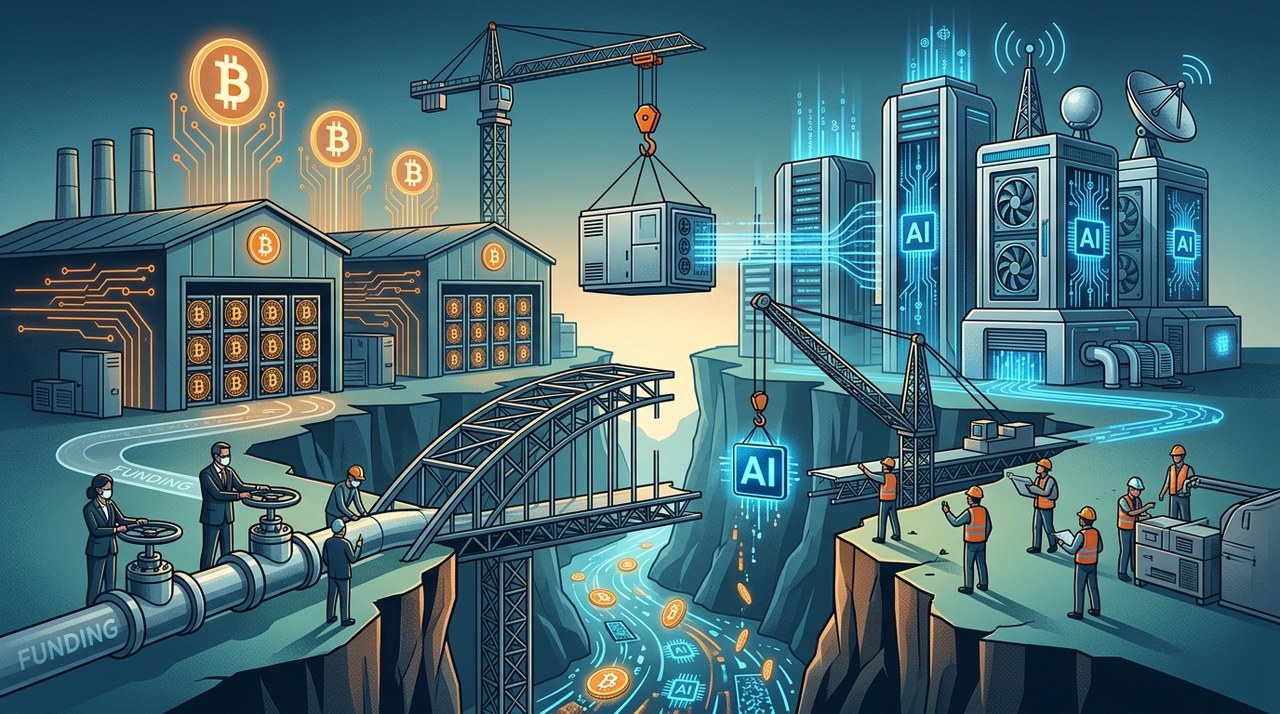
Bitcoin miners are no longer just looking for the next digital block. Many of the industry's biggest players are currently racing to transform their energy-rich facilities into high-performance computing (HPC) centers for artificial intelligence (AI).
However, this ambitious transition comes with a hefty price tag. Recent industry analysis reveals that the Bitcoin mining sector needs roughly $50 billion in funding to complete planned AI infrastructure projects. As capital requirements soar, lenders and institutional investors are taking a much closer look at these deals, driving up borrowing costs for mining companies across the board.
Why Are Bitcoin Miners Pivoting to AI?
To understand why companies like IREN, Riot Platforms, and HIVE Digital are expanding into AI, we first have to look at how Bitcoin mining economics have shifted. Following the Bitcoin halving event in April 2024, block rewards dropped by half. This structural update directly reduced miners' primary crypto income.
At the same time, the global boom in generative AI created an urgent shortage of data center capacity and electrical power. Bitcoin miners realized they held a crucial advantage: ready-to-use power connections, massive industrial acreage, and immediate access to gigawatts of electricity.
Think of a Bitcoin miner like an owner of a massive industrial park equipped with high-capacity power lines. Whether they plug in specialized Bitcoin mining rigs or advanced AI chips, the underlying asset—the power connection—is what matters most. Hosting AI workloads offers predictable, long-term revenue compared to the volatile swings of daily crypto mining.
The Mounting Costs of Building AI Datacenters
While turning crypto facilities into AI datacenters sounds like a natural fit, building modern AI infrastructure is significantly more expensive than running traditional Bitcoin hardware.
Bitcoin mining hardware (ASICs) is built for flexibility. If a mining site loses power briefly, the machines simply restart when power returns without losing critical work. In contrast, AI workload servers host complex enterprise calculations. They require near-perfect uptime, redundant power supplies, and state-of-the-art cooling.
- Expensive Hardware: Top-tier AI GPUs can cost tens of thousands of dollars per unit, compared to a fraction of that cost for standard crypto mining rigs.
- Advanced Cooling Needs: AI chips produce immense heat, demanding specialized liquid cooling infrastructure rather than basic air cooling fans.
- Uninterrupted Power: AI facilities require high-grade backup power systems and generators to prevent data corruption during electrical dips.
Key Firms Under the Financial Microscope
Several prominent publicly traded mining firms are actively navigating these financing hurdles as they scale up their AI operations:
- IREN (Iris Energy): Operating renewable-powered sites in North America, IREN has been aggressively purchasing GPUs and reallocating capacity toward AI hosting, creating substantial ongoing capital expenditure needs.
- Riot Platforms: A major scale leader in North American Bitcoin mining, Riot possesses vast electrical capacity. Expanding into AI while maintaining its core Bitcoin hash rate requires balancing heavy capital requirements across two demanding sectors.
- HIVE Digital Technologies: An early mover in GPU operations, HIVE continues to pivot toward green AI cloud hosting, but must manage hardware refresh cycles alongside expanding funding gaps.
Why Lenders Are Raising Costs and Demanding More
When miners first announced their AI plans, equity markets reacted with excitement. However, debt markets and traditional lenders are now taking a more analytical approach.
Lenders are closely inspecting execution risks, customer contract length, and hardware depreciation schedules. Because AI processors are upgraded rapidly by semiconductor manufacturers every 12 to 18 months, chips risk losing rental value before long-term facility debt is fully repaid.
As a result, financing deals are becoming more expensive. To close capital deficits, mining companies are often relying on issuing high-yield debt, convertible notes, or new equity shares, which can dilute existing equity holders.
Navigating Market Scenarios and Risks
Pivoting to AI gives miners a valuable hedge against crypto market cycles, but it does not eliminate risk altogether.
If AI demand remains strong and miners secure reasonable financing rates, these companies could build highly resilient, dual-revenue operational models. However, if borrowing costs stay high or if AI hosting demand cools down, high debt obligations could compress profit margins.
Market participants should evaluate both the growth potential and credit risks involved in tech infrastructure transformations. Past performance of digital assets or corporate equities is no guarantee of future returns. For real-time asset prices and market metrics, visit the Bitkub BTCBTC-1.77% Market.
What to Watch Next
Moving forward, observers will be watching how effectively IREN, Riot, HIVE, and others manage their financing strategies. Key indicators will include the signing of binding long-term client contracts, the interest rate terms on upcoming debt issuances, and the balance between equity sales and debt financing.
The convergence of Bitcoin infrastructure and artificial intelligence presents a massive technological opportunity, but securing the necessary $50 billion will require careful financial execution.
Latest blog posts

 +2
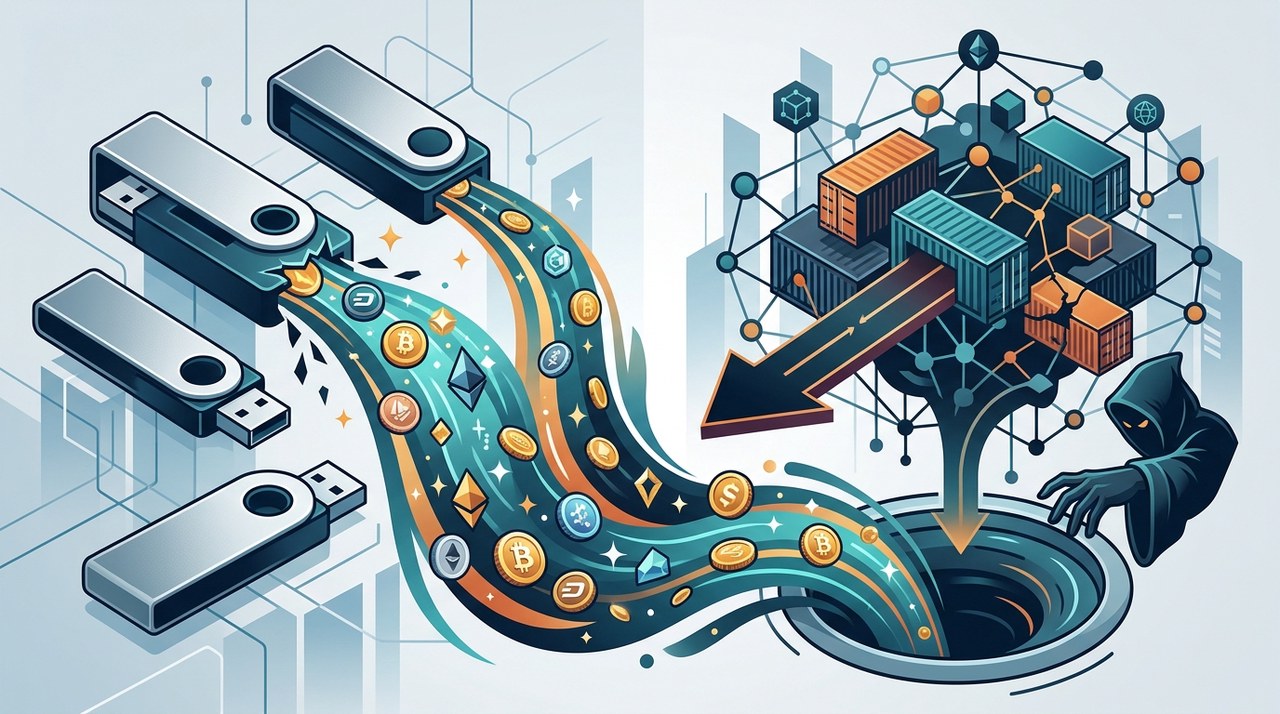
+2Ledger Links $87M Crypto Drain to Reseller CryptoBilis
Ledger confirmed recent wallet drains involve devices sold by reseller CryptoBilis, while its core systems remain secure.
|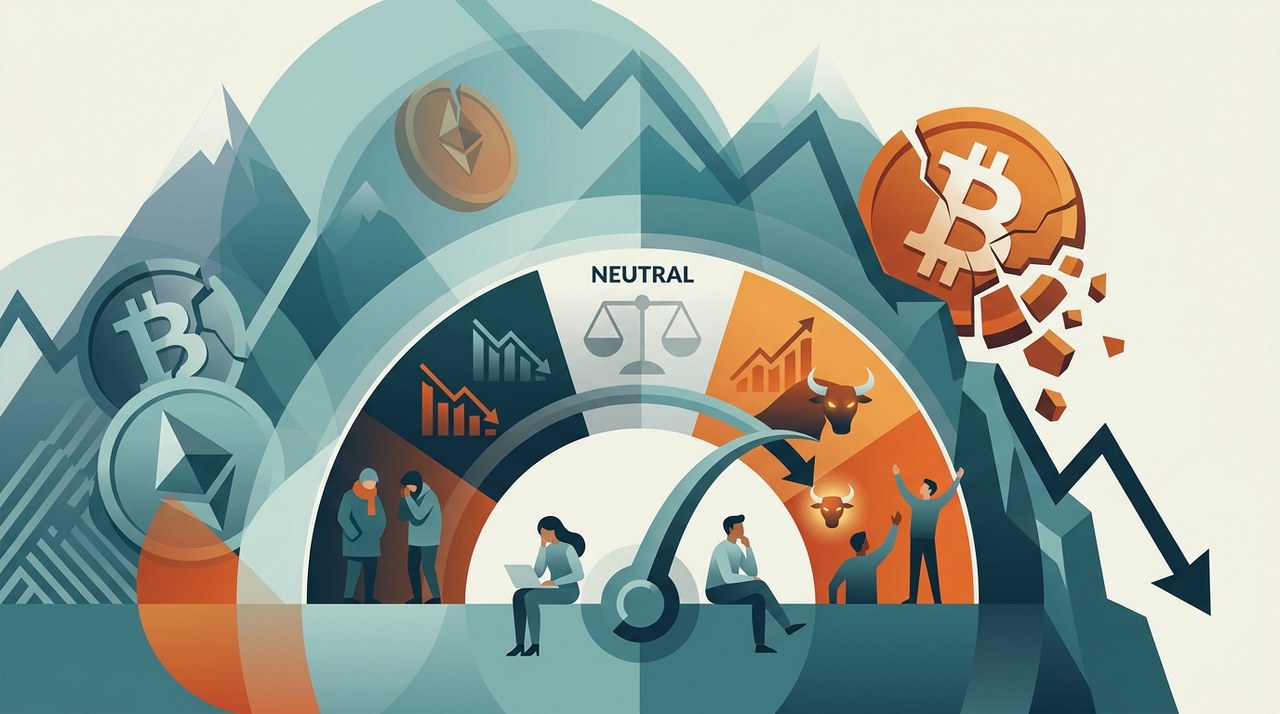
Crypto Fear and Greed Index Drops to Pre-Rally August Lows
Bitcoin sentiment cools to neutral as macro pressures, high oil prices, and rising bond yields trigger crypto ETF outflows.
|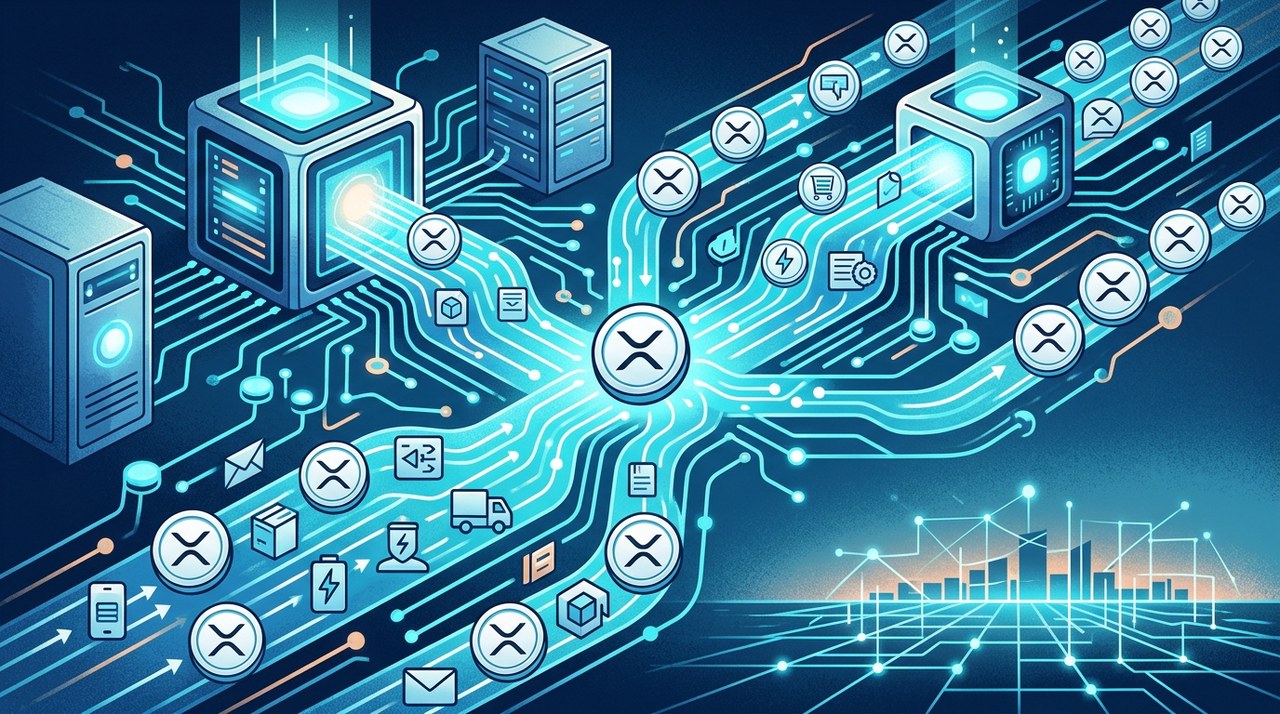

AI Agents Drive Record Traffic on the XRP Ledger
Autonomous AI software is now the main source of transaction activity on the XRP Ledger, outpacing human retail users through microtransactions.
|