Blog
ถอดรหัสโลกคริปโทฯ : มาตรฐานการจำแนกหมวดหมู่

ความซับซ้อนของโลกคริปโทเคอร์เรนซี ที่มีโทเคน โปรโตคอล และแอปพลิเคชันกระจายศูนย์มากมาย อาจทำให้รู้สึกท่วมท้น เพื่อนำความชัดเจนมาสู่สินทรัพย์ประเภทใหม่นี้ บริษัท 21Shares และ CoinGecko ได้พัฒนา มาตรฐานการจัดประเภทคริปโตทั่วโลก (GCCS) กรอบงานสามระดับนี้ทำหน้าที่เป็นอนุกรมวิธานอุตสาหกรรมเพื่อจัดหมวดหมู่โครงการและสินทรัพย์คริปโต ช่วยให้ผู้ใช้และนักลงทุนเข้าใจได้อย่างรวดเร็วว่าโครงการใดทำอะไร และอยู่ในส่วนใดของโครงสร้างคริปโตที่ใหญ่กว่า
ระดับที่ 1: โครงสร้างคริปโต (The Crypto Stack)
โครงสร้างคริปโต เน้นไปที่ชั้นพื้นฐานของเทคโนโลยีที่ประกอบขึ้นเป็นโครงสร้างพื้นฐานหลักของคริปโต โดยจะจัดหมวดหมู่เฉพาะ เครือข่ายหรือโปรโตคอล เท่านั้น ไม่ใช่สินทรัพย์ (โทเคน) ที่อยู่เบื้องหลัง
โครงสร้างนี้เสมือนรากฐานและส่วนประกอบหลักได้แก่ฃ
— แพลตฟอร์มการชำระเงิน (Payment Platforms) เป็นชั้นพื้นฐานที่เชี่ยวชาญในการโอนมูลค่า เปรียบได้กับเงินสดดิจิทัลหรือสินค้าโภคภัณฑ์ดิจิทัลอย่างทองคำ Bitcoin เป็นตัวอย่างสำคัญของหมวดหมู่นี้
— แพลตฟอร์มสัญญาอัจฉริยะ (Smart Contract Platforms) เป็นบล็อกเชนพื้นฐานที่มีความสามารถในการเขียนโปรแกรมแบบวัตถุประสงค์ทั่วไปในตัว พวกเขาทำหน้าที่เหมือนเมืองหรือชาติรัฐดิจิทัลที่อนุญาตให้ผู้พัฒนาสร้างแอปพลิเคชันได้ เช่น Ethereum และ Solana
— แอปพลิเคชันกระจายศูนย์ (dApps) คือผลิตภัณฑ์และบริการขั้นสุดท้าย ซึ่งเป็นแอปพลิเคชันบนเว็บและมือถือที่อนุญาตให้เข้าถึงผลิตภัณฑ์และบริการคริปโตได้อย่างไร้การอนุญาตและทนทานต่อการเซ็นเซอร์ Uniswap และ MakerDAO เป็น dApps ที่โดดเด่น
ส่วนประกอบสำคัญอื่น ๆ ได้แก่ Blockchain Accelerators (เช่น Arbitrum) ที่ช่วยปรับขนาดและลดความแออัด และ Oracles (เช่น Chainlink) ที่เชื่อมโยงข้อมูลภายนอกบล็อกเชนเข้ามา
ระดับที่ 2: การจัดกลุ่มตลาด (Market Mapping)
ระดับที่ 2 จัดหมวดหมู่โปรโตคอลตามประเภทธุรกิจ โดยแบ่งเป็น ภาคส่วน (Sectors) ซึ่งเป็นส่วนขนาดใหญ่ของเศรษฐกิจคริปโต และ อุตสาหกรรม (Industries) ซึ่งเป็นกลุ่มโปรโตคอลที่เฉพาะเจาะจงมากขึ้น
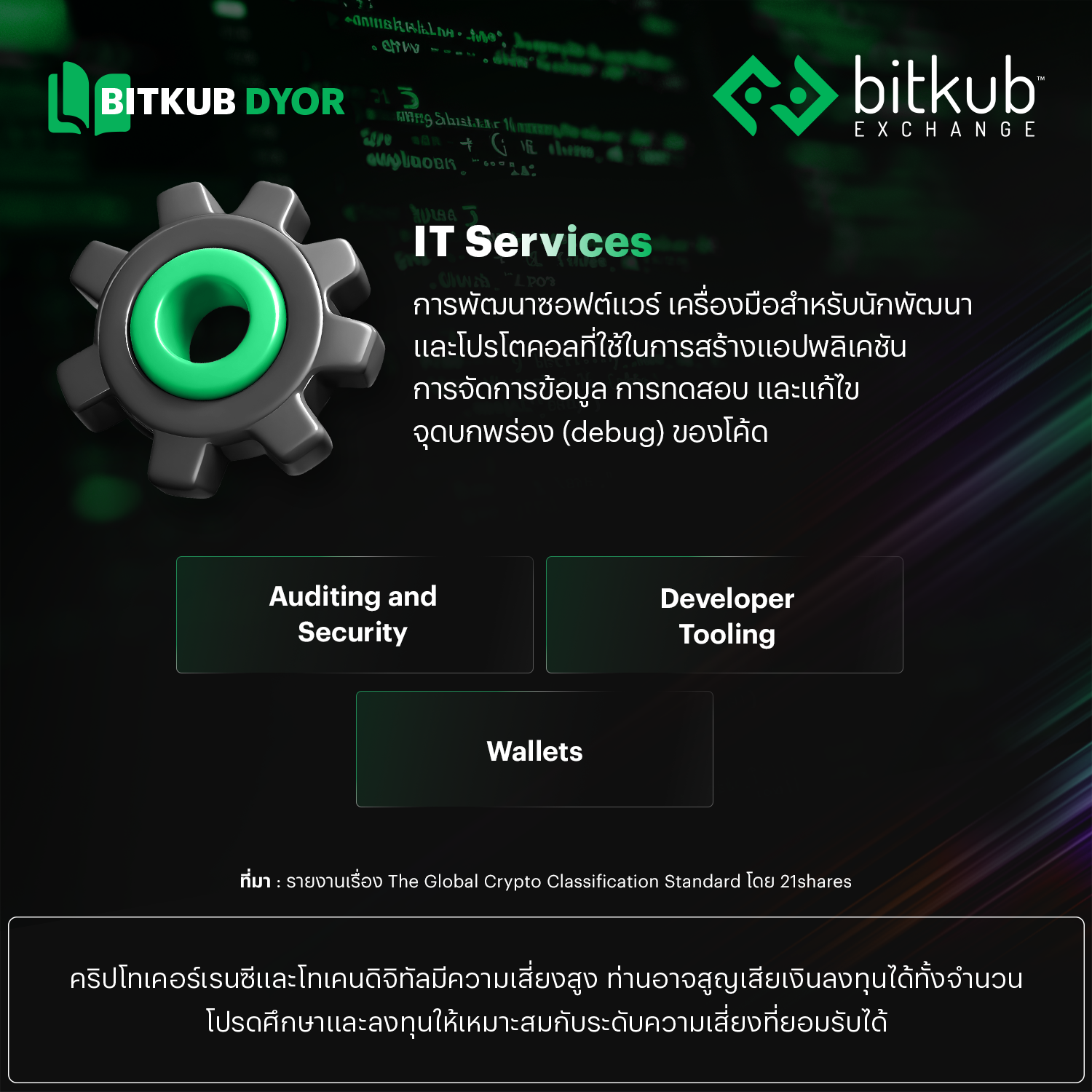
— IT Services (บริการด้านเทคโนโลยีสารสนเทศ): ภาคส่วนนี้เกี่ยวข้องโดยตรงกับการพัฒนาซอฟต์แวร์ อุตสาหกรรมที่อยู่ภายใต้ภาคส่วนนี้รวมถึง Developer Tooling ที่เป็นเครื่องมือช่วยนักพัฒนาในการสร้าง dApps , Auditing and Security ที่เป็นโปรโตคอลช่วยลดความเสี่ยงของสัญญาอัจฉริยะ , และ Wallets ซึ่งเป็นกระเป๋าดิจิทัลที่ผู้ใช้ใช้โต้ตอบกับบล็อกเชนและจัดเก็บสินทรัพย
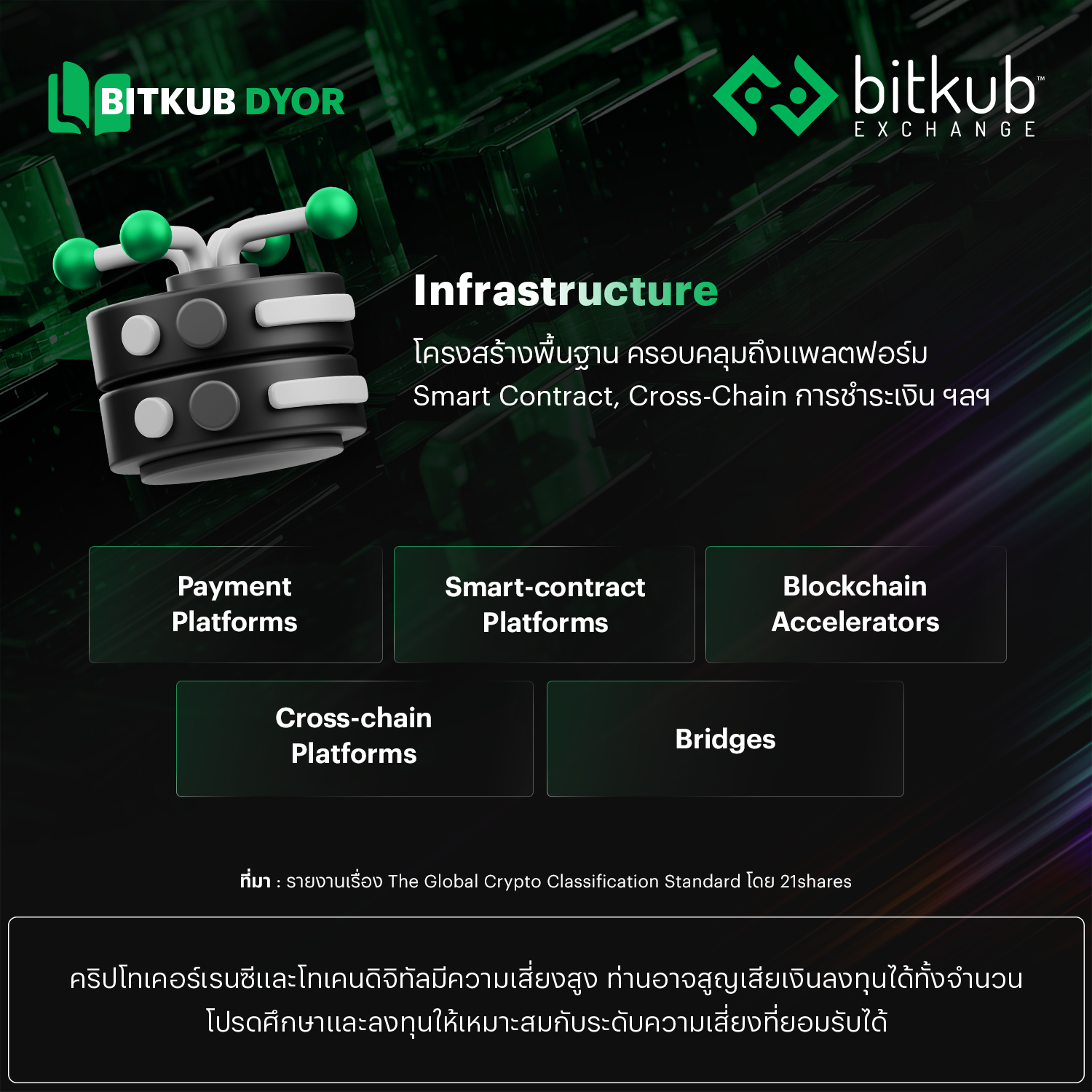
— โครงสร้างพื้นฐาน (Infrastructure): ภาคส่วนพื้นฐานนี้รวบรวมส่วนประกอบหลักที่จำเป็น เช่น แพลตฟอร์มสัญญาอัจฉริยะ, ตัวเร่งบล็อกเชน, และ แพลตฟอร์มการชำระเงิน
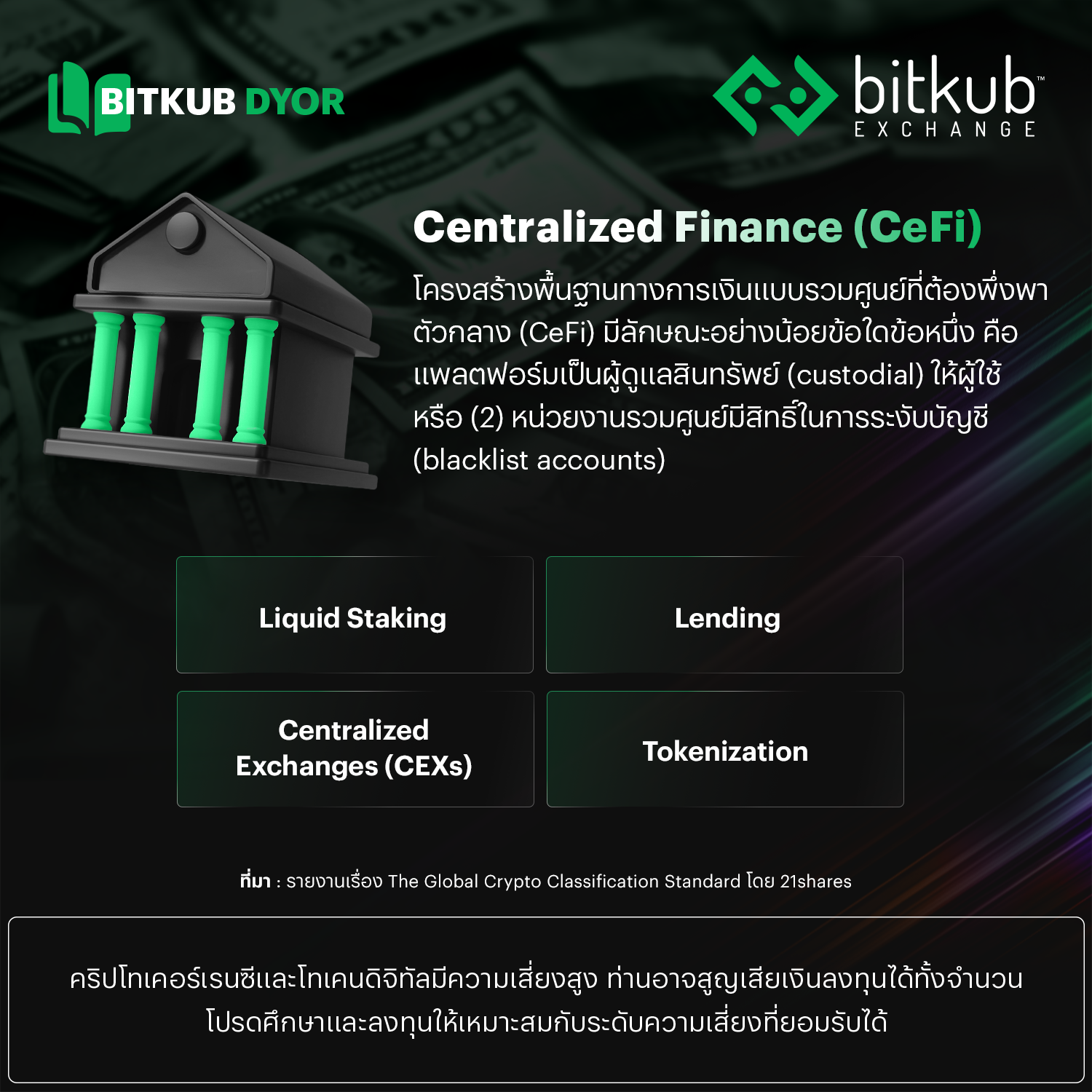
— การเงินแบบรวมศูนย์ (CeFi): ภาคส่วนนี้เกี่ยวข้องกับโครงสร้างทางการเงินคริปโตที่ยังคงพึ่งพาตัวกลาง บริการมักจะมีการดูแลรักษาทรัพย์สินของลูกค้าหรือสงวนสิทธิ์ในการขึ้นบัญชีดำบัญชี อุตสาหกรรมที่สำคัญ ได้แก่ ศูนย์ซื้อขายแบบรวมศูนย์ (CEXs) และ การแปลงสินทรัพย์เป็นโทเค็น (Tokenization) โดยหน่วยงานรวมศูนย์ (เช่น การออก Stablecoin อย่าง USDC)
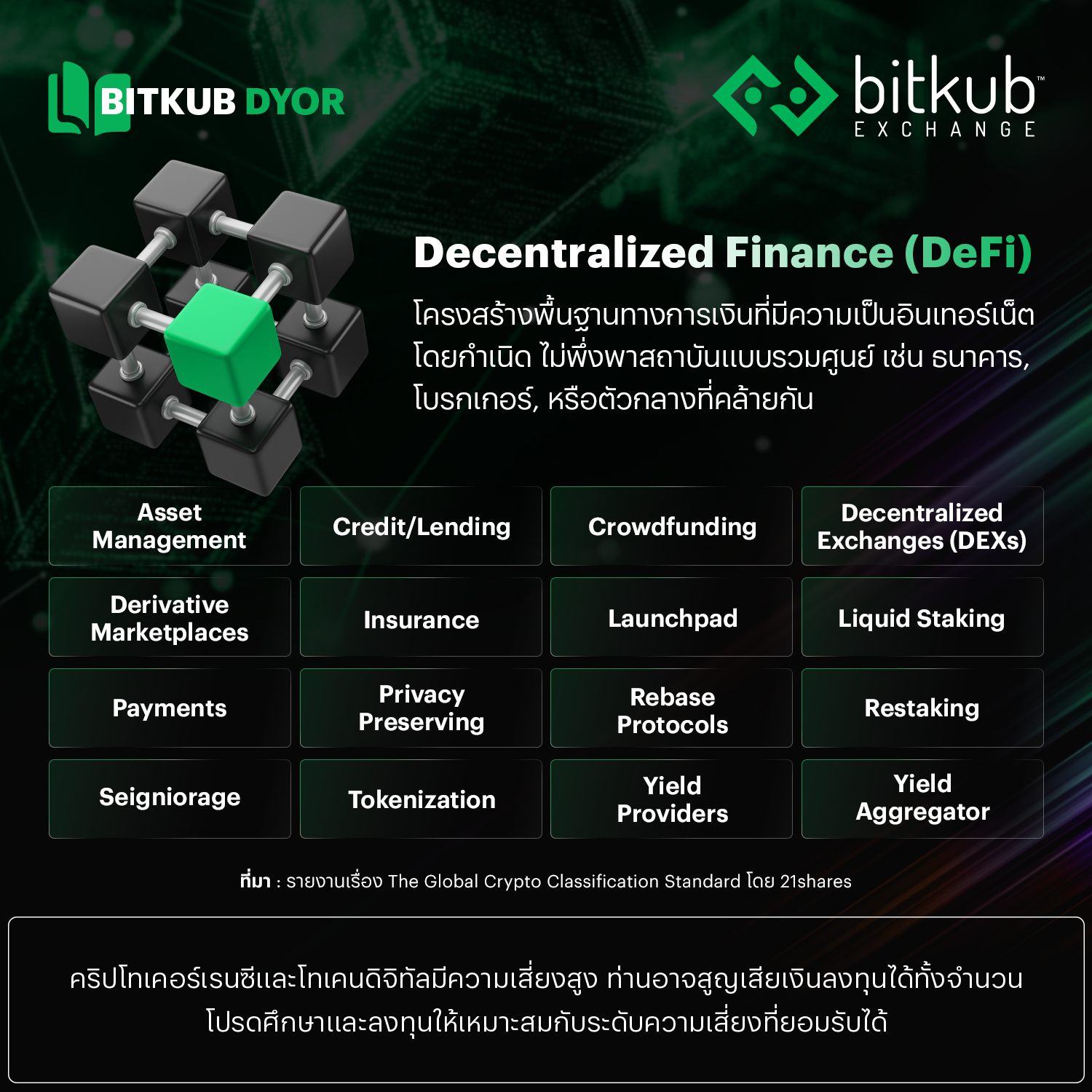
— การเงินแบบกระจายศูนย์ (DeFi): นี่คือโครงสร้างทางการเงินที่ทำงานบนอินเทอร์เน็ตโดยไม่ต้องพึ่งพาสถาบันรวมศูนย์ ภาคส่วน DeFi มีอุตสาหกรรมย่อยที่หลากหลาย ไม่ว่าจะเป็น ศูนย์ซื้อขายแบบกระจายศูนย์ (DEXs) เช่น Uniswap อำนวยความสะดวกในการแลกเปลี่ยนโทเค็นโดยไม่ต้องมีคนกลางมาดูแล, เครดิต/การให้กู้ยืม เช่น MakerDAO และ Aave ที่การกู้ยืมและการให้ยืมเกิดขึ้นแบบเพียร์ทูเพียร์ผ่านสัญญาอัจฉริยะ, การวางเหรียญแบบสภาพคล่อง (Liquid Staking) เช่น Lido ซึ่งช่วยให้ผู้ใช้สามารถนำโทเค็นที่วางไว้ไปใช้ในกิจกรรมอื่น ๆ บนเครือข่ายได้อีก
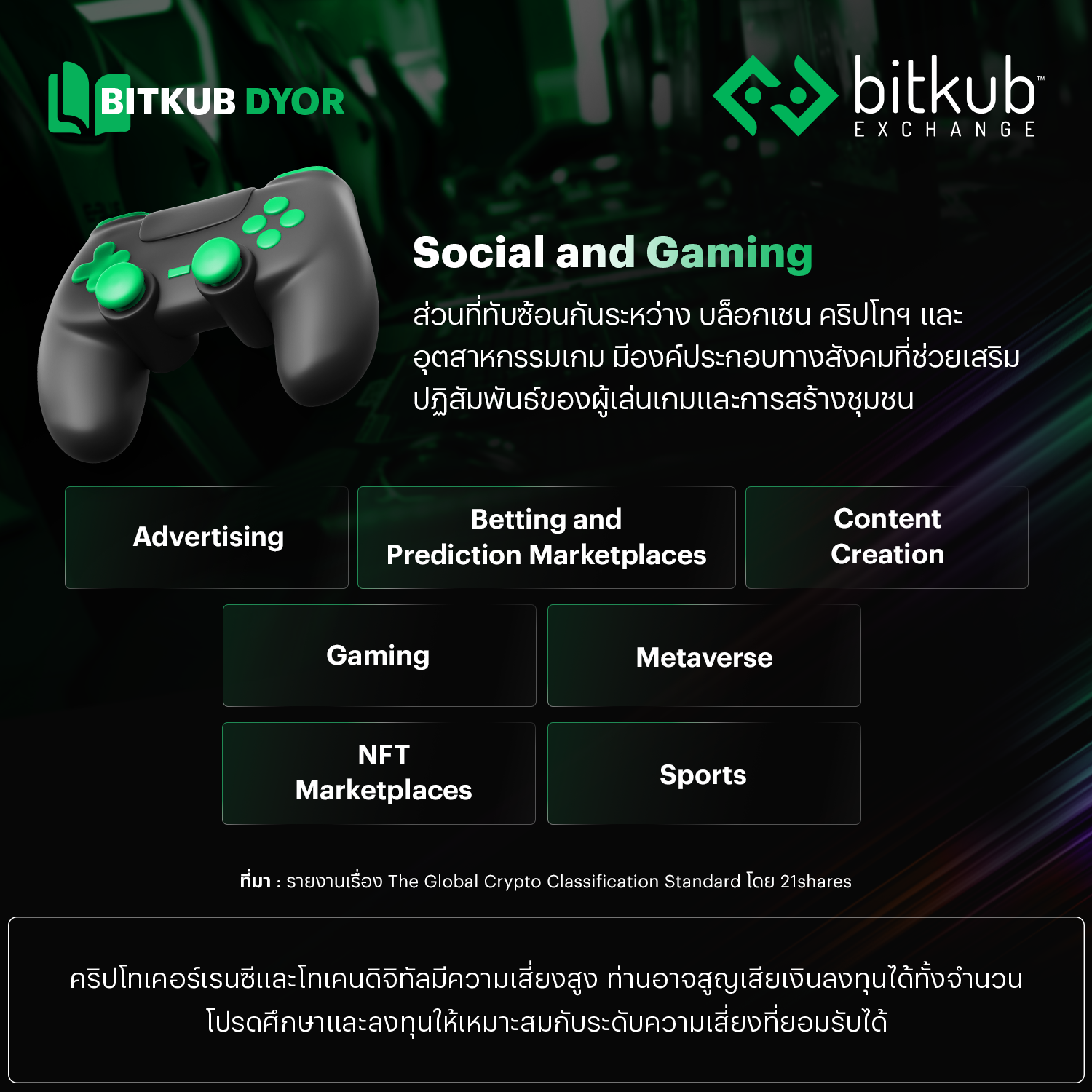
— โซเชียลและการเล่นเกม (Social & Gaming): ภาคส่วนนี้เป็นส่วนที่ซ้อนทับกันระหว่างบล็อกเชน, คริปโต, และอุตสาหกรรมเกม รวมถึงองค์ประกอบทางสังคมและการตลาด NFT Marketplaces และ Gaming (เช่น Axie Infinity) เป็นอุตสาหกรรมที่สำคัญ
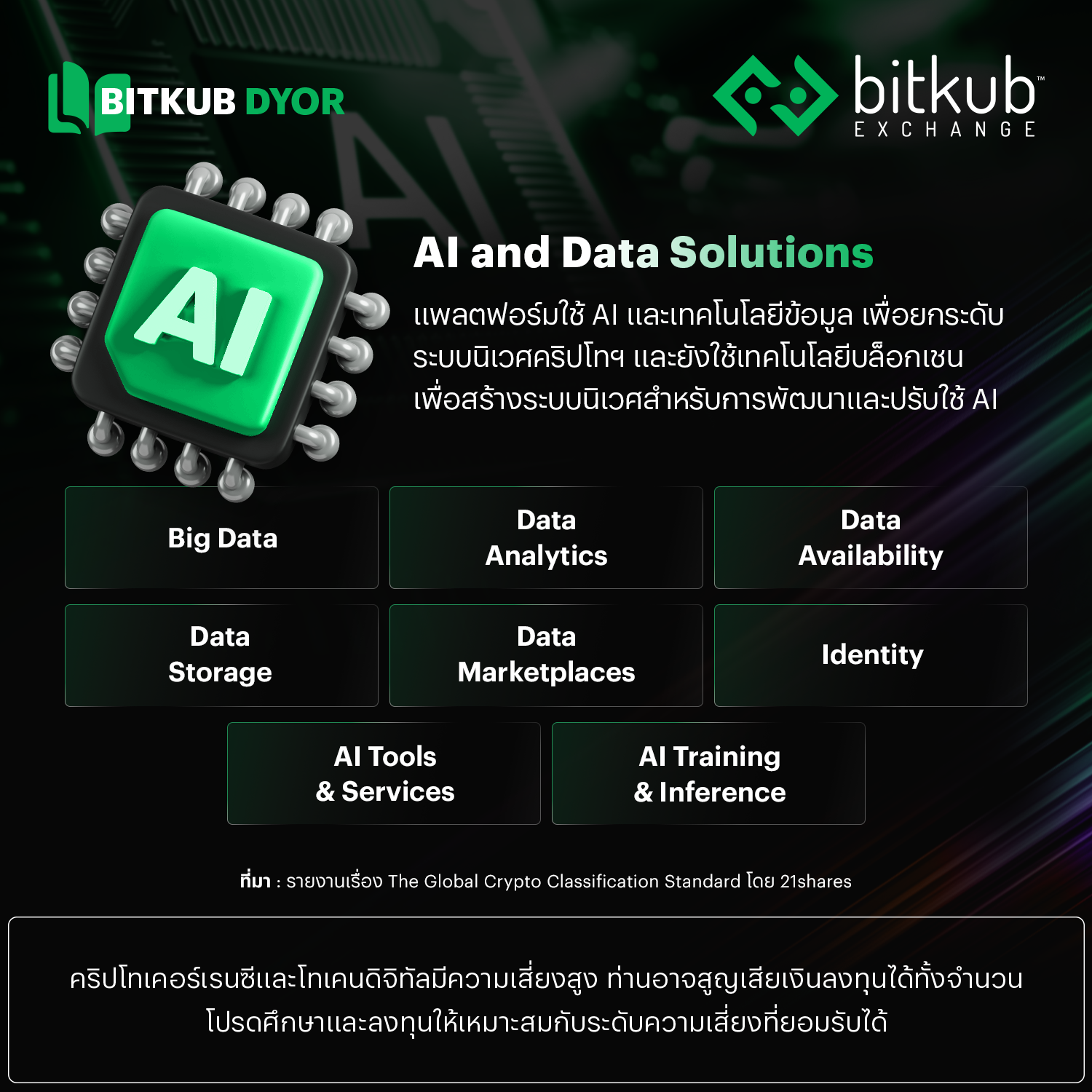
— AI และข้อมูล (AI and Data Solutions): ภาคส่วนนี้มีความสำคัญต่อแพลตฟอร์มที่ใช้ปัญญาประดิษฐ์และเทคโนโลยีข้อมูลเพื่อเสริมสร้างระบบนิเวศคริปโต สร้างความโปร่งใส และปรับปรุงประสิทธิภาพในการพัฒนา AI อุตสาหกรรมย่อยในกลุ่มนี้ประกอบด้วย Big Data (เช่น Oracles อย่าง Chainlink), Data Storage (เช่น Arweave, Filecoin), Data Analytics (เช่น The Graph), AI Tools & Services, AI Training & Inference และ Identity (เช่น Ethereum Name Service)
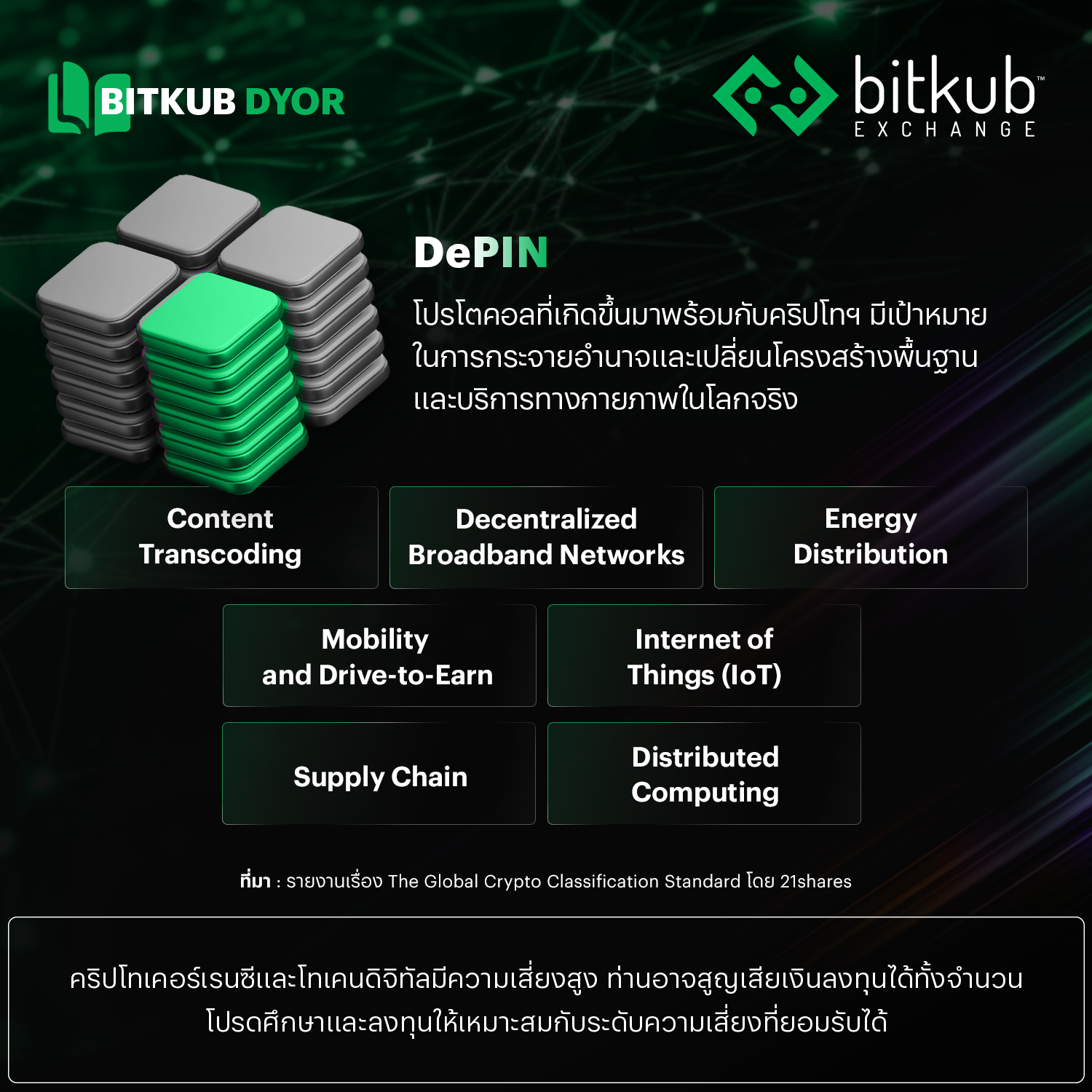
— DePIN (เครือข่ายโครงสร้างพื้นฐานทางกายภาพแบบกระจายศูนย์): ภาคส่วนนี้มีเป้าหมายเพื่อกระจายศูนย์และแปลงโครงสร้างพื้นฐานทางกายภาพในโลกแห่งความเป็นจริง (เช่น การประมวลผลหรือแบนด์วิดท์) ให้เป็นโทเค็น ตัวอย่างอุตสาหกรรม ได้แก่ เครือข่ายบรอดแบนด์แบบกระจายศูนย์ และ การประมวลผลแบบกระจายศูนย์
ระดับที่ 3: การจัดจำแนกของสินทรัพย์คริปโต (The Tokens)
ระดับสุดท้ายนี้จัดประเภท โทเคน ตามสิ่งที่พวกเขาเป็นตัวแทนหรือวิธีที่พวกเขาสร้างมูลค่า โดยอิงจาก “ชั้นสินทรัพย์หลัก (Superclasses)” สามประเภท
— สินทรัพย์สะสมมูลค่า (Store of Value Assets — SoV): ไม่สามารถบริโภคหรือสร้างรายได้ได้ แต่มูลค่าคงอยู่ Cryptocurrency (เช่น BTC) และ Stablecoins (เช่น DAI) จัดอยู่ในหมวดนี้
— สินทรัพย์ที่บริโภค/แปลงสภาพได้ (Consumable/Transformable Assets — C/T): สามารถบริโภคหรือแปลงเป็นสินทรัพย์อื่นได้ แต่ไม่สร้างกระแสรายได้อย่างต่อเนื่อง สกุลเงินดั้งเดิม (Native Currency) ของเครือข่าย (เช่น ETH) และ Utility Tokens (เช่น LINK) ถูกจัดเป็น C/T
— สินทรัพย์ทุน (Capital Assets — CA): เป็นแหล่งที่มาของมูลค่าอย่างต่อเนื่อง โดยประเมินจากมูลค่าปัจจุบันสุทธิของผลตอบแทนที่คาดหวัง Governance Tokens (เช่น UNI) ซึ่งแสดงถึงสิทธิ์ในการลงคะแนนเสียง และ NFTs ที่สร้างค่าลิขสิทธิ์ ถูกจัดเป็นสินทรัพย์ทุน
ด้วยการใช้กรอบงานสามระดับนี้ ผู้สนใจในคริปโตสามารถเข้าใจได้อย่างครอบคลุม: Uniswap คือ dApp (ระดับ 1) ใน อุตสาหกรรมศูนย์ซื้อขายแบบกระจายศูนย์ (DEX) (ระดับ 2) และโทเค็น UNI ของมันคือ Governance Token (ระดับ 3)
อ้างอิง: The Global Crypto Classification Standard
— — — — — — — — — —
คำเตือน:
-คริปโทเคอร์เรนซีและโทเคนดิจิทัลมีความเสี่ยงสูง ท่านอาจสูญเสียเงินลงทุนได้ทั้งจํานวน โปรดศึกษาและลงทุนให้เหมาะสมกับระดับความเสี่ยงที่ยอมรับได้
-ผลตอบแทนของสินทรัพย์ดิจิทัลในอดีตหรือผลการดําเนินงานในอดีต มิได้เป็นสิ่งยืนยันถึงผลตอบแทน ของสินทรัพย์ดิจิทัลหรือผลการดําเนินงานในอนาคต
— — — — — — — — — —
หากคุณยังเป็นมือใหม่ ค้นหาข้อมูลเพิ่มเติมได้ในบทความ “แหล่งความรู้ มือใหม่หัดเทรดคริปโต เริ่มต้นที่นี่” แล้วมาเริ่มต้นเทรดได้วันนี้ที่ Bitkub Exchange → คลิกสมัครเลย
— — — — — — — — — —
Decrypting the Crypto Universe: The Global Crypto Classification Standard
The complexity of the cryptocurrency world, with its countless tokens, protocols, and decentralized applications, can feel overwhelming. To bring clarity to this new asset class, 21Shares and CoinGecko developed The Global Crypto Classification Standard (GCCS). This three-level framework serves as an industry taxonomy to categorize crypto projects and assets, helping users and investors quickly understand what a project does and where it sits within the larger crypto stack.
Level 1: The Crypto Stack
The Crypto Stack focuses on the fundamental technological layers that make up the core crypto infrastructure. It specifically categorizes networks or protocols only, not the underlying assets (tokens). This structure is analogous to a foundation and core components, which include:
–Payment Platforms: These are the basic layer specializing in value transfer, comparable to digital cash or digital commodities like gold. Bitcoin is a prime example of this category.
–Smart Contract Platforms: These are base blockchains with general-purpose programming capabilities built-in. They function like digital cities or nation-states, allowing developers to create applications, such as Ethereum and Solana.
–Decentralized Applications (dApps): These are the final products and services — web and mobile applications that allow access to crypto products and services without permission and are censorship-resistant. Uniswap and MakerDAO are prominent dApps. Other essential components include Blockchain Accelerators (e.g., Arbitrum), which help scale and reduce congestion, and Oracles (e.g., Chainlink), which bridge external data onto the blockchain.
Level 2: Market Mapping
Level 2 categorizes protocols by business type, divided into Sectors (which are large segments of the crypto economy) and Industries (which are more specific groups of protocols).
–IT Services: This sector is directly involved in software development. Industries under this sector include Developer Tooling, which are instruments assisting developers in creating dApps; Auditing and Security protocols that help mitigate the risks of smart contracts; and Wallets, which are digital wallets used by users to interact with the blockchain and store assets.
–Infrastructure: This foundational sector gathers essential core components, such as Smart Contract Platforms, Blockchain Accelerators, and Payment Platforms.
–Centralized Finance (CeFi): This sector involves crypto financial structures that still rely on intermediaries. Services often involve custodial asset management or reserve the right to blacklist accounts. Key industries include Centralized Exchanges (CEXs) and Tokenization by centralized entities (e.g., issuing Stablecoins like USDC).
–Decentralized Finance (DeFi): This is financial infrastructure running on the internet without relying on centralized institutions. The DeFi sector has diverse sub-industries, such as Decentralized Exchanges (DEXs) like Uniswap, which facilitate non-custodial token swaps; Credit/Lending like MakerDAO and Aave, where peer-to-peer borrowing and lending occur via smart contracts; and Liquid Staking like Lido, which allows users to utilize their staked tokens in other on-chain activities.
–Social and Gaming: This sector is an overlap between blockchain, crypto, and the gaming industry, including social and marketing elements. NFT Marketplaces and Gaming (e.g., Axie Infinity) are important industries.
–AI and Data Solutions: This sector is vital for platforms using artificial intelligence and data technology to enhance the crypto ecosystem, create transparency, and improve efficiency in AI development. Sub-industries in this group include Big Data (e.g., Oracles like Chainlink), Data Storage (e.g., Arweave, Filecoin), Data Analytics (e.g., The Graph), AI Tools & Services, AI Training & Inference, and Identity (e.g., Ethereum Name Service).
–DePIN (Decentralized Physical Infrastructure Networks): This sector aims to decentralize and tokenize real-world physical infrastructure (e.g., computing or bandwidth). Industry examples include Decentralized Broadband Networks and Distributed Computing.
Level 3: Taxonomy of Cryptoassets (The Tokens)
This final level categorizes Tokens based on what they represent or how they generate value, relying on three “Superclasses” of assets:
–Store of Value Assets (SoV): These cannot be consumed or generate income, but their value remains. Cryptocurrency (e.g., BTC) and Stablecoins (e.g., DAI) fall into this category.
–Consumable/Transformable Assets (C/T): These can be consumed or transformed into another asset but do not generate a continuous stream of value. Native Currency of a network (e.g., ETH) and Utility Tokens (e.g., LINK) are classified as C/T.
–Capital Assets (CA): These are an ongoing source of value, valued based on the net present value of expected returns. Governance Tokens (e.g., UNI), which represent voting rights, and Royalty-Generating NFTs are classified as Capital Assets.
Using this three-level framework, a crypto enthusiast can gain a comprehensive understanding: Uniswap is a dApp (Level 1) in the Decentralized Exchange (DEX) industry (Level 2), and its UNI token is a Governance Token (Level 3).
Reference: The Global Crypto Classification Standard
— — — — — — — — — —
Start your crypto trading journey today! If you’re new to the space, get all the information you need in our guide, “Crypto Trading for Beginners: Start Here.”
Ready to trade? Sign up now on Bitkub Exchange → Click to register!
— — — — — — — — — —
Source:
Medium