
AI Debt Glut Could Raise US Borrowing Costs
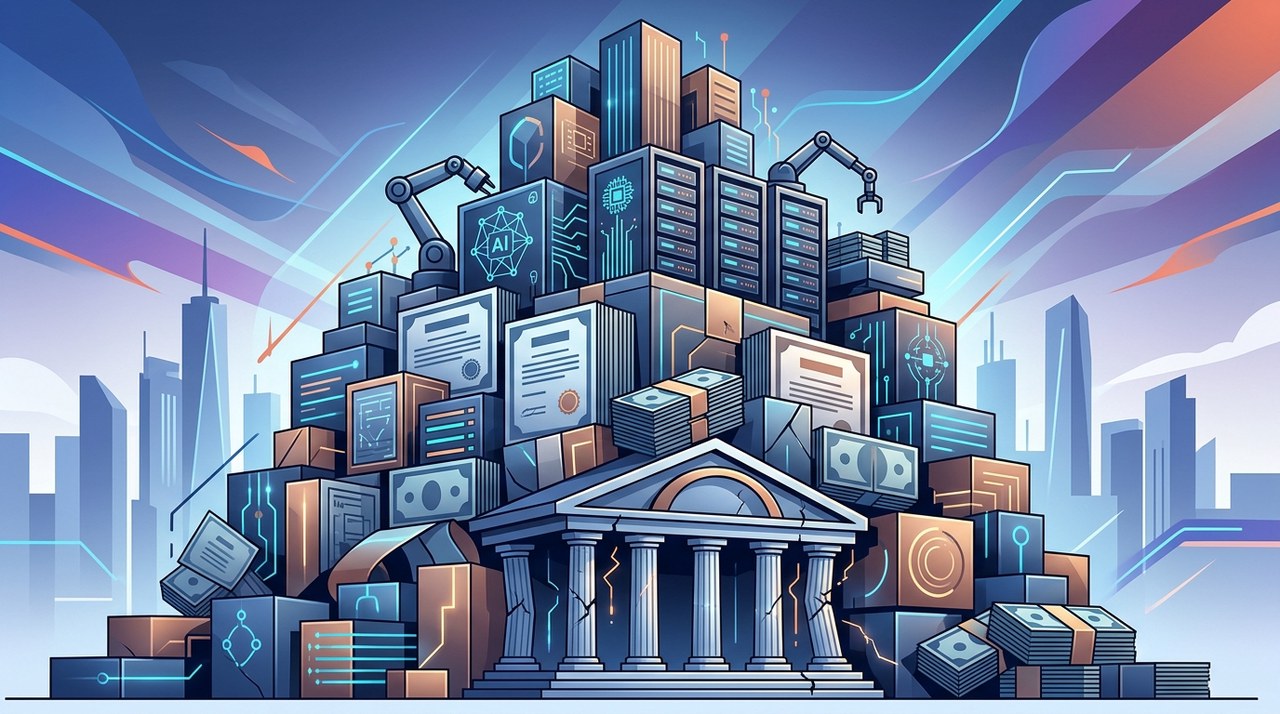
The Growing AI Debt Avalanche
Artificial intelligence is transforming technology, but it comes with a massive price tag. Tech giants, often called hyperscalers, are spending hundreds of billions to build massive AI data centers. To fund this rapid expansion, they are issuing unprecedented amounts of corporate bonds.
Chris White, the CEO of corporate bond pricing firm BondCliQ, recently shared his insights on CNBC's Fast Money. He pointed out that over $258 billion in AI-linked debt was issued in just the past year. However, this massive influx of bonds might be creating unexpected ripples across the entire financial landscape.
Why Are New AI Bonds Losing Value So Fast?
When a company issues a bond, it is essentially taking out a loan from institutional investors. If investors feel uncertain about the company's long-term outlook or if there is simply too much debt supply, bond prices drop. When bond prices fall, their yields—or the interest rates companies must pay—go up.
White noted that many newly issued hyperscaler bonds are trading wider within just six months of hitting the market. Trading wider means investors are demanding higher returns compared to safer benchmark investments.
Unlike stock traders who react to news every single day, bond investors operate on a slower timeline. They analyze credit trends over weeks and months. Right now, bond buyers are beginning to double-check the long-term profitability of some AI infrastructure providers.
Key Cases: CoreWeave and Oracle
White highlighted two prominent examples that illustrate how bond investors are reacting to the AI market:
- CoreWeave: This AI cloud computing provider accounts for roughly 5% of the $258 billion in AI debt issued over the last year. CoreWeave's debt matures in five to seven years. Because it must refinance relatively soon, it faces significant exposure to elevated short-term interest rates.
- Oracle: While Oracle's debt runs for decades—giving it less immediate refinancing pressure—its stock has dropped over 33% year-to-date. Bond investors remain skeptical about its long-term AI strategy.
Torsten Slok, the chief economist at Apollo Global, has also noticed this shift. He pointed to the rising cost of default insurance on hyperscaler debt as evidence of weakening credit fundamentals. When default insurance costs rise, it signals that the market sees growing underlying risk.
Investors will not be fooled twice.
White emphasized that large institutional buyers are taking note of these trading patterns. When tech giants return to the bond market for additional capital, buyers will likely demand even higher yields before handing over their money.
How Microsoft Sets the Benchmark for Tech Debt
Not all tech giants are treated equally by credit markets. White pointed out that Microsoft is currently the only hyperscaler holding a top AAA credit rating.
Because of its top-tier rating, Microsoft sets the benchmark bond pricing for all its peers. If Microsoft has to offer sweeter terms to attract bond buyers, competitors with lower credit ratings will be forced to match or exceed those rates. This creates an ascending ladder of borrowing costs for the entire tech sector.
Could AI Debt Raise Costs for Washington?
The broader concern is that the AI debt boom might not stay isolated within the technology sector. White believes the massive supply of corporate bonds is directly connected to US Treasuries, which are government-issued debt securities.
If mega-cap tech companies offer high, attractive yields, the US government may have to offer higher interest rates on Treasuries to compete for investor dollars. White noted that officials in the White House are already monitoring long-term yields closely, alongside direct bond-buying programs.
Billionaire investor Ray Dalio has also warned about rising yields. Dalio noted that higher bond yields shrink the protective cushion for stock markets, making equities more vulnerable to price declines.
What This Means for the Bigger Financial Picture
Chris White made it clear that he does not see any immediate threat of major corporate defaults. The tech companies building AI infrastructure remain wealthy and operationally strong.
However, as lenders demand higher yields from everyone—from AI cloud startups to the US government—borrowing money becomes more expensive across the board. If White is right, the cost of funding the AI revolution could end up setting the price of credit far beyond the tech world.
Note: Past performance of corporate stocks or financial assets does not guarantee future results. Bond yields and borrowing costs remain subject to macroeconomic shifts, inflation dynamics, and central bank policy changes.
Latest blog posts

S&P 500 Enters Its Strongest Seasonal Window of the Year
Historical data shows the S&P 500 gains in 80% of years from mid-October to year-end, but rising inflation and 5% bond yields present new challenges.
|
South Korea KOSPI Drops 7% Amid US CPI and AI Doubts
South Korea's KOSPI benchmark dropped over 7% following higher US inflation figures and growing market skepticism around AI investments.

VanEck Moves to Withdraw Lido Staked Ether ETF Filing
VanEck has requested to withdraw its application for a Lido staked Ether ETF, which was originally submitted to regulators in October last year.
|