บทความ
“Running Bitcoin” จากแนวคิดสู่การใช้จริง ข้อความสั้นๆ สู่ปฏิวัติการเงินโลก
ในโลกคริปโทเคอร์เรนซี มีประโยคเพียงไม่กี่ประโยคที่จารึกเอาไว้ในฐานะ “จุดเริ่มต้น” หนึ่งในนั้นคือข้อความสั้นๆ บนทวิตเตอร์หรือ X ที่ว่า “Running bitcoin” ของ Hal Finney นักเขียนโปรแกรมและนักเข้ารหัสระดับตำนาน บุคคลที่มีส่วนสำคัญในการพัฒนาระบบของ Bitcoin ข้อความของ Hal Finney ไม่ใช่แค่การบอกเล่าสถานะการทำงานของคอมพิวเคอร์ แต่เป็นหมุดหมายสำคัญที่ประกาศว่า “เงินที่ไม่มีตัวกลาง” ได้ถือกำเนิดขึ้นอย่างเป็นทางการแล้ว
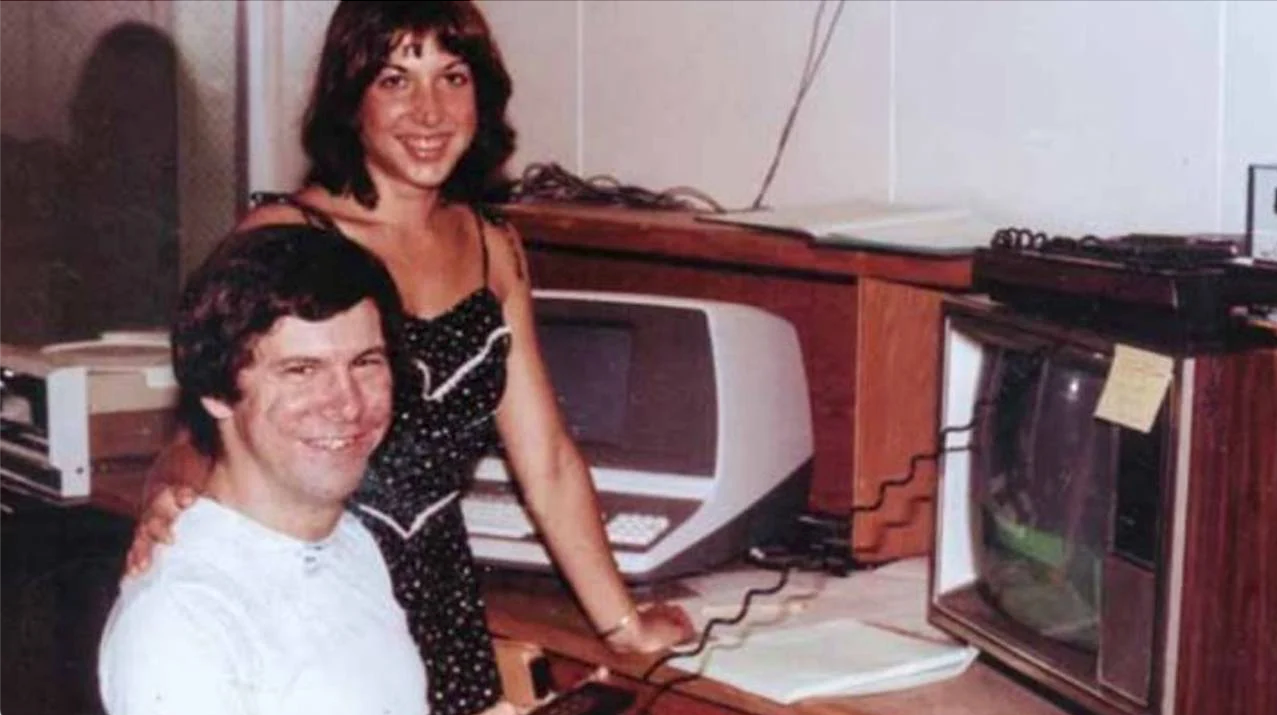
ที่มาของภาพ Bitcoin.com — Remembering Hal Finney’s Vision: The 20th Anniversary of Reusable Proofs of Work
จากแนวคิดบน Whitepaper สู่ธุรกรรมแบบ Peer-to-Peer
จุดเริ่มต้นแรกๆ ของ Bitcoin เป็นเพียงแนวคิดเชิงทฤษฎีที่ปรากฎใน Whitepaper ของ Satoshi Nakamoto เท่านั้นจนกระทั่งวันที่ 11 มกราคม 2009 ประวัติศาสตร์หน้าใหม่ได้เริ่มขึ้นเมื่อ Satoshi ได้โอนบิตคอยน์จำนวน 10 BTC ให้กับ Hal Finney ใน Block ที่ 170
ธุรกรรมครั้งนั้นมีความสำคัญในเชิงโครงสร้าง เพราะเป็นการพิสูจน์ระบบการส่ง Bitcoin แบบ Peer-to-Peer ครั้งแรกของโลก ในวันที่ Bitcoin ยังไม่มีราคาอ้างอิง ไม่มีตลาดซื้อขาย และไม่มีใครรู้ว่ามันจะมีมูลค่ามหาศาลในอนาคต การโอนครั้งนั้นจึงไม่ใช่เรื่องของการเก็งกำไร แต่คือการทดสอบว่า “จะสามารถส่งมอบมูลค่าหากันได้โดยไม่ต้องผ่านตัวกลางหรือสถาบันการเงิน” ได้จริงหรือไม่
หัวใจสำคัญของ “Running Bitcoin”
“Running Bitcoin” สะท้อนออกมาให้เห็นผ่านการนิยามการเงินใหม่ จากเดิมเป็นการอาศัยความเชื่อมั่นในตัวกลาง เช่น ธนาคารกลาง สถาบันการเงิน แต่ระบบการเงินใหม่อาศัยกลไกของการเข้ารหัส(Cryptography) และระบบฉันทามติ (Consensus) เป็นหลักประกัน
การที่ Hal Finney และ Satoshi Nakamoto ได้เริ่มต้นส่ง Bitcoin แบบ P2P และเขายังได้โพสต์ข้อความบนทวิตเตอร์ (หรือ X ในปัจจุบัน) ว่า “Running bitcoin” แสดงให้ถึงศักยภาพที่บิตคอยน์ไม่ใช่เพียงซอฟต์แวร์ แต่เดินหน้าสู่การเป็นโครงสร้างพื้นฐานรูปแบบใหม่มที่จะมาตั้งคำถามกับระบบการเงินแบบดั้งเดิมว่า “เงินจำเป็นต้องมีตัวกลางเสมอไปหรือไม่”
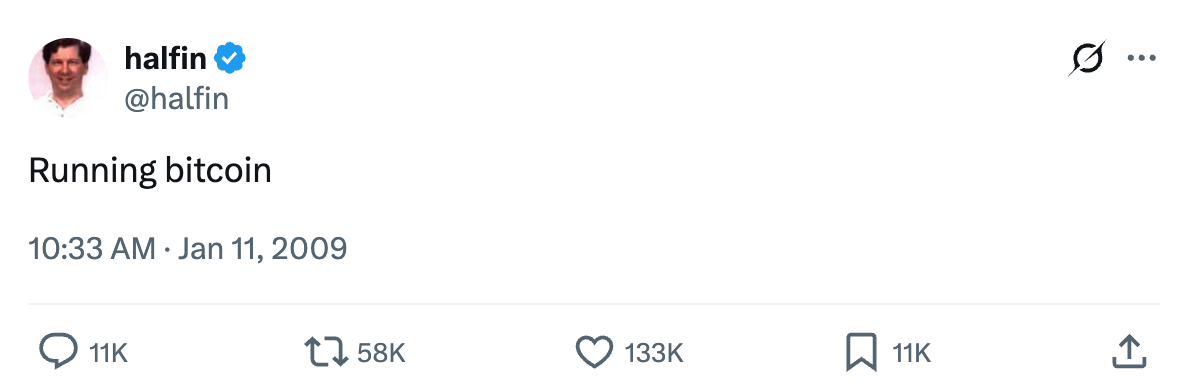
ที่มาของภาพ @halfin
Bitcoin จากการทดลองสู่โลกการเงินแบบกระจายอำนาจ
ปัจจุบัน Bitcoin ได้เดินทางมาไกลกว่าที่คิด สู่การเป็นสินทรัพย์ที่นักลงทุนมองว่าเป็น แหล่งเก็บมูลค่า (store of value) และยังเป็นสินทรัพย์ที่สถาบันการเงินระดับโลกอย่าง BlackRock หรือ Fidelity ให้การยอมรับ และถูกนำไปใช้ในฐานะสินทรัพย์เพื่อป้องกันความเสี่ยงจากเงินเฟ้อและความไม่แน่นอนทางเศรษฐกิจ
อย่างไรก็ตาม รากฐานของความสำเร็จทั้งหมดนี้ยังคงย้อนกลับไปที่จุดเดิม คือความเรียบง่ายของระบบที่ทำงานได้ด้วยตัวเอง จากธุรกรรมเล็กๆ ระหว่าง Satoshi และ Hal Finney ได้พิสูจน์แล้วว่า พลังของเทคโนโลยีสามารถสร้างระบบการเงินที่โปร่งใส ตรวจสอบได้ และเป็นอิสระ
บทสรุป
“Running Bitcoin” จึงไม่ใช่เพียงบันทึกทางเทคนิคในอดีต แต่เป็นสัญลักษณ์ของการเริ่มต้นการเงินยุคสมัยใหม่ ที่ยังคงย้ำเตือนว่านวัตกรรมที่เข้ามาเปลี่ยนโลกมักเริ่มต้นจากก้าวเล็กๆ ที่กล้าหาญเสมอ
ที่มา: Coingecko, CoinMarketCap
— — — — — — — — — —
คำเตือน:
-คริปโทเคอร์เรนซีและโทเคนดิจิทัลมีความเสี่ยงสูง ท่านอาจสูญเสียเงินลงทุนได้ทั้งจํานวน โปรดศึกษาและลงทุนให้เหมาะสมกับระดับความเสี่ยงที่ยอมรับได้
-ผลตอบแทนของสินทรัพย์ดิจิทัลในอดีตหรือผลการดําเนินงานในอดีต มิได้เป็นสิ่งยืนยันถึงผลตอบแทน ของสินทรัพย์ดิจิทัลหรือผลการดําเนินงานในอนาคต
— — — — — — — — — —
หากคุณยังเป็นมือใหม่ ค้นหาข้อมูลเพิ่มเติมได้ในบทความ “แหล่งความรู้ มือใหม่หัดเทรดคริปโต เริ่มต้นที่นี่” แล้วมาเริ่มต้นเทรดได้วันนี้ที่ Bitkub Exchange → คลิกสมัครเลย
— — — — — — — — — —
“Running Bitcoin”: How a Legendary Two-Word Tweet Changed Finance Forever
In the crypto world, very few phrases are considered “sacred.” At the top of that list is a brief, two-word tweet from January 11, 2009: “Running bitcoin.” The author was Hal Finney, a legendary cryptographer and a titan in the cypherpunk movement. His message was more than just a status update on his computer’s CPU; it was a quiet flare sent up into the digital void, announcing that the era of decentralized money had officially begun.
(Image Source: Bitcoin.com — Remembering Hal Finney’s Vision)
From Whitepaper Theory to Peer-to-Peer Fact
For months, Bitcoin was nothing more than a provocative theory outlined in Satoshi Nakamoto’s Whitepaper. That changed forever on January 11, 2009. In Block 170, Satoshi sent 10 BTC to Hal Finney — marking the first-ever Peer-to-Peer (P2P) transaction in human history.
At the time, Bitcoin had no price, no exchanges, and no hype. There was no “moon” to chase. This transaction wasn’t about wealth; it was a proof of concept. It was the moment the world learned that value could be moved across the globe without a bank, a government, or a middleman ever giving permission.
The Philosophy Behind the Code
“Running Bitcoin” represents a fundamental shift in how we define money. For centuries, finance has been built on trust — trust in central banks, trust in institutions, and trust in intermediaries.
Hal Finney and Satoshi Nakamoto replaced that human frailty with cryptography and mathematical consensus. By tweeting “Running bitcoin,” Finney signaled that Bitcoin wasn’t just another piece of software; it was a new kind of social contract. It posed a radical question to the traditional financial establishment: “Is a middleman truly necessary for money to exist?”
(Image Source: @halfin)
From an Outsider Experiment to Institutional Gold
Today, Bitcoin has matured far beyond the wildest dreams of the early mailing lists. It has transformed into a globally recognized Store of Value, embraced by Wall Street giants like BlackRock and Fidelity. What started as an experiment is now a sophisticated hedge against inflation and a lifeline in times of economic instability.
Yet, for all its complexity and trillion-dollar market cap, the heart of Bitcoin remains unchanged. Its success is rooted in the simplicity of a system that governs itself. That first interaction between Satoshi and Hal proved that technology could create a financial reality that is transparent, immutable, and — above all — free.
The Bottom Line
“Running Bitcoin” is more than a technical archive; it is a monument to the birth of modern finance. It serves as a lasting reminder that the innovations that truly reshape the world don’t always start with a roar. Often, they begin with a few lines of code and a single, courageous step forward.
Sources: Coingecko, CoinMarketCap
— — — — — — — — — —
Disclaimer:
- Cryptocurrency and digital tokens involve high risks; investors may lose all investment money and should study information carefully and make investments according to their own risk profile.
-Past Returns does not guarantee future returns/performance.
— — — — — — — — — —
Start your crypto trading journey today! If you’re new to the space, get all the information you need in our guide, “Crypto Trading for Beginners: Start Here.”
Ready to trade? Sign up now on Bitkub Exchange → Click to register!
— — — — — — — — — —
ที่มา:
Medium