
Zoom Adds World 'Proof of Human' Badges to Stop Deepfakes
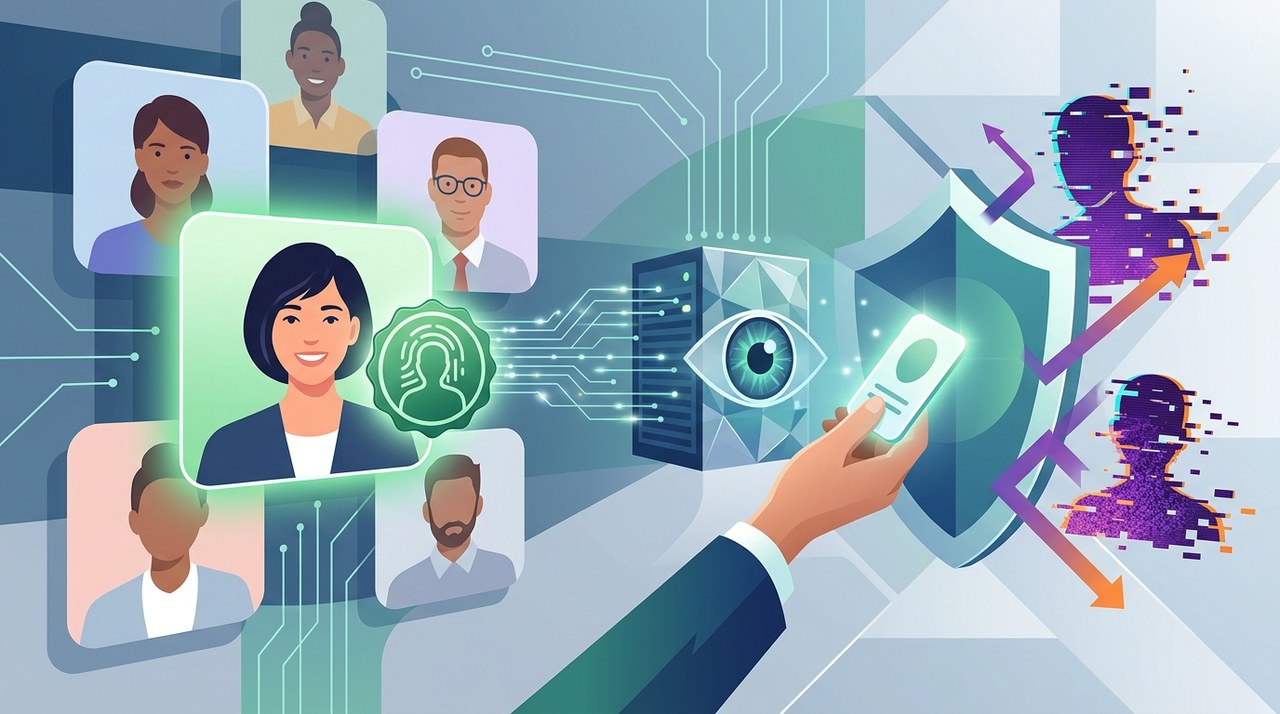
A New Defense Against AI Impersonation
Have you ever wondered if the person talking to you on a video call is actually who they say they are? With artificial intelligence tools getting smarter every day, telling a real person apart from a digital fake is getting much harder.
To tackle this growing issue, World—the identity project co-founded by OpenAI chief executive Sam Altman—has introduced a new security feature. The project has rolled out biometric verification badges designed specifically for Zoom enterprise users.
These badges serve as a Proof of Human indicator. They give meeting participants a quick and clear way to confirm that the individual on screen is a verified human being rather than an AI-generated deepfake avatar.
Understanding World and Digital Identity
To understand why this update is important, it helps to look at what World actually does. Formerly known as WorldcoinWLD+0.73%, the project was created to address a simple question: How do we prove who is human in an internet filled with bots and synthetic media?
World uses a digital identity credential known as World ID. Think of World ID like a digital passport for the internet age. It lets users prove they are a unique, living human without having to hand over sensitive personal details like their name or physical address.
World ID acts like a digital seal of authenticity, confirming you are a real person without exposing your private personal data.
Why Deepfake Scams Are Becoming a Major Threat
Why are Zoom and World teaming up on this feature right now? The answer comes down to how fast generative AI technology has advanced over the last couple of years.
In the past, creating a convincing fake video required high-end equipment and hours of editing. Today, specialized software can swap faces and mimic voices in real-time during live streaming calls. This has created serious security risks for businesses around the world:
- Executive Impersonation: Cybercriminals can clone the face and voice of a CEO during a video call to order fake wire transfers or request sensitive financial data.
- Remote Hiring Scams: Fraudulent job applicants can use AI face filters during interviews to secure remote corporate roles under stolen identities.
- Unauthorized Data Access: Bad actors can pretend to be IT support or company managers to trick employees into sharing passwords and access keys.
How the Zoom Verification Badges Work
The new integration brings World's verification tools directly into the enterprise Zoom ecosystem. The setup process is designed to be straightforward for organizations and individual employees.
When an enterprise user sets up their account, they can link their verified World ID credential to their Zoom profile. Once connected, a visual verification badge displays alongside their video feed or display name in meetings.
This badge gives other participants immediate confidence that the person on screen has completed biometric verification. It provides an extra layer of trust during high-stakes discussions, such as board meetings, contract signings, and financial approvals.
Balancing Security with User Privacy
Whenever biometric technology is discussed, privacy concerns naturally come up. People often ask whether their personal biometric information will be shared with corporate employers or third-party apps.
World addresses these concerns through advanced cryptography known as zero-knowledge proofs. In simple terms, this technology lets the system confirm a fact—such as 'this user is a real human'—without revealing the underlying biometric data itself.
Zoom receives cryptographic confirmation that the user holds a valid World ID badge, but no raw biometric files or private personal documents are shared during the call.
What This Means for the Future of Remote Work
As remote work continues to be a standard practice for companies worldwide, securing digital communication tools is more critical than ever. Visual cues alone are no longer enough to guarantee who is on the other end of a screen.
By bringing biometric proof-of-humanity checks into everyday video calls, Zoom and World are offering a practical blueprint for how online identity might work in an AI-driven future.
While digital assets and decentralized technologies are often discussed in terms of trading or finance, integrations like this show how cryptographic verification can solve everyday practical challenges in corporate security.
Past performance of digital assets is not a guarantee of future returns. For additional market details and risk considerations, please review official asset disclosures at bitkub.com.
Latest blog posts


Ripple CTO Emeritus Teases Big XRP Ledger Breakthrough
David Schwartz believes retail DeFi on the XRP Ledger is close to a major turning point driven by AI and regulation.
|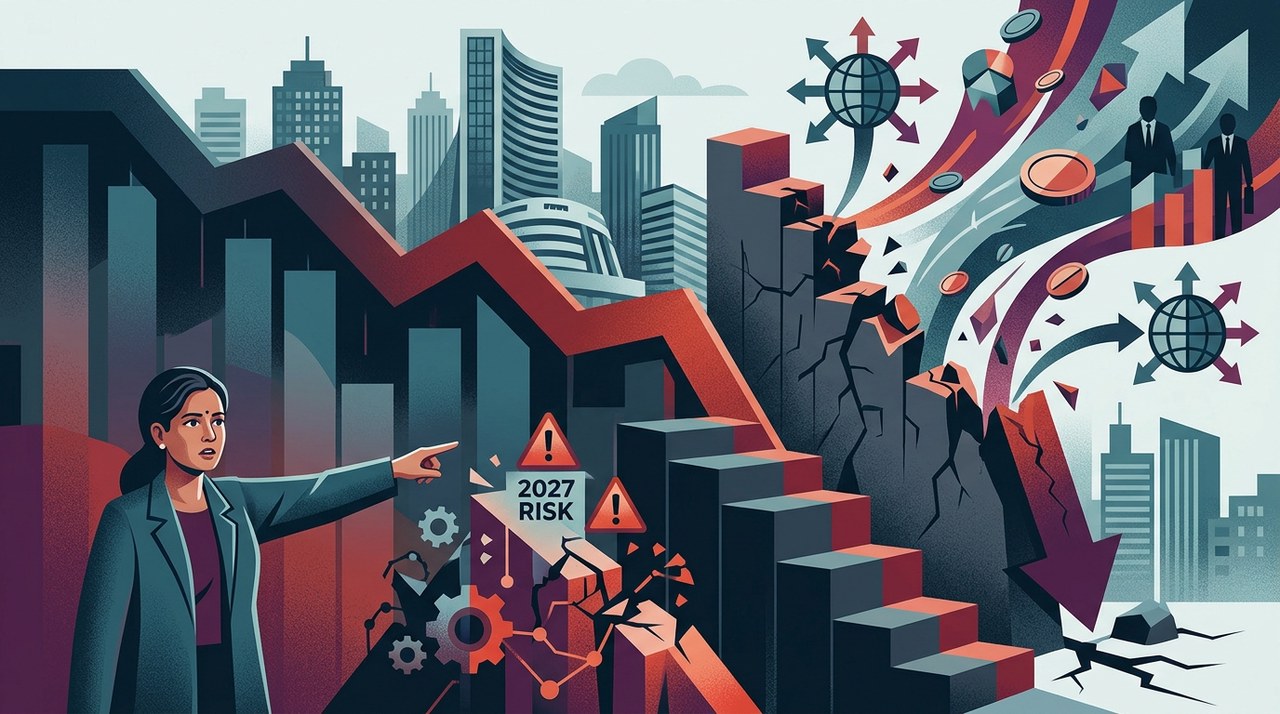
India Stock Market Slide: Finance Minister Warns of 2027 Risk
Indian Finance Minister Nirmala Sitharaman flagged capital outflows as a key risk for 2027 as domestic stock indexes fall over 12%. Here is a simple breakdown of what is happening.

Seoul Court Acquits Influencer Jonber Kim in $253M Case
A Seoul court acquitted crypto influencer 'Jonber Kim' in a $253 million fraud case due to insufficient direct evidence.